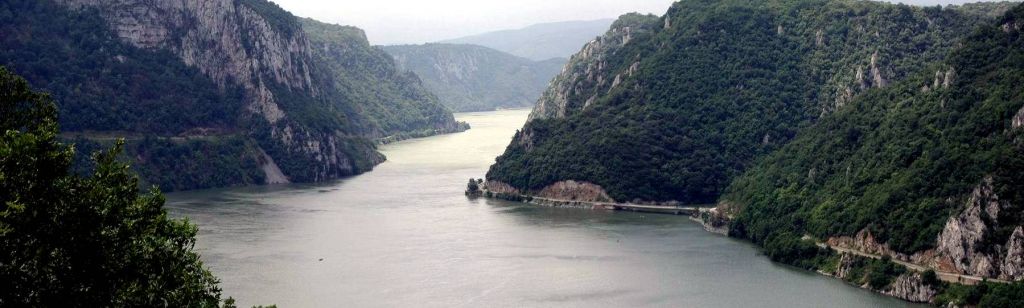

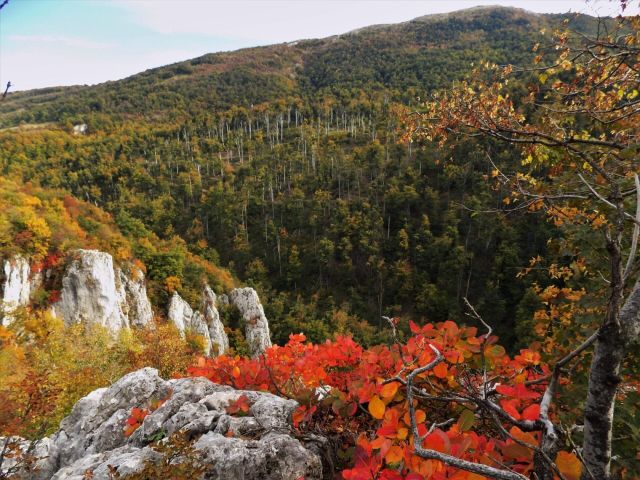
Lepenski Vir archaeological site area, near Donji Milanovac, Đerdap, eastern Serbia

Lepenski Vir is one of the key prehistoric sites in Serbia and a major stop for travelers interested in early settled communities along the Danube. The protected remains sit inside a modern visitor structure near Donji Milanovac in Đerdap. Most visitors come by car or organized tour, often pairing the site with Golubac Fortress further west on the river route. Allow around 60 to 90 minutes on site for the exhibition, the settlement layout, and views across the Danube.
Lepenski Vir lies on the right bank of the Danube in the Iron Gates area of eastern Serbia, close to Donji Milanovac. The site became internationally important after excavations in the 1960s revealed a planned prehistoric settlement with trapezoidal house bases, ritual sculptures, and evidence of long-term occupation dating back roughly seven millennia. It is most widely known for its sculpted sandstone boulders with human-fish features. The setting feels quiet and geological: river, cliffs, road, and a museum shelter built to protect the remains. For wider context on the region, the Eastern Serbia Guide helps place Lepenski Vir within Đerdap’s larger cultural landscape.
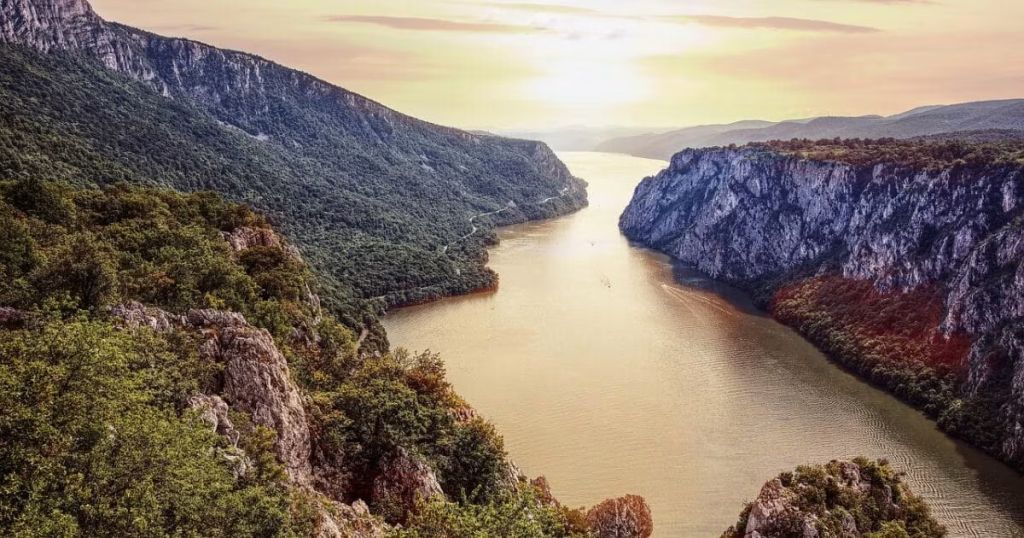
The importance of Lepenski Vir comes from the combination of river geography, settlement planning, and symbolic material culture. This was not just a temporary camp but a community shaped by the Danube itself. The settlement sits within the Iron Gates corridor, where movement, fishing, and seasonal rhythms defined daily life. What makes the archaeology here distinctive is the clear ground plan of the houses and the sculptural tradition connected to the site. For travelers, that means Lepenski Vir is easier to understand than many prehistoric locations: you can read the layout, grasp the river setting, and connect the finds to a real landscape. It pairs naturally with the broader historical route through Đerdap National Park and, for Roman-period contrast, with Gamzigrad-Romuliana.
These are the details most visitors remember after a first stop at Lepenski Vir.
Trapezoidal house plans
The settlement layout helps visitors understand that this was an organized community, not just a scatter of finds.
Stone sculptures
The sculpted boulders are central to why Lepenski Vir stands out within Danube archaeology.
Danube setting
The river and gorge are part of the interpretation, not just background scenery.
Knjazevac, Eastern Serbia | Timok Riverside, Wine and Stara
The Origin in Eastern Serbia | Hiking, Human Origins and Archaeology

Lepenski Vir is easiest to reach by car on the Danube road through Đerdap. From Donji Milanovac, the site is a short drive west along the river road toward Golubac. From Belgrade, many travelers approach via Golubac and continue east along the gorge. There is no train access to the site. Public transport in this part of eastern Serbia is limited and usually requires a bus to Donji Milanovac followed by a local taxi arrangement, so independent visitors should check current schedules through Serbia Transit Search before committing to a same-day plan. Taxi fares depend on distance and negotiation from Donji Milanovac; parking availability is generally tied to the visitor-site approach road and is simplest for self-drivers or organized tours.

Lepenski Vir works best in daylight as part of a wider Đerdap driving day. Spring and autumn usually offer the clearest road-trip conditions and the most comfortable pacing for combining the site with viewpoints or Golubac. Summer is practical if you are already touring the Danube corridor, though midday can feel warmer and busier with organized groups. Start earlier if you want a quieter interpretive visit. If you are traveling on a fixed itinerary, confirm current admission times locally because heritage-site schedules in the region can vary by season.
Expect an interpretive archaeology visit rather than a large outdoor ruin field. The core experience is seeing the preserved settlement remains under shelter and understanding how the site relates to the Danube landscape. Dress is casual. Comfortable shoes are enough; you do not need hiking gear. Families with older children interested in history usually get more from the stop than very young children, because the value is in reading the exhibition and site layout. Accessibility is generally easier than at rugged outdoor ruins because the main visit is structured, but travelers with specific mobility needs should still confirm current conditions locally. Bring water if you are continuing along the river road and allow time for photographs outside the main interpretive area.

Tell us where you want to go and how you travel. We reply within two working days with a tailored plan.
Good for travelers driving through Đerdap who want one focused archaeological site without committing to a full museum day.
Lepenski Vir makes more sense when combined with river viewpoints, Golubac, or an overnight in Donji Milanovac rather than as an isolated detour.
Lepenski Vir is on the Danube road near Donji Milanovac in the Đerdap gorge area of eastern Serbia.
Use Lepenski Vir as the anchor stop, then add nearby Danube archaeology and heritage points that make sense on the same road-trip route.
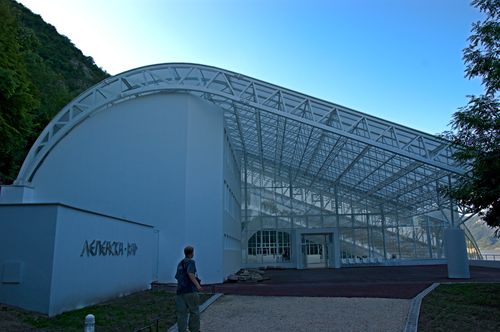
Lepenski Vir Visitor Centre
The main protected archaeological presentation of the Mesolithic settlement.
Modern shelter over the excavated settlement with interpretation focused on house plans, sculptures, and life on the Danube.
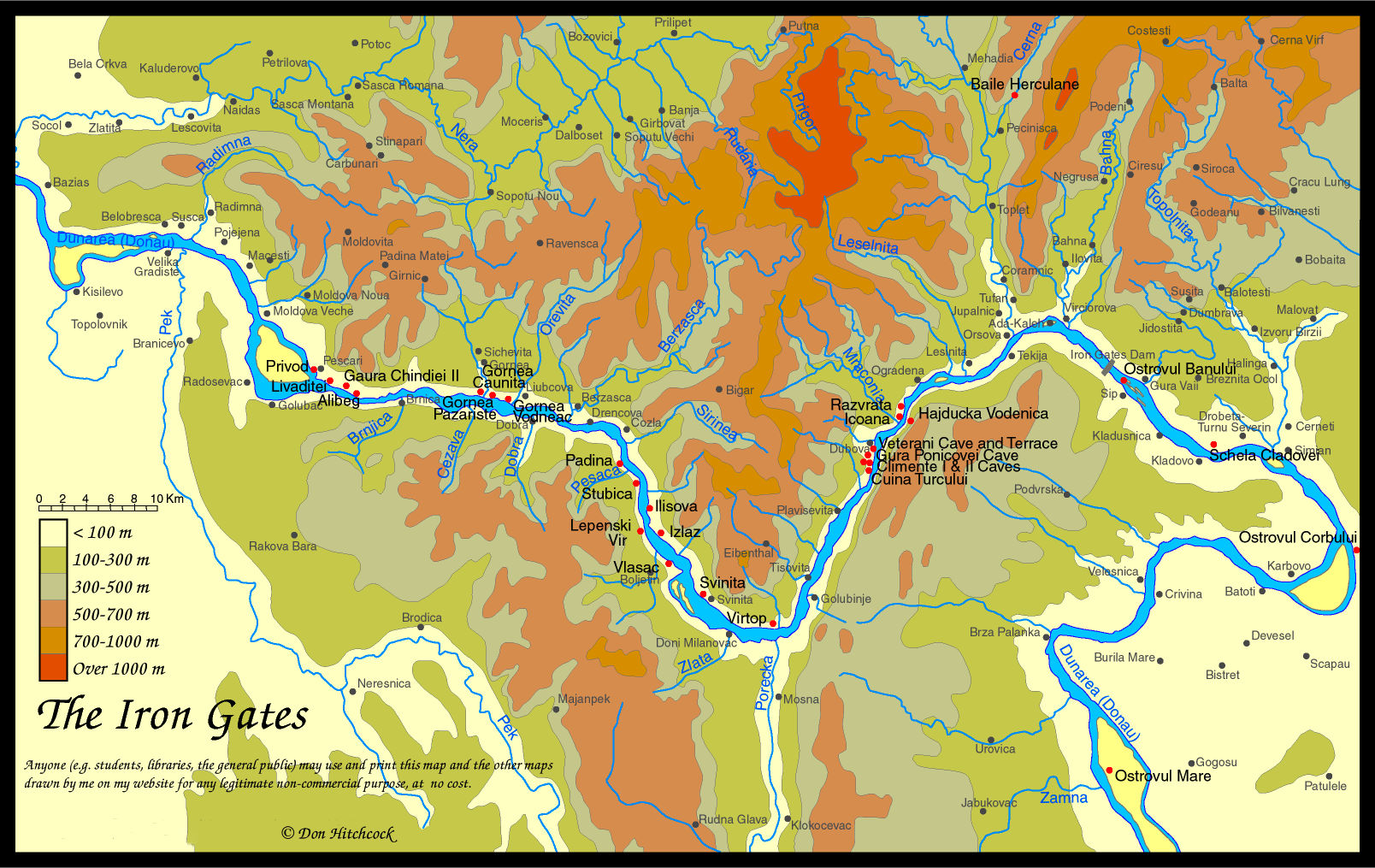
Vlasac archaeological area
Another important prehistoric locality in the Iron Gates cultural zone.
Best understood as contextual archaeology rather than a fully developed visitor attraction; useful for travelers interested in the wider Mesolithic Serbia story.
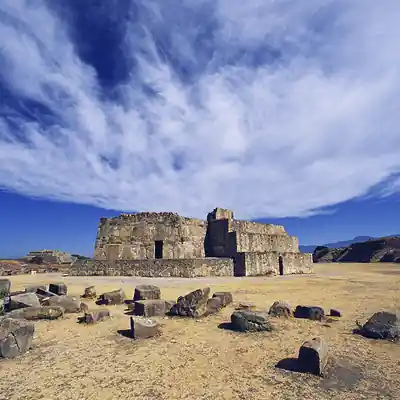
Padina archaeological site
A Danube-side prehistoric site linked to the wider Iron Gates sequence.
Often mentioned together with Lepenski Vir when discussing settlement and burial evidence from the gorge landscape.
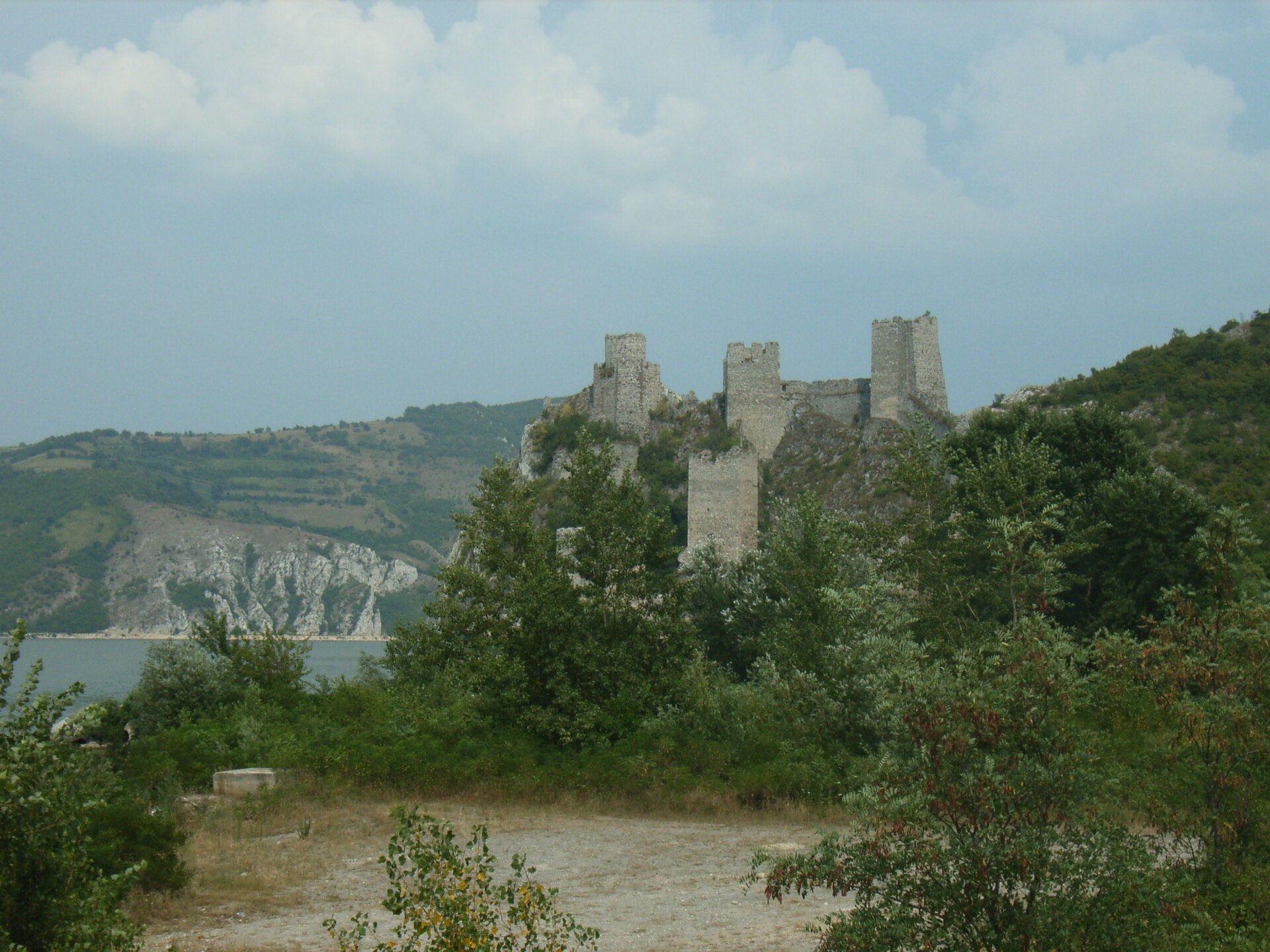
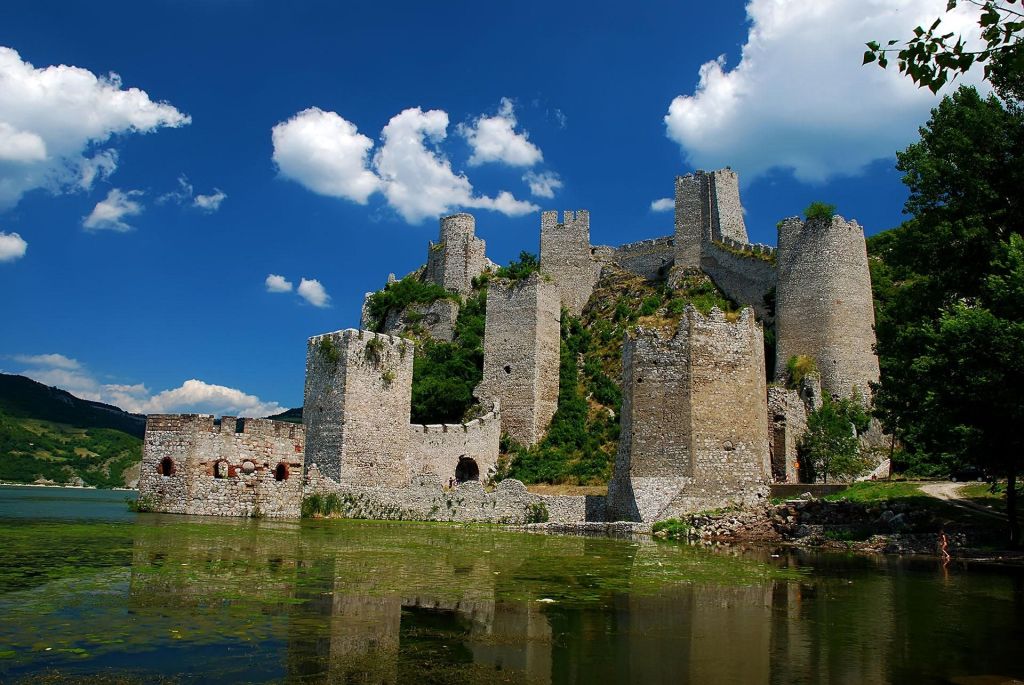
Golubac Fortress
Medieval Danube fortress often paired with Lepenski Vir on the same route.
Not Mesolithic, but a practical and strong same-day heritage complement if you want one prehistoric site and one fortress stop on the river road.
Lepenski Vir archaeological site area, near Donji Milanovac, Đerdap, eastern Serbia
Donji Milanovac on the Danube road through Đerdap
Mesolithic settlement archaeology and prehistoric stone sculptures
Ticketed heritage site; confirm current local tariff
Daylight visit in spring or autumn, or as a morning stop in summer
Not usually for independent visits; organized tours may pre-arrange entry
Lepenski Vir is not a ruin you admire from outside. Its value is interpretive: house plans, burial context, ritual objects, and the relationship between people and the Danube landscape.
Commercial day tours often combine Lepenski Vir with Golubac and the Đerdap river road. If you are self-driving, the pairing works because both stops sit on the same Danube corridor.
This is a road-trip-friendly destination rather than an easy walk-up attraction from a major town center. If you are not driving, build extra time for transfers.
Bring water, sun protection for the wider drive, and enough time to read the interpretation rather than treating the stop as a quick photo break.
Yes, if you are interested in early human settlement, the Danube landscape, or Serbian history beyond the medieval and Roman periods. The site is interpretive and understandable for general visitors.
Yes, but it is a long day and works best by car or organized tour. Many visitors combine it with Golubac and other Đerdap stops.
Around 60 to 90 minutes is usually enough for the core visit, with extra time if you are combining it with viewpoints or other heritage stops.
It sits within the wider Đerdap heritage landscape on the Danube corridor and is commonly visited together with other Đerdap sites and viewpoints.
Use regional guides to connect Lepenski Vir with practical transport, Danube landscapes, and other heritage stops in eastern Serbia.
Stay connected in Serbia