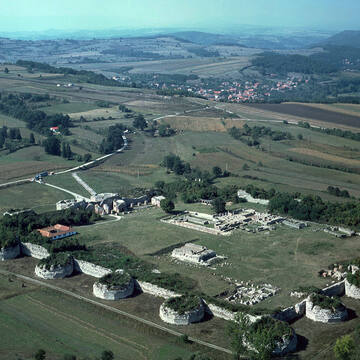
Gamzigrad archaeological site near Zaječar, eastern Serbia

Gamzigrad-Romuliana, also known as Felix Romuliana, is one of Serbia’s key Roman archaeological sites. It lies near Zaječar in eastern Serbia and preserves the remains of an imperial palace complex linked to Emperor Galerius. Visitors come for the fortified enclosure, palace foundations, ceremonial spaces, temple remains, and geometric and figural mosaics. The site works best as a half-day visit from Zaječar, with extra time for the Magura hill memorial area and the museum collection in town.
Gamzigrad-Romuliana is a late-Roman imperial palace complex near Zaječar, built in the late 3rd and early 4th century and associated with Emperor Galerius. The enclosed site is defined by strong defensive walls and towers, with palace buildings, sacred spaces, courtyards, and mosaic floors inside. It is most widely known for combining an imperial residence with ceremonial architecture in a compact, readable archaeological plan. The atmosphere is open, quiet, and reflective rather than museum-like, making it a good stop within a broader Eastern Serbia itinerary of Roman sites, Danube landscapes, and caves.
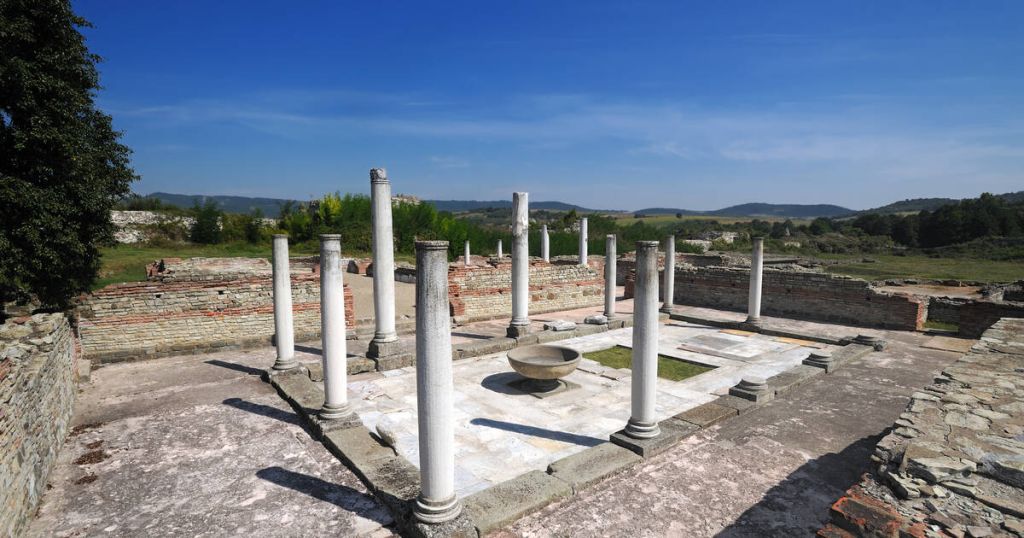
The defining speciality of Gamzigrad-Romuliana is the way its imperial architecture and decorative remains survive together. At many Roman sites, visitors mainly read foundations and reconstructed plans. Here, the fortification circuit gives the complex a clear shape from the start, while sections of mosaic floors bring the residential and ceremonial spaces back into focus. The walls, towers, gateways, palace sectors, and temple areas make it easier to understand how the complex functioned as a protected imperial residence and ritual center. The result is not a single monument but a legible ensemble: you walk through a fortified Roman court world rather than only looking at isolated ruins.
Focus on these elements as you move through the complex so the ruins read as a planned imperial residence rather than scattered remains.
Fortification walls and towers
The defensive circuit frames the entire site and helps first-time visitors understand the palace layout from the outside in.
Gateways and ceremonial approach
The entrances show how access was controlled and how visitors would have entered an imperial complex.
Mosaic floors
The preserved mosaics are the most immediate reminder that this was once a richly decorated residential and ceremonial setting.
Temple and sacred zones
Religious architecture is central to understanding the political and dynastic meaning of the complex.
Knjazevac, Eastern Serbia | Timok Riverside, Wine and Stara
The Origin in Eastern Serbia | Hiking, Human Origins and Archaeology
Most visitors reach Gamzigrad-Romuliana from Zaječar. By car or taxi, the site is a short trip from town and works well as a half-day outing. If you are self-driving, use the Zaječar–Gamzigrad road and follow local brown heritage signs; road number 35 is the main reference to keep in mind when approaching the wider area. From central Zaječar, a taxi is usually the simplest option because it avoids waiting for a return connection. If you rely on public transport, ask at Zaječar bus station for local departures toward Gamzigrad village or Gamzigradska Banja, then confirm the nearest drop-off and walking distance on the day. For wider route planning across the country, use Getting Around Serbia.
The site is easiest to enjoy in mild weather, when you can stay outdoors and move slowly between the walls, palace remains, and mosaic areas. Spring and autumn are usually the most comfortable seasons for walking an exposed archaeological site. In summer, go earlier or later in the day to avoid midday heat on the open ground. Give yourself more time than you expect: Romuliana is not large in urban terms, but it rewards a slower visit. If you want to combine it with Zaječar museum stops or additional eastern Serbia driving, a morning departure from town keeps the day flexible. For season-wide planning, the broader Best Time to Visit Serbia guide helps with weather expectations.
Expect an open archaeological site rather than a heavily interpreted urban monument. Surfaces can be uneven, shade can be limited, and weather has a direct effect on how long you will want to stay. Wear stable shoes, bring water in warm months, and keep sun protection with you. Families can visit without difficulty if children are comfortable with outdoor walking and low barriers around ruins. Accessibility is more limited than in a modern indoor museum because terrain and archaeological preservation shape the paths. The experience is quiet and contemplative, with little street noise, cafés, or shelter once you are inside the monument zone.
A museum stop in Zaječar helps put the palace into context, especially if you prefer seeing smaller finds after walking the outdoor ruins.
If you have a car, add the Magura memorial area so the visit is not limited to the palace interior alone.
Gamzigrad-Romuliana lies near Zaječar in eastern Serbia and is usually visited as a short road trip from town.
These are the main areas and related stops that most visitors focus on when planning a Roman-history day trip near Zaječar.
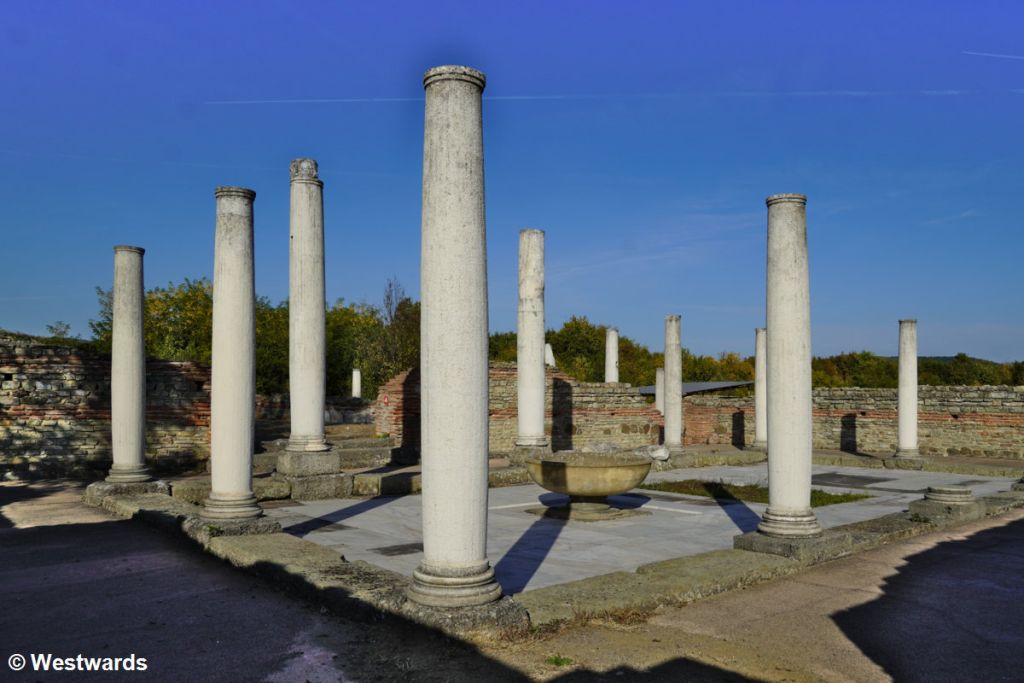
Felix Romuliana palace core
The main enclosed archaeological zone.
Walk the central palace remains to understand the scale of Galerius’s imperial residence and how the buildings fit inside the fortified perimeter.
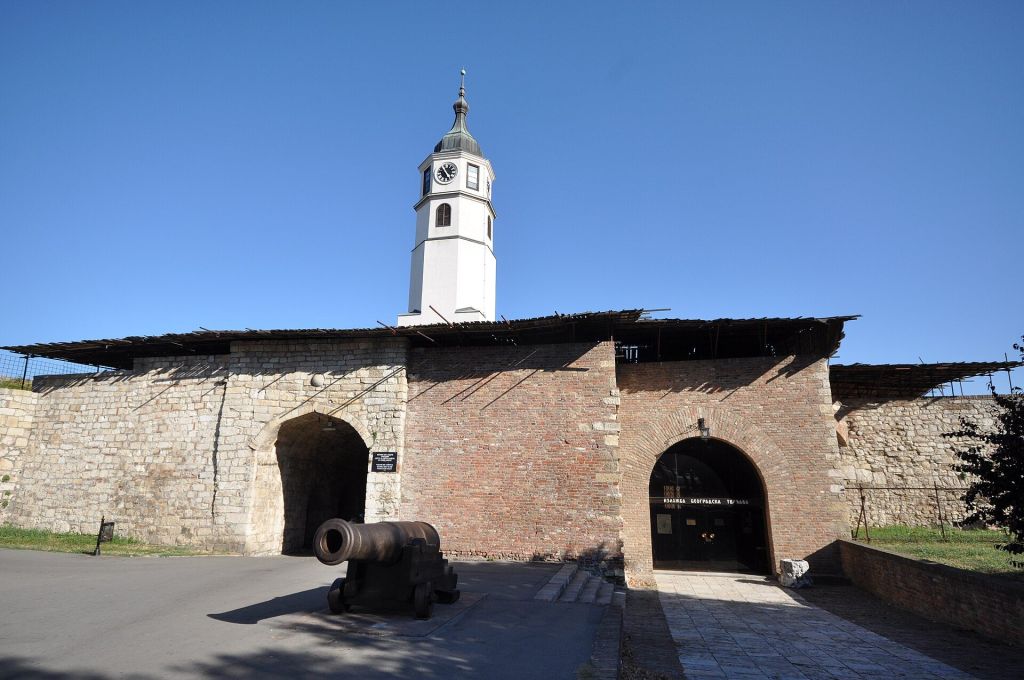
Fortification walls and towers
The clearest structural feature of the site.
The outer walls and towers explain why Romuliana feels different from a loose ruin field: the enclosure is still readable and gives the whole complex a defensive and ceremonial frame.
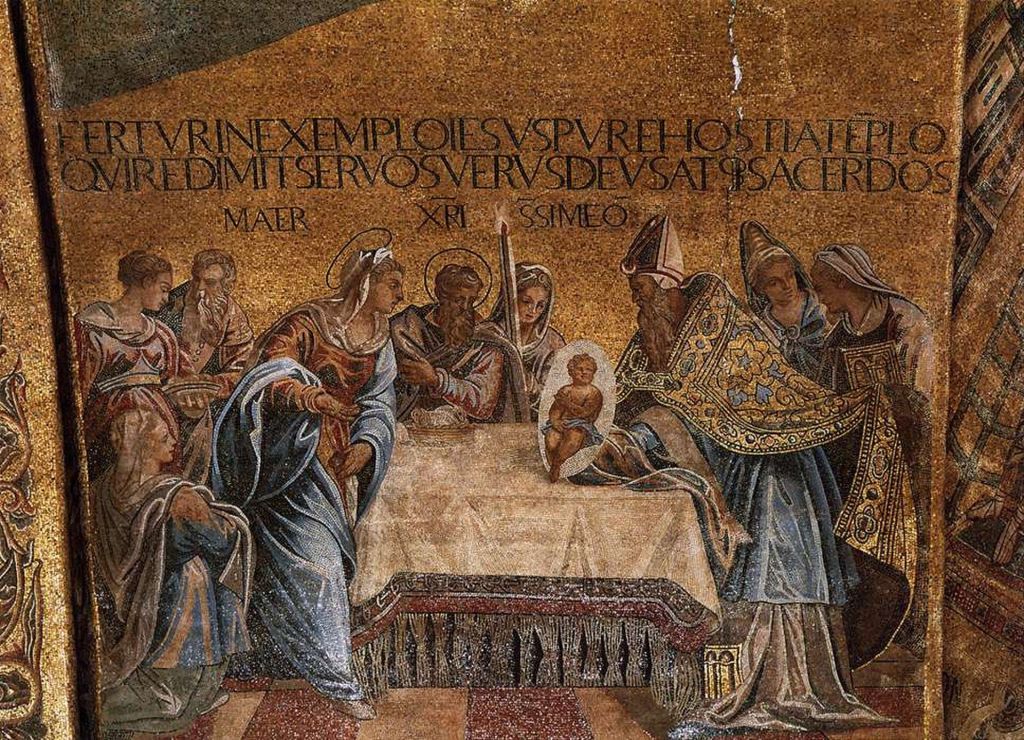
Temple area and mosaics
Decorative and sacred remains in one part of the complex.
Spend time here rather than rushing through. The mosaics are one of the strongest reasons to visit and help turn the archaeology from abstract foundations into lived imperial space.
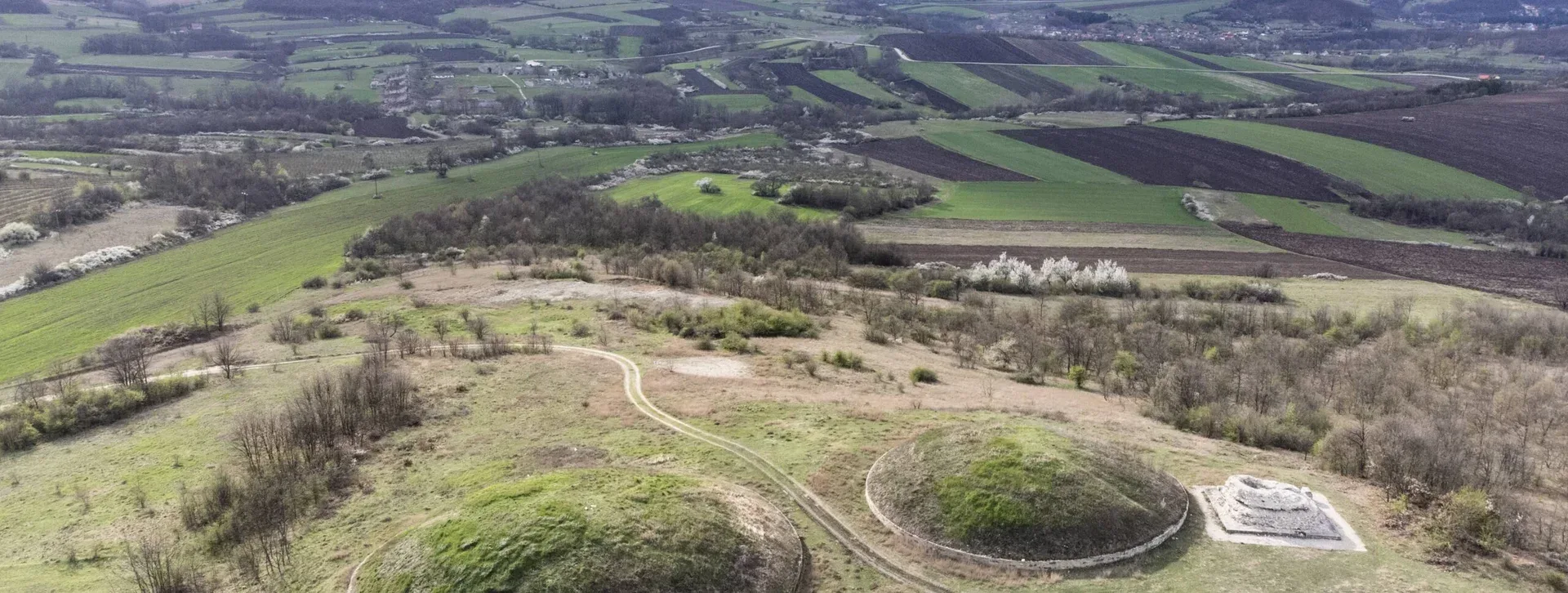
Magura hill memorial complex
Hilltop funerary and memorial area linked to the palace.
The Magura tombs add essential context to Romuliana by showing the wider dynastic and memorial landscape beyond the walls.
Gamzigrad archaeological site near Zaječar, eastern Serbia
Zaječar
Late-Roman imperial palace, fortifications, and mosaics
Ticketed archaeological site
Spring and autumn; early or late in summer
No for standard independent visits
If you are not driving, build in buffer time. The archaeological site is easier as a taxi day trip from Zaječar than as a tightly timed bus transfer.
Low-angle light usually makes masonry, relief, and the site plan easier to read than harsh midday sun. If you enjoy photography or archaeology, that matters.
Water, a hat in warm months, and shoes with grip are the practical essentials. Printed or offline maps also help if mobile signal is uneven outside town.
The Roman name links the complex to Galerius and the dynastic memory of his mother Romula, which is why the palace and the Magura memorial area are best understood together.
Gamzigrad-Romuliana works well as one of the archaeology-focused stops within eastern Serbia rather than as a stand-alone full day for most travelers.
Yes. Gamzigrad-Romuliana is the archaeological site commonly referred to by its Roman name, Felix Romuliana.
Most independent travelers should allow at least 1.5 to 3 hours for the main site, depending on interest in Roman archaeology and whether Magura hill is included.
Yes, but it is less straightforward. A taxi from Zaječar is usually the simplest non-driving option for a comfortable day trip.
The key draw is seeing a late-Roman imperial palace complex where the fortification circuit, palace remains, sacred areas, and mosaics can still be understood together.
Yes, if they are comfortable with outdoor walking on uneven ground. It is better for older children who enjoy ruins and open historic sites than for visitors expecting a hands-on museum.
If you want to connect eastern Serbia archaeology with Danube viewpoints, caves, or a longer cross-country trip, request a custom plan.
Stay connected in Serbia