Plan my Serbia route

Serbia Travel Tips

What Serbia Is Good For | City breaks, food, wine, nature and monasteries

Serbia suits travelers who want to combine compact cities, regional food and wine, mountain landscapes, Orthodox monasteries and practical overland travel in one trip.

Practical planning Independent travel Source-backed About Serbian Travel
Trip style guide Use this page to decide which parts of Serbia fit your time, interests and travel pace.
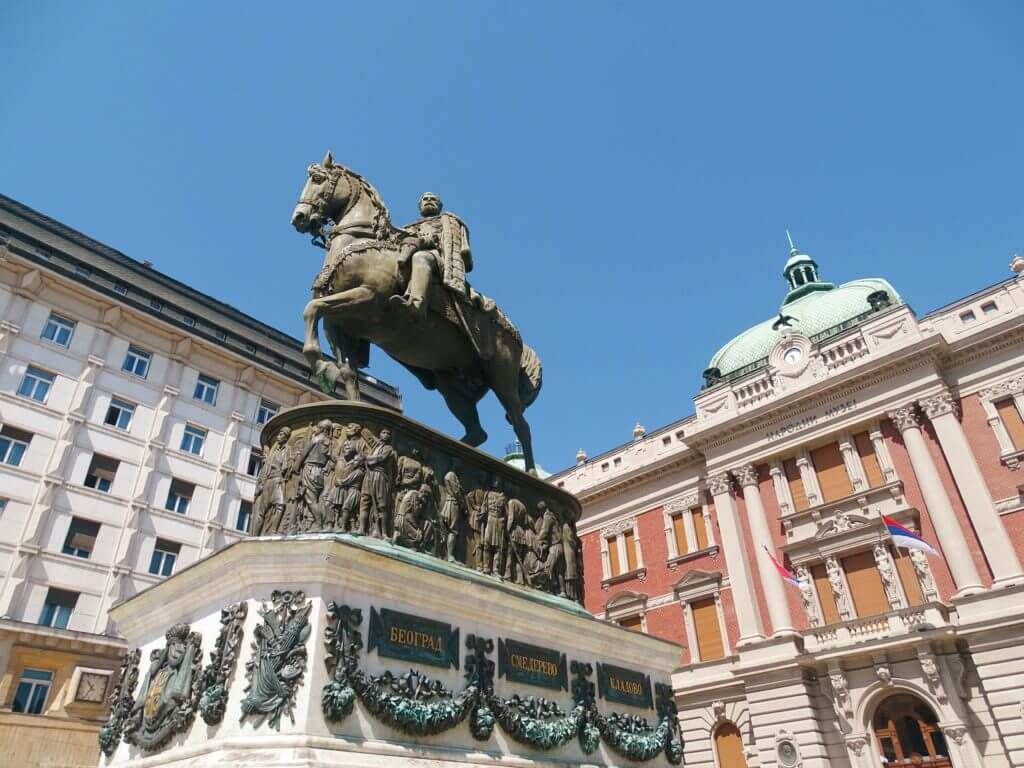
City breaks
Food and wine
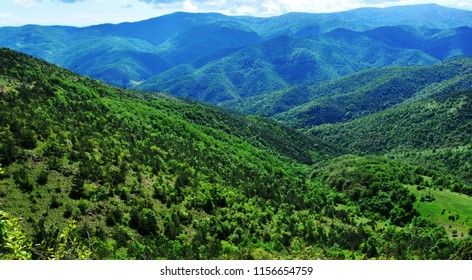
Nature
Monasteries
Transport

Serbia in one quick read

Serbia is a strong match for travelers who prefer a mixed itinerary over a single-theme holiday. The country is compact enough for practical overland travel, but varied enough to combine a capital city break, a second urban stop on the Danube, regional food, wine cellars, mountain viewpoints, medieval monasteries and a few slower spa days. If you want one trip that moves from streets and museums to forests, rivers and monastery courtyards without long domestic flights, Serbia makes sense.

What Serbia is good for

Serbia suits travelers who want several trip types in one country: a capital city break, a second urban stop on the Danube, regional food, wine roads, mountain walks, Orthodox monasteries and a few spa days. Distances are manageable for overland travel, so it works well for 3- to 10-day routes rather than one single-resort stay. For entry, money and transport basics, start with Serbia Travel Tips and then shape the route around the experiences that matter most to you.

Who it suits: independent travelers, couples, short-break visitors, and first-time visitors who want a trip with different moods instead of one fixed base.

Serbia Is Good For, What Serbia Is Good For: Breaks, , Wine, Nature and Monasteries
Serbia suits travelers who want several trip types in one country: a capital city break, a second urban stop on the Danube, regional food, wine roads, mountain walks, Orthodox monasteries.

City breaks in Serbia

Serbia is especially good for city breaks that can stand alone or anchor a longer trip. Belgrade works for travelers who want a capital with fortresses, museums, riverfront districts and late dinners rather than a checklist of formal sights. It is easy to fill two or three days with Kalemegdan, old-town streets, cafés and neighborhood walks.

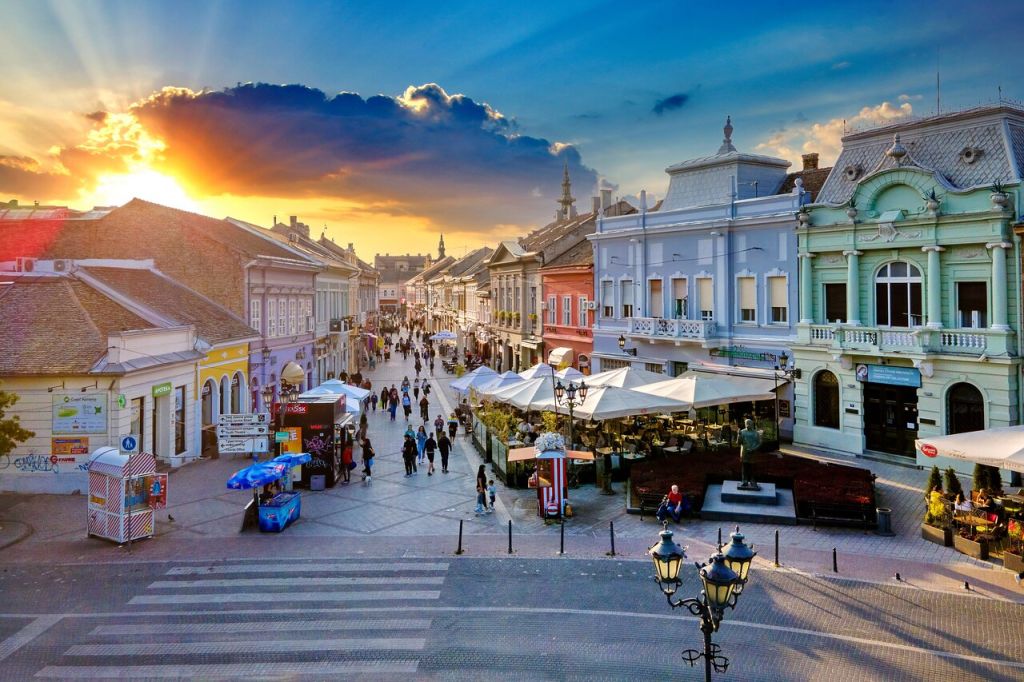
Novi Sad suits a different rhythm: a compact center, the Danube, galleries and Petrovaradin Fortress above the river. It is the easier pick if you want a calmer second city or a weekend with less moving around on foot. Niš also makes sense for travelers interested in layered history, especially if the route continues into southeastern Serbia.

Who it suits: weekend visitors, first-time travelers to the country, and people who want cities that connect easily to food, wine or day trips.

Slower themes that work well in Serbia

Beyond cities and mountain routes, Serbia also suits slower itineraries built around heritage and recovery time.

Manasija Monastery

Works for travelers interested in fortified monastery settings and medieval wall painting traditions.

Sopoćani Monastery

A good stop on a longer southwest route for visitors focused on Serbian medieval heritage.

Sokobanja

Suited to travelers who want a spa town base with mountain air and a lighter sightseeing pace.

Vrnjačka Banja

Useful for a calmer inland stay built around promenades, mineral-water traditions and easy daily routines.

City Breaks Serbia, What Serbia Is Good For: Breaks, , Wine, Nature and Monasteries
Serbia is especially good for city breaks that can stand alone or anchor a longer trip.

Food and wine trips in Serbia

Serbia is a practical choice for travelers who plan around meals, local produce and wine rather than monuments alone. The country’s regional cooking changes noticeably from one area to another, and wine routes are easiest to understand when paired with a nearby town or rural base. In Vojvodina, visitors can combine city time in Novi Sad with vineyard country, salaši and the softer landscapes around Fruška Gora. Elsewhere, wine-focused routes work well in Šumadija, around Vršac, and in the Negotin region’s cellar villages.

This is not usually a destination for one famous dish in one single place; it works better as a broad food journey, with grilled meat, river fish, seasonal produce, bakery culture, rakija and winery stops spread across the route.

Who it suits: couples, small groups, repeat visitors to the Balkans, and travelers who prefer slower daily planning centered on lunch and tasting stops.

Food Wine Trips Serbia, What Serbia Is Good For: Breaks, , Wine, Nature and Monasteries
Serbia is a practical choice for travelers who plan around meals, local produce and wine rather than monuments alone.

Nature trips in Serbia

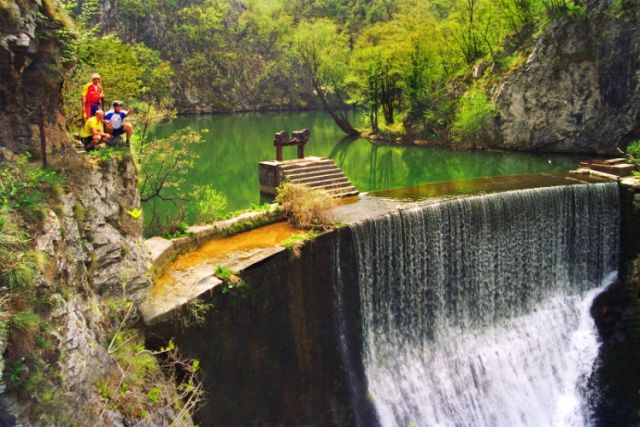
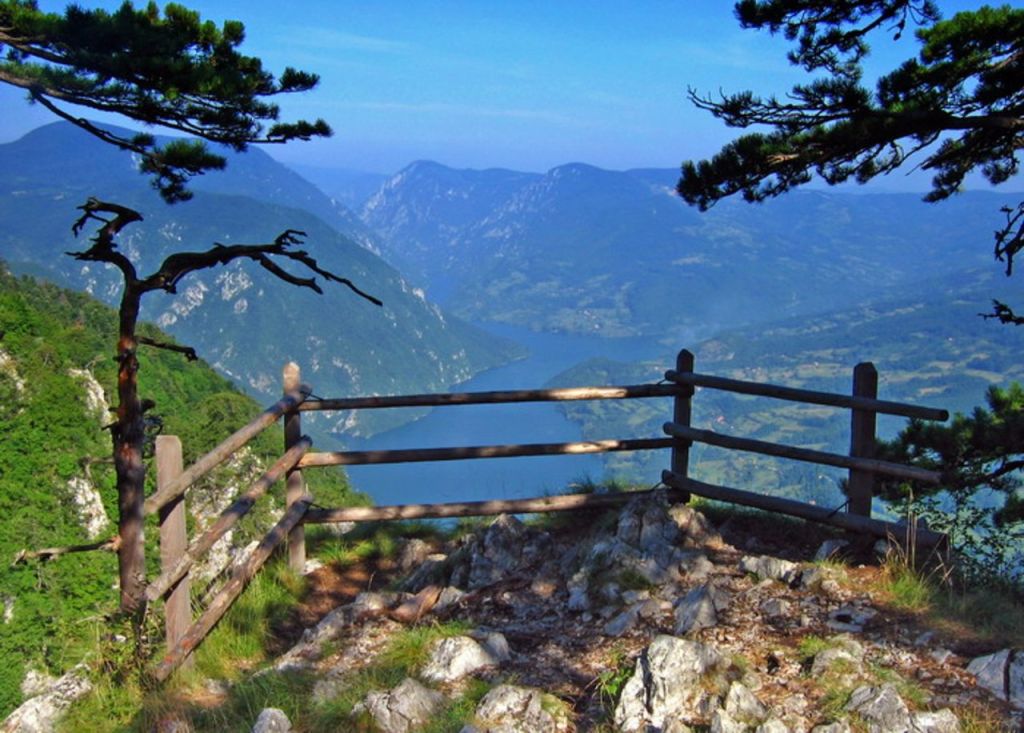
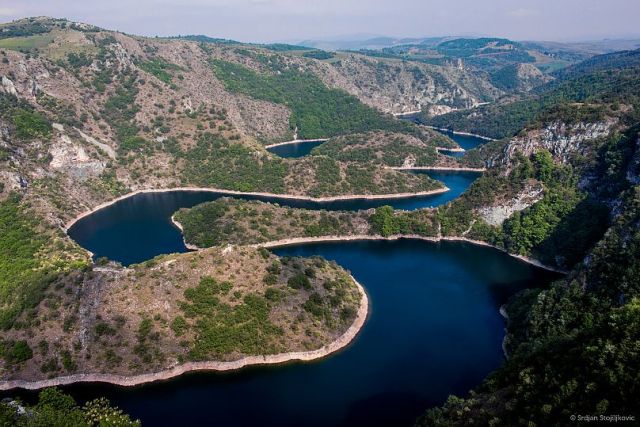
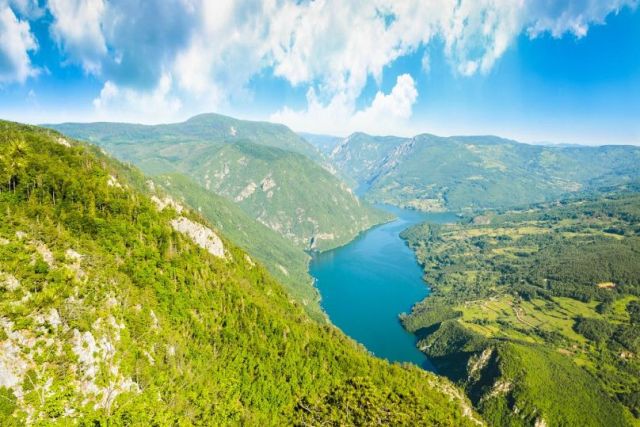
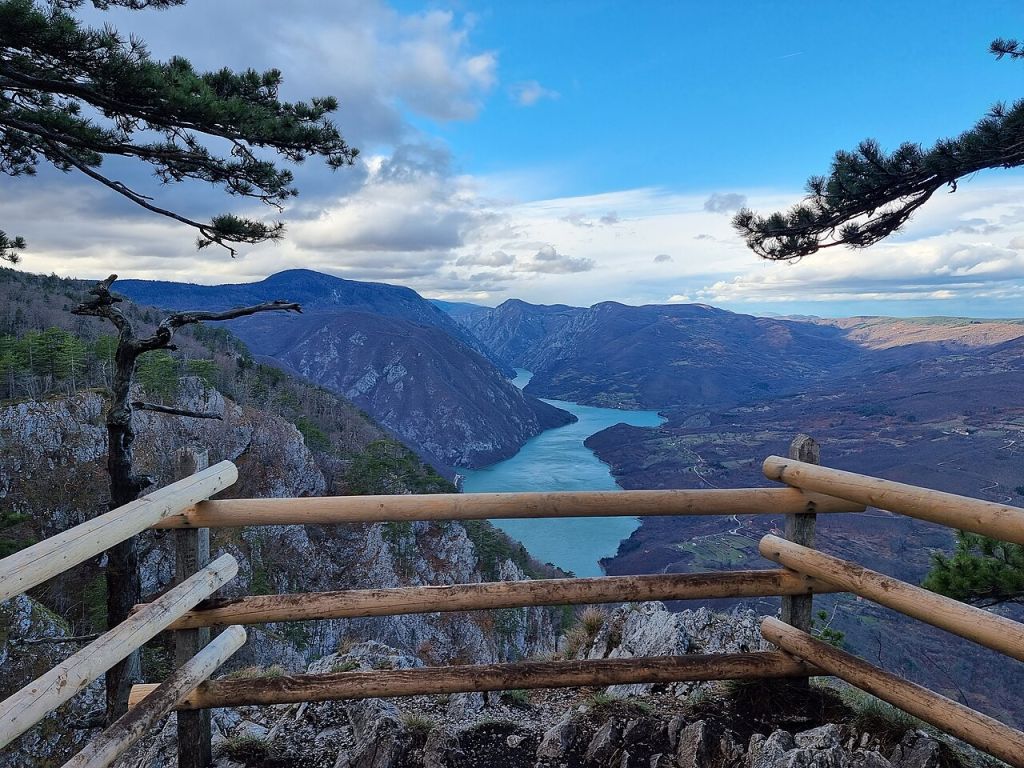
Serbia is a good fit for travelers who want mountain and river landscapes without turning the whole holiday into a technical trekking trip. Tara is one of the clearest examples: forested slopes, viewpoints, lake and canyon access, and a route that feels distinct from the cities. More broadly, Western Serbia works well for travelers who want mountains, heritage railways, lakes and valley towns that can be connected in a loop.

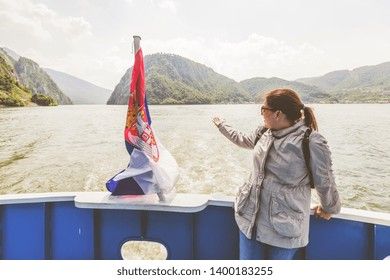
Other strong nature areas include Zlatibor, Kopaonik and Stara Planina, while Danube and Drina landscapes add a river dimension to routes. Official Serbia tourism material also highlights major winter centers such as Kopaonik, Tornik on Zlatibor and Stara Planina, so the country works beyond summer if your trip leans toward snow rather than beach weather.

Who it suits: walkers, photographers, road-trippers and travelers who want nature that can still be paired with towns, food stops and cultural visits.

Nature Trips Serbia, What Serbia Is Good For: Breaks, , Wine, Nature and Monasteries
Serbia is a good fit for travelers who want mountain and river landscapes without turning the whole holiday into a technical trekking trip.

Monasteries and spa towns in Serbia

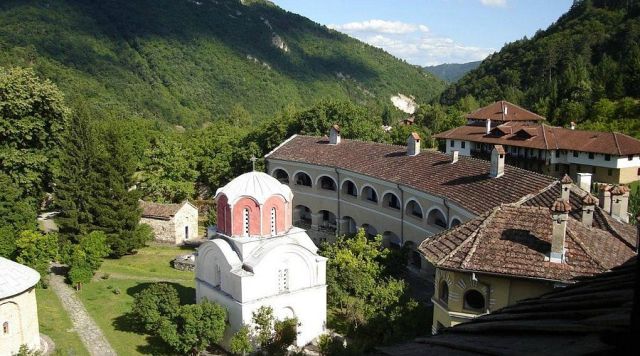
Serbia is particularly good for travelers who want cultural travel with a quieter tempo. Its Orthodox monasteries are not isolated one-off monuments; many sit naturally within wider routes through river valleys, wooded hills or historic regions. That makes it possible to build days around frescoes, church architecture, roadside lunches and short scenic drives rather than only museum time in cities.

Spa towns add another layer. Places such as Sokobanja, Vrnjačka Banja and Prolom Spa suit travelers who want rest between active travel days. These are usually better for a slower domestic-style rhythm than for luxury-resort expectations. Operational details vary by monastery, spa complex and season, so it is worth checking the relevant destination guide or official source before you travel.

Who it suits: history-focused travelers, older couples, drivers doing inland loops, and anyone who prefers quiet cultural stops over dense urban schedules.

Monasteries Spa Towns Serbia, What Serbia Is Good For: Breaks, , Wine, Nature and Monasteries
Serbia is particularly good for travelers who want cultural travel with a quieter tempo.

Plan routes across Serbia

Use the transit search to test whether a city-first trip, a mountain loop or a monastery route works better by bus or train.

Sources used for this guide

Official tourism material was used for broad country positioning and activity types. Existing Serbian Travel destination guides were used to keep place references specific and practical.

  1. National Tourism Organisation of Serbia
  2. Serbia Travel Tips | Visa, Currency, Transport & Practical
  3. Serbian Travel destination guides

Get your custom Serbia route

Tell us where you want to go and how you travel. We reply within two working days with a tailored plan.

We reply within two working days. Your details are used only to plan your trip — no marketing emails, no sharing with third parties. See our privacy policy.

Trip styles Serbia suits well

Short city breaks

Good if you want architecture, museums, fortresses, café streets and evening dining without building a full multi-city holiday. Two or three nights is enough for a focused urban stay.

Food-focused drives

Good if you prefer regional meals, market produce, fish by the rivers, grilled dishes, farmhouse lunches and roads that connect small towns with rural stops.

Wine weekends

Good if you want cellar visits, vineyard landscapes and a slower pace built around lunch, tastings and nearby heritage towns rather than nightlife-heavy planning.

Monastery and mountain loops

Good if you want frescoes, river valleys, forest roads, viewpoints and small-town bases. These routes reward a car, but several can also be done with a train or bus plus taxi.

Where Serbia is

Serbia sits in the central Balkans, making it practical to enter by air, train, bus or road depending on your route.

Places that match different Serbia trip styles

These places show the range Serbia handles well, from short urban stays to mountain bases and monastery-focused routes.

Belgrade

Belgrade

Capital city break

A practical first stop for 2 to 3 days, with Kalemegdan, museums, old-town neighborhoods, river walks and late dining.

  • Type: city break, Good for: first visit, Trip length: 2-3 days
Novi Sad

Novi Sad

Danube city with fortress and galleries

Works well as a relaxed second city, especially for travelers who want Petrovaradin Fortress, walkable streets and easy access to wine country.

  • Type: city break, Good for: weekend travel, Trip length: 2 days
Tara National Park

Tara National Park

Mountain base for forests, viewpoints and the Drina

A strong choice if nature is your priority and you want marked trails, lake scenery and a cooler mountain base in western Serbia.

  • Type: nature trip, Good for: hikers and drivers, Trip length: 2-4 days
Fruška Gora National Park

Fruška Gora National Park

Monasteries, wineries and short hikes near Novi Sad

Useful for travelers who want a day trip or short stay that mixes vineyards, monastery visits and manageable walking routes.

  • Type: wine and monastery route, Good for: car-based day trips, Trip length: 1-2 days
Studenica Monastery

Studenica Monastery

Medieval monastery destination

Suited to travelers who want historic monasteries and fresco-focused stops as part of a wider inland route through central and western Serbia.

  • Type: monastery trip, Good for: history-focused travelers, Trip length: half day to 1 day

Quick facts about Serbia trip styles

Strongest trip types

City breaks, food trips, wine weekends, mountain bases, monastery routes

Typical trip length

3 to 10 days

Best season for a mixed route

Spring and autumn

Winter strength

Ski and snow trips in Kopaonik, Tornik and Stara Planina

Transport fit

Good for mixed train, bus and car travel

Works best for

Travelers who want variety rather than one fixed resort stay

Practical starting point

Practical starting point

If you are still deciding whether Serbia fits your travel style, sort out entry rules, cash, cards and domestic transport first. That usually makes the route choice much clearer.

Season matters

Season matters

Spring and autumn are the easiest seasons for combining cities, food and inland travel. Summer works well for rivers, lakes and mountain bases, while winter is stronger for snow trips than for monastery-heavy driving loops.

How to move around

How to move around

Serbia can work by public transport for city-focused routes, but wine country, mountain viewpoints and monastery clusters are easier with a car or selective taxi transfers from a bus or train base.

Pace over quantity

Pace over quantity

The country rewards a slower route more than a long checklist. One city, one regional base and one nature or monastery segment is usually a better first trip than trying to cross every region in a few days.

Common questions about what Serbia is good for

Is Serbia better for a city break or a longer multi-stop trip?

Both can work. Belgrade or Novi Sad can stand alone for a weekend, but Serbia becomes more distinctive when you add food, wine, mountain or monastery stops to the route.

Is Serbia a good destination for food and wine travel?

Yes, especially if you treat it as a regional food journey rather than a one-dish pilgrimage. Wine works best when paired with nearby towns and rural bases such as Fruška Gora, Šumadija, Vršac or the Negotin area.

Does Serbia work for nature without serious hiking?

Yes. Many mountain and river areas are suitable for scenic drives, short walks, viewpoints, lakes and easy outdoor days rather than only demanding trekking.

Are monasteries in Serbia realistic for first-time visitors?

Yes, if you build them into a wider inland route. They make the most sense when combined with a nearby town, mountain area or spa base instead of treated as isolated one-hour stops.

When is the easiest time to combine several trip styles in Serbia?

Spring and autumn are usually the most practical for mixing cities, food, monastery visits and nature. Summer is useful for river and mountain travel, while winter is stronger for ski-oriented trips.

Need a Serbia route built around your interests?

Serbian Travel can help match city time, food stops, wine country, monastery visits and nature days to the time you actually have.

Get itinerary help
Travel essentials

Stay connected in Serbia