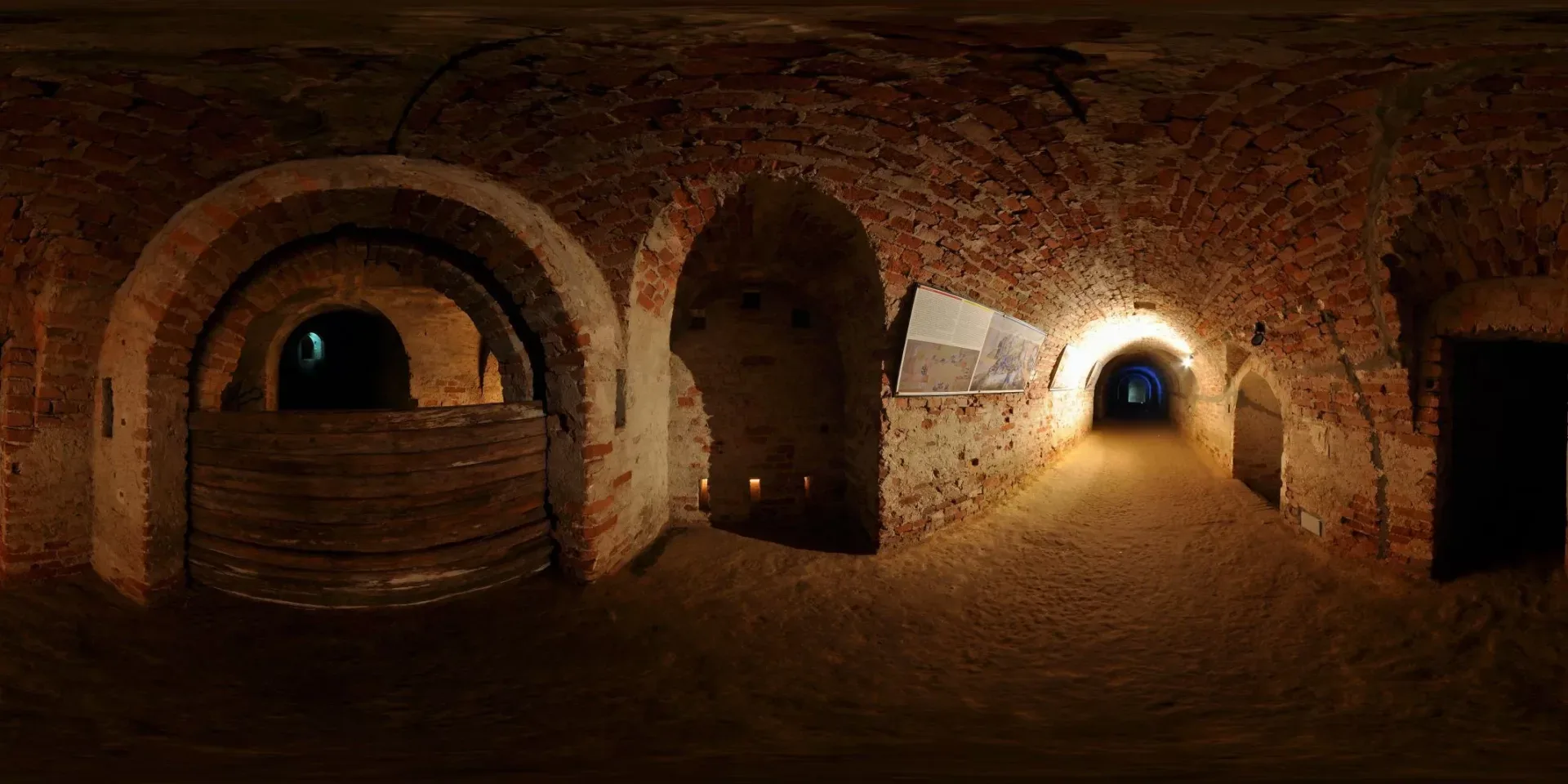
Petrovaradin Fortress area, Petrovaradin, Novi Sad

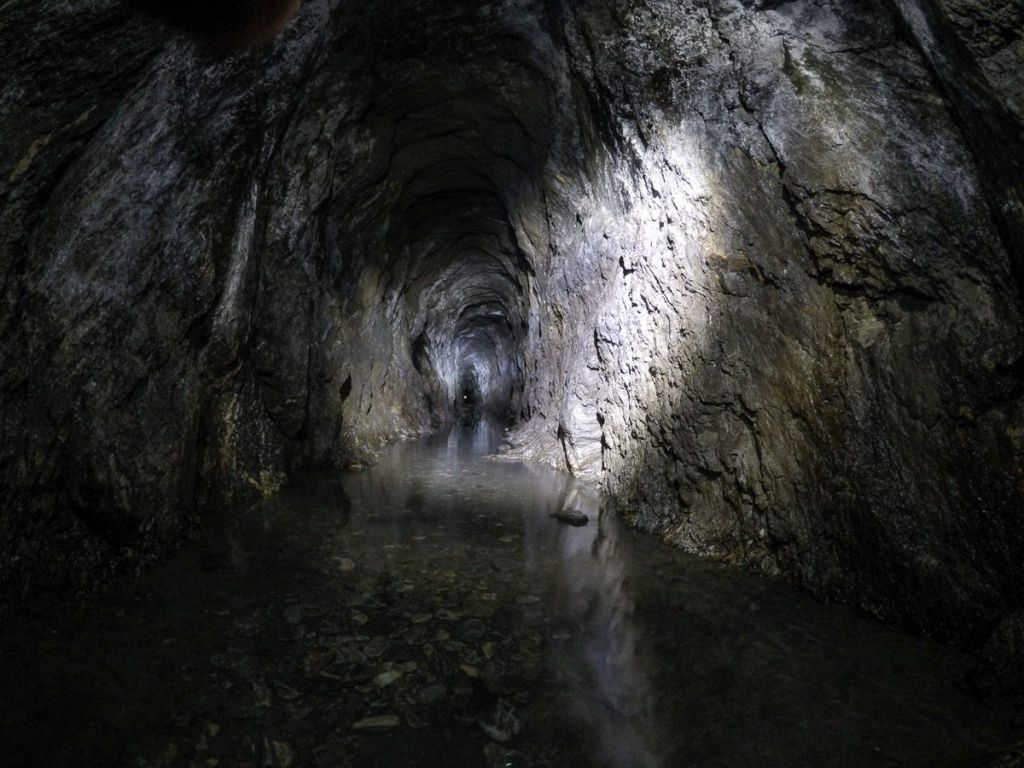
Franz Josef Tunnel is a 300 m pedestrian tunnel beneath Petrovaradin. The key reason to stop here is not a museum-style visit but the sense of moving through the infrastructure of the fortress hill itself. The editor note links it to the former Orient Express route, which gives the tunnel a rail-history layer as well as a fortress one. In practical terms, it works best as a short stop on a wider Petrovaradin walk rather than as a standalone destination.
Franz Josef Tunnel is a 300 m-long pedestrian tunnel under Petrovaradin. It sits within the broader fortress landscape above the Danube, where ramps, walls, passages and underground works shaped how people and goods moved through the hill. What it is most known for is its link to the former Orient Express route. The mood is practical rather than ceremonial: you are looking at a piece of transport and fortress infrastructure, not a decorated monument. If you want the wider setting first, start with Petrovaradin Fortress and then fold the tunnel into that walk.
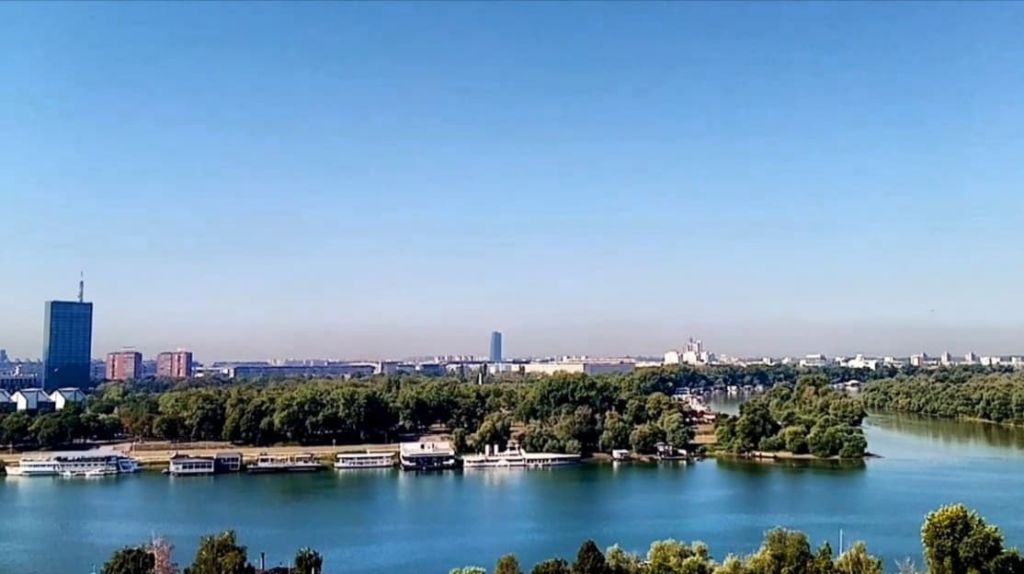
The defining speciality of Franz Josef Tunnel is its association with the former Orient Express route. That gives the site a different kind of interest from the more photographed fortress landmarks. Instead of coming for a single panorama or façade, you come to see a surviving passage that connects Petrovaradin to a larger story of rail travel across Central and Southeast Europe. That connection is what makes this tunnel distinct inside Novi Sad’s fortress area: it is not simply an underground corridor, but a remembered part of a route once tied to long-distance European movement. Travelers who want more underground context can pair it with UGRIP Tunnel Tours, while visitors focused on fortress history can continue to the Museum of the City of Novi Sad.
Daylight is the best time to visit Franz Josef Tunnel because it makes the surrounding fortress approaches easier to read and combine with other stops. Late morning or afternoon works well if you want to continue to viewpoints, museum spaces or lower-town streets without rushing. During large events at Petrovaradin, especially festival periods, access patterns, foot traffic and parking can feel different from an ordinary day. No reservation is typically needed for a simple walk-by stop, but anything guided or museum-based around the fortress should be checked separately.
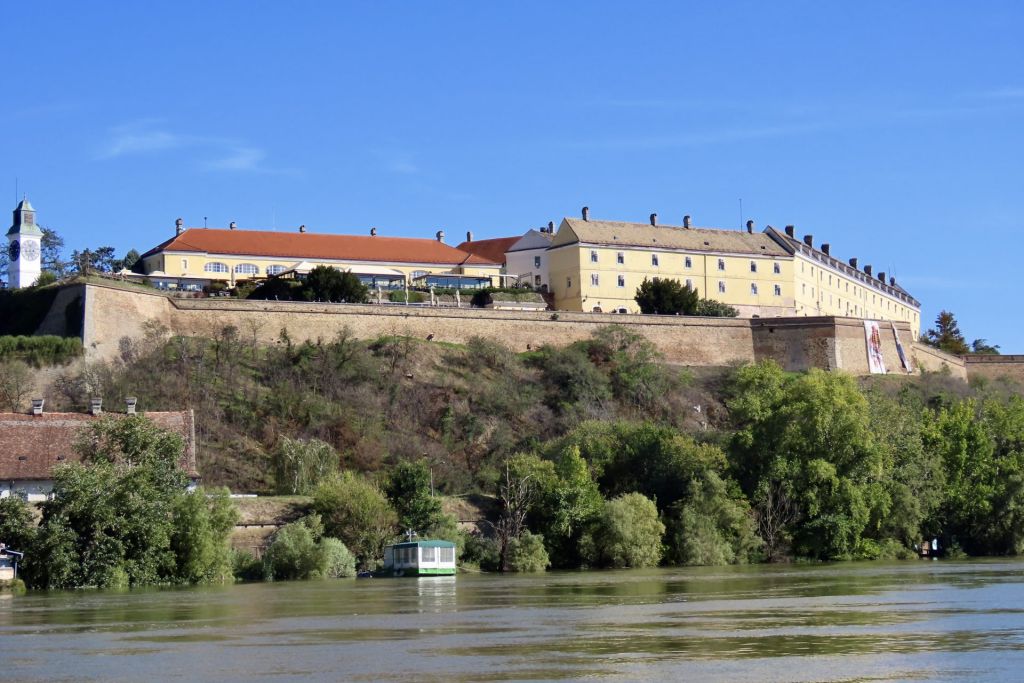
Expect a short, functional stop rather than a staged attraction. The appeal is historical context, physical passage through the hill, and its relationship to fortress circulation and rail memory. Wear normal walking shoes suitable for uneven old-fortress surfaces in the surrounding area. Families can include it easily because the stop itself is brief, though the wider Petrovaradin terrain involves slopes and walking. Accessibility depends less on the tunnel alone than on the approach route through the fortress area. Bring water in warm weather and keep your phone charged if you are navigating between multiple fortress points such as the Clock Tower and the lower approaches.
A useful order is: arrive in Petrovaradin, orient yourself in the fortress area, visit Franz Josef Tunnel, then continue to one or two higher-profile stops rather than trying to cover everything. If you want history, add the city museum. If you want views, add the Clock Tower. If you want the underground story developed further, choose a guided option through UGRIP. This keeps the tunnel in the role it suits best: a focused layer inside a larger Petrovaradin visit.
Approach it as part of a Petrovaradin walk. From the Clock Tower area, expect a downhill or cross-fortress walk through the fortress zone rather than a separate city-center detour. From central Novi Sad, most visitors first cross Varadin Bridge into Petrovaradin and continue uphill toward the fortress approaches.
City buses serving Petrovaradin and the fortress approaches commonly include lines such as 3, 9 and 9A in the wider Novi Sad network, but exact stop choice depends on your entry point and current routing. Taxi from central Novi Sad is short and usually simpler than driving. Parking near Petrovaradin can be limited during busy periods and events, so walking or taxi is often easier.
Use the map to orient yourself within the Petrovaradin Fortress area before choosing your walking approach.
These nearby Petrovaradin pages help turn a short tunnel stop into a fuller visit. Where current ticketing or opening hours are not confirmed in the source corpus, check the linked guide before you go.
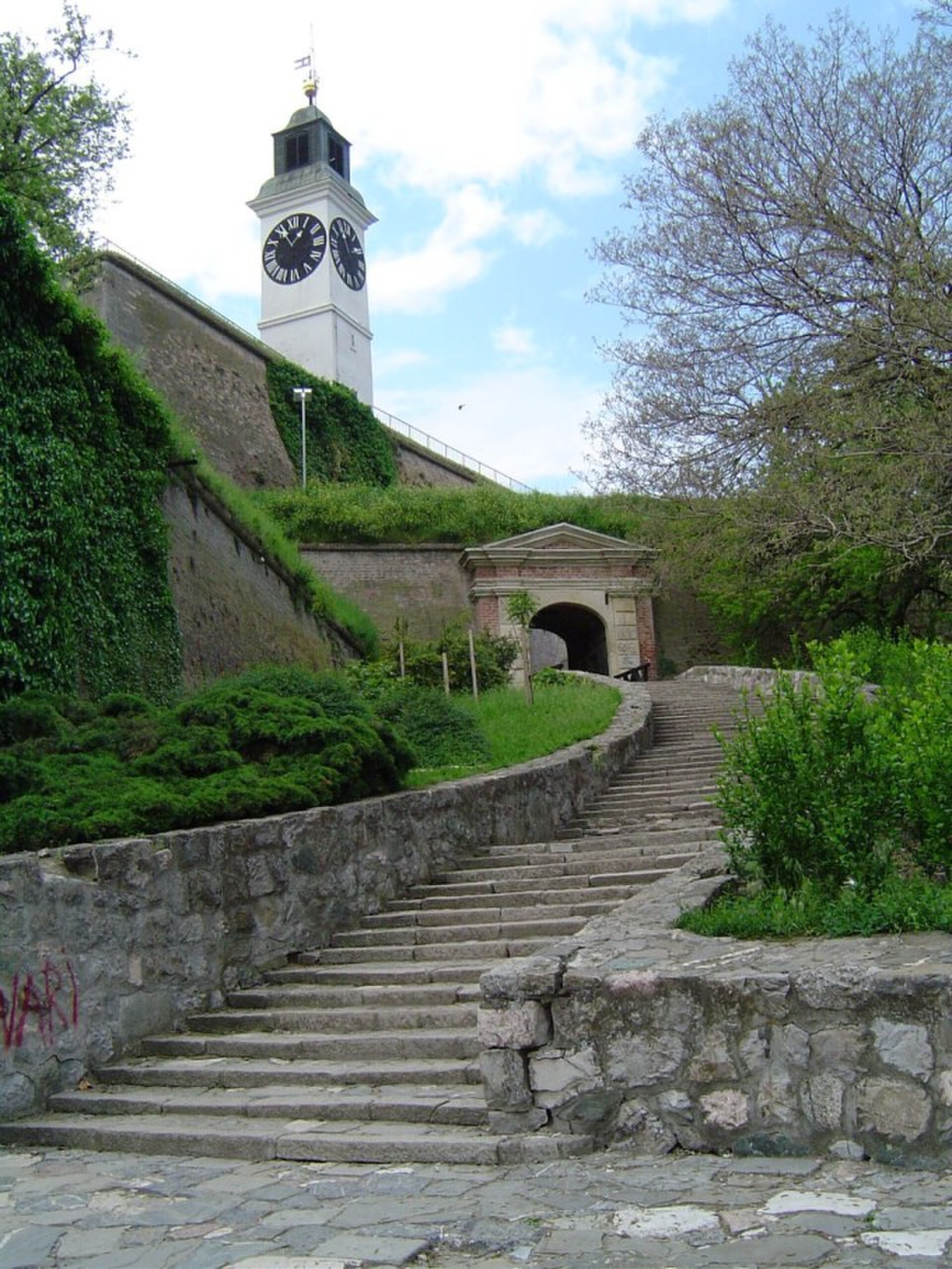
Clock Tower, Petrovaradin Fortress
The best-known landmark on the upper fortress, useful as an orientation point after the tunnel.
Pair the tunnel with the Clock Tower if you want one underground stop and one classic fortress viewpoint in the same walk.
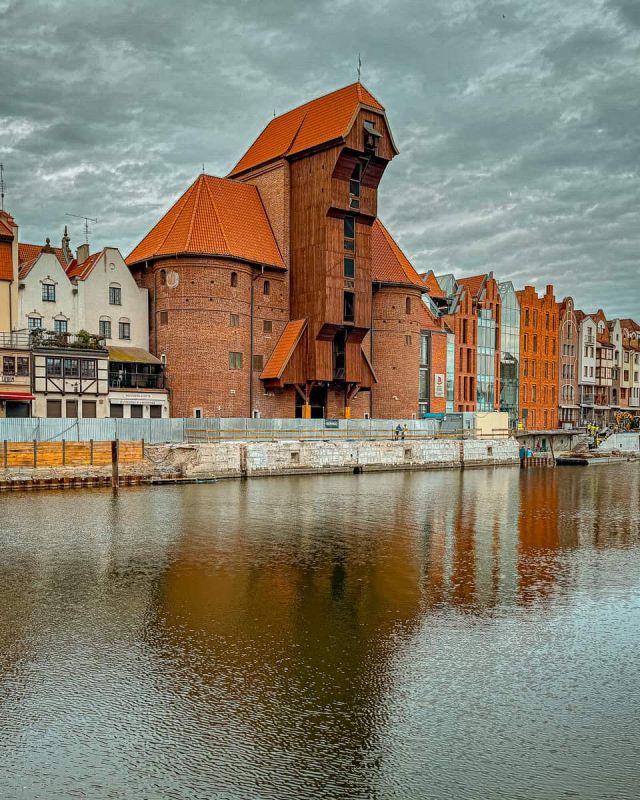
Museum of the City of Novi Sad, Petrovaradin Fortress
Arsenal buildings and city history inside the fortress complex.
Useful if you want the tunnel’s transport story followed by a more formal historical stop inside Petrovaradin.
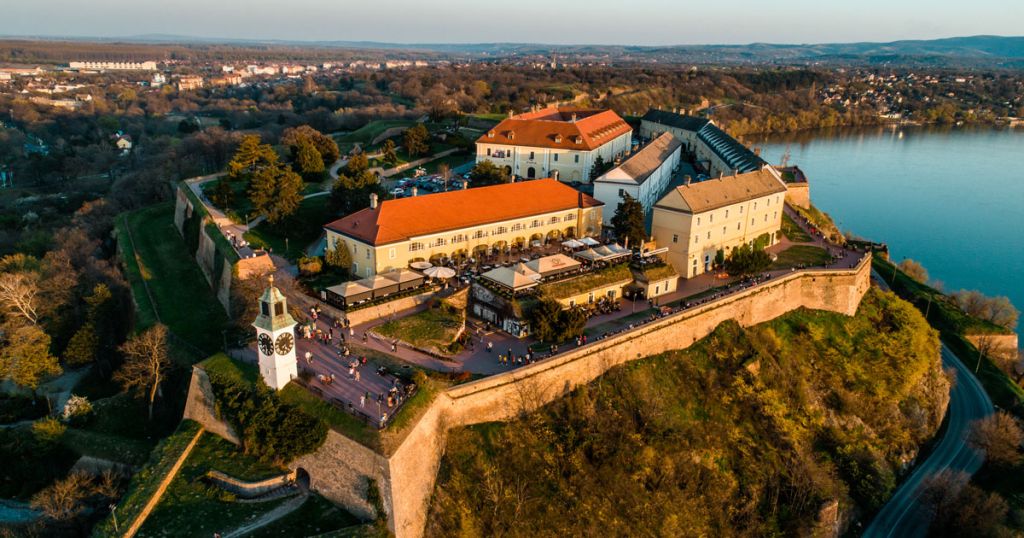
UGRIP Tunnel Tours, Petrovaradin Fortress
Guided access focused on the underground fortress tunnel system.
This is the clearest companion stop for visitors who reach Franz Josef Tunnel and want a deeper underground perspective rather than only a surface walk.
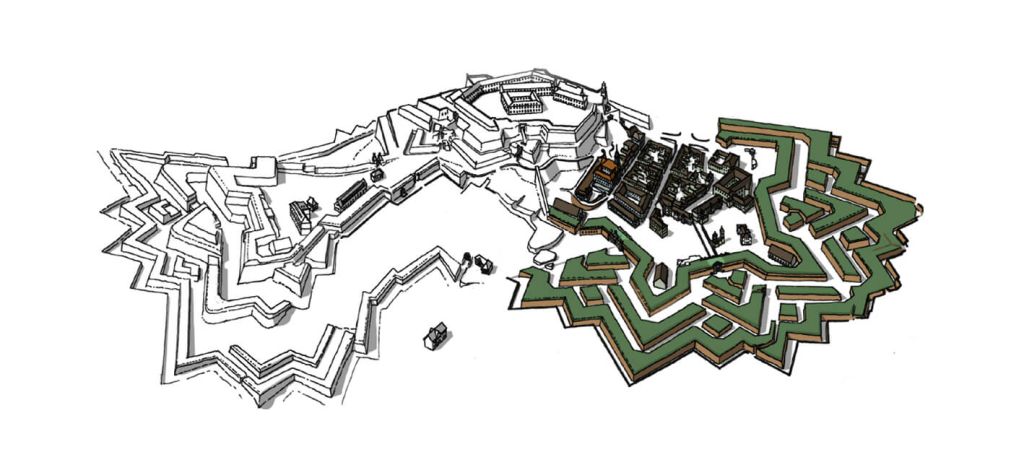
Saint George Church (Petrovaradin)
Lower Town church on the approach to the fortress.
A practical add-on if your route through the tunnel also includes the lower slopes and settlement below the fortress walls.
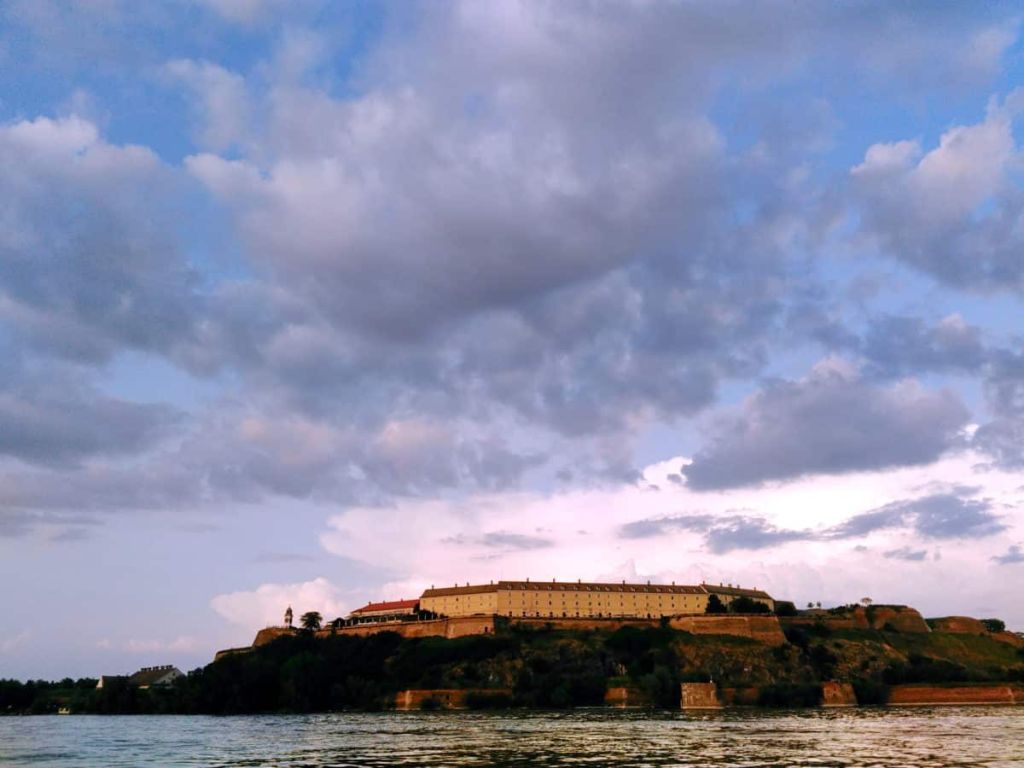
Atelier 61, Petrovaradin Fortress
Serbian tapestry art in the fortress area.
Choose this stop if you want to mix infrastructure and military history with a quieter art visit inside Petrovaradin.
Petrovaradin Fortress area, Petrovaradin, Novi Sad
Petrovaradin Fortress
300 m pedestrian tunnel linked to the former Orient Express route
Public walking stop; separate nearby museum or tour costs vary
Daylight, as part of a wider fortress walk
No for a basic visit; yes only for separate guided products if booked
The tunnel makes most sense if you are interested in how the fortress functioned as a system. Walls and viewpoints explain defense; the tunnel explains movement.
Most independent visitors will treat Franz Josef Tunnel as a 10 to 20 minute stop within a longer Petrovaradin walk.
If you are already in Novi Sad center, taxi saves time on the uphill approach. If you are building a longer day, use the tunnel within a fortress walk rather than treating it as a standalone outing.
If you are visiting during EXIT-related dates, build in extra time. The wider Petrovaradin area can operate very differently from a normal sightseeing day.
The main challenge is the broader fortress terrain: gradients, older paving and route-finding between levels. Visitors who need the simplest access should use taxi to the nearest practical approach and keep the walk focused.
It is a 300 m pedestrian tunnel beneath Petrovaradin, noted in the source material as part of the former Orient Express route.
It belongs to the wider Petrovaradin Fortress area and is best understood as part of a fortress visit rather than a separate city-center attraction.
Most travelers only need 10 to 20 minutes for the tunnel itself, then continue to other Petrovaradin stops.
The tunnel is best treated as a public walking stop. Ticketing applies only to separate museum or guided experiences nearby, not to the tunnel description in the source note.
Yes. The most relevant pairing is UGRIP Tunnel Tours if you want the fortress underground system explained in more depth.
Use the tunnel as one short, meaningful stop within a wider Novi Sad itinerary that includes the fortress, riverside views and one or two focused cultural visits.
Stay connected in Serbia