Petrovaradin Fortress, Petrovaradin, Novi Sad

Likovni Krug is the artists' area within Petrovaradin Fortress in Novi Sad. Its main significance is that the fortress is identified as the world's largest artists' colony, with more than 100 artists based there. For travelers, that means the visit is less about one formal attraction and more about walking through a historic fortress where art production is still present. The best approach is to combine the area with the Clock Tower, the City Museum and other fortress stops, while leaving room for browsing open ateliers if you find them.
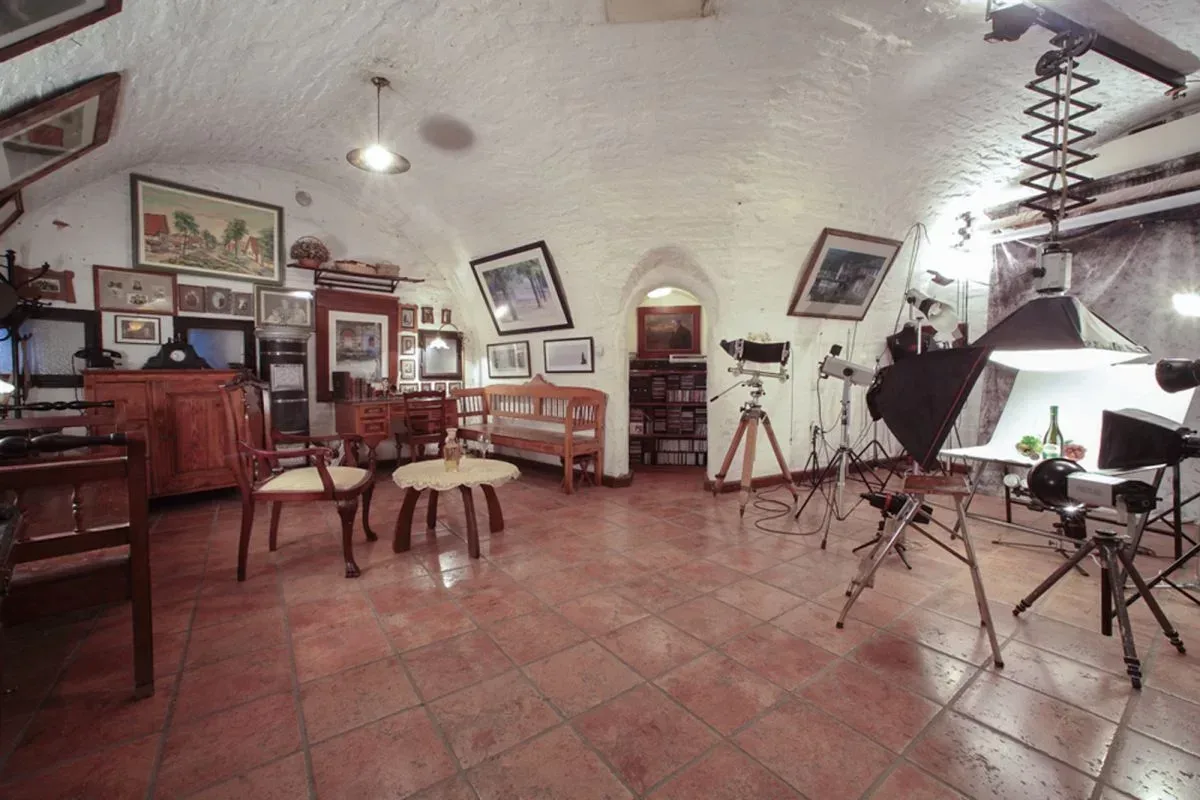
Likovni Krug is the art quarter inside Petrovaradin Fortress in Novi Sad. Rather than a single museum room or one gallery hall, it is a working cluster of studios and creative spaces spread through the fortress fabric. The key fact attached to it is scale: the fortress is described as the world's largest artists' colony, with more than 100 artists based here. That gives the area a different feel from the fortress viewpoints alone. Between stone passages, courtyards and atelier doors, the atmosphere is quiet, local and workshop-oriented, and it adds a lived-in cultural layer to Petrovaradin Fortress.
The defining speciality of Likovni Krug is not a single masterpiece on a wall but the density of active artistic work inside a military fortress. Petrovaradin's old rooms, passages and adapted interiors give painters, printmakers, sculptors and textile artists a setting that feels more like a working quarter than a formal cultural complex. For visitors, that matters because the experience is about moving through the fortress with art as part of daily life: one door may open onto a studio, another onto a small exhibition space, another onto a craft-focused workshop. If you want one confirmed stop with a strong art identity, Atelier 61 is the clearest named example within the fortress art scene.
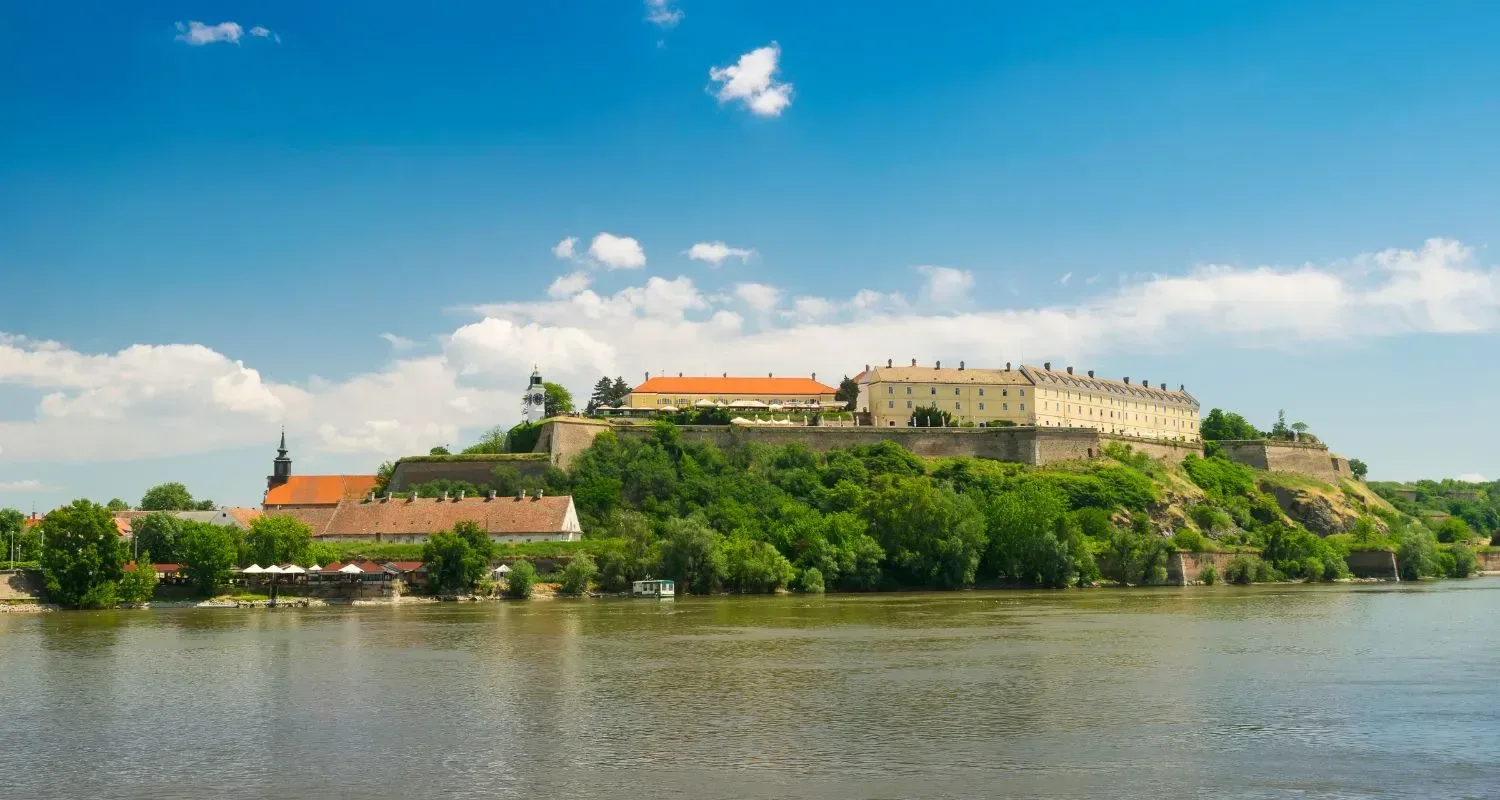
Likovni Krug sits within Petrovaradin Fortress on the right bank of the Danube, across the river from central Novi Sad. From the foot of Varadin Bridge on the Petrovaradin side, allow around 10 to 15 minutes uphill on foot depending on your route and pace. From the Clock Tower area, most of the art quarter is reached in a short walk of a few minutes through the upper fortress lanes. City bus line 3 is the most practical public-transport reference for Petrovaradin; get off at a stop serving the fortress approach and continue uphill. From central Novi Sad, a taxi is usually a short ride. If you are already visiting the Museum of the City of Novi Sad or the Clock Tower, Likovni Krug fits naturally into the same walking circuit. Parking exists around the fortress approaches, but spaces are limited on busy afternoons and during events.
Late morning to early evening is the most practical window because you can combine daylight fortress views with a chance that some studios are active. Weekdays tend to feel calmer. In the warmer months, the walk is easier earlier in the day or later in the afternoon rather than at peak heat.
Expect a fortress environment first and an art quarter second: lanes, walls, adapted rooms and occasional open studio doors rather than a single reception desk. Accessibility is partial because slopes and uneven surfaces are part of the setting. Dress is casual. Families can visit, but strollers may be awkward on some sections. Bring water in warm weather and treat studios as working spaces, not only photo backdrops.
Likovni Krug is inside Petrovaradin Fortress above the Petrovaradin side of the Danube.
These are the most practical named stops to combine with a Likovni Krug walk inside and around Petrovaradin Fortress.

Likovni Krug
The artists' quarter within the fortress.
The core reason to come here is the concentration of working artists in Petrovaradin Fortress. Walk the upper fortress lanes and look for open studio doors and small display spaces.
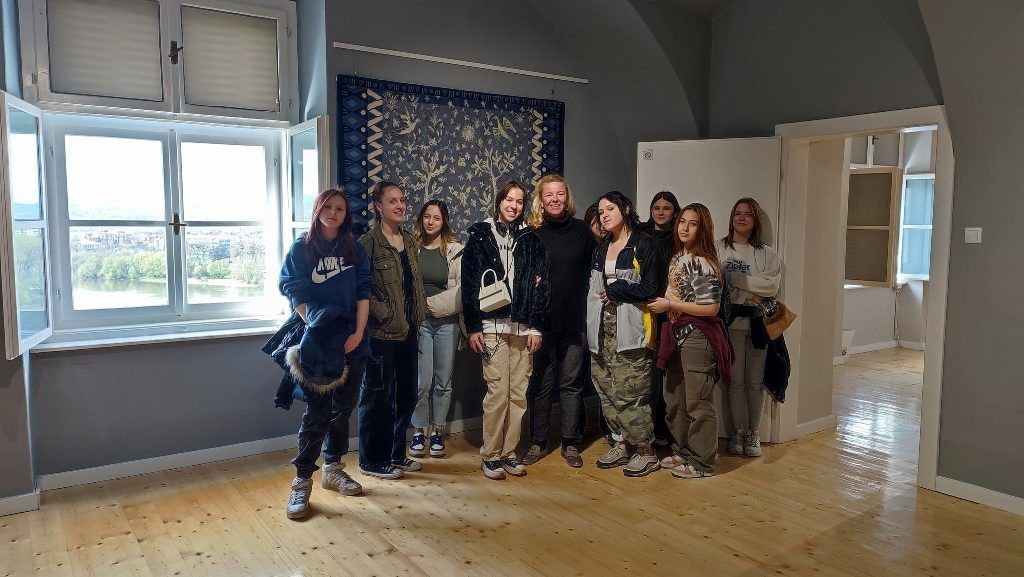
Atelier 61
Known fortress art stop focused on Serbian tapestry art.
Atelier 61 is the most clearly identified art venue linked to the fortress, useful if you want a named cultural stop rather than relying only on open studios.
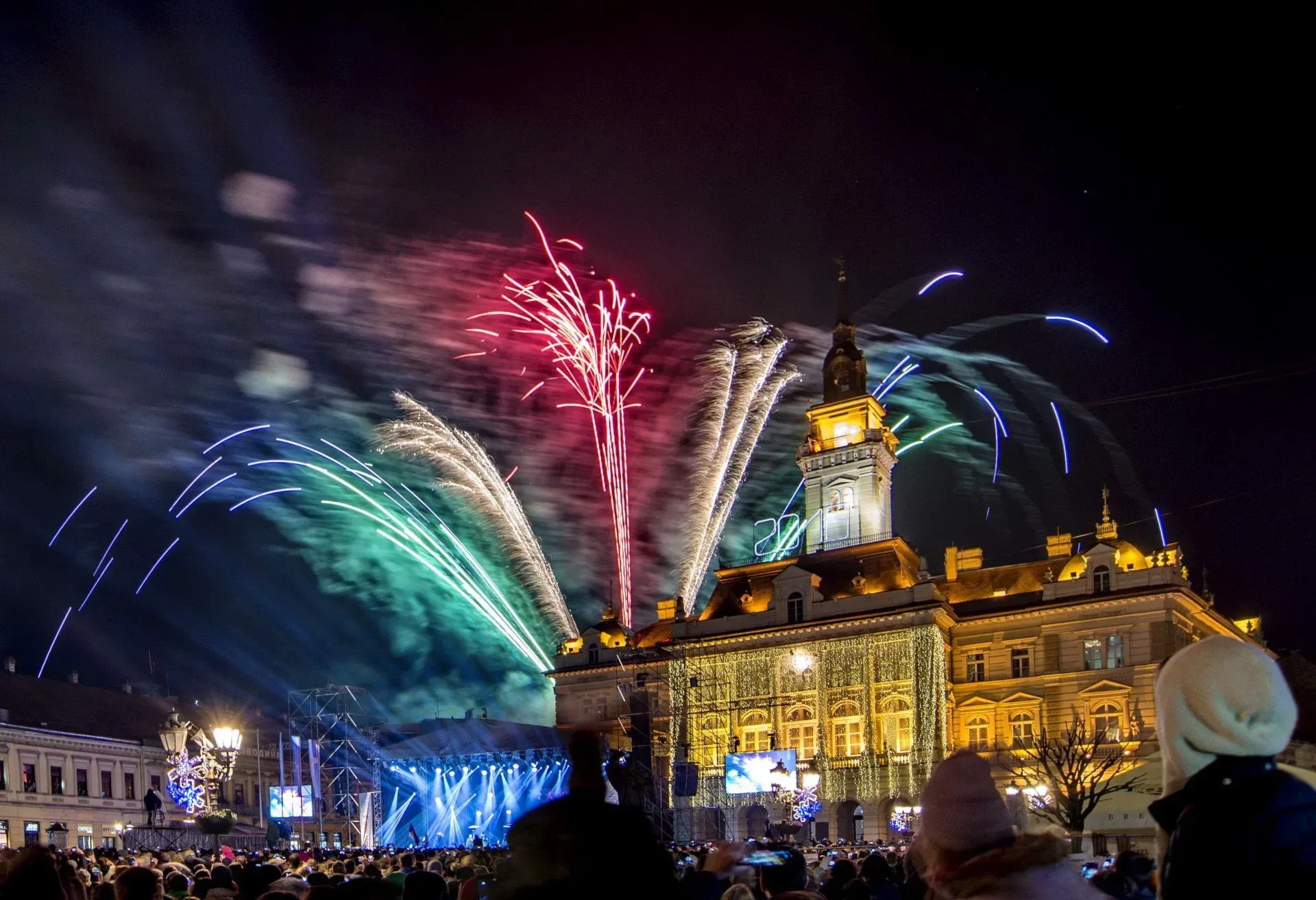
Museum of the City of Novi Sad
City history museum in the fortress complex.
A good counterpoint to Likovni Krug because it explains the fortress setting, Arsenal buildings and the wider urban story of Novi Sad.
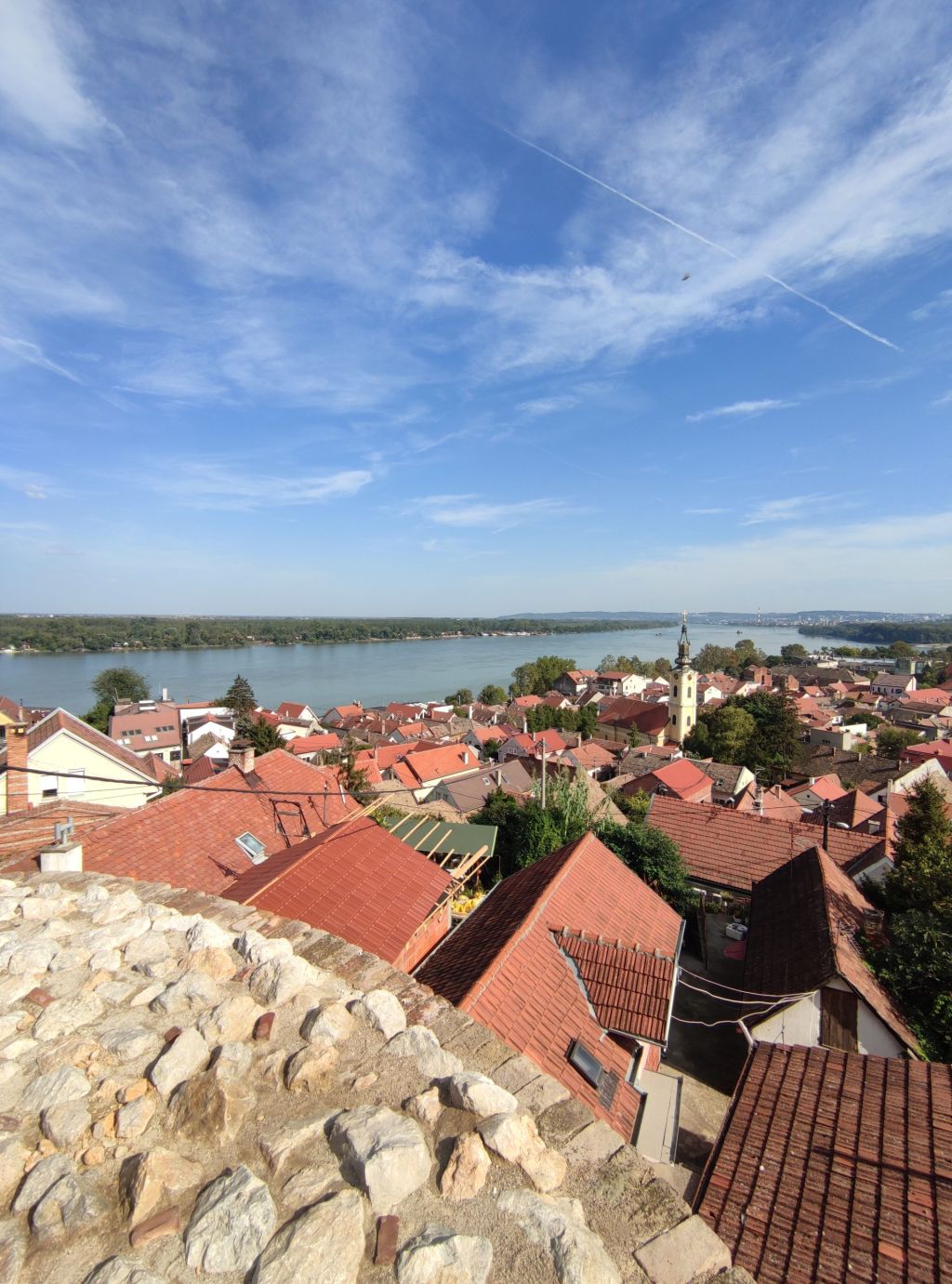
Clock Tower
The fortress landmark most visitors use for orientation.
The Clock Tower is the easiest reference point when navigating the upper fortress. It is a useful meeting point before continuing toward atelier areas and other cultural stops.
Petrovaradin Fortress, Petrovaradin, Novi Sad
Clock Tower, Petrovaradin Fortress
Artists' studios and creative spaces inside the fortress
Varies by studio or venue
Late morning to early evening in daylight
No for the area itself; venue-specific rules may apply
Approach Likovni Krug as a walking area rather than a single ticketed attraction. Studio access can depend on whether artists are present, so the most reliable plan is to combine the area with fortress landmarks and allow time to browse if doors are open.
The fortress approach includes inclines, stone surfaces and sections without much shade. Flat shoes with grip are a better choice than sandals with smooth soles.
Many fortress sites are visited for views or military history. Likovni Krug adds an everyday creative function to the same setting, which is why it rewards slower walking and attention to small side passages.
If you have half a day, start in fortress lanes and then return across the river for central-city stops such as Zmaj Jovina or Danube Park.
No. It is better understood as an art quarter within Petrovaradin Fortress, with studios and creative spaces rather than one standard museum-style attraction.
It is associated with the fortress being described as the world's largest artists' colony, with more than 100 artists based there.
Around 45 to 90 minutes works for a general walk, but art-focused visitors may stay longer if studios are open and they combine the area with other fortress stops.
Yes. It fits naturally with the Clock Tower, the Museum of the City of Novi Sad and a broader upper-fortress walk.
Only partly. Some sections involve inclines, stone paving and uneven surfaces, so visitors with mobility concerns should expect limitations.
Use Likovni Krug as part of a wider Novi Sad walk that combines fortress history, Danube views and studio culture.
Stay connected in Serbia