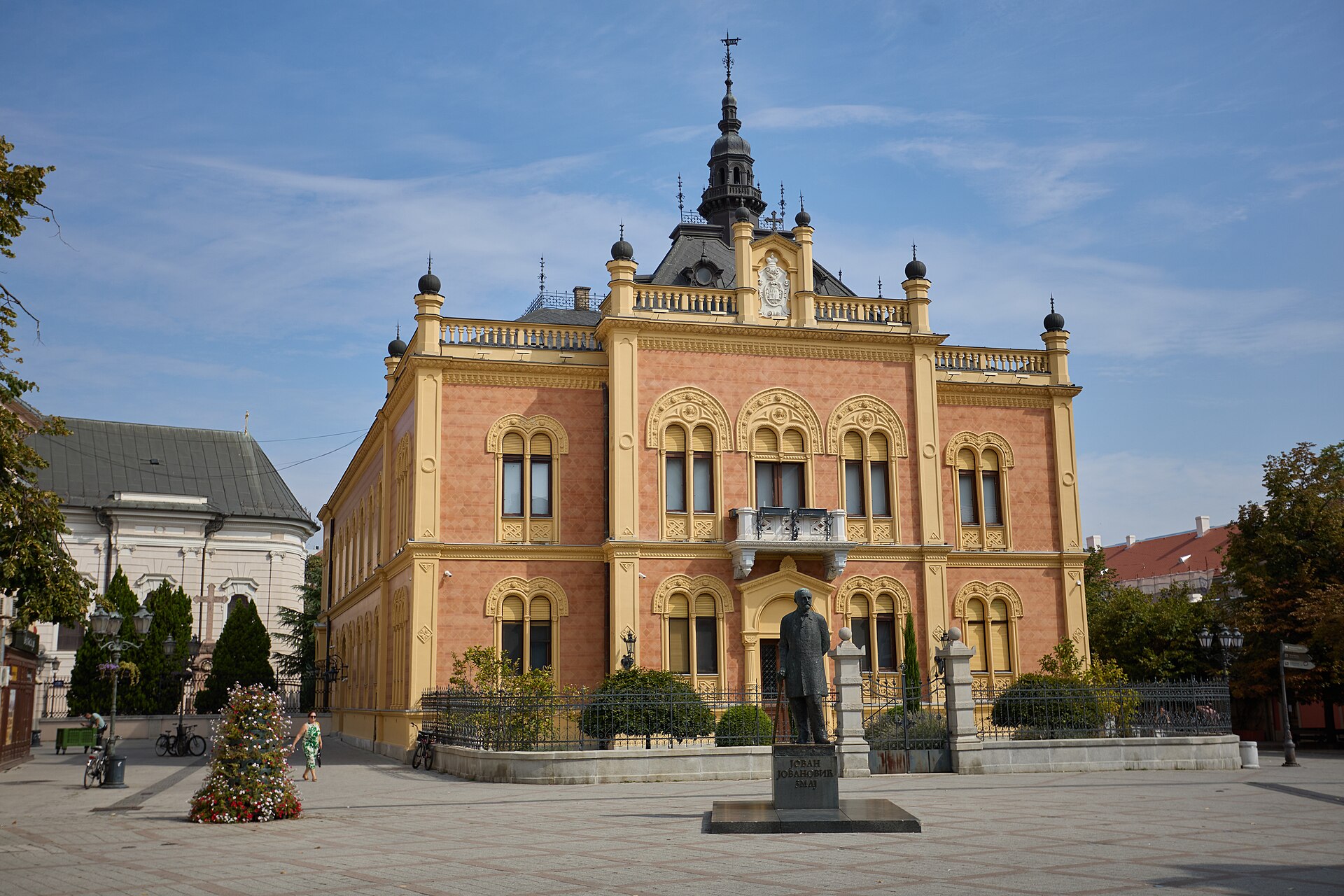
Historic center of Novi Sad, near Zmaj Jovina and Liberty Square

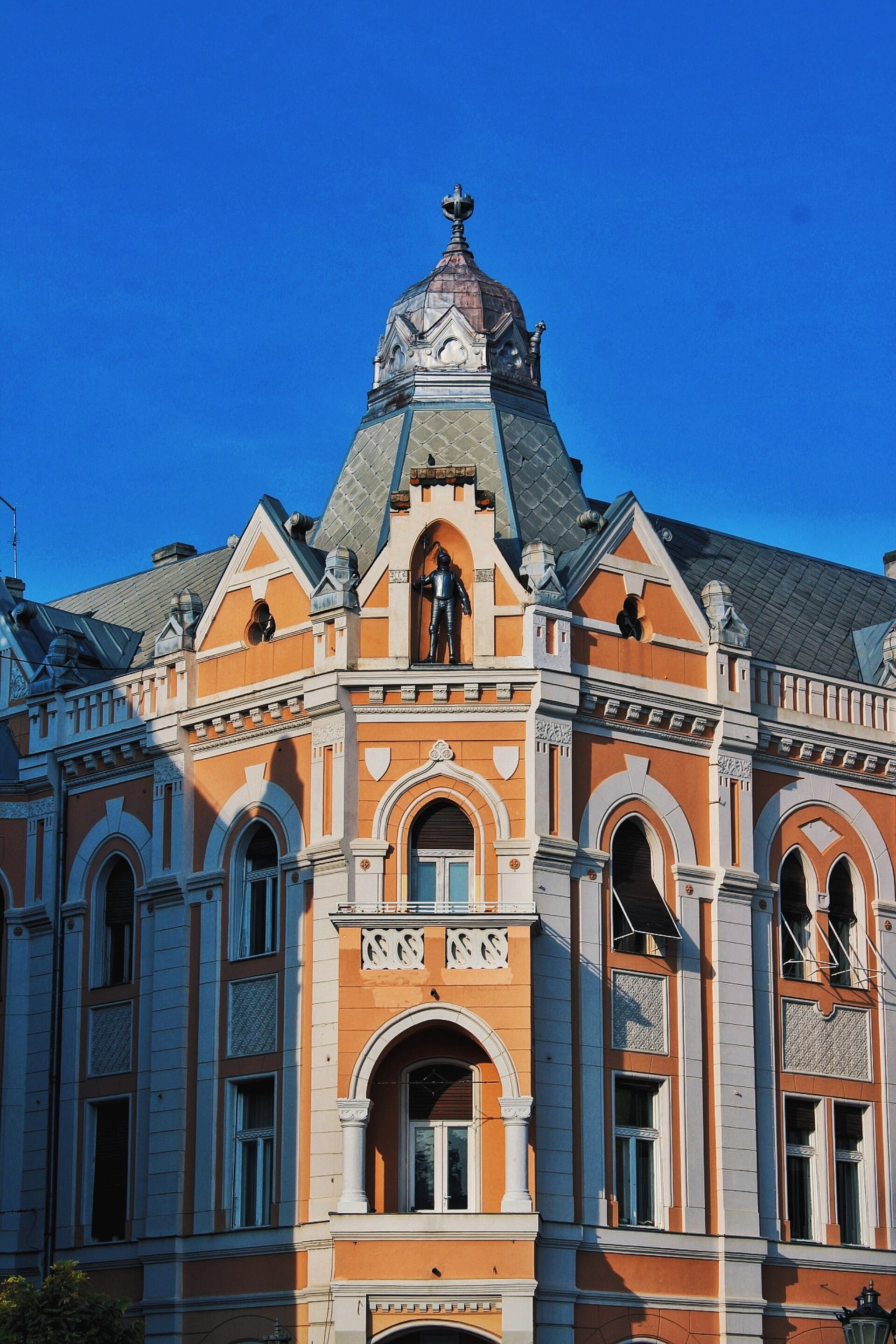
Bishop’s Palace is a central Novi Sad landmark best understood as the diocesan residence of the Bačka Diocese and as an architectural counterpoint to the better-known civic and Catholic buildings around the old center. For most travelers, it is a worthwhile exterior stop during a walk through Zmaj Jovina and Liberty Square rather than a destination requiring separate planning.
The Bishop’s Palace stands in the historic core of Novi Sad, close to the city’s main pedestrian streets and the central square sequence that most visitors walk first. It serves as the seat of the bishop of the Bačka Diocese and is noted for a Byzantine-Eastern architectural mix rather than the civic styles seen elsewhere in the center. In practical terms, it is a stop for exterior viewing and urban context rather than a long standalone visit. The mood around it is formal, quiet, and tied to church life, especially when combined with Zmaj Jovina and the square-facing landmarks nearby.
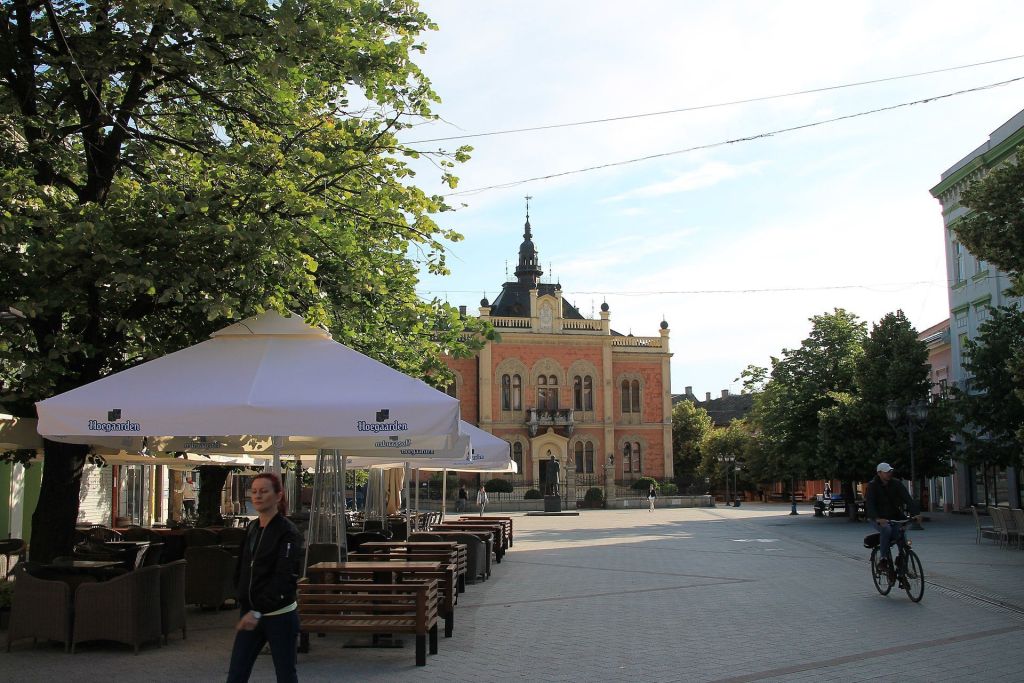
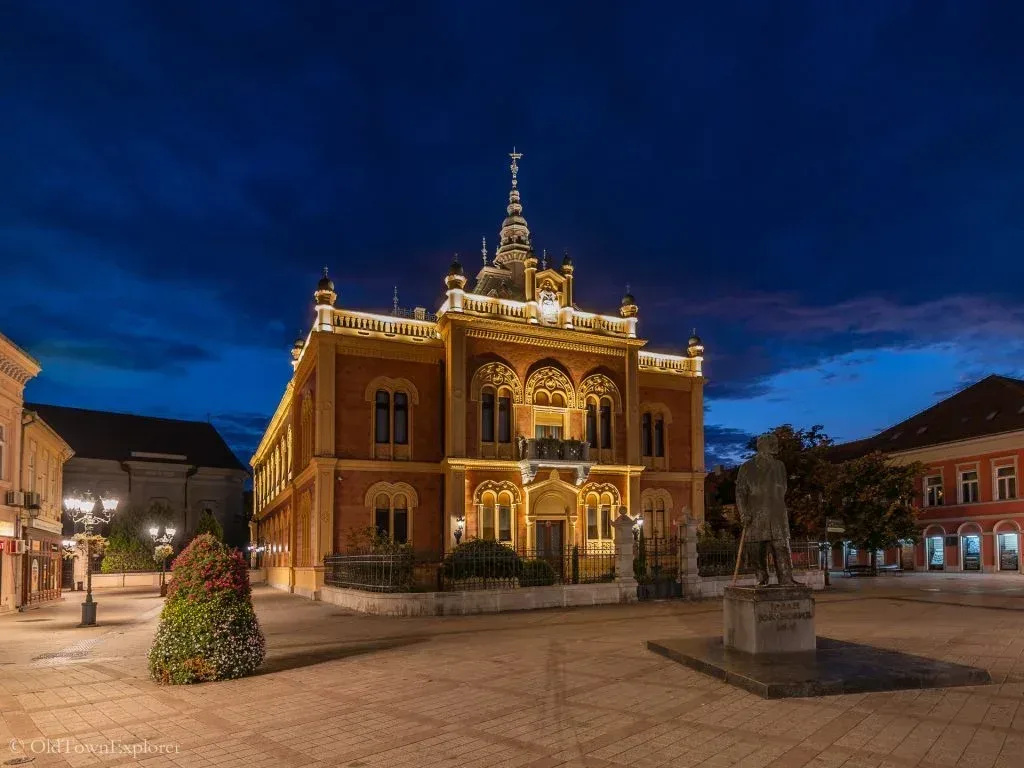
The main reason to pause at Bishop’s Palace is its architectural character. In the center of Novi Sad, many visitors first notice Austro-Hungarian, neo-Gothic, secessionist, and civic façades. The palace adds a different note: a residence tied to Orthodox church authority, expressed through a Byzantine-Eastern visual language. That matters because it makes the building part of a broader religious and urban composition rather than just another elegant frontage.
Look for the contrast between the palace and the open civic setting around Liberty Square. From nearby viewpoints, especially when you also notice the vertical pull of the Name of Mary Church, the palace helps explain how different confessional and political histories meet in central Novi Sad.
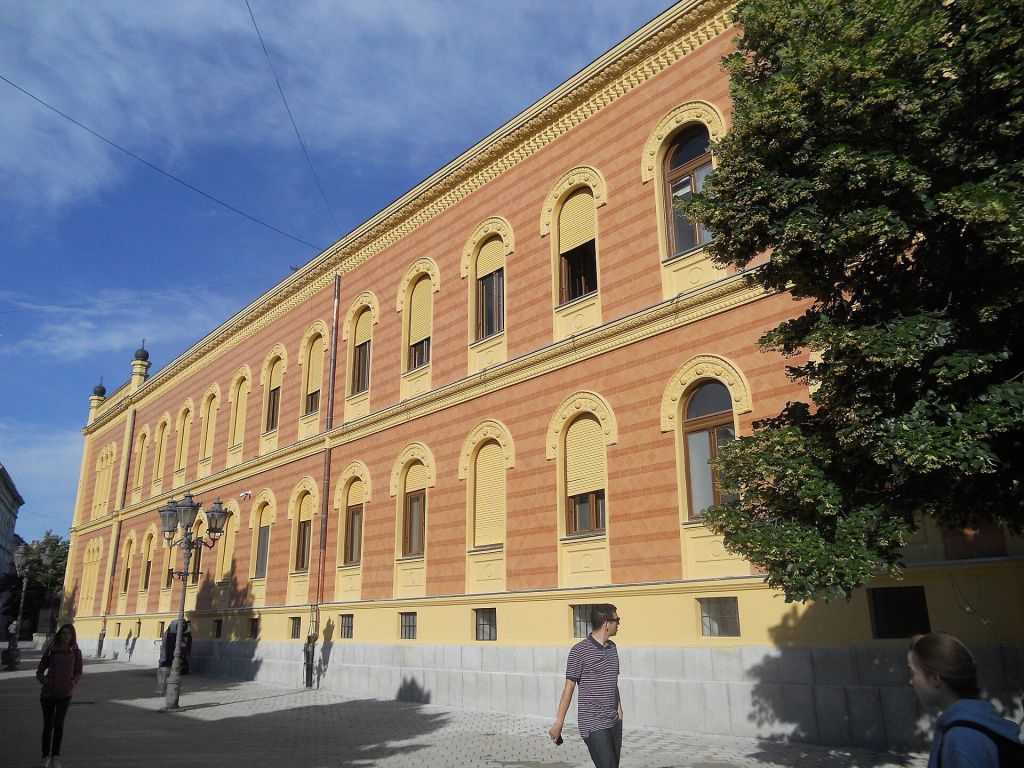
On foot, the easiest approach is from Liberty Square: walk into the adjoining old-center streets and expect only a few minutes of walking in the pedestrian zone. From the White Lion area on Zmaj Jovina, the palace is also a short walk through the same central block structure.
By public transport, use city buses serving the central zone around the old town and get off at one of the center stops used for Liberty Square access. Common central lines include 3, 4, 7, 8, 11A, and 11B; from there, continue on foot into the pedestrian core. A taxi from the railway or bus station to the center is usually a short urban ride, with the final approach done on foot because the immediate old-center area is pedestrianized. If you drive, use a public garage or marked city-center parking outside the pedestrian streets rather than trying to reach the palace frontage directly.
The best time to look at Bishop’s Palace is during a daytime city-center walk, when architectural details and the surrounding street pattern are easiest to read. Weekday mornings and late mornings tend to be calmer than weekend afternoons, when the pedestrian core gets busier. Because most travelers visit it as an exterior stop, you do not need a reservation.
Allow 10 to 20 minutes if you are simply viewing and photographing the building from outside, or longer if you are pairing it with Liberty Square, nearby churches, and the pedestrian streets. Winter visits work well for short walks; summer is easiest earlier in the day before the center feels crowded and hot.
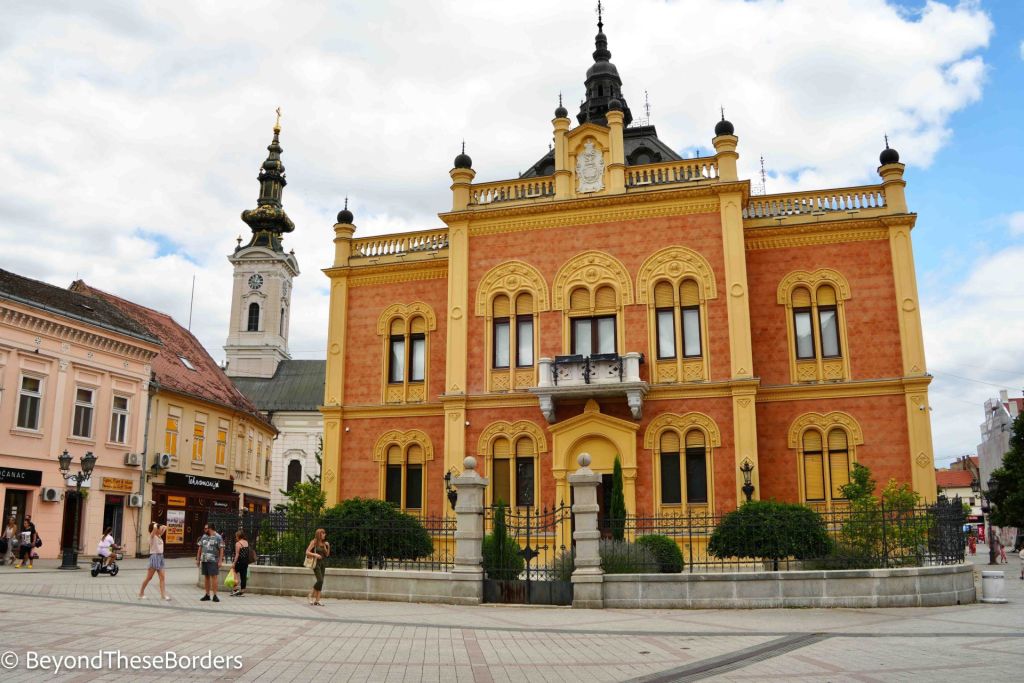
Expect a short, quiet stop rather than an interactive attraction. The main experience is visual: façade study, comparison with nearby churches and civic buildings, and a better understanding of the religious layer within central Novi Sad. Dress is normal for city walking if you remain outside, but use respectful behavior and modesty if you are near active church settings or any religious event.
The surrounding area is flat and central, so access on foot is straightforward, though paving in the old core can be uneven in places. Families can include it easily because the visit is brief. Bring water in warm months, and bring a camera or phone with a moderate wide-angle lens if architecture is your reason for stopping. If you want long museum-style interpretation, pair the stop with another institution elsewhere in Novi Sad.
Tell us where you want to go and how you travel. We reply within two working days with a tailored plan.
Notice how the palace differs from nearby civic buildings: it feels more ecclesiastical, more inward, and more connected to diocesan authority than to commerce or administration.
The palace makes most sense as part of a short central circuit that also includes pedestrian streets, church façades, and the ceremonial space of the main square. If you want the broader city frame, continue with the Novi Sad Travel Guide.
Use the map to place the palace within Novi Sad’s pedestrian center near Liberty Square and Zmaj Jovina.
These nearby stops help place the Bishop’s Palace in the center-city setting most visitors experience on foot.
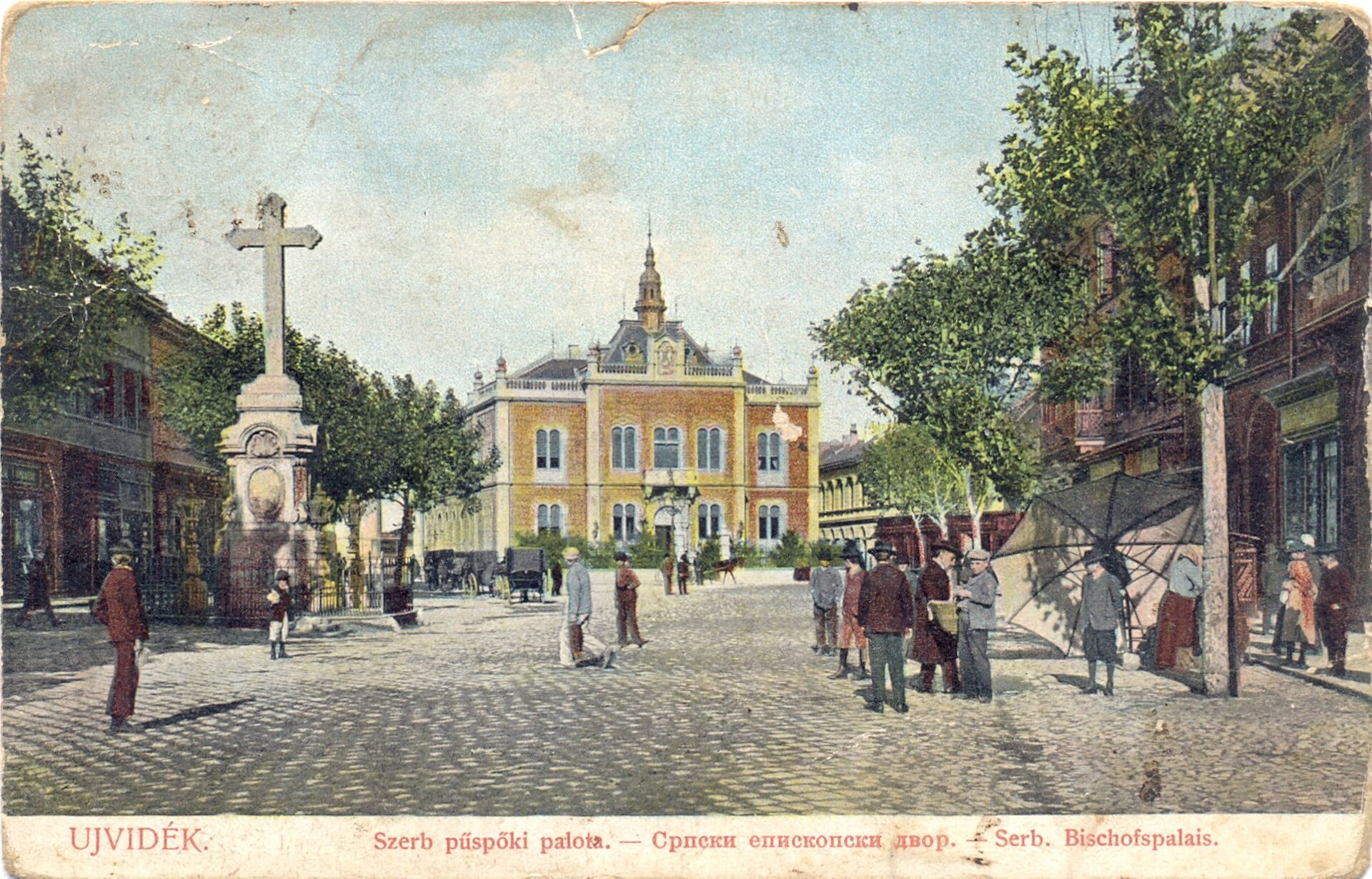
Bishop’s Palace
Diocesan residence with a Byzantine-Eastern architectural character.
Best approached as an exterior architectural stop in Novi Sad’s old center.
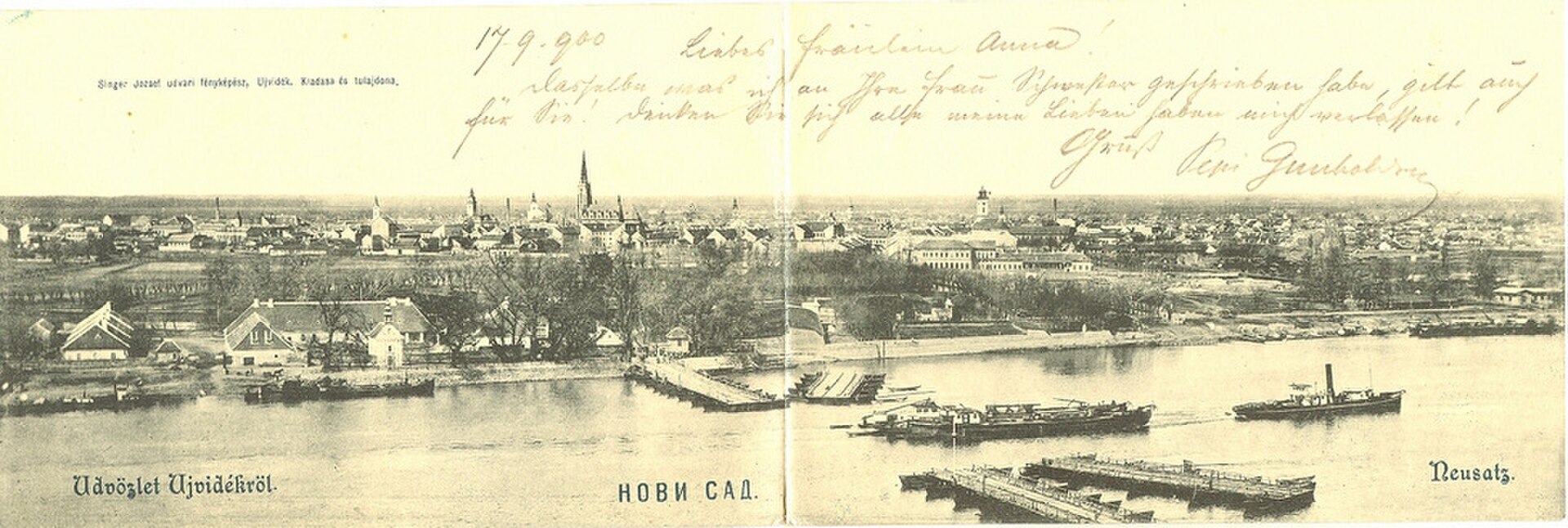
Name of Mary Church
Neo-Gothic church spire anchoring the square nearby.
Useful visual counterpoint to the Bishop’s Palace when reading the city’s religious architecture.
Liberty Square
Central square that frames several key civic and religious buildings.
A short walk away and the best place to understand how the Bishop’s Palace fits into the wider center.
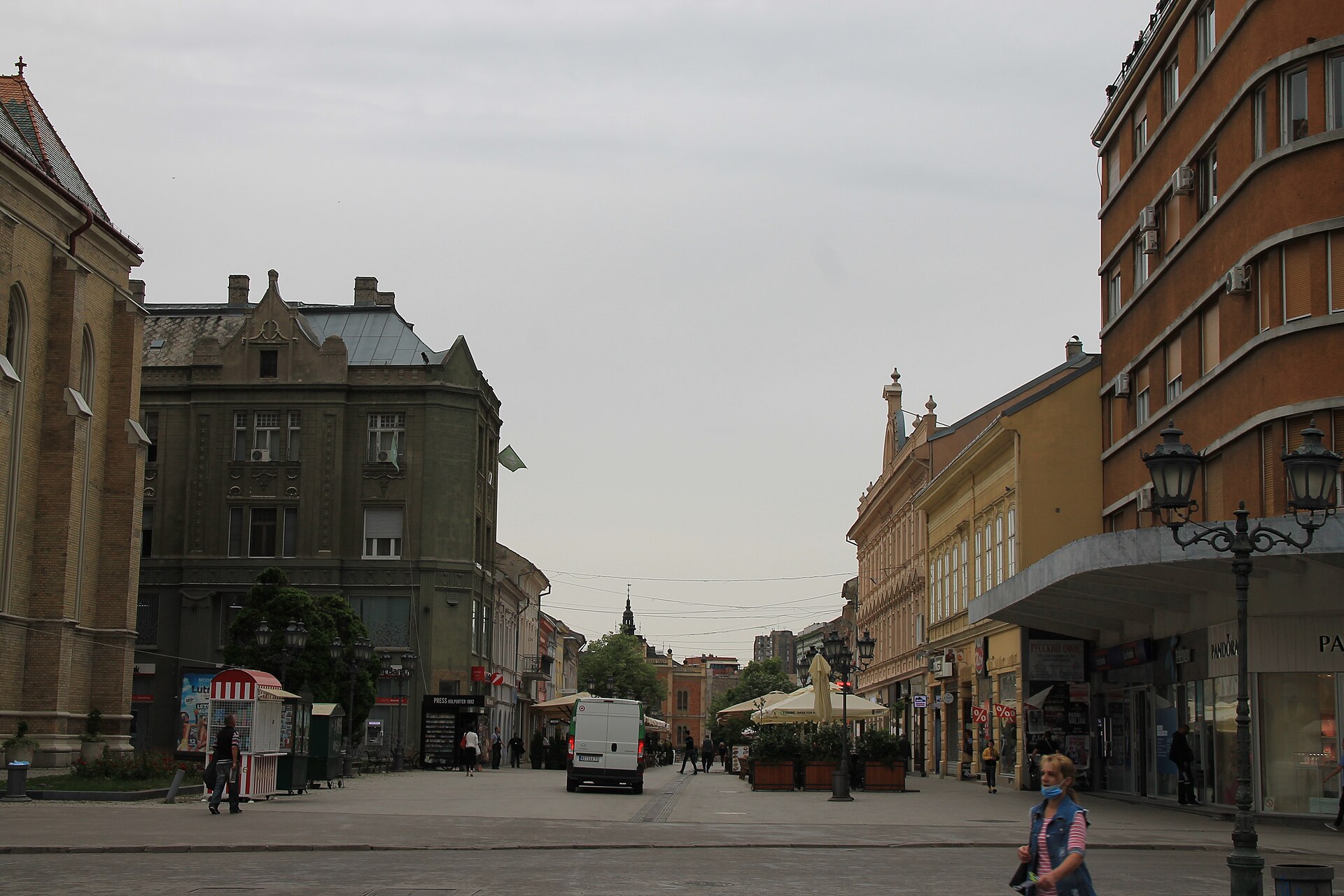
Zmaj Jovina
Main pedestrian street linking the old center’s busiest walking route.
The most practical approach corridor for first-time visitors coming on foot toward the palace area.
Historic center of Novi Sad, near Zmaj Jovina and Liberty Square
Liberty Square
Byzantine-Eastern ecclesiastical architecture
Free to view from public space
Daytime city-center walk, especially weekday mornings
No for exterior viewing
Plan it as a short stop while moving between Zmaj Jovina and Liberty Square. The palace reads best from public space, where you can compare its church-linked design language with the civic façades nearby.
The palace is easier to appreciate from a slight angle than straight on. Late morning and early afternoon usually give the cleanest façade reading in the city center, depending on cloud cover and surrounding foot traffic.
Treat Bishop’s Palace primarily as an exterior landmark unless you have a confirmed reason for entry. As a diocesan seat, access can depend on church or administrative use.
If you are arriving from another city, start with Belgrade to Novi Sad: Train, Bus and Car Travel Guide for station-to-center planning, then walk the last part through the old town.
Keep voices low if there is church activity nearby, avoid blocking entrances for photos, and remember that the building has a living religious function, not only a heritage one.
Combine Bishop’s Palace with the pedestrian core, Liberty Square, and one or two museums or churches for a compact half-day in the center.
Stay connected in Serbia