
Sahat-Uhrenturm at a glance
Sahat-Uhrenturm is the Ottoman clock tower of Kalemegdan Fortress, built in 1789 and set within the fortress complex in central Belgrade. Visitors usually stop here during a Kalemegdan walk, pairing the tower with Pobednik, the park paths, and the fortress walls. The visit is best treated as part of a broader fortress loop rather than as a standalone attraction.
Sahat-Uhrenturm
Sahat-Uhrenturm is the Ottoman clock tower standing within Kalemegdan Fortress in Belgrade. It dates from 1789 and sits in the historic fortress grounds rather than in a separate museum building. The tower is most known as a surviving timekeeper from the Ottoman period, which makes it a clear marker of the fortress’s layered history. The atmosphere around it is calm and walkable, with visitors usually stopping for a short look before continuing along the walls and park paths.
The Sahat-Uhrenturm speciality
The speciality here is the fortress clock tower itself: an Ottoman-era structure that has remained part of Kalemegdan’s visual identity since 1789. What makes it specific to Belgrade is its setting inside one of the city’s most important historic complexes, where military walls, park paths, and river views sit beside a rare surviving clock tower. This is not a place for a long indoor visit or a ticketed exhibit. It is a short, concrete stop for anyone who wants to understand how Kalemegdan layers Ottoman, Habsburg, and modern Belgrade history into one walk. If you are already exploring Kalemegdan Fortress, the tower is one of the clearest reference points on the route.
How to get to Sahat-Uhrenturm
Start from Knez Mihailova or Republic Square and walk toward Kalemegdan Fortress; the fortress entrance and upper paths are usually a 10 to 20 minute walk depending on where you begin. From the city center, local transport commonly uses bus lines 24, 26, 37, 44, 58, and 95 toward stops near Kalemegdan or Zeleni Venac, then continues on foot. Taxi fares from the central area are usually short and metered rather than fixed. If you drive, parking around the fortress is limited, so walking from the center is usually easier than searching for a space near the walls.
Best time to visit Sahat-Uhrenturm
Morning and late afternoon are the easiest times for a calm visit, because the fortress paths are less crowded than mid-day. Weekdays are generally quieter than weekends, especially when the weather is good. Spring and autumn work well for combining the tower with a longer Kalemegdan walk. No reservation is needed for a simple outdoor stop, but it helps to plan extra time if you are pairing it with the Military Museum or a longer fortress route.
What to expect at Sahat-Uhrenturm
This is an outdoor heritage stop, so expect uneven ground, stone paths, and open-air conditions rather than a polished visitor center. Dress is casual and practical; comfortable shoes matter more than anything else. The site is accessible only as well as the fortress paths allow, which can be uneven for strollers or wheelchairs in some areas. It is quiet enough for families, but children usually spend only a few minutes here unless you continue through the park. Bring water in warm months and a camera if you want a simple fortress detail shot.
Where Sahat-Uhrenturm is
Kalemegdan Fortress, Belgrade, Serbia.
Best landmarks around Sahat-Uhrenturm in Kalemegdan
These are the most useful stops to combine with the clock tower during a Kalemegdan walk.
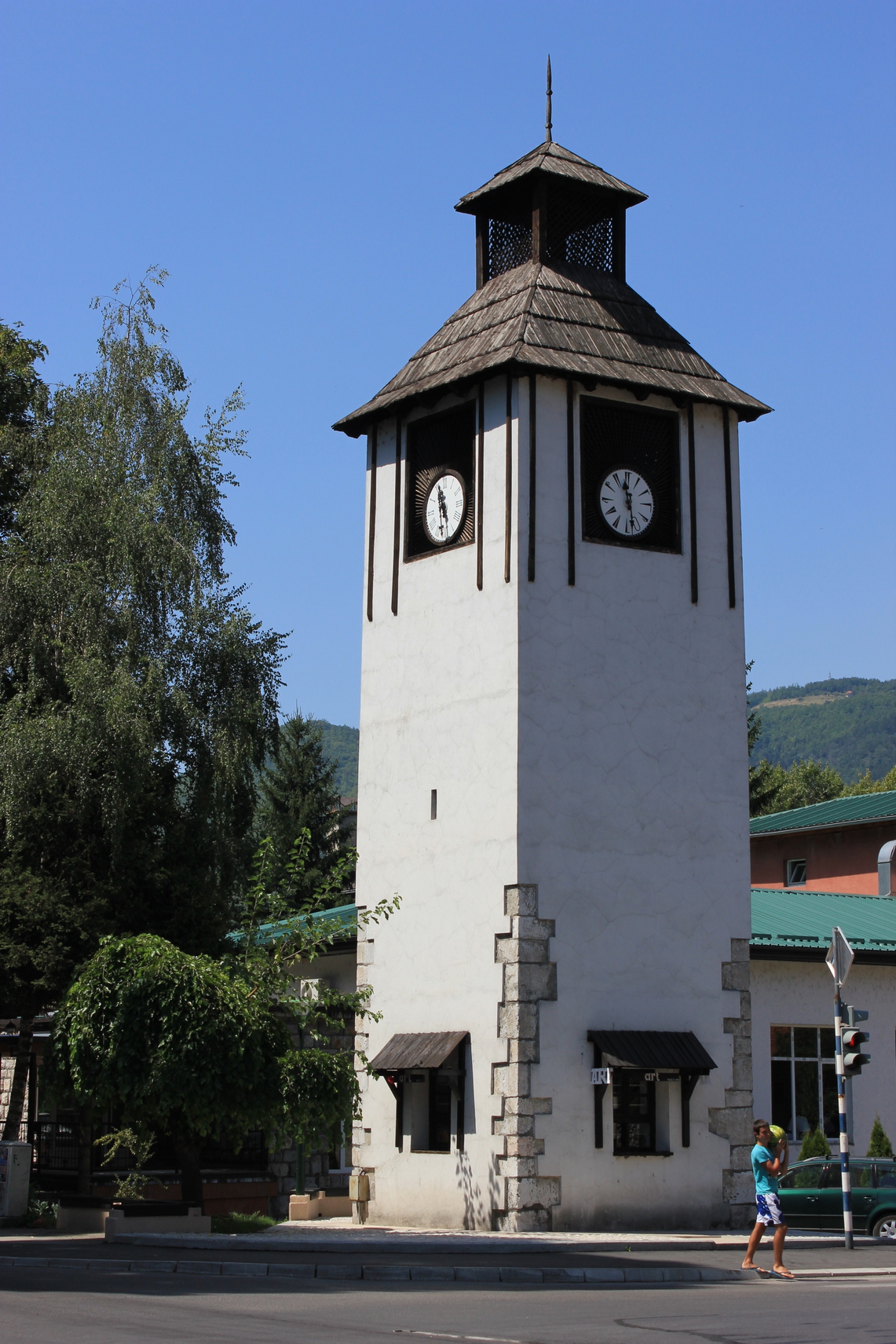
Sahat-Uhrenturm
Ottoman clock tower from 1789 inside the fortress.
The main subject of the visit and a quick stop on the Kalemegdan walking route.
- Historic landmark, Short stop
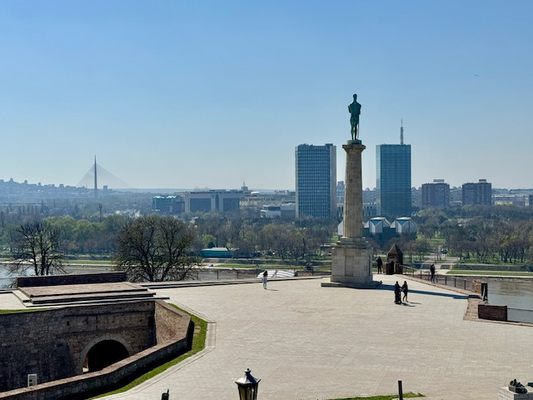
Pobednik Monument
Belgrade’s well-known fortress viewpoint monument.
A standard pairing with the tower because both sit in the Kalemegdan complex.
- Viewpoint, Outdoor monument
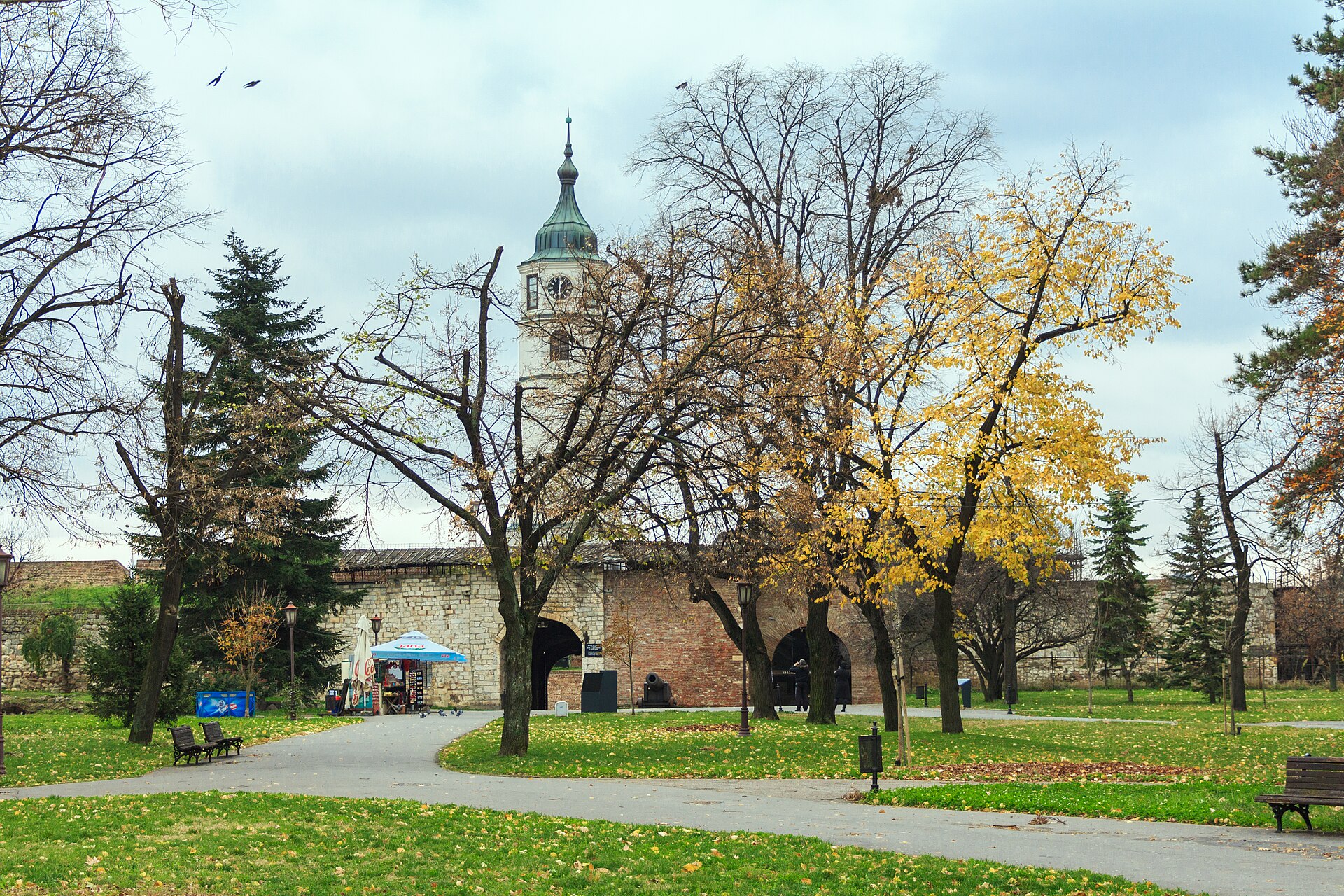
Kalemegdan Park
Tree-lined fortress park with paths and benches.
A practical setting for a slow walk before or after the tower stop.
- Park paths, River views
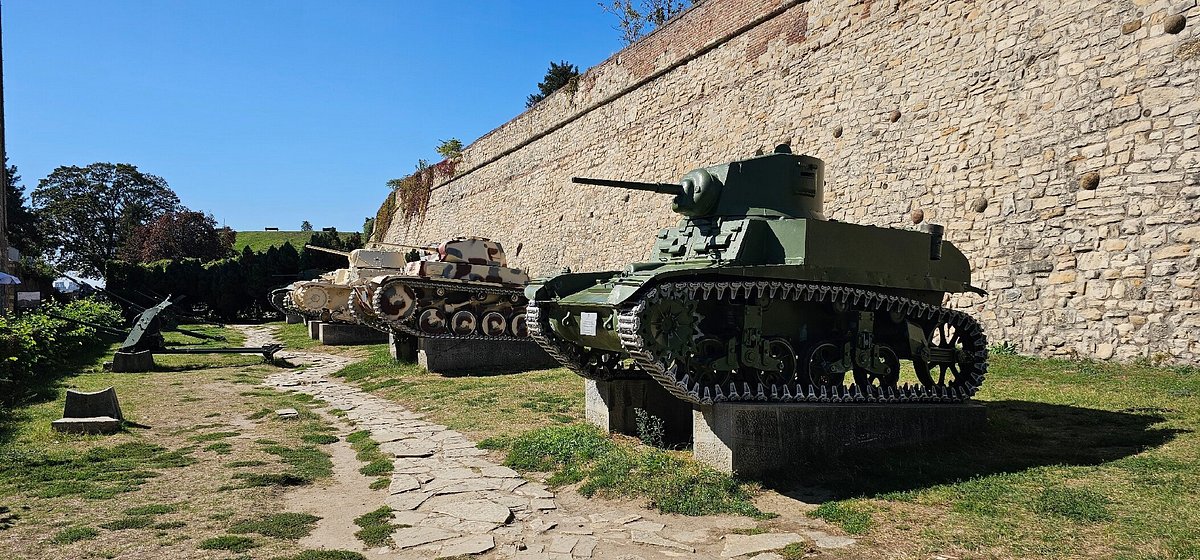
Military Museum
Museum covering Serbian and regional military history.
Useful if you want more context after seeing the tower and fortress walls.
- Museum visit, Indoor exhibits
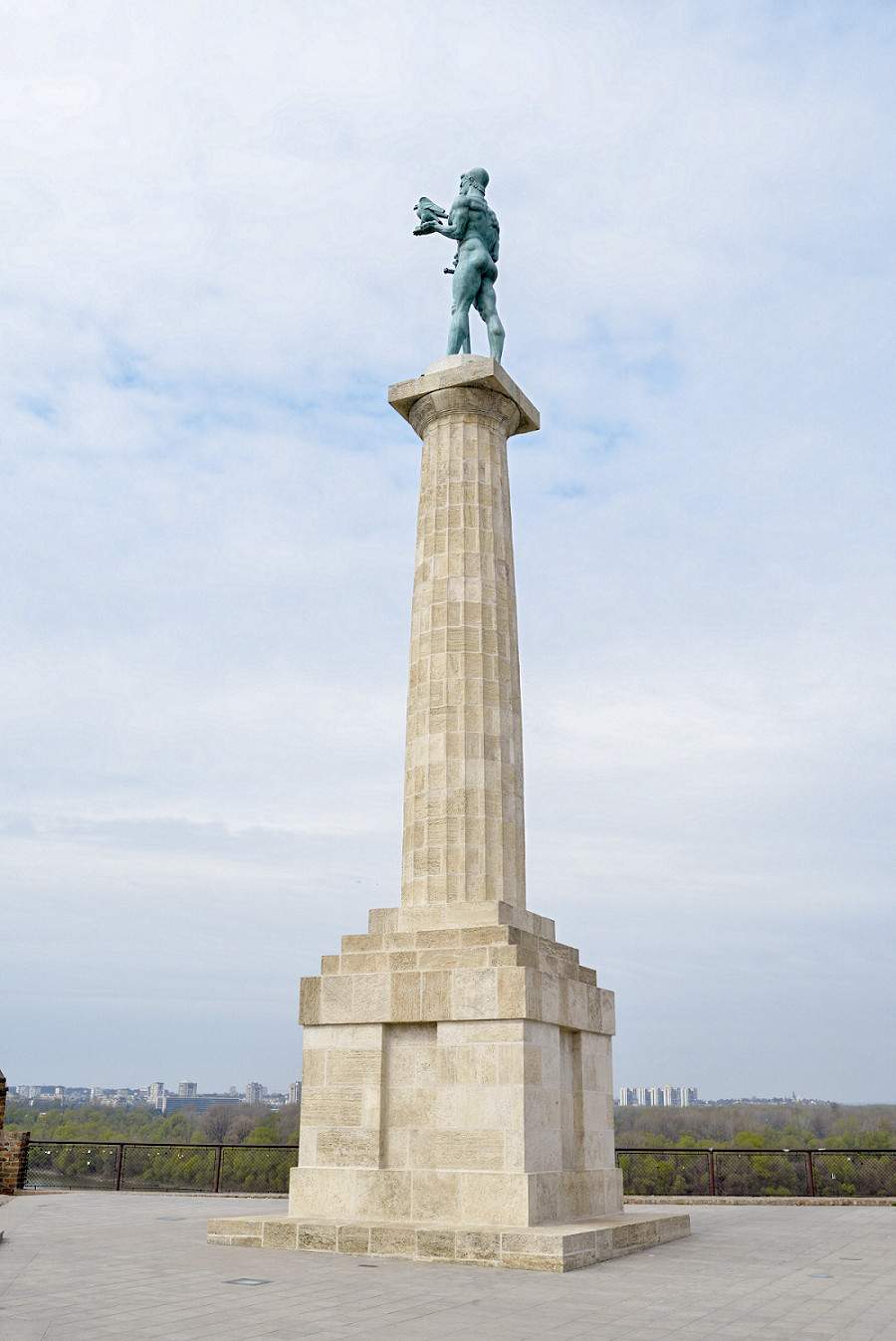
Victor Monument in Belgrade
Another Kalemegdan landmark with a strong river-facing position.
Good for a wider fortress loop with viewpoints and open-air walking.
- Viewpoint, Photo stop
Quick facts about Sahat-Uhrenturm
Kalemegdan Fortress, Belgrade
Pobednik Monument and the upper Kalemegdan paths
Ottoman clock tower from 1789
Free
Morning or late afternoon
No
If you are already inside the fortress, make the tower one stop on a route that also includes the walls, the open viewpoints, and the Military Museum. That gives the clock tower context instead of turning it into a very short standalone visit.
After Kalemegdan, continue into Stari Grad Belgrade for the old town, or spend an evening in Dorćol for cafés and riverside walking.
The tower is best viewed in dry weather because the route is mostly outdoors and the fortress surfaces can be slippery after rain or snow.
Common questions about Sahat-Uhrenturm
Is Sahat-Uhrenturm open as a separate museum?
No. It is a historic outdoor landmark inside Kalemegdan Fortress, so most visitors see it as part of a fortress walk rather than a separate ticketed venue.
Do I need to pay to see Sahat-Uhrenturm?
There is no separate admission for the tower itself in normal fortress walking use, though other nearby sites such as the Military Museum may have their own ticketing.
How long should I stay at Sahat-Uhrenturm?
Most first-time visitors spend only a few minutes at the tower before continuing toward Pobednik, the park paths, or the museum.
Is Sahat-Uhrenturm easy to combine with other Kalemegdan sights?
Yes. It fits naturally into a short or long Kalemegdan loop with the fortress walls, viewpoints, and the museum.
Is the area suitable for children?
Yes, but it is mostly an outdoor walking stop, so younger children usually need a broader fortress route to stay interested.