
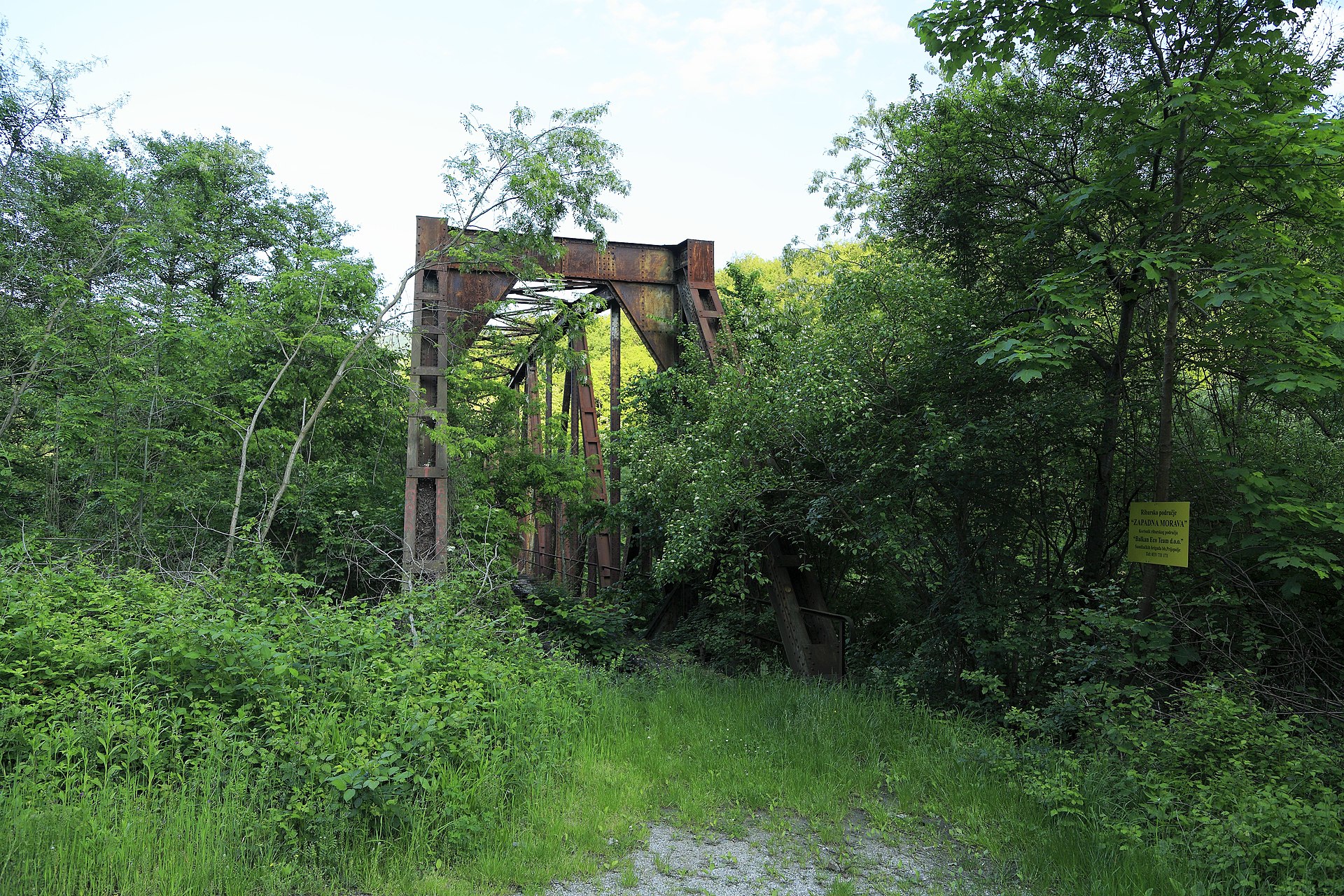
What to know about Alter Hauptbahnhof
Alter Hauptbahnhof is the former central railway station of Belgrade. It was built in 1882–1885, served as a station on the Orient Express route, and is protected as a cultural monument. For travelers, it is best understood as a heritage site within the city center rather than a functioning rail hub.
A railway landmark in Belgrade’s historic core
The Alter Hauptbahnhof belongs to the story of modern Belgrade. Built during 1882–1885, it represents a period when the city was growing into a regional transport center. Its scale and architectural presence earned it a place in the memory of the city, and its later association with the Orient Express gives it a wider European context.
Today, visitors come here primarily for its historic value. Because it is protected as a monument of culture, the site is important not only as a former station building but also as a preserved piece of Belgrade’s urban heritage. When you are exploring Stari Grad, it fits naturally into a route that also includes Kalemegdan, the old streets around the center, and other landmarks linked to the city’s layered past.
Built for a growing capital
The station was constructed between 1882 and 1885, a period that marked a major shift in how travelers reached and moved through Belgrade. Rail travel changed the city’s relationship with the wider region, and the station became one of the most recognizable public buildings connected to that change.
The fact that it once served the Orient Express matters because it places Belgrade on one of Europe’s best-known historic rail journeys. Even without adding modern visitor services or operational details, that association helps explain why the building attracts attention from travelers interested in transport history, architecture, and the movement of people across Central and Southeast Europe.
For a trip to Serbia, the station can be read alongside other historic layers in the old town: imperial gates, fortress views, bohemian streets, and 19th-century urban development. In that sense, it is part of the larger Stari Grad experience rather than a stand-alone curiosity.
How to include it in a Belgrade walk
The best way to approach Alter Hauptbahnhof is as a stop in a broader walking plan through central Belgrade. If you are already exploring Stari Grad, it makes sense to pair it with nearby heritage areas and city-center streets rather than treat it as a separate excursion.
A practical route is to start from the parent guide for Stari Grad Belgrade Travel Guide, then continue to related pages such as Knez Mihailova Street, Kalemegdan Fortress, and Skadarlija Bohemian Quarter. Together, these pages help you understand the station in the context of the old town, the fortress, and the historic streets that shaped Belgrade’s public life.
If your trip focuses on city history, rail heritage, or urban change, the station also pairs well with the nearby pages on Kosančićev Venac and Dorćol, both of which add useful context to a walk through central Belgrade.
How to read the building in the city today
When you stand in front of Alter Hauptbahnhof, the most useful perspective is historical rather than logistical. The station is a witness to a specific phase of Belgrade’s growth, and that is why the monument status matters. It helps preserve the building as evidence of how the city connected itself to broader rail networks and international travel.
Travelers who enjoy heritage sites often appreciate places like this because they reveal a different side of a destination. Instead of markets, cafés, or fortress walls, the focus here is on infrastructure, mobility, and the built environment. That makes the station especially relevant for visitors who want to understand how Belgrade changed during the late 19th century.
If you are planning a day in the capital, combine this stop with nearby historic walking areas, then continue toward the river-facing parts of the old town. The station works well as an anchor point for a route that connects urban history with the broader story of Serbia’s capital.
Why this station matters to travelers
The building reflects the period when rail travel reshaped access to Belgrade and connected the city to wider European routes.
Its former role as a stop on the Orient Express gives the site added appeal for visitors interested in classic long-distance rail travel.
Nearby pages to combine with Alter Hauptbahnhof
These pages help you build a fuller Stari Grad itinerary around the station and the surrounding historic center.
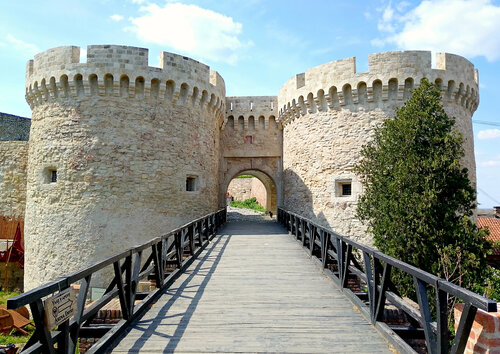
Stari Grad Belgrade Travel Guide
The parent guide for Old Town, Kalemegdan, and Skadarlija.
Use this as your starting point for the historic center and for understanding how the former station fits into the district.
- Parent page, Old Town overview, Walking context
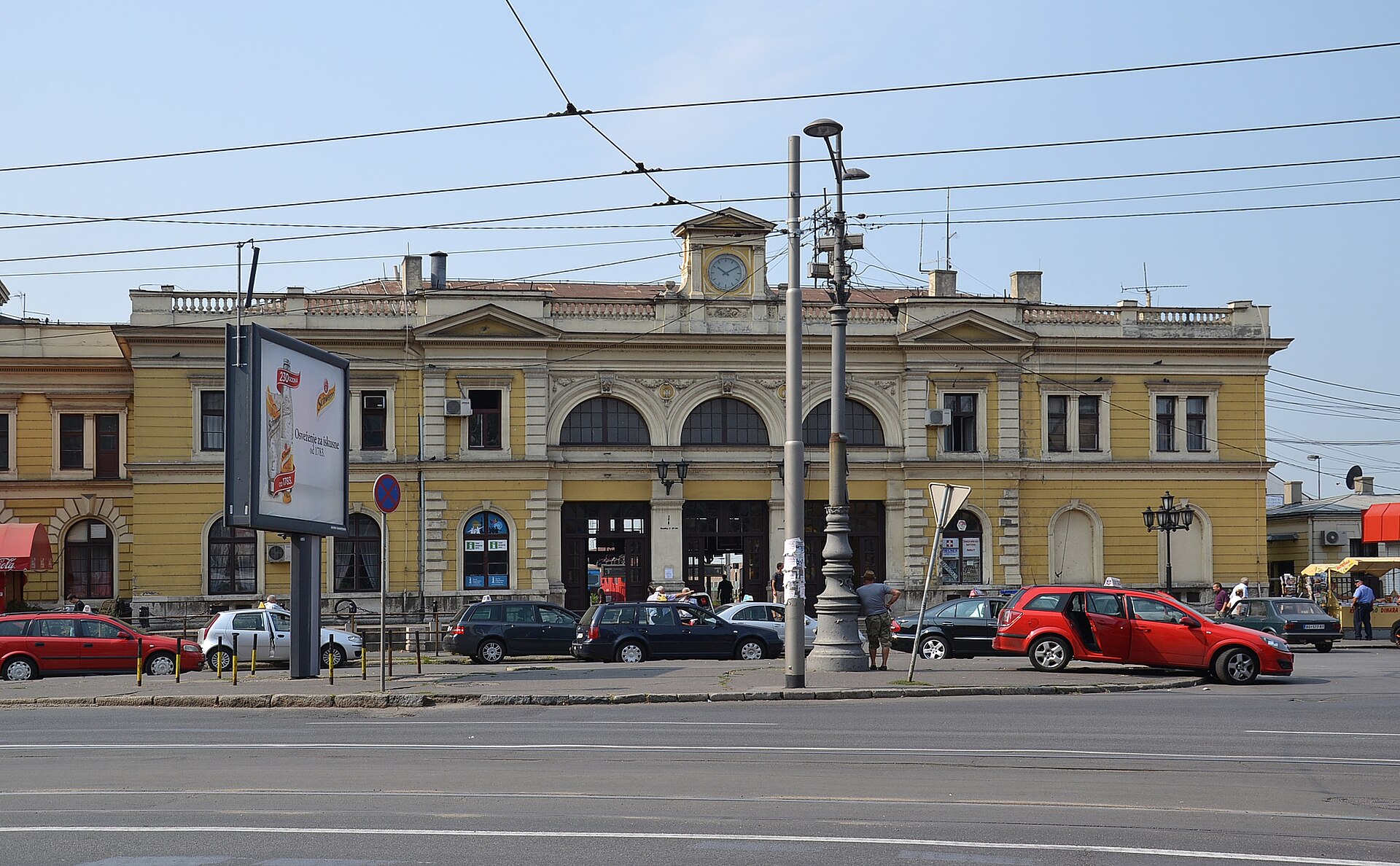
Kalemegdan Fortress, Belgrade
The city’s fortress complex with views and layered history.
A natural companion to any heritage walk in central Belgrade.
- Fortress history, Views over rivers, Central landmark
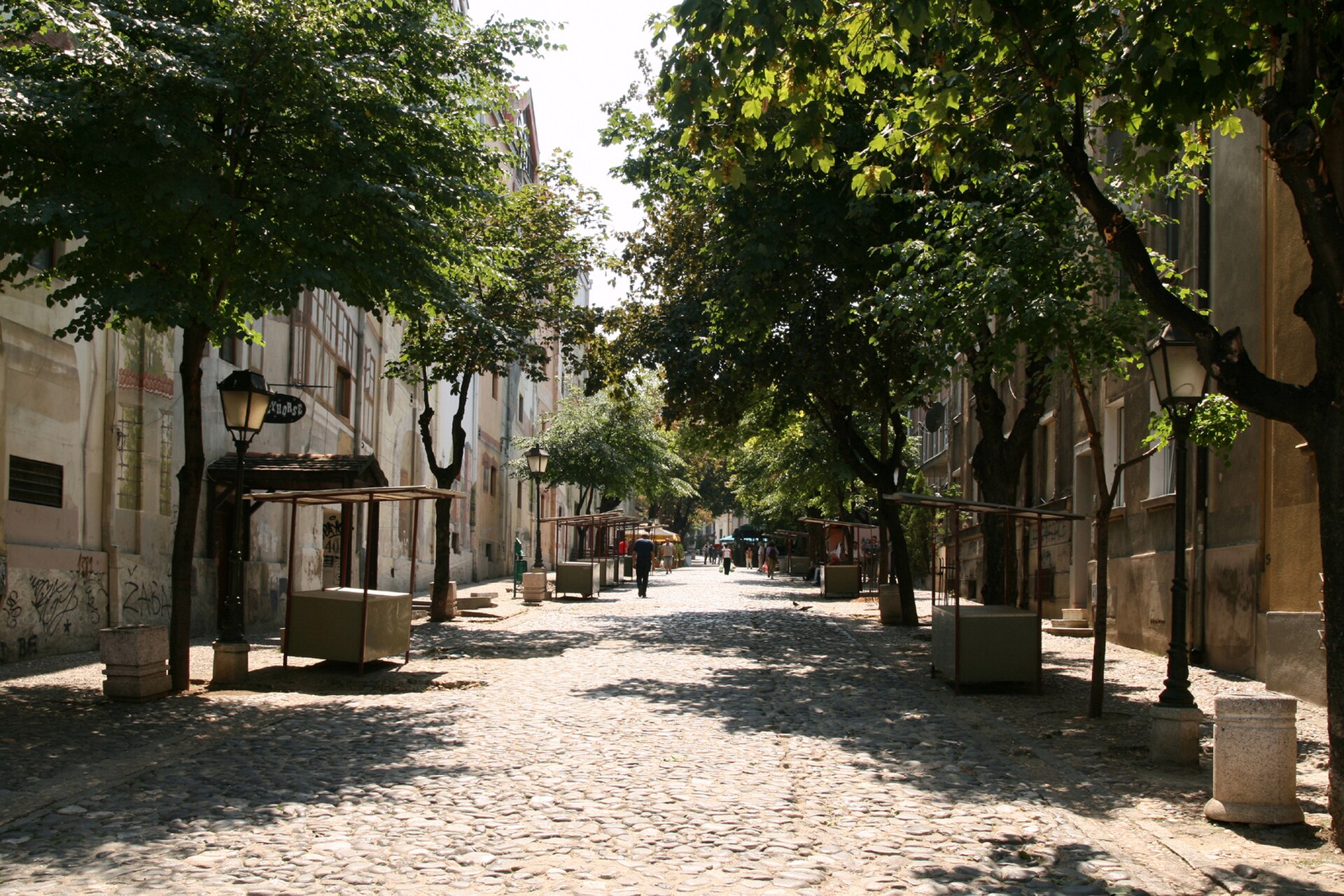
Skadarlija Bohemian Quarter, Belgrade
Historic streets, kafanas, and old Belgrade atmosphere.
Useful for travelers who want to combine transport history with a classic old-town walk.
- Historic quarter, Dining context, Old city character
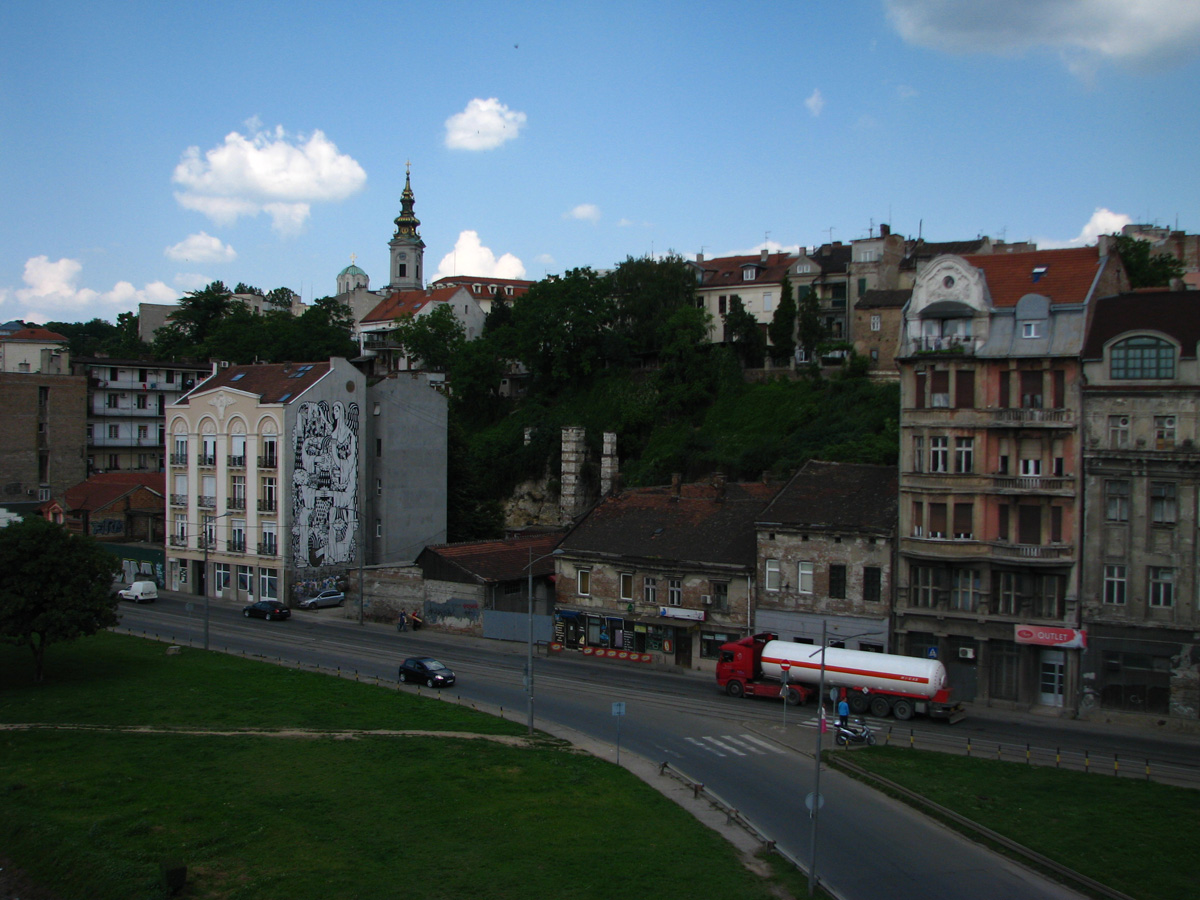
Kosančićev Venac, Belgrade
One of Belgrade’s oldest residential quarters with riverside views.
Adds another layer to a Stari Grad heritage route and shows how the old center changed over time.
- Historic neighborhood, Riverside views, Architectural context
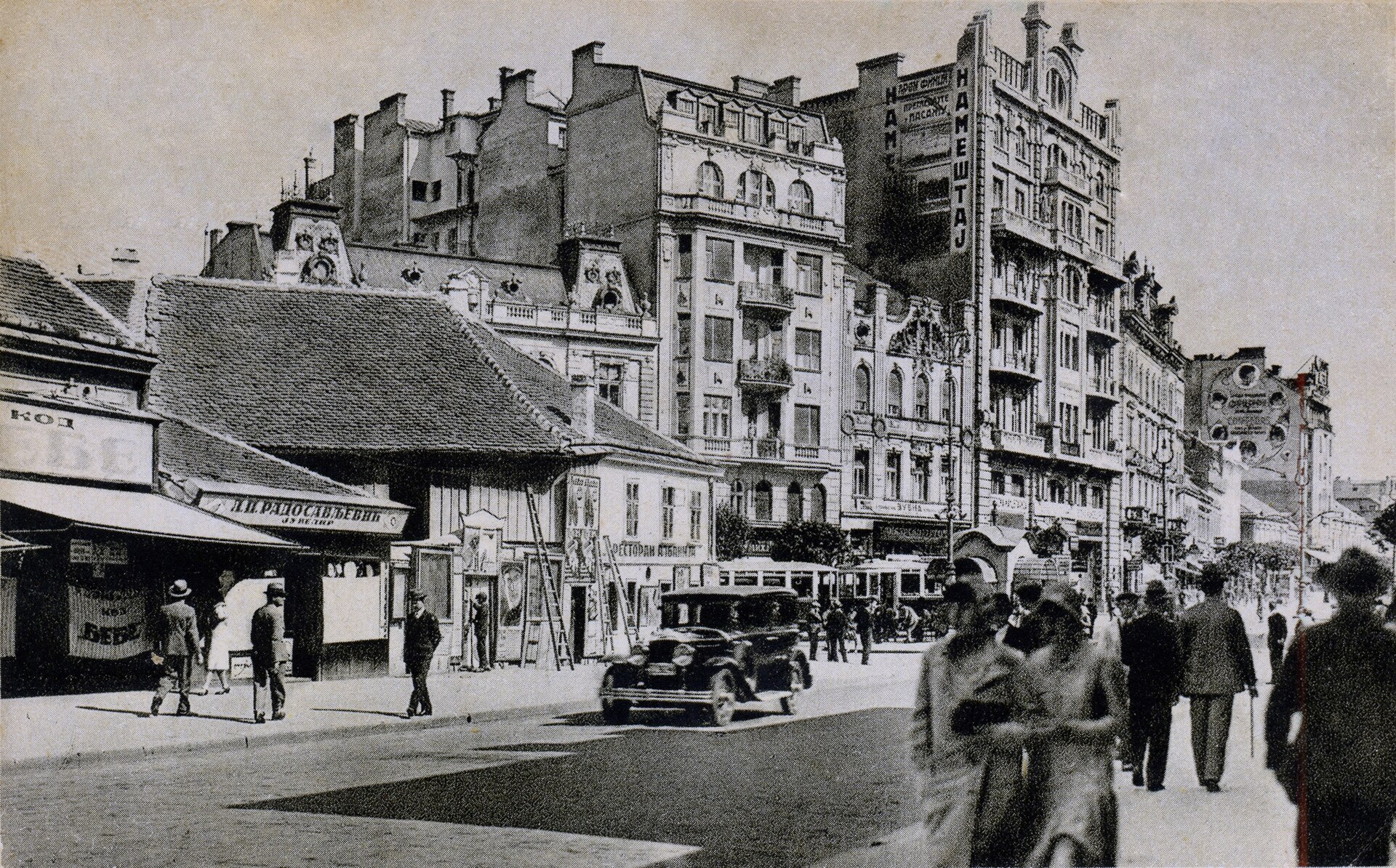
Dorćol, Belgrade Travel Guide
Cafés, old streets, and a walkable city-center district.
A practical add-on for travelers mapping out a full day in the old town area.
- Cafés, Walkable streets, City-center feel
Quick facts
1882–1885
Former Belgrade main railway station
Protected as a monument of culture
Former stop on the Orient Express
Stari Grad, central Belgrade
Frequently asked questions
What is Alter Hauptbahnhof in Belgrade?
It is Belgrade’s former main railway station, built between 1882 and 1885 and protected as a monument of culture.
Why is it historically important?
The station is linked to the growth of rail travel in Belgrade and is remembered as a former stop on the Orient Express.
Can I include it in a Stari Grad walk?
Yes. It works well as part of a wider walking route through central Belgrade and the old town area.
What should I pair it with nearby?
Useful nearby pages include Kalemegdan Fortress, Skadarlija, Kosančićev Venac, and Dorćol.
Plan the rest of your Stari Grad walk
Start with the parent guide for the old town, then add nearby heritage pages to build a practical route through central Belgrade.