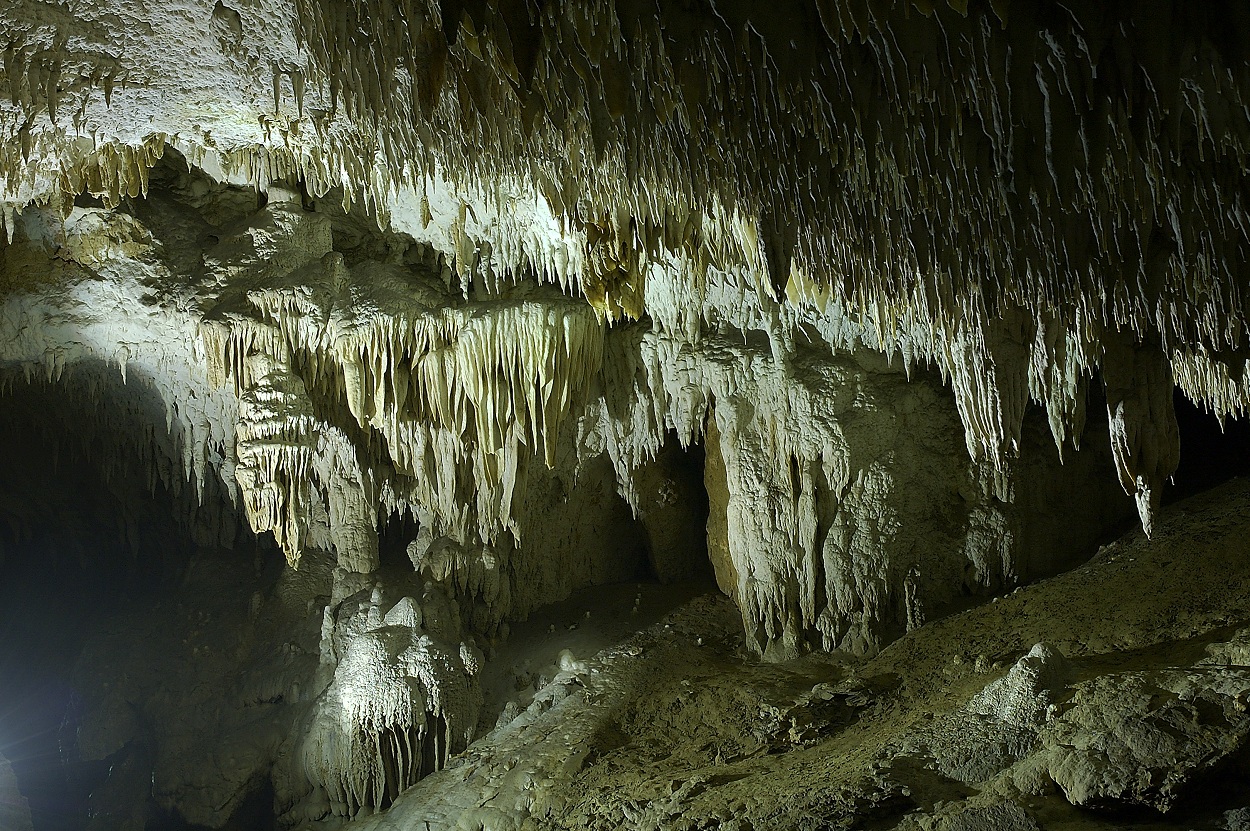
Rajko’s Cave, Kapetanska, 19250 Majdanpek, Serbia; confirm the map pin before departure

Rajkova pećina is reached from Majdanpek and visited on an arranged underground route with a guide. The practical priority is confirmation: local attraction information does not provide one dependable year-round timetable, and the online reservation listing sets a minimum group condition. Contact the cave or Majdanpek tourism office before relying on a same-day arrival, particularly outside the main visitor season or when travelling alone.
Rajko’s Cave lies in the wooded valley beyond Majdanpek, close to the headwaters of the Mali Pek. The entrance introduces a cave system examined by Serbian geographer Jovan Cvijić in 1894 and adapted for visitors during the 1970s. Its defining feature is the way an arranged route joins contrasting underground passages rather than ending in a single chamber. Lighting reveals columns, draperies and rimstone forms in sequence, while the guided format keeps visitors on the developed circuit. The setting is quiet and enclosed, with the town still close enough for the cave to work as a focused half-day outing.
Rajko’s Cave gives a visit to Majdanpek a clear underground focus. The attraction is not an open cave where travellers wander independently; its value lies in following a prepared circuit that links chambers, passages and water-shaped formations in a coherent order. That makes the cave suitable for travellers who want to understand the landscape rather than stop only for an entrance photograph.
The short approach from town also distinguishes it from remote hiking objectives. Visitors can base themselves in Majdanpek, confirm a guided departure and reach the entrance without committing to a full wilderness route. Within a wider Eastern Serbia guide, Rajko’s Cave adds a karst and geology stop to a region otherwise associated with the Danube, mining towns, archaeological sites and forested mountains. Allow enough flexibility for guided-entry arrangements rather than treating it as an unstaffed roadside attraction.
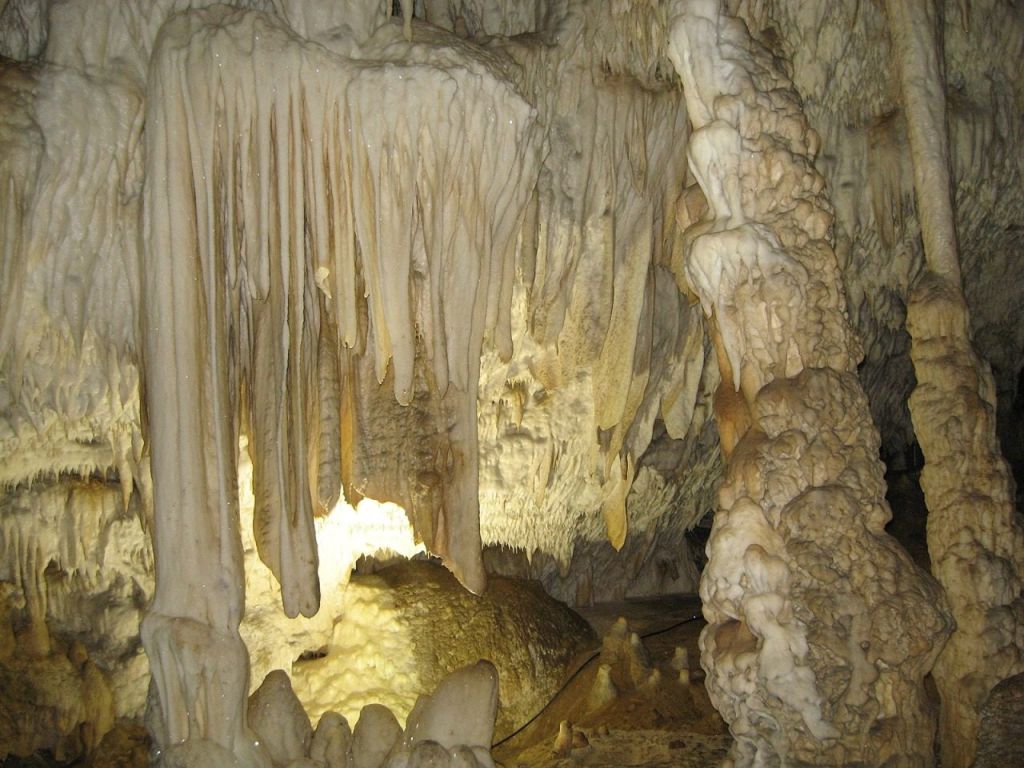
The visitor circuit moves between two kinds of underground space. The river level follows the part of the system associated with flowing water, while the dry level preserves chambers where deposited calcite has become the visual focus. Their connection creates a circular visit: travellers encounter changing ceiling heights and formation groups without simply retracing the whole route to the entrance.
Named spaces help make that sequence legible. Concert Hall, Hedgehog Hall and Waterfalls Hall identify major sections of the circuit. Along the way, guides can point out the Small and Grand Organs, Hanged Haiduk Rajko, Winter’s Fairytale, the Hall of Tombstones, the Tree of Life and the Hall of Rimstone Pools. These names describe shapes perceived in the rock rather than separate attractions with their own entrances. The arranged visitor route is reported at about 1,400 metres, but route availability should be confirmed because maintenance or water conditions can affect underground operations.
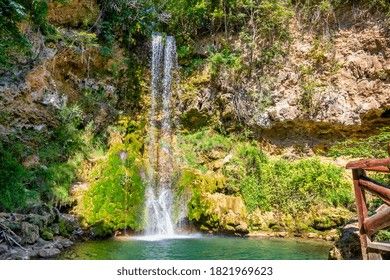
Entry is organised around a guide, not independent access. Once the group enters, the visit follows the developed circular route through the principal halls and named formations. A published indicative duration is about 60 minutes. Treat that as a planning estimate rather than a guaranteed slot: group pace, the operational route and current cave conditions can change the time underground.
The guide provides the structure that makes the many named formations understandable, identifying features that can otherwise blend into the surrounding calcite. Stay on the arranged path and follow instructions around narrow or wet sections. A detailed step count, gradient profile and wheelchair-access statement are not published, so travellers with limited mobility should describe their needs before reserving. Photography, tripod use and other visitor rules should also be checked directly rather than assumed from policies at other Serbian caves.
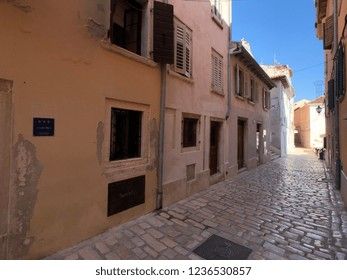
The cave is reached from Majdanpek by following the local approach toward Rajkova pećina and the Mali Pek source area. The published location is roughly 2.5 kilometres from central Majdanpek. On foot, allow about 35–45 minutes from the centre at an ordinary pace, then add time for finding the entrance and meeting the guide. Confirm the final approach before walking because a continuous pedestrian pavement is not documented.
No numbered local bus line to the cave entrance is published. Intercity buses can get travellers to Majdanpek, but they should not be treated as a direct cave connection; the Serbia transit search can help with the town leg. For the final distance, arrange a local taxi or ask the tourism office about current transport. A typical taxi fare and formal parking capacity are not published. Drivers should follow the confirmed map pin and ask whether parking is available beside the visitor entrance before setting out.
The right time is a confirmed guided slot rather than a particular hour chosen at the entrance. Published third-party schedules disagree, and the local attraction information does not give one fixed timetable covering the entire year. Contact the cave before leaving Majdanpek, even in summer, and arrange the visit farther ahead if the cave is central to the day.
Season affects the surface approach more than the character of the underground route. Spring and autumn can fit a broader nature itinerary, while summer makes the cave’s cool interior a noticeable contrast with outdoor temperatures. Winter access should never be assumed. Arrive about 15 minutes before the agreed meeting time so ticketing and group organisation do not shorten the guided circuit.
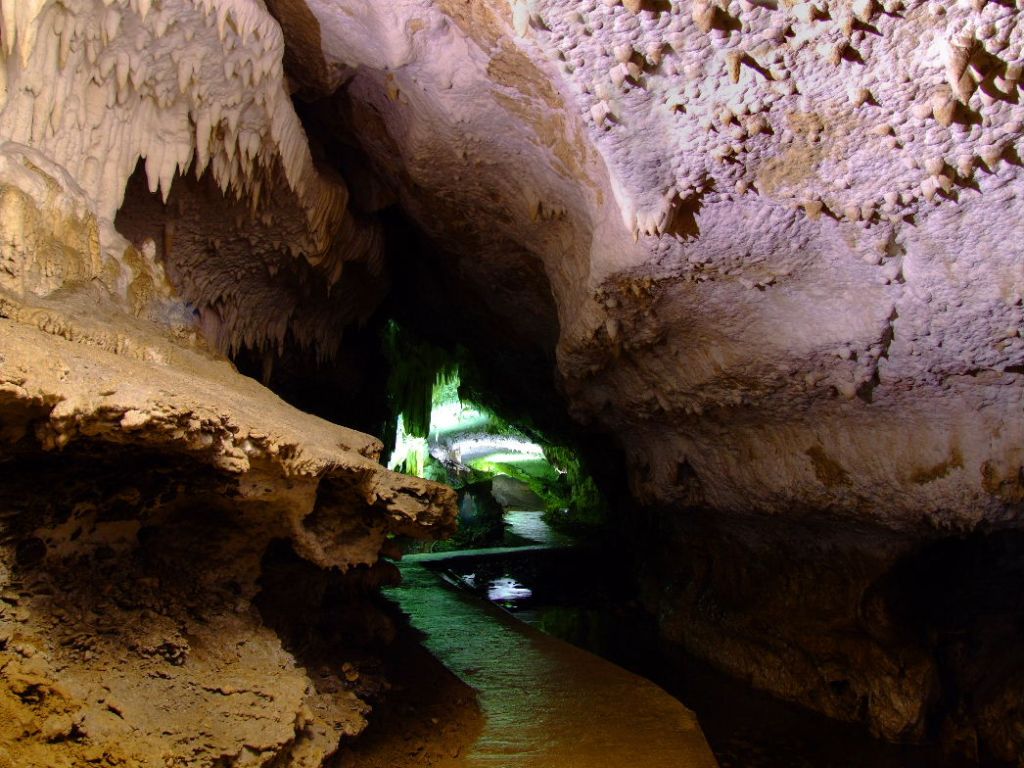
The visit has the controlled rhythm of a small guided attraction: the group moves together, pauses where the principal formations can be seen and remains on the prepared route. There is no formal dress code, but practical clothing matters more than appearance. Closed footwear, a light insulating layer and a compact bag are more useful than loose garments or bulky luggage.
Families should check the suitability of the route for each child. A listed ticket category covers ages 7–12, but rules for younger children, pushchairs and carrying equipment are not published. The cave is not a place for loud activity, touching formations or leaving the path. Detailed information about toilets, refreshments, lockers and seating at the entrance is also unavailable; use facilities in Majdanpek beforehand and carry only what is needed underground.
Build the day around the confirmed cave appointment, then add one surface experience rather than trying to cross the entire region. Travellers interested in the Danube landscape can continue their planning through Đerdap National Park, but driving distances and seasonal opening arrangements make it sensible to choose one defined stop. A cave visit and a long national-park hike should not be treated as interchangeable activities.
For a stronger hiking emphasis, The Origin in Eastern Serbia explains the region’s combination of trails, caves and archaeology. Travellers staying farther south-west can use Bor and its surroundings as another base for karst landscapes and nature excursions. Whichever direction follows, leave buffer time after Rajko’s Cave: a guided departure may not align with an ambitious driving schedule, and the duration should be reconfirmed before committing to another timed attraction.
Sources cross-checked for this guide:
Last checked: 21 September 2026. Fact-checked by the editorial team led by Mascha against the official sources above, and reviewed before publishing.
Operational information is split between local visitor contacts and a dedicated reservation listing. Confirm all items for the intended date.
Two third-party opening schedules currently conflict, so neither should be used as a dependable timetable without direct confirmation.
Operational details were reviewed on 12 September 2026. Opening arrangements can change, so confirm guided entry directly before travelling.
Rajko’s Cave is outside central Majdanpek in Eastern Serbia. Confirm the entrance pin and meeting point with the guide before departure.
These named points appear along the shared guided circuit rather than as independently accessible rooms. Every card therefore uses the same cave ticket and operating check.
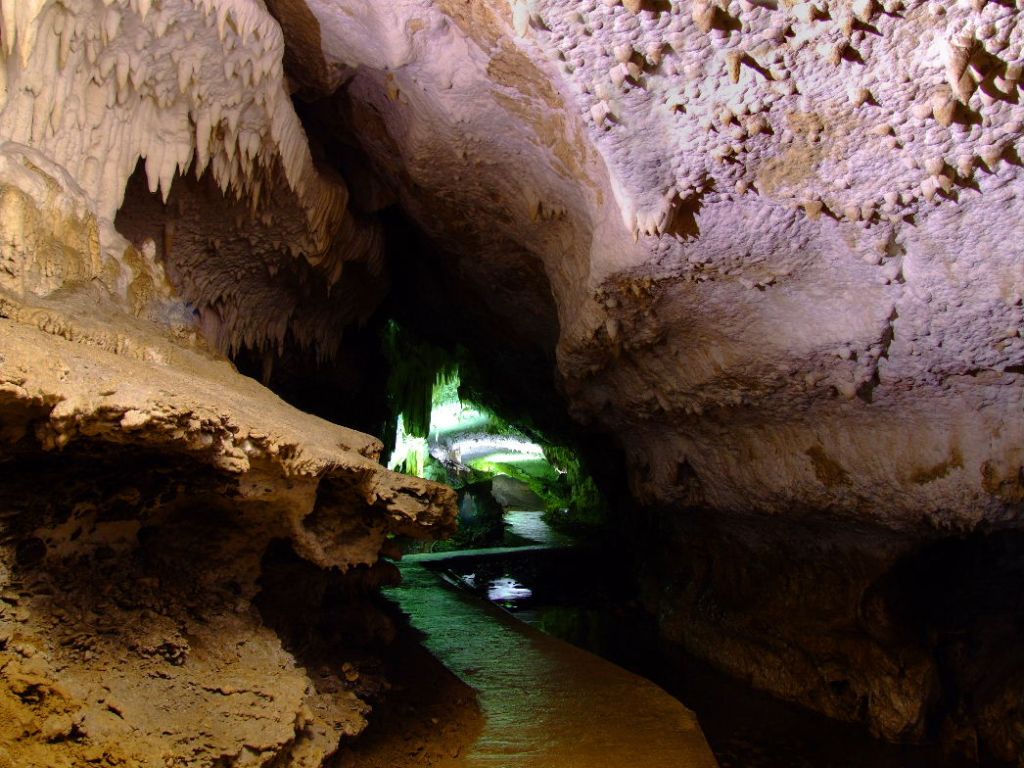
Concert Hall
A named chamber on the arranged circular route through the cave.
The chamber helps mark the transition between passages and larger underground spaces.
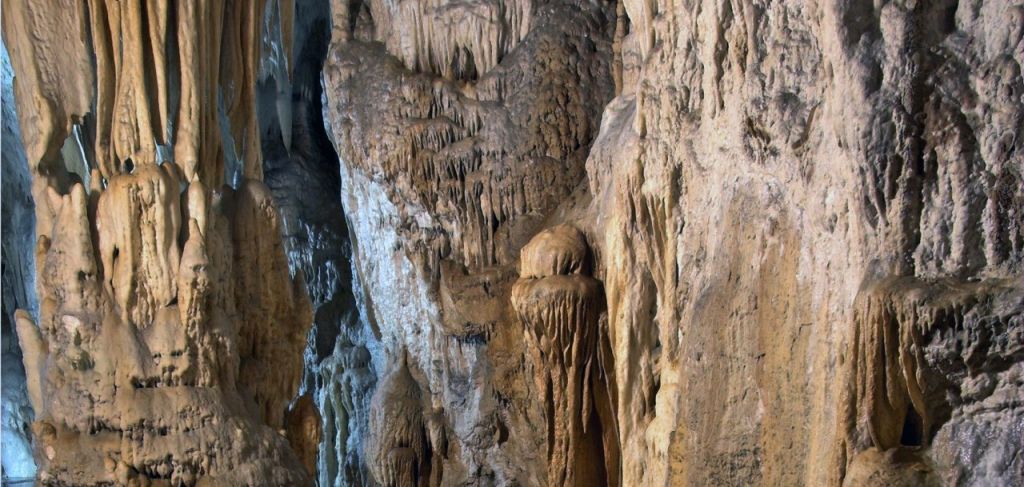
Hedgehog Hall
A chamber named for rock forms interpreted as hedgehog-like shapes.
It is one of the recognised halls used by guides to explain the cave’s calcite forms.
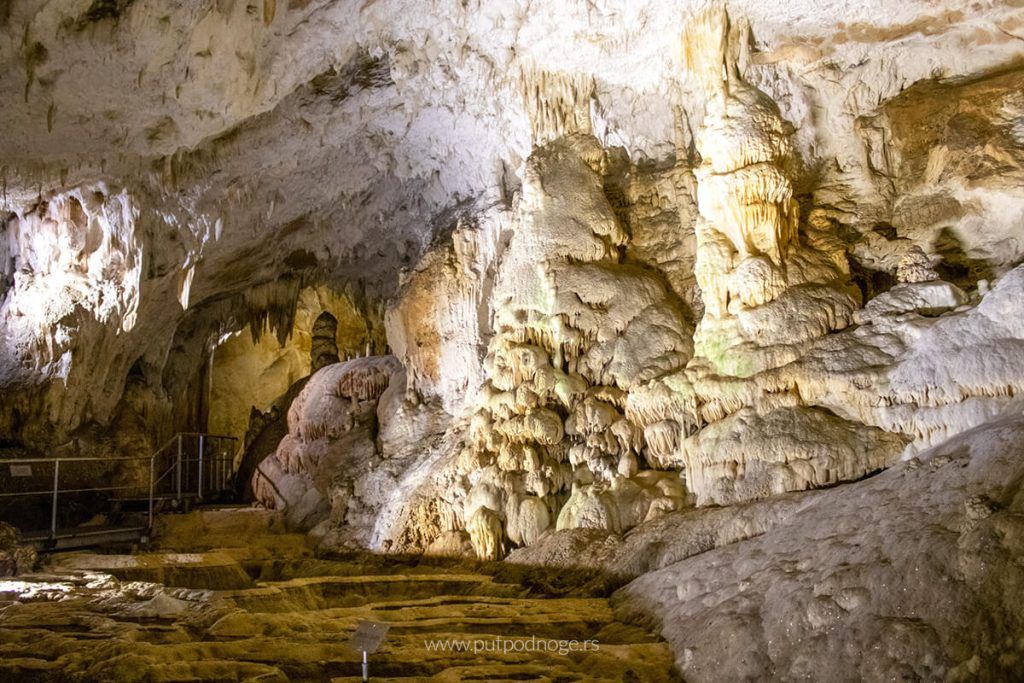
Waterfalls Hall
A chamber where mineral deposits resemble frozen cascades.
The forms record mineral-rich water depositing calcite rather than an outdoor waterfall.
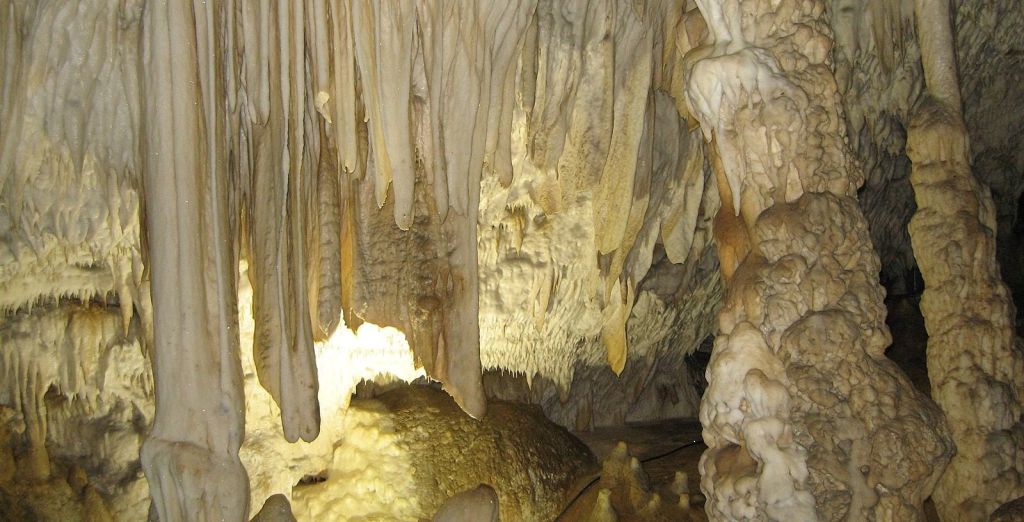
Small and Grand Organs
A paired formation group named for its resemblance to organ pipes.
The feature is viewed from the developed route as part of the cave’s sequence of named shapes.
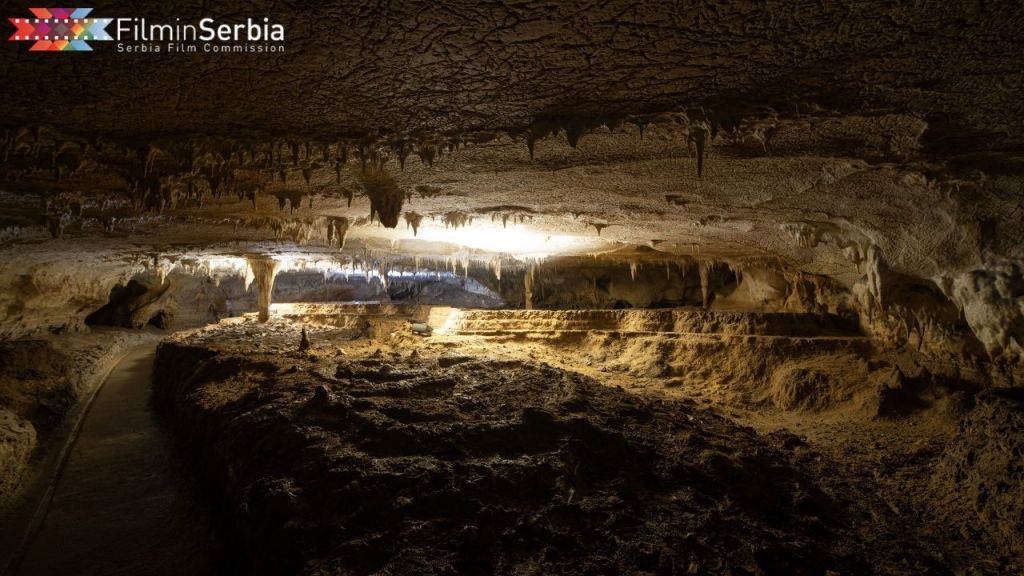
Winter’s Fairytale
A pale calcite scene identified by an imaginative local name.
It forms one of several visual reference points used to distinguish sections of the underground walk.
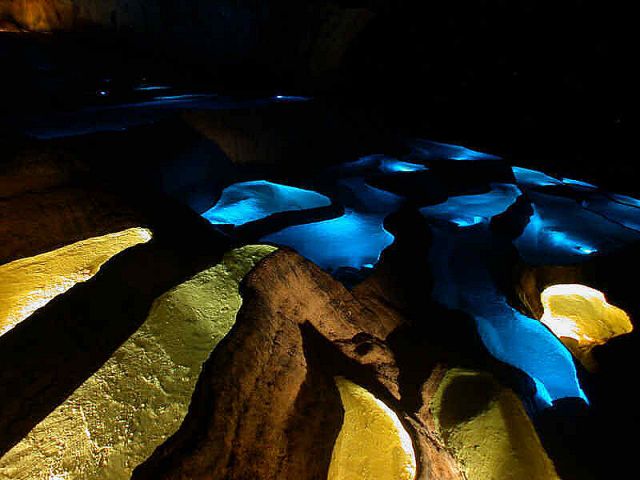
Hall of Rimstone Pools
A named hall containing terraced mineral basins formed by deposited calcite.
The pools belong to the geological display of the cave and should be observed from the visitor path.
Rajko’s Cave, Kapetanska, 19250 Majdanpek, Serbia; confirm the map pin before departure
Majdanpek town centre and the Mali Pek headwaters area
Guided circuit through river and dry cave levels
Listing price: 350 RSD adult; 100 RSD for ages 7–12
After confirming a guided departure directly
Advance notice recommended; booking listing states a minimum group of five
Online reservation listing available
Cave visitor line and Majdanpek tourism office contacts are available in the booking section
Use the Majdanpek visitor information for Rajko’s Cave, contact the Rajko’s Cave visitor line, or email the Majdanpek tourism office. Ask for the departure time, language, current ticket price and whether a small party can join another group.
Bring a warm layer even when Majdanpek is warm and wear closed shoes with dependable grip. The underground environment is cool, and cave paths can retain moisture. A current measured cave temperature is not published, so pack for a clear contrast with outdoor conditions rather than relying on a precise figure.
The reservation listing states a minimum of five people for entry and ticket purchase. Solo travellers and couples should not assume they will be turned away, but they do need to ask whether another departure has space. Prior notice gives the local team time to explain the available arrangement.
A verified step count, handrail inventory and step-free route are not published. Travellers who use a wheelchair, walking aid or who have difficulty with sustained underground walking should contact the cave before paying. Ask specifically about steps, narrow points, wet surfaces and the distance covered on the operating route.
Yes. Rajkova pećina is the Serbian name, while Rajko’s Cave is the usual English form used for the attraction near Majdanpek.
No independent visitor access is published. Entry is organised as a guided underground visit, so confirm a departure before travelling to the entrance.
The online reservation listing states a minimum group of five. A solo visitor should contact the cave and ask whether joining another scheduled group is possible.
The underground visit is listed at about 60 minutes. Allow additional time for reaching the entrance, meeting the guide, ticketing and waiting for the group to assemble.
A detailed accessibility specification is not published. Contact the cave with specific questions about steps, gradients, narrow passages and the route distance before booking.
A dependable year-round official timetable is not published, and visible third-party schedules conflict. Confirm the intended date and departure directly.
Stay connected in Serbia