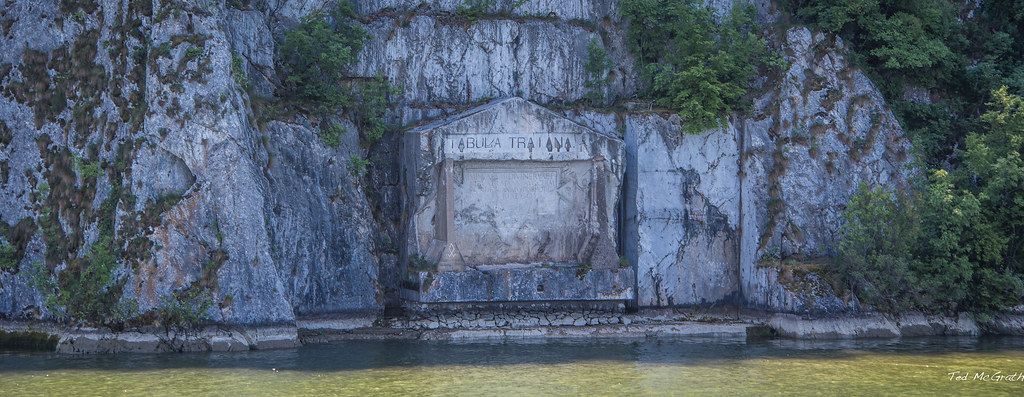
5 days

The Origin is a structured Eastern Serbia trip for travelers who want more than a single viewpoint stop. It starts with Belgrade as the arrival frame, then moves east toward the Danube and Eastern Serbia Guide | Đerdap Gorge, Roman Sites & Caves, where landscape, archaeology and long human presence are easiest to read together. The route then shifts southward into karst terrain around Lazar's Canyon, Lazar's Cave, Beli Izvorac and Kozja Pećina.
Expect moderate hiking rather than technical mountaineering: sustained walking, uneven ground, cave settings, forest paths, canyon-edge viewpoints and full outdoor days. The program fits March to November and is framed for ages 12 and up. It works best for visitors who want a road-trip style journey with guided or well-planned hiking days, not a city break.
The Origin is a five-day hiking and archaeology program across Eastern Serbia that connects several different landscapes into one logical trip. It begins from Belgrade, then follows the Danube corridor into Đerdap National Park before turning inland toward canyon and karst terrain. The thread running through the journey is human time: early settlement, prehistoric context, movement through river valleys, and the way people used caves, viewpoints and water sources.
What makes the route distinct is the combination rather than any single stop. You are not only visiting an archaeological site or only doing a nature walk. You move between the Danube basin, protected national-park scenery, canyon routes and cave environments, which gives the program a more anthropological feel than a standard hiking break. The pace is active in daylight, quiet in the evenings, and best suited to travelers who like interpretation as much as walking.
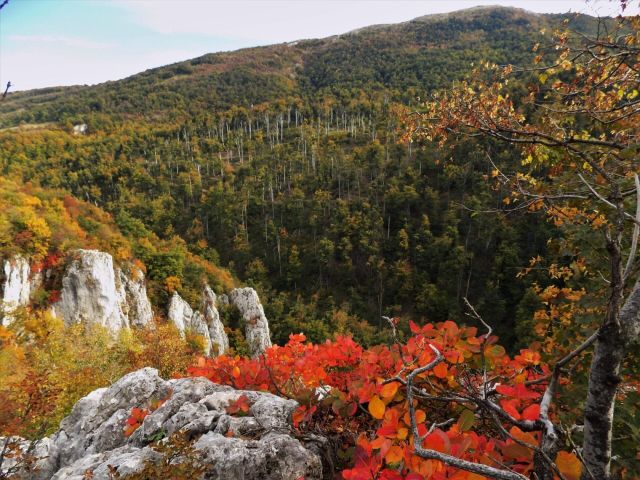
Eastern Serbia is one of the clearest parts of the country for reading how geography shapes human movement. The Danube is the big frame: in Serbia it runs for 588 km, and Đerdap is one of the country’s national parks. Moving along that river and then inland into canyon country shows two different kinds of terrain in one trip: broad river context and compressed limestone relief.
That contrast matters for the theme of origins. At the Danube end, archaeology and settlement stories are easier to place within a major corridor, especially around Lepenski Vir, Đerdap | Mesolithic Archaeology on the Danube. Farther south, Lazar's Canyon, Lazar's Cave and nearby viewpoints shift the emphasis from settlement evidence to the physical environments that shape travel, shelter and survival. If you want a wider natural frame before locking your itinerary, The Majestic Đerdap National Park Guide helps place the Danube section in context.
The result is a route that feels coherent without being repetitive. One day is about landscape scale, another about archaeological reading, another about canyon walking, and another about cave and spring environments. That mix is why The Origin works well for first-time visitors who want Eastern Serbia as an active journey rather than a checklist.
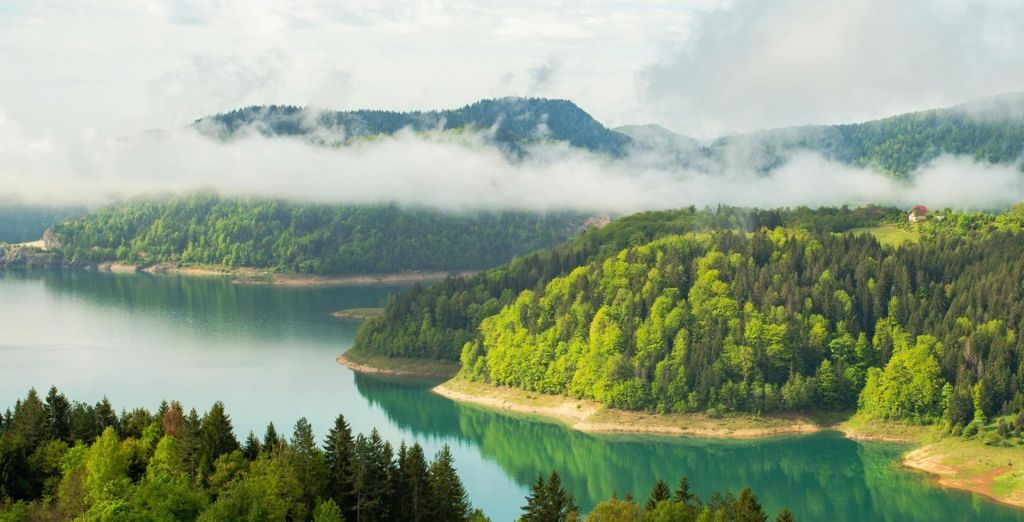
The Origin works best as a focused five-day road-supported program. Belgrade is the easiest arrival point, but the trip itself is not Belgrade-based once the hiking starts. Build in time for transfers between the Danube section and the inland canyon zone, and do not plan each day too tightly. Archaeological visits, viewpoint pauses and trail conditions naturally slow the pace.
Because the trip mixes interpretation and outdoor movement, a rushed schedule weakens it. Keep the route centered on the named stops instead of adding too many extra monuments. Weather matters more here than in a city itinerary, especially on natural paths and around cave terrain. For wider route planning between cities and regions, the site’s Serbia Transit Search: Buses, Trains & Practical Route Planning is useful, but most travelers will find that The Origin works most smoothly with private transfers or a rental car.
If you want a broader Serbia context before locking dates, use Eastern Serbia within a larger national plan rather than as an isolated add-on. The program is thematically strong enough to stand alone, but it also fits well inside a longer first trip that begins in Belgrade and continues through one or two regions.
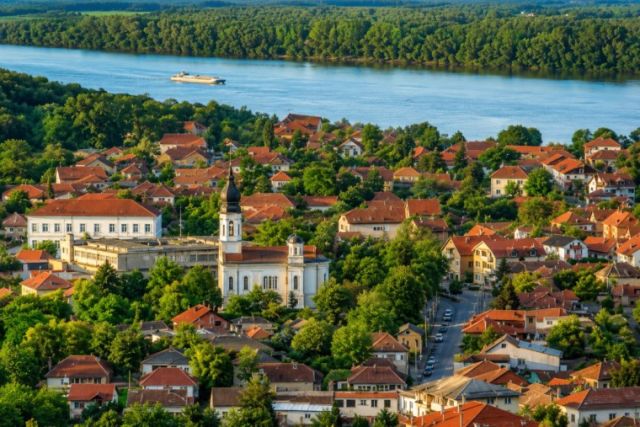
This structure follows the route described in the editor brief: Belgrade as the arrival frame, then Đerdap and archaeological context, followed by canyon, cave, spring and viewpoint terrain in Eastern Serbia.
This is a moderate program, not a technical expedition. Expect repeated days on natural ground, some elevation change, uneven footing, cave-adjacent paths and viewpoint walks. Distances may feel longer because terrain, stops and interpretation slow the rhythm.
The route is built around a theme. Danube archaeology, canyon walking, spring stops and cave settings are meant to be read together. Travelers who enjoy landscape history, anthropology and geology usually get more from it than visitors who want only fast photo stops.
The route spans Belgrade, the Danube section of Eastern Serbia around Đerdap, and the inland karst zone around Lazar's Canyon and Lazar's Cave.
These are the core locations named in the route. Together they create the archaeology-to-landscape progression that defines the trip.

Belgrade
Starting frame for arrivals and logistics.
Belgrade functions as the entry point before heading east. Use it for arrival, supplies and route planning before moving into Eastern Serbia.
Đerdap National Park
Danube landscape context for the route.
The Danube section gives the broad geographical frame for The Origin. In Serbia, the Danube runs 588 km, and Đerdap is one of the national parks associated with it.

Lepenski Vir
Archaeological anchor for the human-origins theme.
Lepenski Vir helps ground the route’s archaeological and anthropological side within the Danube basin before the trip moves into canyon and cave environments.

Lazar's Canyon and Lazar's Cave
Core hiking and cave terrain of the inland section.
This is where The Origin becomes more physically focused. Expect a stronger karst landscape character, canyon walking and cave-related terrain.
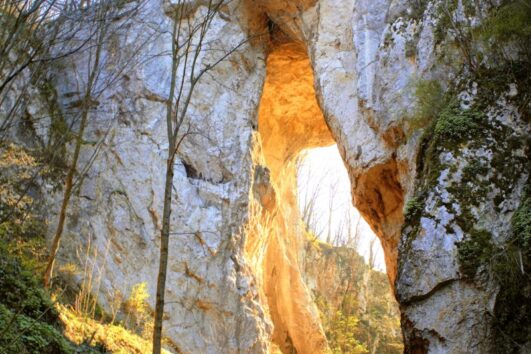
Beli Izvorac and Kozja Pećina
Spring and viewpoint elements that complete the route.
Beli Izvorac adds a water-source stop, while Kozja Pećina contributes a final cave-and-viewpoint perspective. Together they round out the natural side of the journey.
5 days
Eastern Serbia
Belgrade
March to November
Moderate hiking
12+
Human origins, archaeology, canyon walking, caves, viewpoints
Đerdap National Park, Lazar's Canyon, Lazar's Cave, Beli Izvorac, Kozja Pećina
Travelers who want active days with interpretation, not only scenic stops
The editor brief defines The Origin for March to November. Spring and autumn generally suit walkers who want cooler temperatures; summer gives longer daylight but more exposed sections on open terrain. After heavy rain, expect slower footing on natural paths.
This program is framed for ages 12+. It is best for travelers comfortable with repeated hiking days, uneven natural ground and time in cave or canyon environments. It is less suitable for visitors looking for short urban walks only.
Bring hiking shoes with grip, layers for changing temperatures, water, sun protection and a small daypack. Cave and canyon sections can feel cooler or damper than open viewpoints, so a light extra layer is useful even in warmer months.
Leave buffer time each day. Outdoor terrain, viewpoint stops and interpretation naturally make this route slower than a city museum day. Start earlier than you would for an urban sightseeing plan and avoid stacking long evening transfers after the hardest walks.
Ask Serbian Travel for a practical Serbia itinerary that fits your pace, arrival city and interest in archaeology, nature and hiking.
Stay connected in Serbia