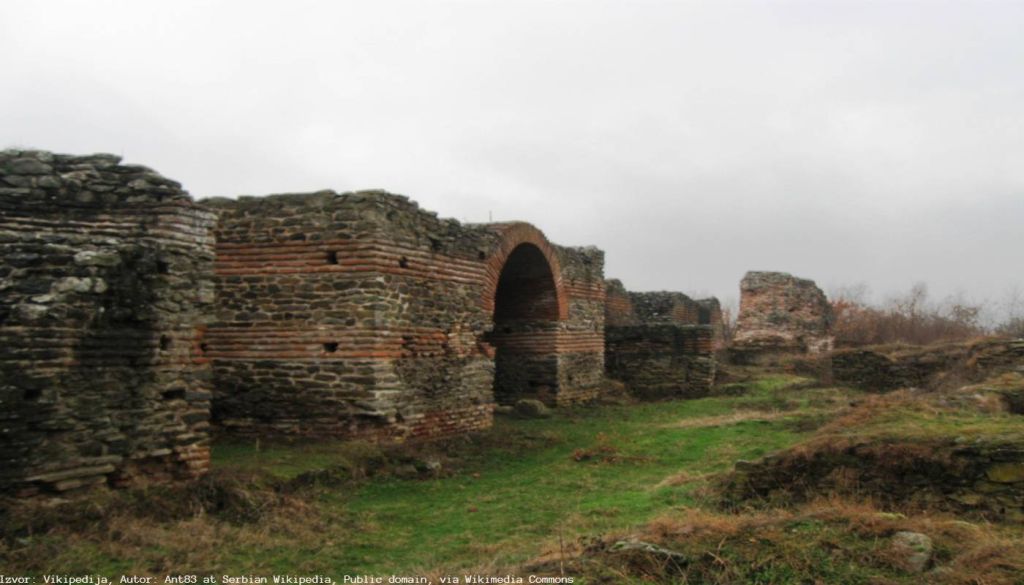
Caričin Grad archaeological site, southern Serbia; exact posted visitor address not confirmed in provided source

Caričin Grad is one of the key archaeological stops in southern Serbia for travelers interested in Late Antiquity and Byzantine urban history. The site is approached as a ruin field rather than as a fully reconstructed monument: you come to walk among foundations, defensive lines, church remains, and the footprint of a planned city that is generally linked to Emperor Justinian I. It works best for travelers already spending time in the wider Niš and Stara Planina travel region and for those combining Roman and Byzantine sites with the museums and monuments in Niš.
Caričin Grad is an Early Byzantine archaeological site in southern Serbia, dated to the 6th century and generally understood as a city probably built by Justinian I. What visitors actually see today is the physical outline of an organized urban center: ruined walls, streets, church structures, and the remains of civic and administrative buildings spread across a hilltop landscape. The place is most known for showing how a planned Byzantine city was laid out in stone rather than through isolated artifacts in a museum. The mood is open, quiet, and reflective, with more emphasis on walking and reading the terrain than on staged interpretation.
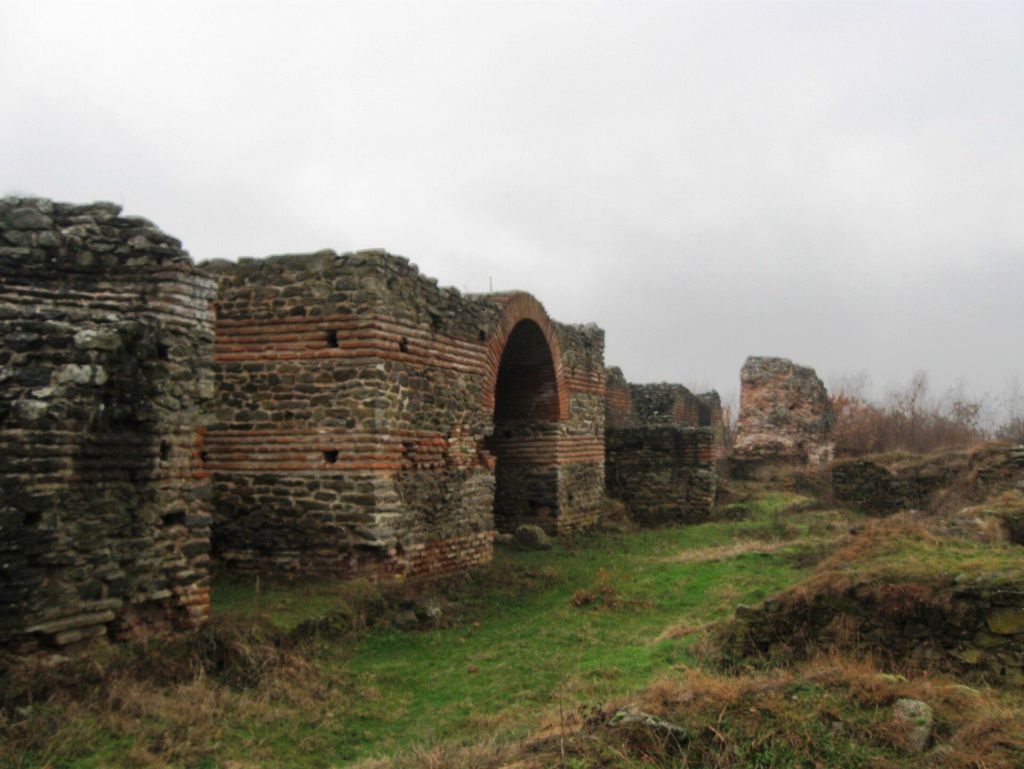
The reason Caričin Grad matters is not one single building but the way several parts of a Byzantine city survive together. Even in ruined form, the site lets you read the logic of a defended settlement with sacred, civic, and residential zones. That makes the visit different from stopping at a lone church ruin or a single fort wall. Here, the value is in walking the broader urban footprint: gates and fortifications suggest control and hierarchy, while church remains point to the religious importance of the settlement. For travelers interested in how power, faith, and urban planning met in the early Byzantine world, Caričin Grad is more rewarding than a quick photo stop.
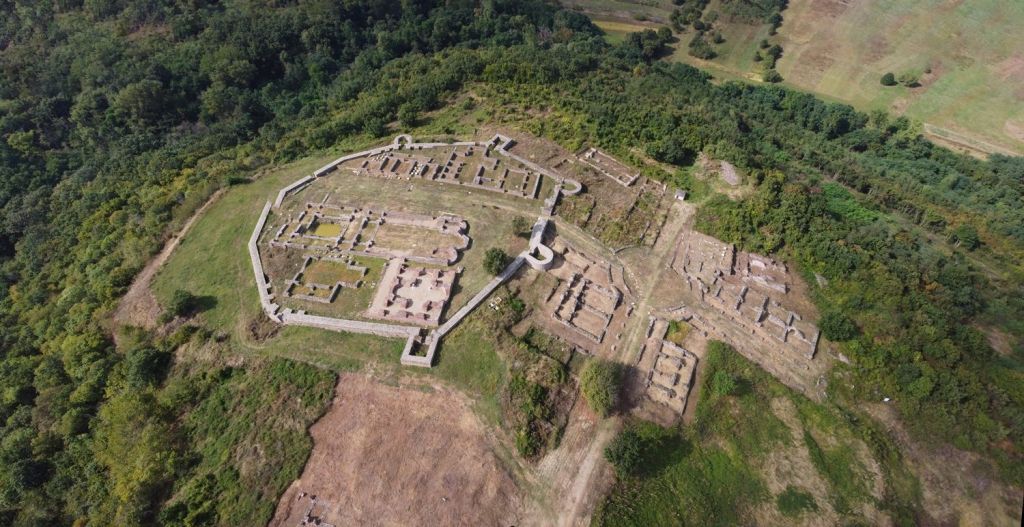
Caričin Grad is approached as a rural archaeological excursion rather than an urban stop. The provided source confirms the historical identity of the site but does not confirm current public transport line numbers, onsite parking arrangements, or official shuttle options. For most international visitors, the practical base is Niš, reached first and then continued by car or arranged local transport toward the archaeological zone. If you are building a wider route across southern and eastern Serbia, it also fits logically between Niš, Pirot, and mountain or history stops in the surrounding region. Before departure, use Serbia Transit Search: Buses, Trains & Practical Route Planning for the latest intercity connections to your base town, then confirm the final local leg separately.
Because the source set for this page does not verify walking directions from a specific nearby landmark, taxi fares, or bus stop names, it is best to treat the final approach as a navigation-dependent last-mile segment.

The best conditions for visiting Caričin Grad are generally dry daylight hours, when stone outlines and elevation changes are easier to read. Archaeological ruins are more rewarding when the ground is not muddy and when the sun angle helps distinguish walls and foundations from surrounding vegetation. A morning or late-afternoon visit is usually easier for walking and photography than the middle of a hot day. Since the source provided for this page does not confirm official opening hours, ticketing windows, or guided tour schedules, plan conservatively and verify current access before making a dedicated detour.
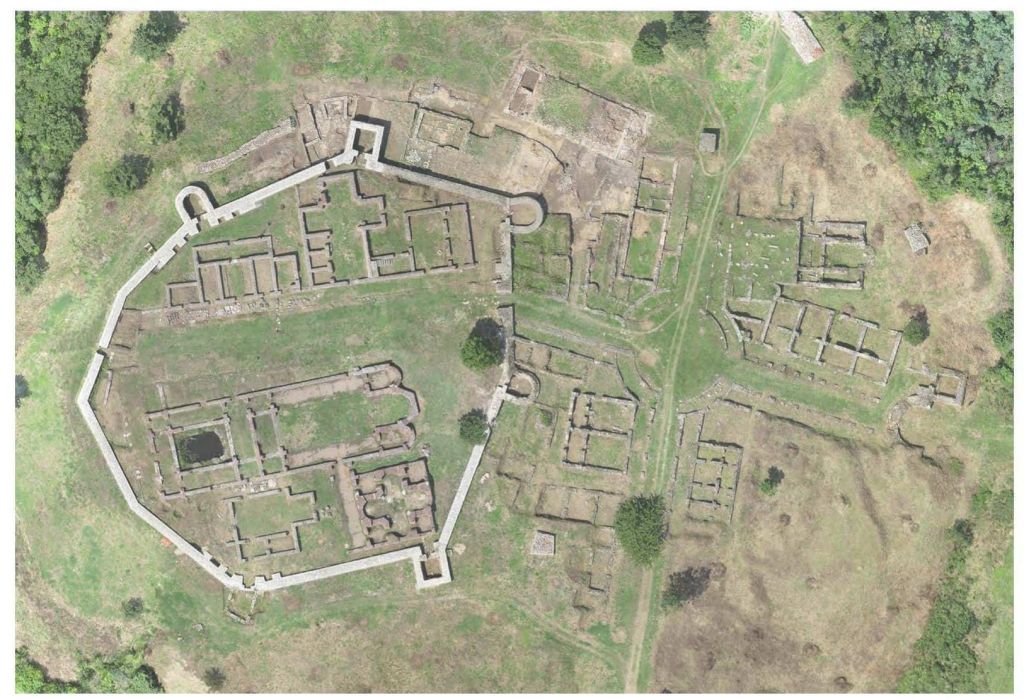
Expect an outdoor archaeological field rather than an urban museum setting. Surfaces may be uneven, shade may be limited, and the experience depends on your interest in reading foundations, terrain, and historical context. Wear stable shoes and bring water in warm weather. Families with older children who enjoy ruins and open-air history usually get more from the stop than travelers looking for a heavily animated attraction. Accessibility can be limited because archaeological grounds often involve rough paths and level changes; the source for this page does not confirm adapted access infrastructure. Dress is informal, and the atmosphere is quiet rather than social.
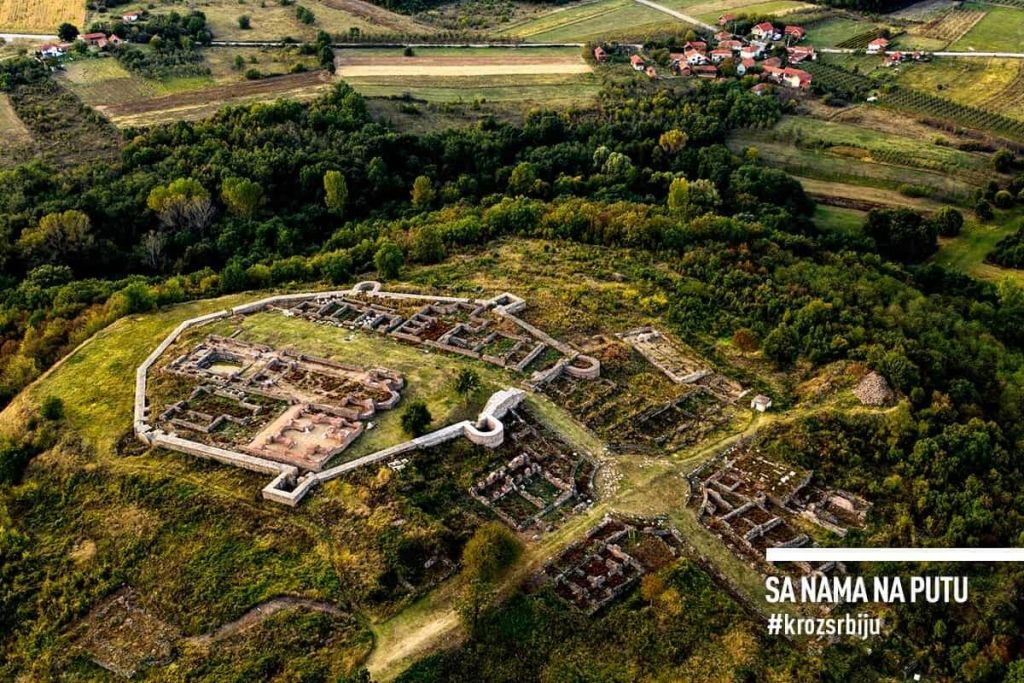
Give Caričin Grad around 45 to 60 minutes if you mainly want to walk the visible remains, get oriented, and understand the historical significance of the site.
Allow 90 minutes or more if you prefer tracing the site plan carefully, pausing at the church remains, and spending time with interpretive material if available on arrival.
Use the map to orient the archaeological site within southern Serbia and plan the final road approach.
The site is best understood as a connected ruin complex. These are the main elements most travelers focus on while walking the remains.
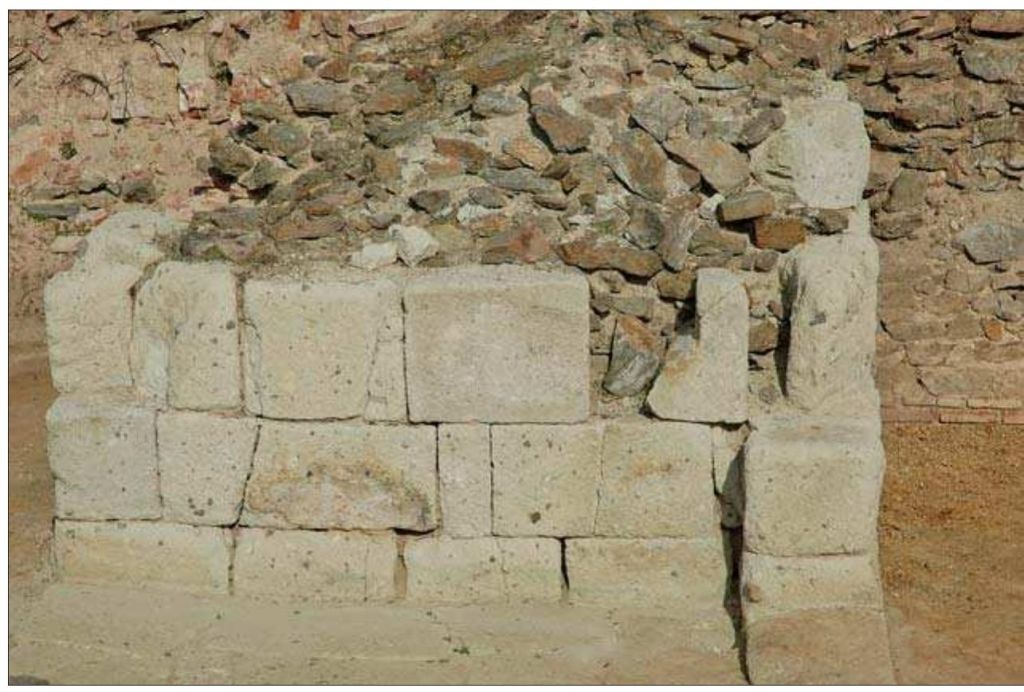
Fortification walls and gates
The defensive outline that frames the site.
Look first at the surviving fortification lines to understand the scale of the city and how movement was controlled between sectors.
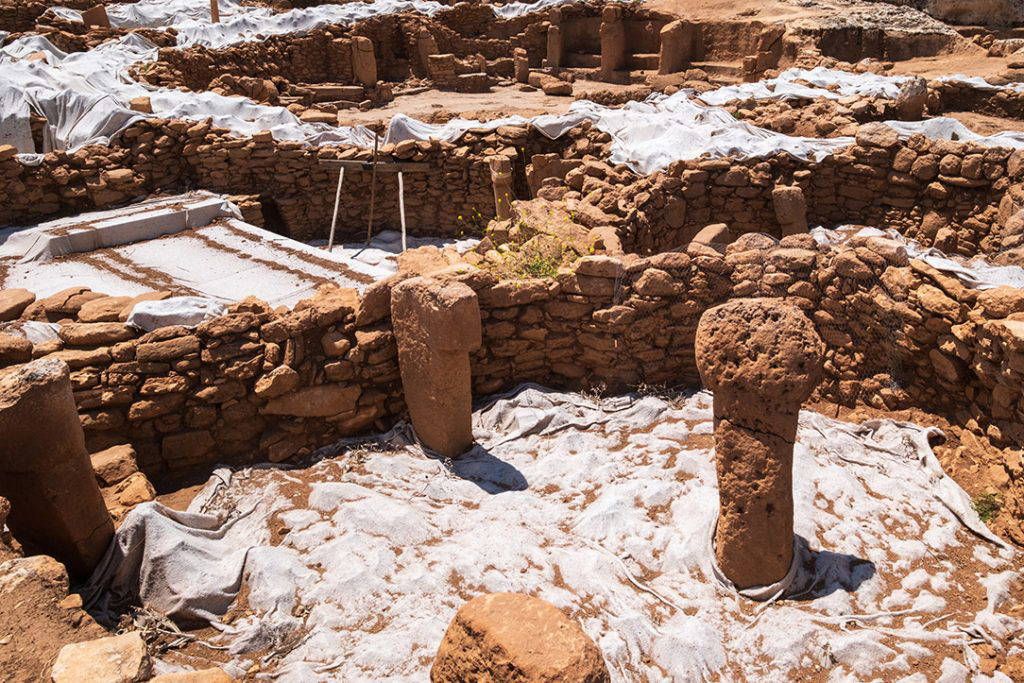
Upper town core
The elevated administrative and ceremonial heart of the ruins.
This area helps visitors read Caričin Grad as a planned center rather than a scattered ruin field, with the clearest sense of urban hierarchy.
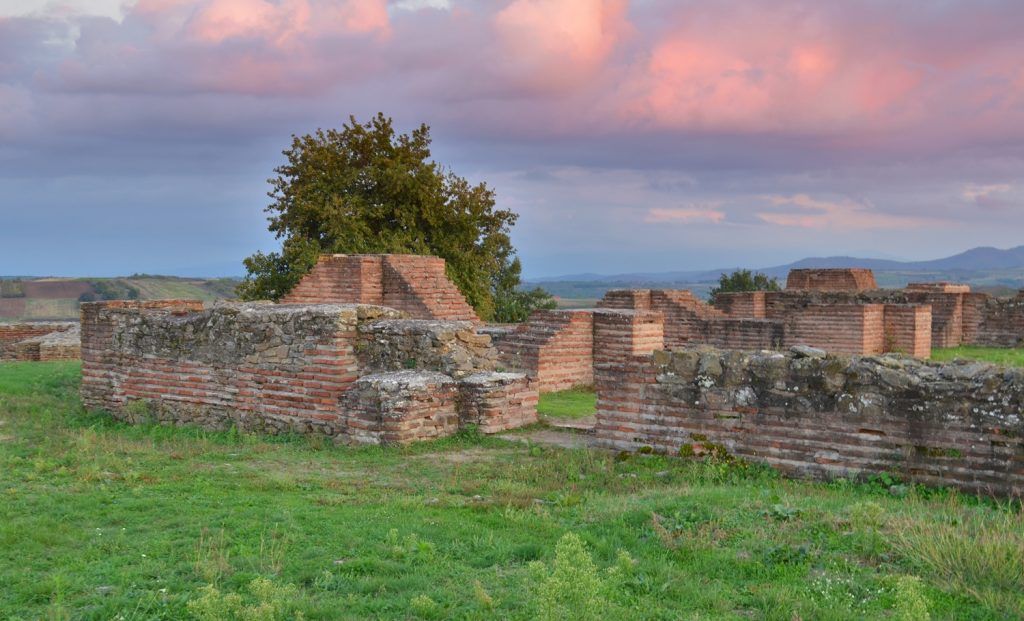
Church remains
Key evidence of the religious role of the city.
The church structures are central to understanding Caričin Grad as an Early Byzantine settlement with strong ecclesiastical importance.
Street grid and building foundations
The clearest way to grasp daily urban life in the settlement.
Following the street lines and foundation footprints gives context to how people moved, built, and organized space inside the city.
Caričin Grad archaeological site, southern Serbia; exact posted visitor address not confirmed in provided source
A rural archaeological zone in the Niš and Stara Planina wider travel region
6th-century Early Byzantine urban ruins, probably linked to Justinian I
Ticket price not confirmed in provided source
Dry daylight hours, ideally morning or late afternoon
Not usually associated with reservation-based visiting in the provided source; verify current arrangements before travel
The key dated fact in the source is that Caričin Grad belongs to the 6th century and is probably connected with Justinian I. That makes it relevant for travelers tracing the transition from Roman to Byzantine Serbia.
Caričin Grad suits travelers who enjoy archaeology, ruined city plans, and open-air historical sites. It is less suitable if you want a short indoor museum visit with dense multimedia interpretation.
Bring water, sun protection, and shoes with grip. The experience depends on walking and observing low stone remains across open ground.
For most travelers, Caričin Grad works best as a history stop within a southern Serbia route based around Niš and onward travel toward Pirot or Stara Planina.
Caričin Grad is an Early Byzantine archaeological site in southern Serbia dating to the 6th century, probably built by Justinian I.
People come to see the ruins of a planned Byzantine city, including fortifications, church remains, and the layout of an administrative center.
Many travelers can cover the main remains in under an hour, while archaeology-focused visitors may want around 90 minutes or longer.
It can work for families who enjoy outdoor historical sites and walking, but it is better for older children than for travelers expecting a highly interactive attraction.
Yes. The provided source for this page does not confirm current opening hours or ticketing, so it is sensible to verify practical details before setting out.
Pair Caričin Grad with Niš, Pirot, or a longer regional loop if you want history, archaeology, and mountain landscapes in one trip.
Stay connected in Serbia