Town-based craft tradition associated with Pirot

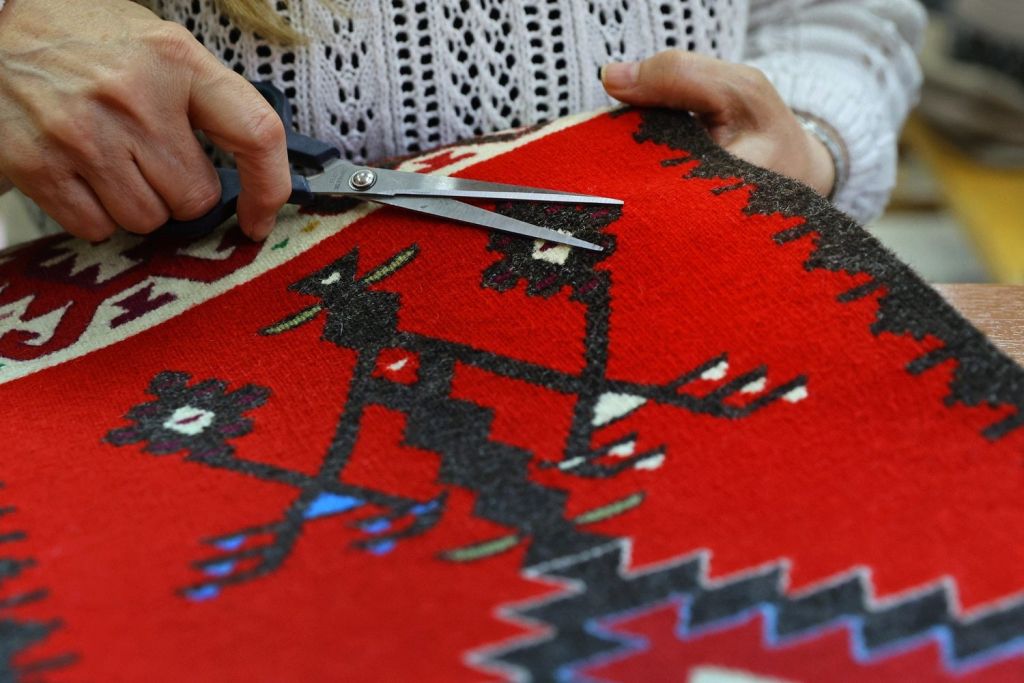
Pirot Carpet refers to the traditional kilim weaving craft associated with Pirot in southeastern Serbia. It is recognized for flat-woven construction, strong geometric decoration, and geographically protected identity. For travelers, it works best as a cultural stop inside a broader stay in Pirot: learn the visual language of motifs, look for locally made examples, and combine the visit with the town's wider heritage and a day in the Stara Planina area.
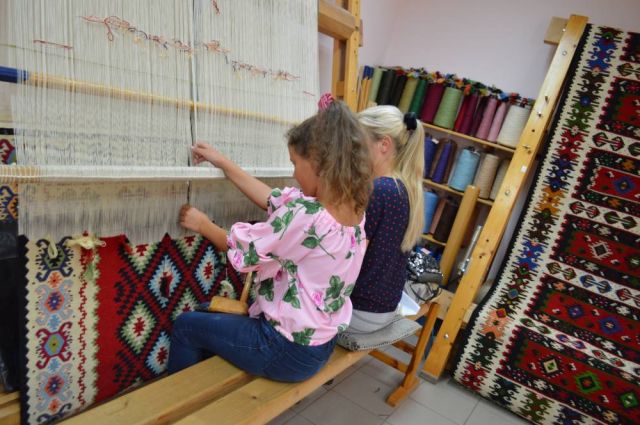
Pirot Carpet is the traditional woven carpet craft of Pirot, made in a flat-woven technique and identified with geometric ornament. In travel terms, it is not a single monument but a cultural object tied to local identity, making sense as part of a wider stay in Pirot. The craft is especially known for its patterned surface rather than pile texture, and that gives it a clear visual character even to first-time visitors. The overall feeling is workshop-based and domestic rather than monumental: you are looking at a living applied art with roots in everyday use as well as regional symbolism.

The core speciality of Pirot Carpet is its geometric pattern language. What matters here is not only that the motifs are decorative, but that they belong to a named local weaving tradition associated with Pirot itself. That regional link is why the craft is described as geographically protected. For visitors, this changes how you look at a carpet: not as a generic souvenir textile, but as a work tied to place, method, and inherited design vocabulary. Flat weave is also important. It produces a different feel and appearance from thick pile carpets, so lines, borders, repeated forms, and color relationships become the main things to study up close.
Pirot Carpet is a town-based craft theme, so the practical goal is getting to central Pirot rather than reaching one isolated site. From Pirot's central area, most likely starting points for a carpet-focused walk are the main streets and heritage landmarks in the center; expect a short walk of roughly 5 to 15 minutes between central orientation points. If you arrive by local taxi from the bus or rail area, fares for short rides within town are usually local-distance rather than intercity, but confirm before departure. Parking is easiest when you leave the car once and continue on foot. For wider regional planning, use the transport tools in the main Pirot Travel Guide or the broader Serbia Transit Search.
Pirot Carpet works best during daytime, when shops, museums, and local institutions are most likely to be operating. It is also one of the easier cultural themes to add to a mixed itinerary: a half day in town can cover the main context, while a longer stay lets you combine urban heritage with time in Stara Planina or a mountain day around Babin Zub. If your priority is buying rather than general learning, weekdays are usually more practical than late evenings, Sundays, or holiday periods, when smaller craft-related businesses may have limited opening routines.

Expect a cultural subject rather than a single spectacle. The value for visitors lies in seeing how a local object carries regional identity through technique and pattern. Dress is casual. Accessibility depends on the specific shop, museum, or public building you enter rather than on the craft itself. Families can do this easily because the visual side of the carpets is immediate even for children, though the experience is quieter and more observation-based than interactive. Bring cash and a card, since small retail points can differ. If you plan to purchase, photograph labels and ask direct questions about origin, making method, and whether the piece is locally produced.

Pirot Carpet is associated with flat weaving rather than plush pile. That makes the design appear crisp and planar, with strong emphasis on edges, repetition, and motif structure.
The carpet is treated as a regional craft of Pirot, not just a decorative product. Its protected status matters because it ties the object to origin and local tradition.
Use central Pirot as the starting point for understanding the carpet tradition and asking about current viewing or buying points.
These places help travelers understand the setting of Pirot Carpet. Because the source context for this topic is limited, treat them as context points for a cultural walk rather than a guaranteed list of dedicated carpet venues with fixed public programs.
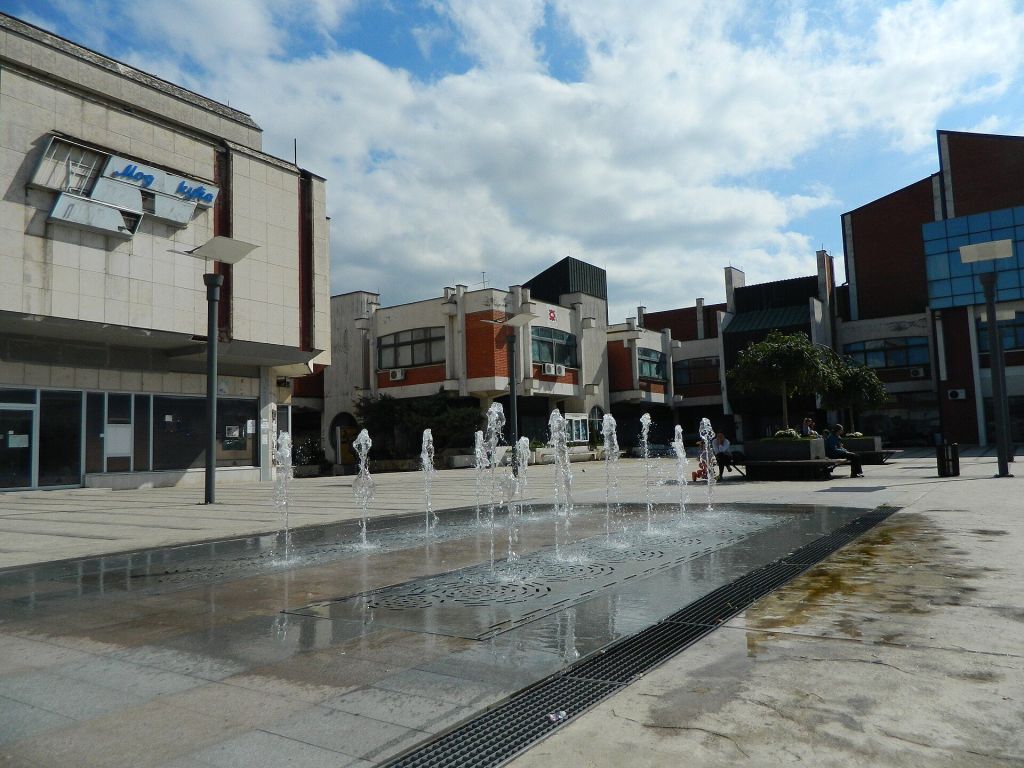
Pirot town center
The most practical base for asking locally about traditional craft and locally made textiles.
Start in central Pirot if you want orientation, local recommendations, and a sense of how the carpet tradition sits inside everyday town life.
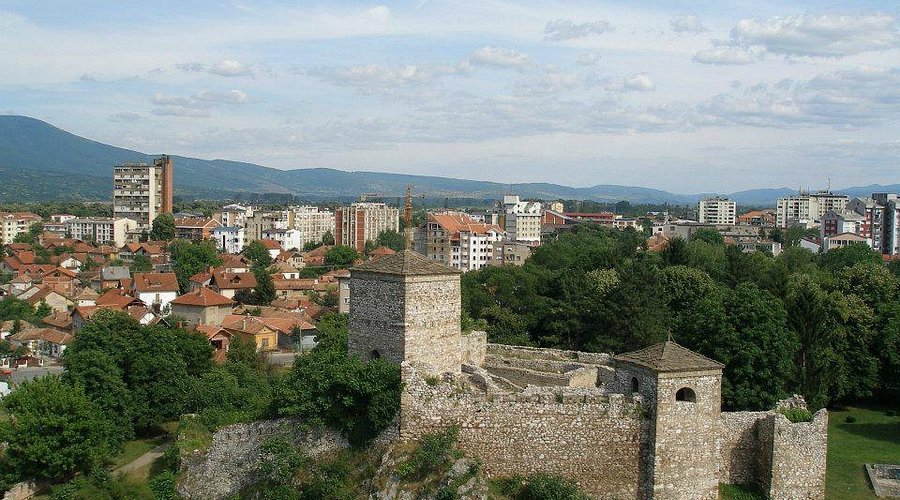
Pirot Fortress area
A logical landmark to combine with a craft-focused walk in Pirot.
Use the fortress zone as a reference point when planning a short heritage route that includes local craft context and old-town atmosphere.

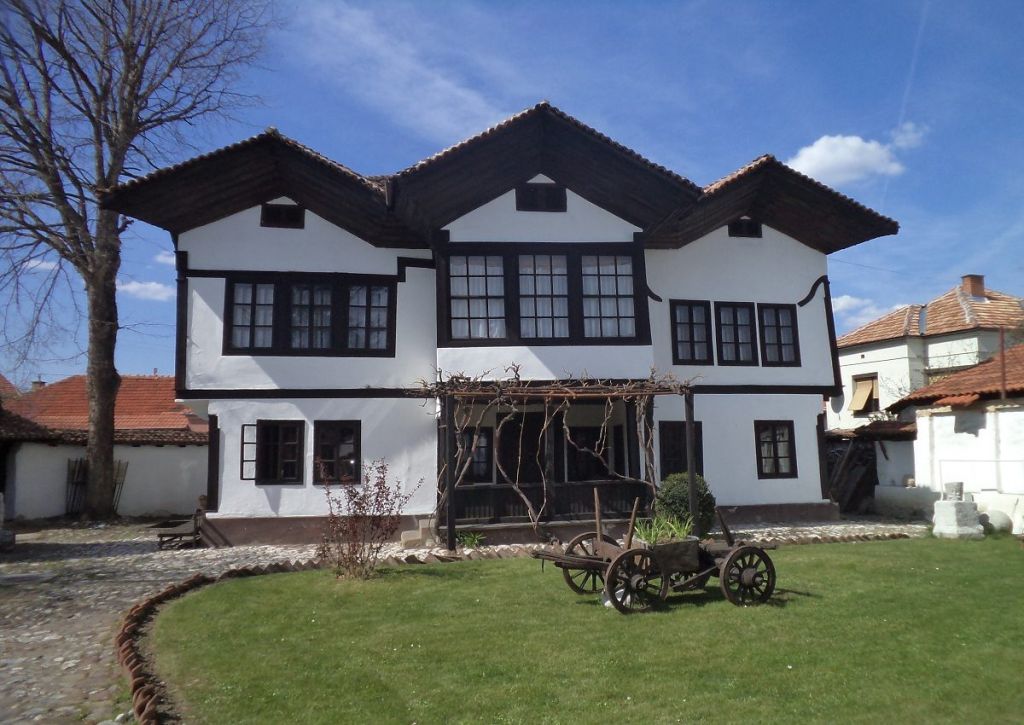
Ponišavlje Museum context in Pirot
Useful historical setting for understanding local material culture around Pirot.
If available during your visit, museum context helps place carpet weaving inside the wider regional story of domestic life, craft, and identity.
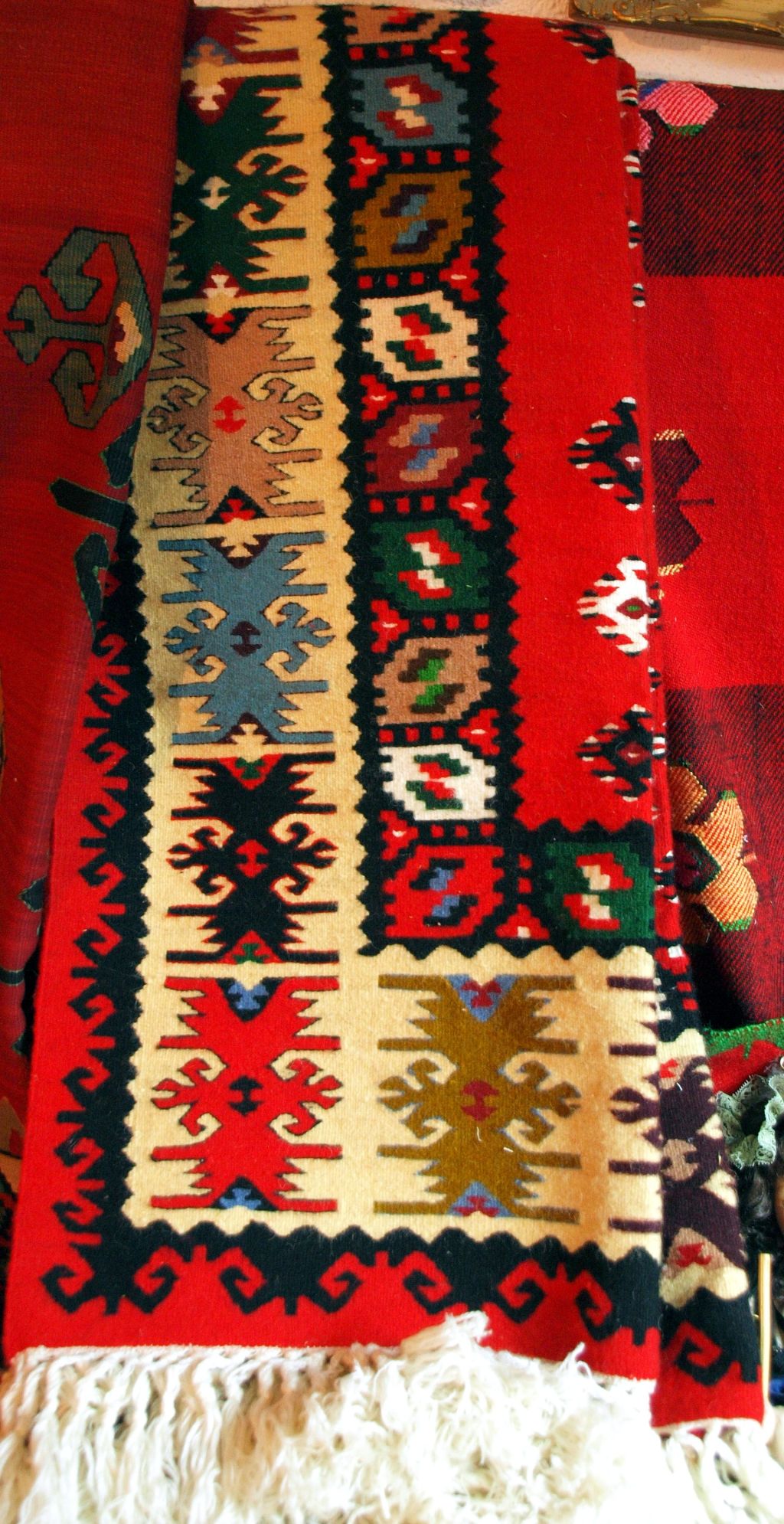
Traditional craft and textile shops in Pirot
The most direct way to see what is being sold or discussed locally under the Pirot carpet tradition.
Ask locally for current craft shops or sales points rather than relying on a fixed list, since availability can change.
Town-based craft tradition associated with Pirot
Central Pirot / Pirot Fortress area
Flat-woven carpet craft with geometric motifs
Varies by size, maker, and point of sale
Daytime on a weekday
No for general browsing; ask ahead for specialist visits
Look first at the geometry rather than the whole object. Borders, repeated motifs, mirror symmetry, and color balance are usually easier to notice than technical weaving details. If you are shopping, ask whether the piece is locally made and how the pattern is identified.
Unlike a museum with a single fixed entrance routine, Pirot Carpet is best planned as a theme within your Pirot stay. Build time for local browsing, museum context, and conversations about craft rather than expecting one standard ticketed visit.
The provided source context identifies Pirot Carpet as a traditional craft with geometric patterns and protected origin, but does not supply a fixed list of official venues, timetables, or ticket prices. For current buying or viewing points, confirm locally once in Pirot.
It is the traditional carpet or kilim weaving craft associated with Pirot, recognized for geometric patterns and flat-woven construction.
No. It is better understood as a local craft tradition connected with Pirot rather than one single ticketed site.
Its importance comes from the combination of local origin, recognizable motif language, and geographically protected identity.
Potentially yes, but current sales points and stock vary. Ask locally in central Pirot for current craft and textile recommendations.
For basic cultural context, allow one to three hours within a Pirot walk. Longer if you are researching, shopping, or combining museums and town heritage.
Use Pirot Carpet as one part of a wider southeastern Serbia itinerary.
Stay connected in Serbia