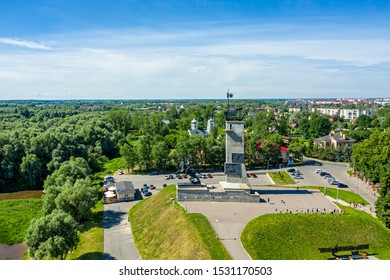
Takovo bb, 32304 Takovo, Gornji Milanovac, Serbia

Begin with the museum exhibition to establish the chronology, then read the oak memorial, monuments and wooden church as later layers of remembrance. The branch publishes regular weekly hours and one combined admission, but it does not publish an online reservation link, a standard guided-visit duration, a current public-transport timetable or guaranteed all-day church access. Confirm any access that matters to your visit before travelling.
The complex is arranged around a former village school, a timber church and an open memorial ground. These elements belong to different periods, so the visit reads less like a single preserved scene and more like a record of how one political event acquired physical symbols over time. Within Šumadija’s cultural and historic sites, Takovo has a specific role: it connects the 1815 uprising with later museum interpretation and public commemoration. The mood is reflective rather than spectacle-led, and the details become clearer when the indoor chronology comes before the outdoor monuments.
Takovo’s defining subject is the Second Serbian Uprising, associated here with Miloš Obrenović and 23 April 1815. The episode did not stand alone: the museum places it within the Serbian Revolution from 1804 to 1839, allowing visitors to connect the uprising with the longer process of political change rather than treating one date as an isolated ceremony.
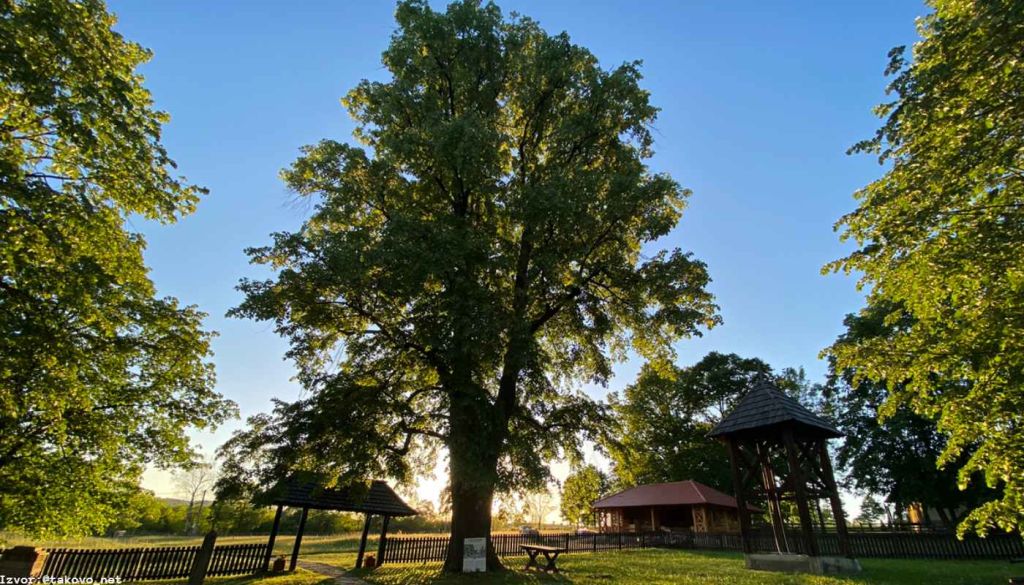
That broader frame is what makes the memorial landscape meaningful. The oak tradition marks collective memory, the church belongs to the setting that preceded the uprising, and later monuments show how subsequent generations chose to represent the event. Moving between them reveals a distinction that is easy to miss from photographs: Takovo preserves several periods of remembrance, not an untouched 1815 setting.
Use the Takovo branch as the destination rather than the museum headquarters in Gornji Milanovac. The two locations have different visitor functions, and headquarters contact information should not be mistaken for the entrance to the memorial complex.
No verified walking time from a named transport stop, numbered public bus line, current bus timetable, typical taxi fare, parking arrangement or parking tariff is published for the complex. Independent visitors without a car should confirm a same-day connection or local taxi arrangement before departure. Drivers should navigate to the Takovo branch and ask locally about the appropriate parking position rather than assuming that the memorial ground itself is a vehicle area.

Weekdays provide a broader published museum window than Saturdays and Sundays, making them the more flexible choice for travellers building Takovo into a regional drive. No separate seasonal schedule has been published, so check again if visiting around public holidays or during a period when local institutions may alter their hours.
If the wooden church is a priority, contact the branch before setting out. A general reservation requirement is not published, but advance contact is sensible for groups, guided interpretation or any visit dependent on church entry. No reliable crowd pattern is available, so timing should be based on access rather than assumptions about quiet periods.

The visit shifts between an indoor historical exhibition and an outdoor commemorative setting. Documents and museum objects establish names and dates; the oak remains, church and monuments then show how those events acquired material symbols. This makes Takovo suitable for travellers interested in political history, public memory and vernacular religious architecture rather than a large collection of unrelated displays.
A verified step-free route, accessible toilet, family programme, cloakroom, photography policy, interpretation language list and noise profile are not published. Families can still use the painting, timber architecture and memorial trees as visual points of reference, but no dedicated children’s provision should be assumed. Wear clothing and footwear appropriate for moving between an interior and outdoor ground. Ask staff about church etiquette and photography instead of applying a general rule to this particular building.
The name Takovski Grm directs attention to an oak, but the historical object and the living landscape must be kept separate. The original memorial oak was lost in 1901. Parts of it were preserved, and the permanent exhibition uses those remains to connect a physical object with the tradition attached to the uprising.
Successor trees continue the commemorative idea, yet their disputed dating should not be converted into a precise claim. What matters for a visitor is the sequence: an oak associated with the events became a national symbol, the original tree disappeared, material remains entered museum care, and later trees sustained the place-name. Reading that sequence avoids the common mistake of treating a present-day oak as a living survivor of 1815.
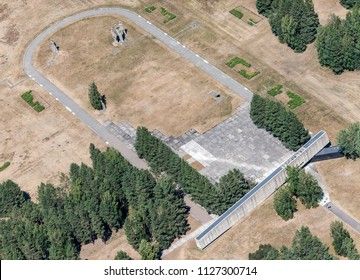
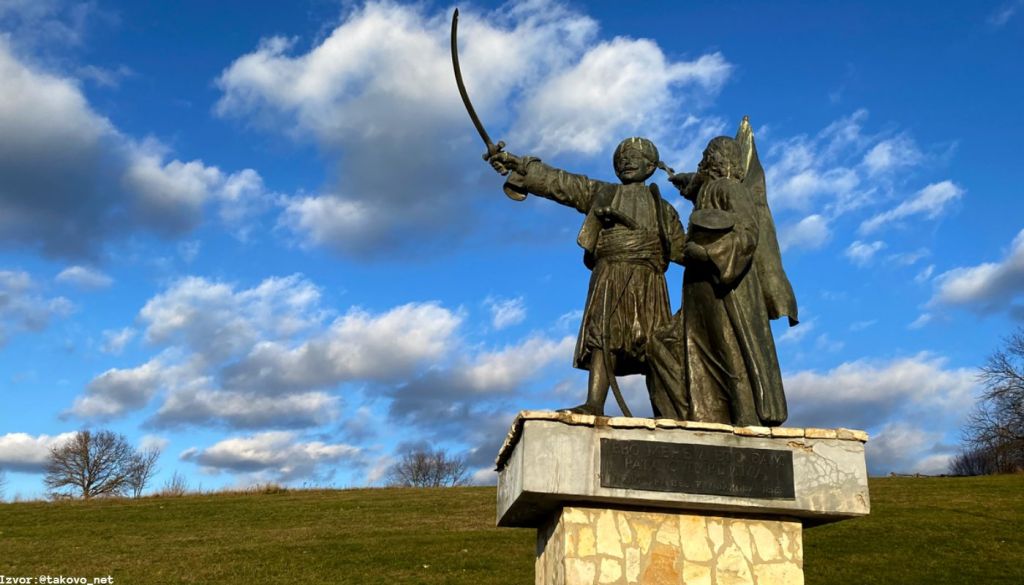
The outdoor memorial ground did not appear in a single campaign. Its nineteenth-century monument belongs to an earlier phase of public commemoration, while a later sculpture adds another interpretation of the uprising and Miloš Obrenović. Neither should be read as an object present during the events themselves.
This chronological distinction changes the visit. Instead of looking for one definitive memorial, notice how the setting combines the absent original oak, its successors, formal monument-making and figurative representation. Each layer answers a different need: preserving a place-name, marking a political event and giving historical memory a recognisable human focus. Interpretive signs or staff guidance should be used for details rather than assumptions based on style alone.
The museum branch opened in 1994 inside a former school built in 1891. That pairing gives the building two historical identities: a village educational institution from the late nineteenth century and a museum created a century later to interpret the revolutionary era.
The conversion also places formal historical study beside the memorial landscape rather than separating documents from commemoration. Inside, the uprising can be examined through a dated sequence and surviving material; outside, visitors encounter the symbols through which it was remembered. The former school is therefore more than a container for exhibits. It is the point where Takovo’s local setting becomes an organised account of Serbian political history.
The permanent exhibition, titled “The Second Serbian Uprising and the Serbian Revolution 1804–1839,” places Takovo within a thirty-five-year historical frame. Documents and other exhibits establish the political sequence, while remains of the historical oak connect the gallery directly to the memorial ground outside.
Paja Jovanović’s painting of the Takovo uprising was created in 1895, eighty years after the 1815 event. It should be viewed as a later artistic construction of national memory, not an eyewitness record. That distance is part of its value: the painting shows how the uprising was visualised for a later public. Seen beside documentary material and the oak remains, it helps visitors distinguish historical event, surviving object and subsequent representation.
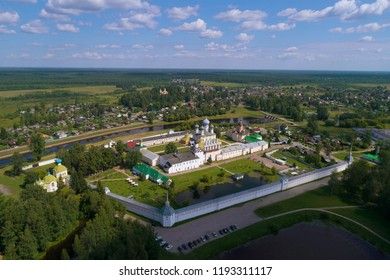
The Church of St George dates from 1795, placing its timber structure before the Second Serbian Uprising. That date gives it a different role from the later monuments: it belongs to the built environment inherited by the generation associated with 1815 rather than to a memorial programme created afterward.
Its wooden construction also introduces vernacular architecture into a visit otherwise centred on political history. Look at the building as a historical structure in its own right, not merely as a backdrop to the uprising narrative. Interior opening arrangements are not guaranteed for every hour of the outdoor visit. Local rules for worship, clothing and photography are not published as a fixed visitor policy, so request guidance on site and follow any instructions given at the church.
The Takovo branch has its own schedule and contact channel, separate from the museum headquarters in Gornji Milanovac. The published admission is bundled rather than divided among the exhibition, church and memorial ground. No online booking or reservation page is available, and a standard guided-tour format, group-guide guarantee and visit duration are not published.
For current ticket sales, church entry or group arrangements, use the Takovo branch telephone or the Museum of the Rudnik-Takovo Region email. The official Museum in Takovo visitor information should be checked again shortly before travel. Asking the branch directly is particularly important when one component, rather than the museum exhibition alone, determines whether the journey is worthwhile.
Takovo works as a focused study of uprising memory, while Oplenac and Topola royal heritage examines a different phase of Serbian state and dynastic history. The two subjects complement one another, but no timed circuit, scheduled connecting tour or direct public-transport link between them is established. Treat each as an independent visit and calculate road time separately.
Travellers continuing beyond central Serbia can shift from political memorials to the monasteries, river valleys and mountain landscapes covered in the guide to Western Serbia’s monasteries, gorges and mountain routes. That wider journey requires separate transport planning; Takovo should not be presented as a confirmed transit stop on a scheduled western route. The strongest sequence is thematic rather than logistical: uprising history in Takovo, royal history around Topola and broader religious or landscape heritage farther west.
Sources cross-checked for this guide:
Last checked: 18 October 2026. Compiled and reviewed by the editorial team led by Patrick; facts were checked against the official sources listed above.
Historical and visitor information checked on 9 October 2026. Opening arrangements, prices, transport and church access can change and should be reconfirmed before travel.
The mapped search uses the published postal address for the Takovo branch rather than the museum headquarters in Gornji Milanovac.
Four named stops carry the historical argument of the complex. Operational details are published most clearly for the museum; separate access conditions for the church and outdoor memorial elements should be confirmed locally.
Museum of the Second Serbian Uprising in Takovo
The permanent exhibition follows the Serbian Revolution from 1804 to 1839 through documents, objects, oak remains and historical art.
The branch occupies the former Takovo school and is the clearest place to establish the chronology before walking through the memorial ground.
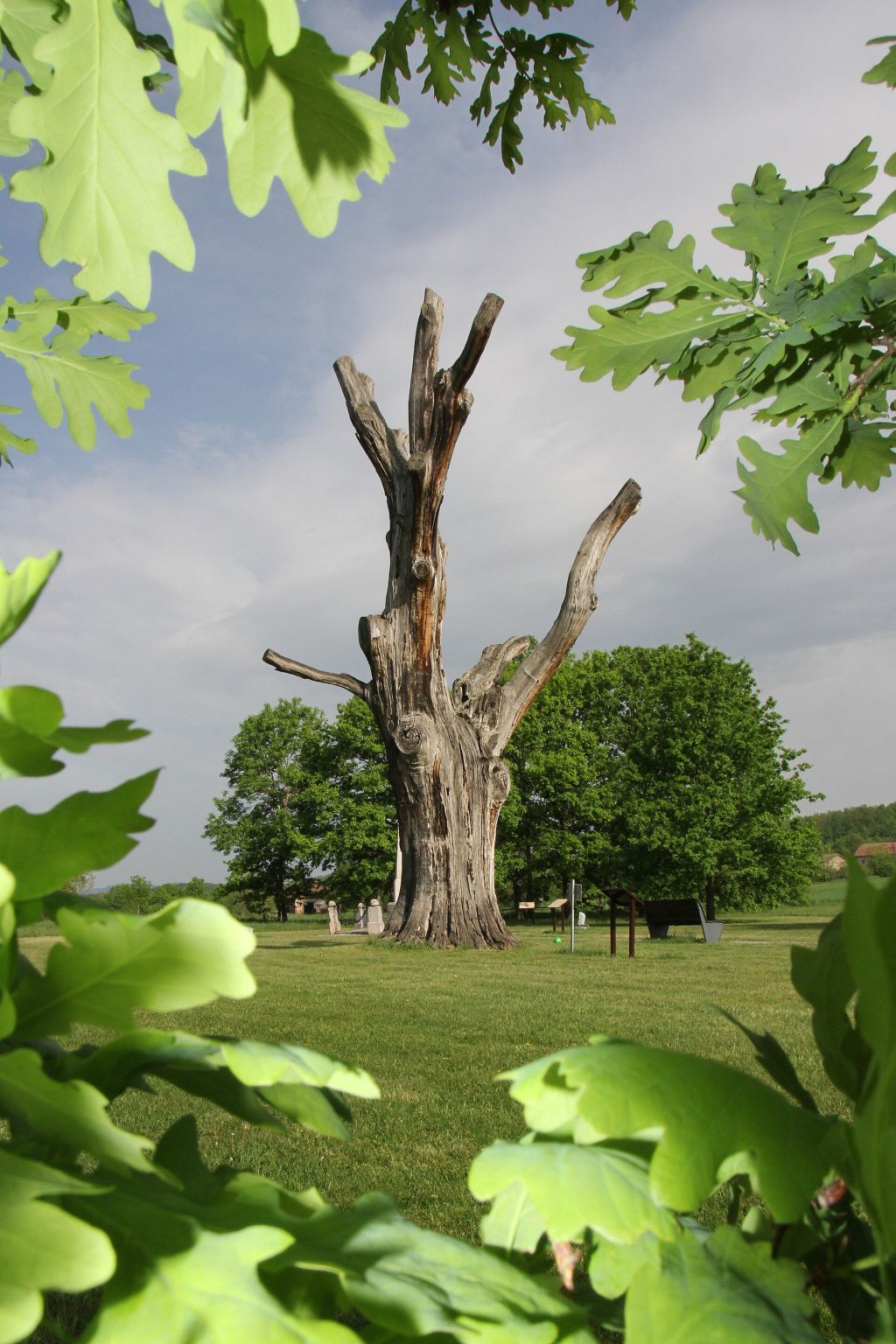
Takovski Grm
The memorial place preserves the oak tradition associated with the 1815 uprising without presenting the present tree as the original oak.
Read the successor trees, historical oak remains and monuments as separate layers of commemoration created after the uprising.
Church of St George in Takovo
A wooden church dated to 1795 that places the uprising memorials beside a surviving building from before 1815.
Interior access, photography arrangements and religious etiquette should be requested on site rather than assumed in advance.
Takovo Uprising Monument
A nineteenth-century monument in the memorial ground forms part of the site’s later public interpretation of 1815.
Its period should be distinguished from both the uprising itself and the later sculpture in the commemorative landscape.
Takovo bb, 32304 Takovo, Gornji Milanovac, Serbia
Takovski Grm memorial ground
Second Serbian Uprising heritage landscape
300 RSD combined admission is listed
During the published museum branch schedule; confirm church access
Not published; contact the Takovo branch to confirm
Takovo branch telephone
Museum email
The living oak seen in the memorial landscape is not the original tree associated with 1815. The historical oak was lost in 1901, while preserved remains form part of the museum interpretation.
The listed ticket combines the museum with a visit to St George’s Church and Takovski Grm. Current point-of-sale availability, group guiding and guaranteed church entry are not established, so reconfirm the scope when those elements are essential.
Do not assume that the church interior is continuously open whenever the outdoor memorial ground can be approached. Ask the Takovo branch about entry, photography and appropriate conduct for the intended date.
No. The original memorial oak was lost in 1901. The landscape contains successor trees, while preserved remains of the historical oak form part of the museum interpretation.
The published ticket is listed as covering the Second Serbian Uprising Museum, St George’s Church and Takovski Grm. Reconfirm the current sale and church-entry arrangements before travelling.
A general reservation requirement and online booking link are not published. Contact the Takovo branch directly for groups, guiding or a visit dependent on church access.
A standard visit duration is not published. Allow for both the indoor exhibition and the outdoor memorial elements, then fit the visit within the branch schedule.
Guaranteed all-day interior access is not published. Ask the Takovo branch about opening, photography and local conduct for the intended date.
No verified numbered line or current public timetable is published in the visitor information reviewed for the complex. Confirm local transport before departure if you are not driving.
Stay connected in Serbia