
Nebojša Tower in brief
Nebojša Tower is a medieval defensive tower at the lower Danube side of Kalemegdan Fortress in Belgrade. Visitors usually come for the fortress setting, the river-edge walk, and the sense of how the old defenses met the water. It pairs naturally with a slow circuit of the lower fortress paths and the Kalemegdan Park side above it.
Nebojša-Turm
Nebojša Tower is a historic tower on the Danube-facing side of Kalemegdan Fortress in Belgrade. It stands near the lower fortress edge, where the walls descend toward the river and the old military landscape becomes more exposed to wind, traffic, and open views. The tower is part of the fortress's layered defensive system, and its position explains why it still feels separate from the more visited upper park zone. The mood here is quieter, with fewer casual walkers and more people making a deliberate stop on the way to the river promenade.
The tower's role at Nebojša-Turm
What makes Nebojša Tower specific to Belgrade is its fortress-edge placement at the Danube, not just its age. A tower like this was built to watch and defend the river approach, so the site makes most sense when you read it together with the slope, the walls, and the line of sight over the water. That is different from a detached monument in a city square. Here, the location is the point: the tower works as a piece of military architecture, a landmark for the lower fortress, and a reminder that Kalemegdan was designed to control movement by land and water.
The tower and the lower Danube fortress edge
Nebojša Tower is not a standalone sightseeing stop; it belongs to the lower Danube belt of Kalemegdan, where the fortress landscape is steeper, more exposed, and more closely tied to the river. The real speciality here is the combination of wall fragments, slope, water views, and fortress history in one compact walk. Visitors who only stay near the main park overlook miss the logic of the tower. This is where the fortress meets the Danube, and where the old defensive line becomes easy to read on foot. If you are already exploring Belgrade’s old core, the route pairs naturally with Stari Grad Belgrade's old town streets and the river-facing part of the fortress.
How to get to Nebojša-Turm
From Republic Square, walk through Knez Mihailova to Kalemegdan in about 15 to 20 minutes, then continue down toward the lower fortress paths for another 10 to 15 minutes depending on your starting point inside the park. By public transport, buses and trolleybuses serve the central area around Studentski Trg, Zeleni venac, and the fortress approaches; the closest practical stops are usually around Studentski trg, Zeleni venac, or Kosančićev venac, with the exact walk depending on your chosen route. Taxis from the city center are typically a short fare, but the final approach is easier on foot because the lower fortress paths are pedestrian-focused. Parking near the fortress is limited, so do not plan to drive all the way to the tower entrance.
Best time to visit Nebojša-Turm
The tower is easiest to visit in the morning or late afternoon, when the lower fortress paths are calmer and the river light is softer. Weekdays usually feel less crowded than weekends, especially in warmer months when Kalemegdan becomes a general stroll area. Spring and early autumn are the most comfortable seasons for the descent to the Danube edge. If you want a slower visit, avoid arriving in the middle of a hot weekend afternoon. Bring water, and if you plan to stay for photos or a longer walk, allow time for the return uphill route.
What to expect at Nebojša-Turm
Nebojša Tower is an outdoor heritage stop rather than a polished museum visit. Expect uneven ground, slope, and a stronger wind off the river than in the upper park. Casual clothes and good walking shoes are the practical choice. Accessibility is limited because the route runs through fortress paths and stepped terrain. Families can manage the walk if everyone is comfortable with inclines, but it is not a stroller-friendly circuit in every section. Bring water, a phone with offline map access, and a light layer if you visit outside summer.
Where Nebojša-Turm is
The tower sits on the Danube side of Kalemegdan Fortress in Belgrade, below the main park level and above the river promenade.
Best nearby stops in Nebojša-Turm
These are the most relevant stops when you want to make sense of the tower, the lower fortress, and the immediate Kalemegdan area around the Danube edge.
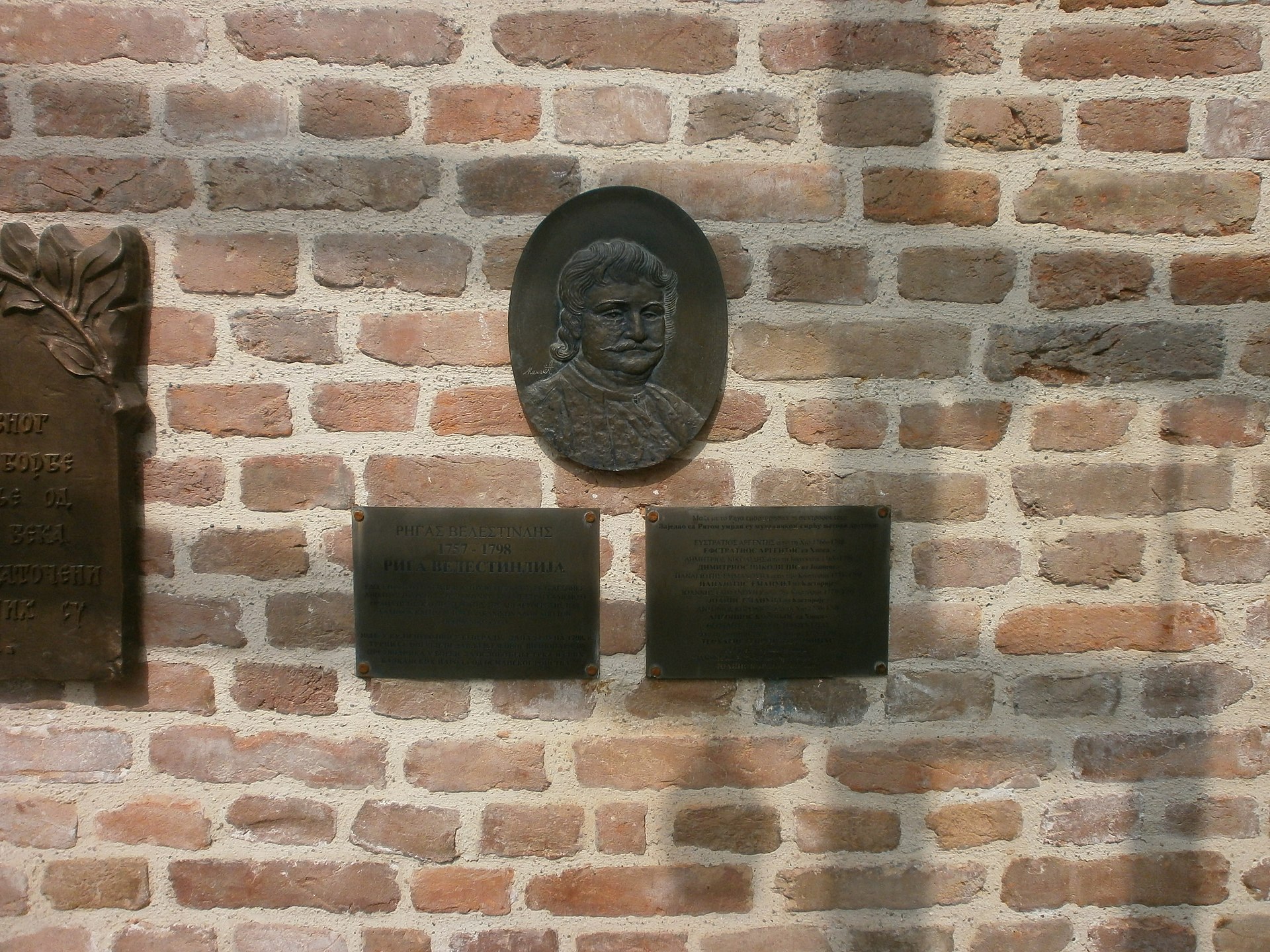
Nebojša-Turm
Historic tower at the lower fortress edge; best for reading the Danube-side defenses and the river-facing setting.
A compact stop for visitors who want a direct look at the tower itself and the fortress landscape around it.

Römische Quelle, Kalemegdan, Belgrade
The fortress well and legend site in the same fortress zone.
A short detour if you want another underground-origins stop inside Kalemegdan's history layer.
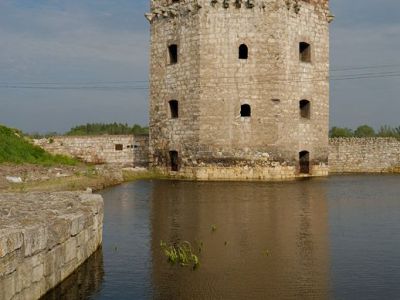
Sahat-Uhrenturm, Belgrade
Ottoman-era clock tower near the fortress complex.
Useful for comparing the fortress's different periods and reading the site as a timeline rather than a single monument.
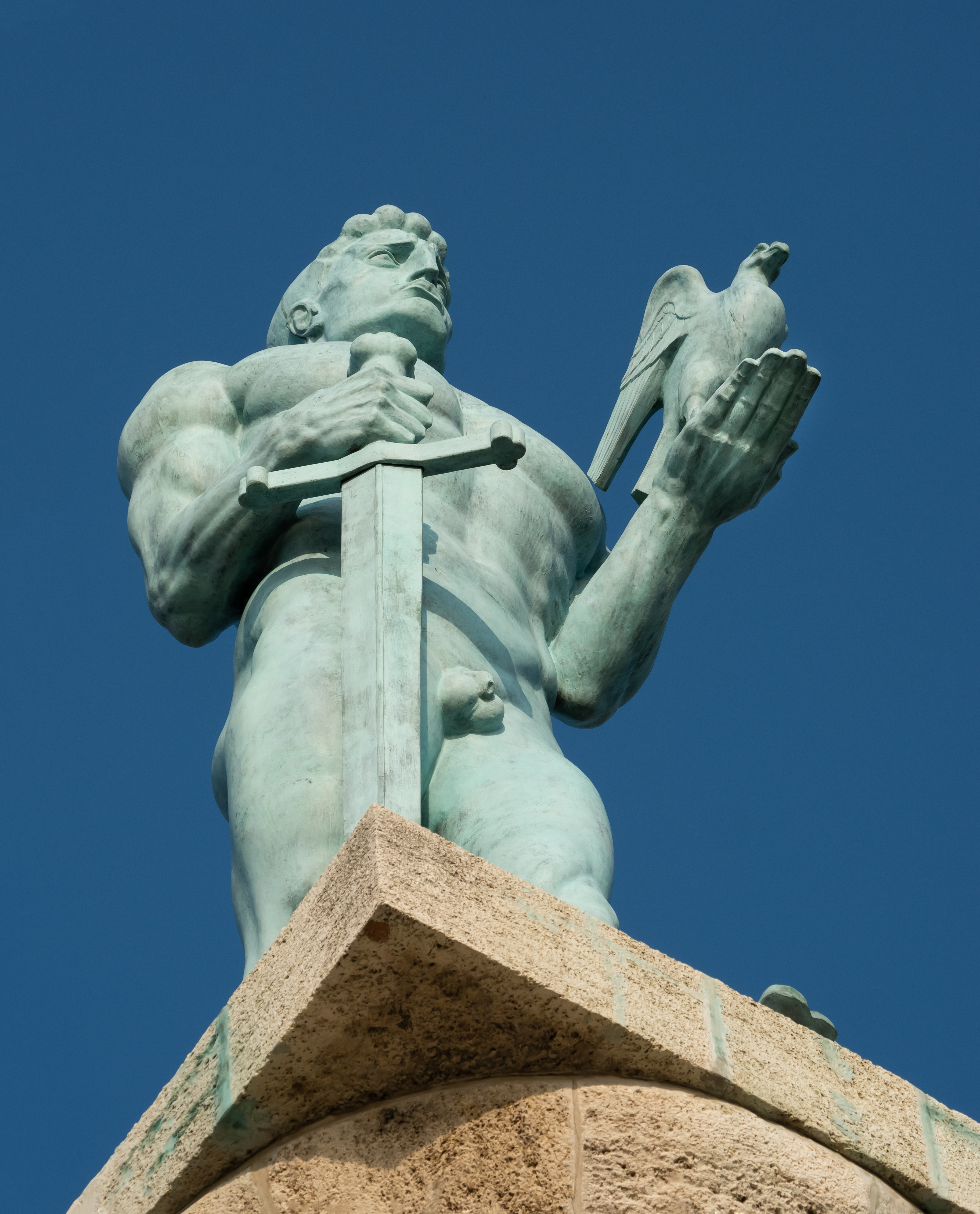
Pobednik-Denkmal, Belgrade
The monument above the riverside axis with broad views over the Sava and Danube.
A good companion stop if you want to understand the wider fortress panorama after the lower river edge.
Quick facts about Nebojša-Turm
Lower Kalemegdan, Danube side, Belgrade
Kalemegdan Fortress and the Danube promenade
Historic fortress tower at the river edge
€
Morning or late afternoon; spring and early autumn
No for the exterior; check current access for any interior visit
The tower sits in a fortress landscape with uneven surfaces and a downhill approach. Plan the visit as part of a longer Kalemegdan walk rather than as a quick doorstep stop.
The lower fortress makes more sense when you pair Nebojša Tower with the underground and defensive sites nearby, especially Römische Quelle, Kalemegdan and Sahat-Uhrenturm.
Common questions about Nebojša-Turm
Is Nebojša Tower worth visiting if I only have one hour in Kalemegdan?
Yes, if you are already in the fortress and want a short historical stop with a different angle from the main park. It works best as part of a walk rather than as a stand-alone detour.
Can I reach Nebojša-Turm directly by public transport?
Not right to the tower entrance. Public transport gets you to the central fortress area or nearby city-center stops, and the final stretch is a walk through Kalemegdan.
Is Nebojša Tower open like a regular museum?
Not always. Exterior viewing is the safest expectation, while any interior access depends on current site operations and seasonal arrangements.
Is Nebojša-Turm suitable for children?
Yes if they are comfortable walking on uneven paths and slopes. The route is simple, but it is not flat or stroller-friendly all the way.
What should I combine with a visit to Nebojša Tower?
The lower fortress paths, Pobednik, the upper Kalemegdan viewpoints, and a walk toward the old town side all fit the same outing.