
Belgrade centre; confirm the current visitor entrance before arrival
The Historical Museum of Serbia is a Belgrade museum for visitors who want a broad view of Serbian history, with collections that reach from prehistory to the modern era and fit naturally into a city-centre museum day.
The Historical Museum of Serbia is part of Belgrade’s museum landscape for travellers who want a single place to read the country’s longer story through objects and collections rather than a monument or memorial alone. It is a museum of national history, with material that reaches from prehistoric periods through the medieval and modern eras to the present day. In practical terms, it works best as a focused museum stop rather than a full-day attraction. The setting is central and urban, so the visit usually feels connected to the city rather than removed from it.
From Trg Republike, the museum area is an easy central walk of roughly 10 to 15 minutes, depending on the exact entrance and your pace. From Terazije, allow about 10 minutes on foot. For public transport, use central stops around Trg Republike or Terazije and confirm the best option by route planner on the day of travel, as line patterns in the centre can change. Taxi from the city centre is usually a short ride, typically around a few hundred dinars. If you are driving, expect limited street parking and prefer nearby paid garages over curbside parking in the busiest hours.
For a calm visit, aim for a weekday morning or early afternoon. Central Belgrade is busiest around lunch and after work, so museum visits tend to feel simpler before late afternoon. In summer, an indoor museum stop is useful during the hottest part of the day. In winter, it works well as a short cultural break between city walks. If the museum has a temporary exhibition you want to see, confirm opening hours and any ticket or reservation rules before setting out.
Expect a museum visit that is more educational than atmospheric. Dress code is casual, and there is no need for formal clothing. The experience is better if you are comfortable reading labels and moving at a slower pace through historical material. Accessibility can vary by building entrance and exhibition setup, so travellers with mobility needs should check current conditions in advance. The museum is suitable for older children and teenagers who already know some Serbian or Balkan history, but very young children may find it less engaging than a hands-on science museum. Bring a water bottle, a phone for notes, and enough time to read and compare exhibits without rushing.
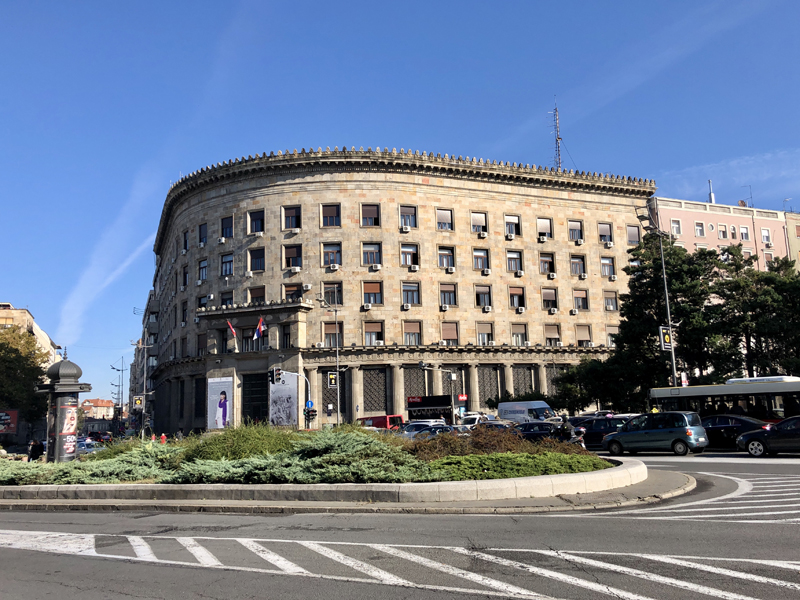
Central Belgrade map view for the Historical Museum of Serbia area around Trg Nikola Pašića.
These are useful nearby stops for a compact museum day in central Belgrade. Hours and ticketing can change, so check each venue before you go.
Historical Museum of Serbia
Main stop for Serbian history collections from prehistory to the present day.
Best if you want a broad historical frame before or after walking central Belgrade.
National Museum, Belgrade
Large national collection covering art and archaeology in one central stop.
A useful pairing if you want to compare history objects with major art holdings.
Museum of Yugoslavia
Museum complex focused on Yugoslav history and Tito-era material.
Best for visitors interested in the 20th century after the museum’s broader historical context.
Nikola Tesla Museum
Small science museum with demonstrations and the inventor’s legacy.
A practical second stop if you want a shorter visit after a history-heavy morning.
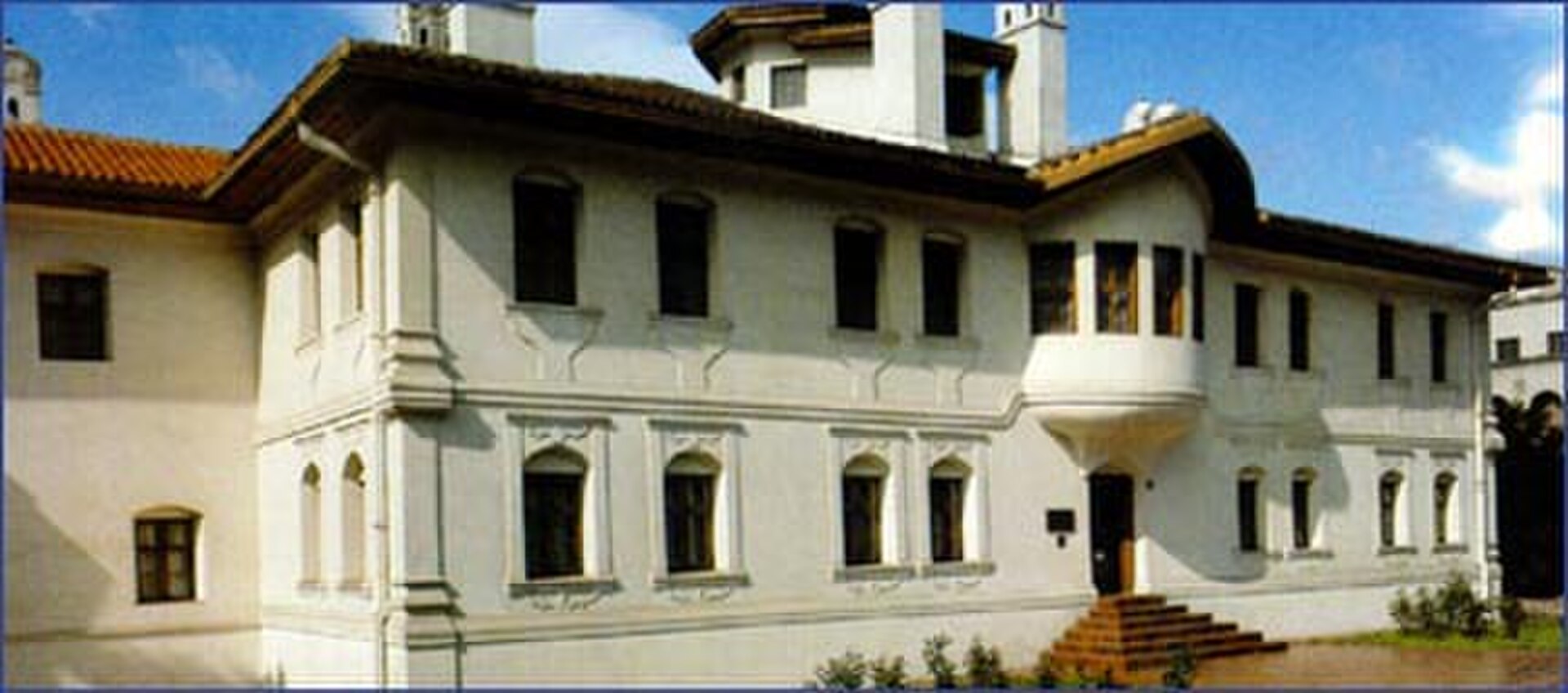
Residence of Princess Ljubica
Museum house for 19th-century state and domestic history.
Good for visitors who want architecture and early modern Belgrade context.
Belgrade centre; confirm the current visitor entrance before arrival
Trg Republike and central Terazije area
Collections covering Serbian history from prehistory to the present day
€
Weekday morning or early afternoon
Usually not for standard visits, but check special exhibitions
It is best for understanding Serbian history as a long sequence, from early periods to the modern era. If you want context for Belgrade and Serbia rather than a single theme, it is a useful stop.
Most visitors should allow 60 to 90 minutes, longer if there is a special exhibition or if you read exhibit text carefully.
Yes. It fits well with other central museums and can be combined with a walk through Terazije, Trg Republike, or Stari Grad.
Usually not for a standard visit, but special exhibitions or guided programs can have different rules. Check current visitor information before you go.
Yes. The easiest pairings are the National Museum, Belgrade and the Nikola Tesla Museum, depending on whether you want art and archaeology or science and invention.
Use the Historical Museum of Serbia as your context stop, then build a central route through nearby museums and city-centre streets.
Stay connected in Serbia