
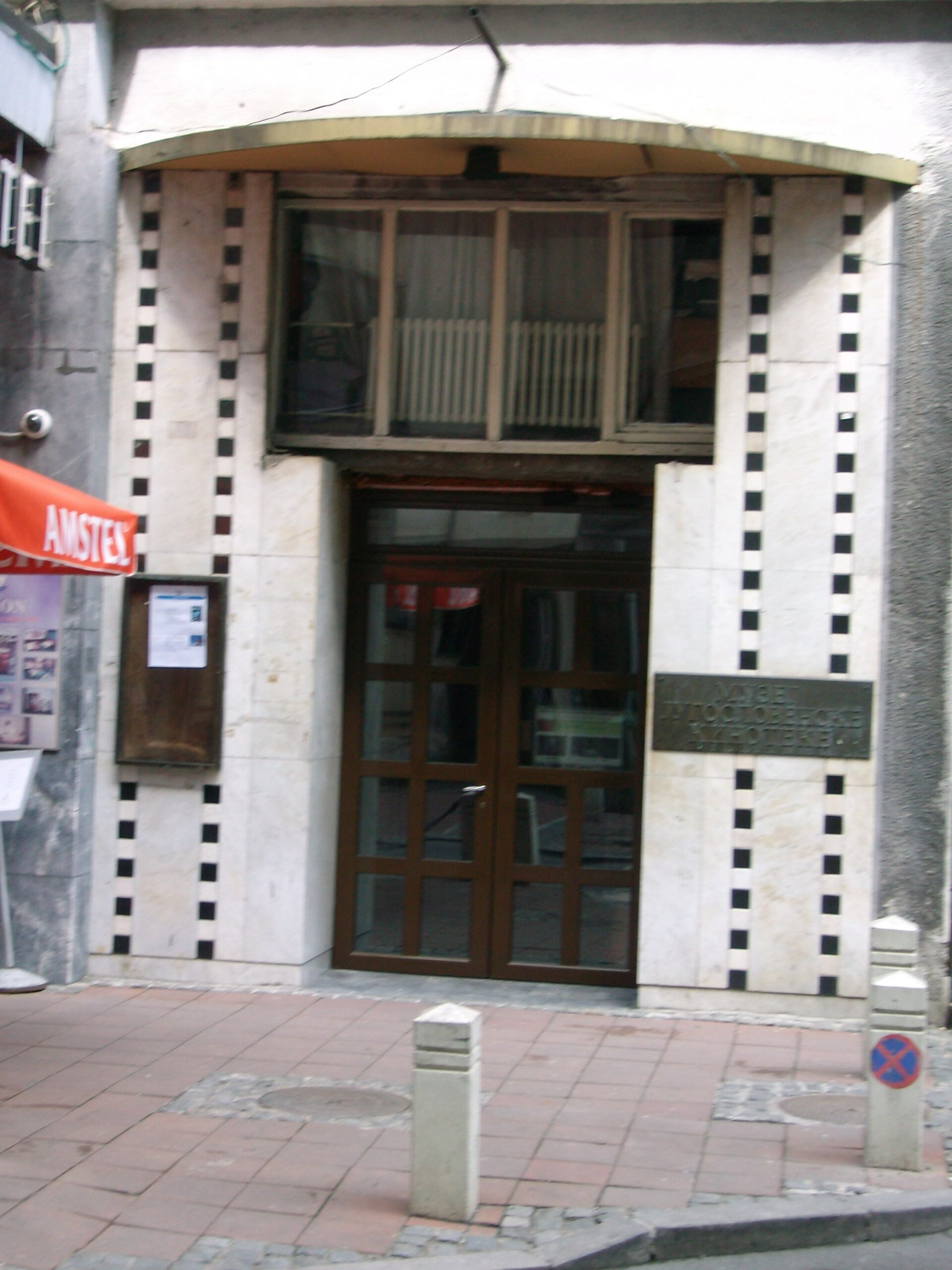
Uzun Mirkova 1, Stari Grad, Belgrade
Belgrade’s Yugoslav Film Archive is the place to visit for film preservation, screenings, and the history of cinema in Serbia and the former Yugoslavia. It sits in the city centre, close to Studentski Trg and the approach to Kalemegdan, so it fits easily into a walking day through Stari Grad.
The Yugoslav Film Archive is the national film archive of Serbia, with its visitor-facing spaces in central Belgrade. It is known for preserving film heritage, showing curated screenings, and presenting collections connected to the history of cinema in the region. The archive sits near the university and the old town, so it is easy to combine with a slow walk through Stari Grad and the approaches to Kalemegdan. The mood is academic and calm rather than busy, with a clear focus on film history, restoration, and research.
If you are planning a wider museum day, the Museums in Belgrade page is the best starting point for putting it in context.
This archive matters because it is not just a place with posters or a small screening room. It is a working institution responsible for preserving film material, documenting cinema history, and programming screenings that connect the public with archive holdings. That makes it different from a general museum: the subject is moving images, but the purpose is conservation, scholarship, and access.
For travelers, the value is in seeing how Belgrade treats film as cultural heritage. The archive links the city’s film culture to broader Yugoslav and Serbian history, and it sits in a part of town where museum visits can be done on foot. If your interest extends beyond cinema, the Nikola Tesla Museum and the Museum of Yugoslavia give a useful contrast in subject and scale.
The archive is in central Belgrade, so the simplest approach is to walk from Knez Mihailova or Trg Republike. From Trg Republike, it is usually a 5 to 10 minute walk toward Studentski Trg and Uzun Mirkova. From Knez Mihailova, allow about 8 to 12 minutes depending on where you enter the street.
For public transport, use a stop around Trg Republike or Studentski Trg and continue on foot. Useful city lines in this part of Belgrade commonly include tram lines 2, 5, 6, 7, 9, 13 and trolleybus lines 19, 22, 29, depending on your starting point. Taxi from the central area is typically a short city-centre fare. Parking is limited in the old centre, so walking or taxi drop-off is simpler than driving.
The best time to visit is on a weekday afternoon or early evening if you want a quieter experience and easier access to screenings or exhibition spaces. Saturdays can work well for travelers with a museum day in the centre, while Sundays are often less predictable for programming. Winter is a good season for this kind of indoor stop, especially when you are pairing it with nearby museums and cafés.
If you want a screening, check the programme in advance and be ready to arrive a little early. For a simple visit around other sights, midday works well because the surrounding streets are walkable and easy to combine with the old town.
Expect a cultural institution rather than a large blockbuster museum. The atmosphere is quiet, with visitors coming for film screenings, archive-related exhibitions, or research. Dress is casual and practical; there is no special dress code. Accessibility can vary by building and event space, so visitors with limited mobility should confirm entry details before coming.
The experience suits adults, film students, and travellers who want a calmer museum stop. Children may enjoy a screening, but the archive is not designed as a hands-on family attraction. Bring a charged phone, cash or card for any ticketed event, and a little extra time if you plan to stay for the area around Studentski Trg afterward.
Central Belgrade near Studentski Trg and the old-town walking area.
These are the most relevant places for a first visit focused on cinema history, archive culture, and nearby museum walking.
Yugoslav Film Archive
National film archive with screenings and preservation work.
The main stop for film history, archive collections, and curated cinema programming in central Belgrade.
National Museum, Belgrade
Broad museum collection a short walk away.
Useful if you want to pair film history with art, archaeology, and national collections in Trg Republike.
Knez Mihailova Street
Pedestrian approach for a museum walk.
An easy route for reaching the archive while seeing the city centre on foot.
Kalemegdan Park
Closest green break after a museum visit.
A practical stop if you want to extend the visit with a river and fortress walk.
Museum of Yugoslavia
Bigger historical counterpoint on another day.
A broader museum for 20th-century Yugoslav history if film heritage is part of a wider itinerary.
Uzun Mirkova 1, Stari Grad, Belgrade
Studentski Trg and the route toward Knez Mihailova
Film preservation, screenings, and cinema heritage
€ to €€ depending on event
Weekday afternoon or early evening
For some screenings and special events
If your Belgrade stay is short, treat the archive as a 60 to 90 minute stop unless you are attending a screening. That leaves enough time for nearby walking streets and another museum without rushing.
Bring comfortable shoes for the old-centre walk, a jacket in cooler months, and a way to pay for tickets or programme items if needed.
The archive is close enough to combine with a fortress walk, especially if you start from the city centre and continue toward the river after the visit.
Yes, if you are interested in Serbian culture, city-centre museums, or a quieter stop between major sights. It is especially useful when paired with other old-town museums and a walking route through Stari Grad.
Plan around 60 to 90 minutes for a straightforward visit. If you are attending a screening or special event, allow more time.
Some visits are easy walk-ins, but screenings and special programmes may need advance booking. Check the current schedule before you go.
Yes. It sits close to Knez Mihailova, Trg Republike, and the approach to Kalemegdan, so it fits neatly into a central walking day.
It can be, but the archive is primarily a film heritage institution rather than a child-focused attraction. A screening is more likely to work for families than an archive-style visit.
Stay connected in Serbia