
Bulevar Mihaila Pupina 2, Novi Beograd, Belgrade
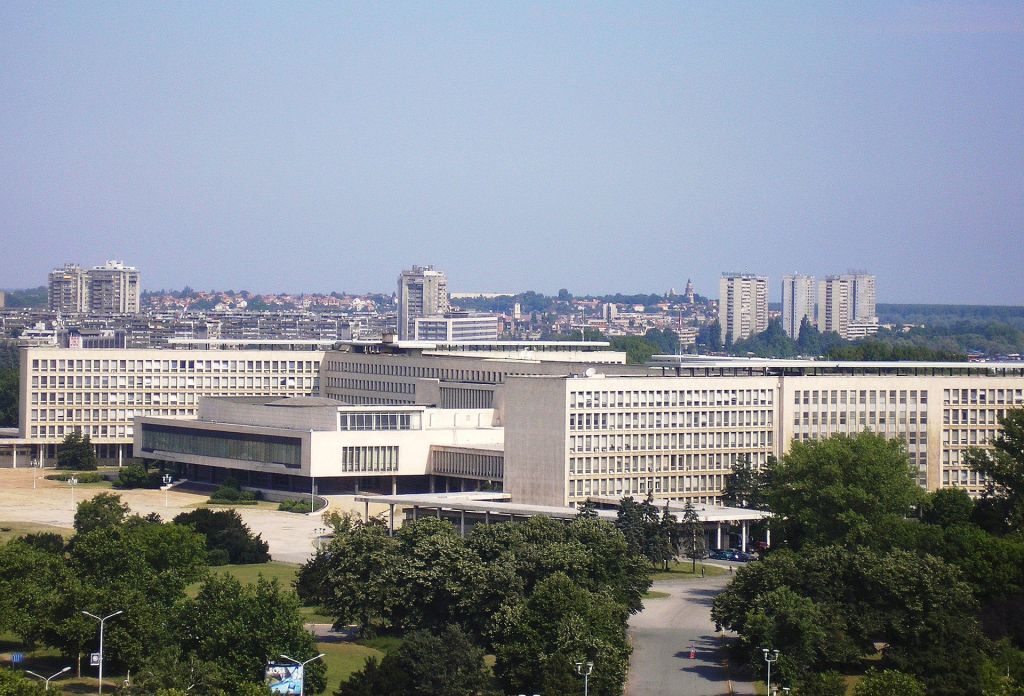
Palata Srbije is a large 1959 administrative building in Novi Beograd, on Bulevar Mihaila Pupina near the state institutions cluster. It is best known for its monumental postwar design and its place in the planning history of New Belgrade. Visitors usually come to see it from the outside, combine it with a walk through nearby blocks and riverfront spaces, and use the area as a practical stop while exploring Novi Beograd.
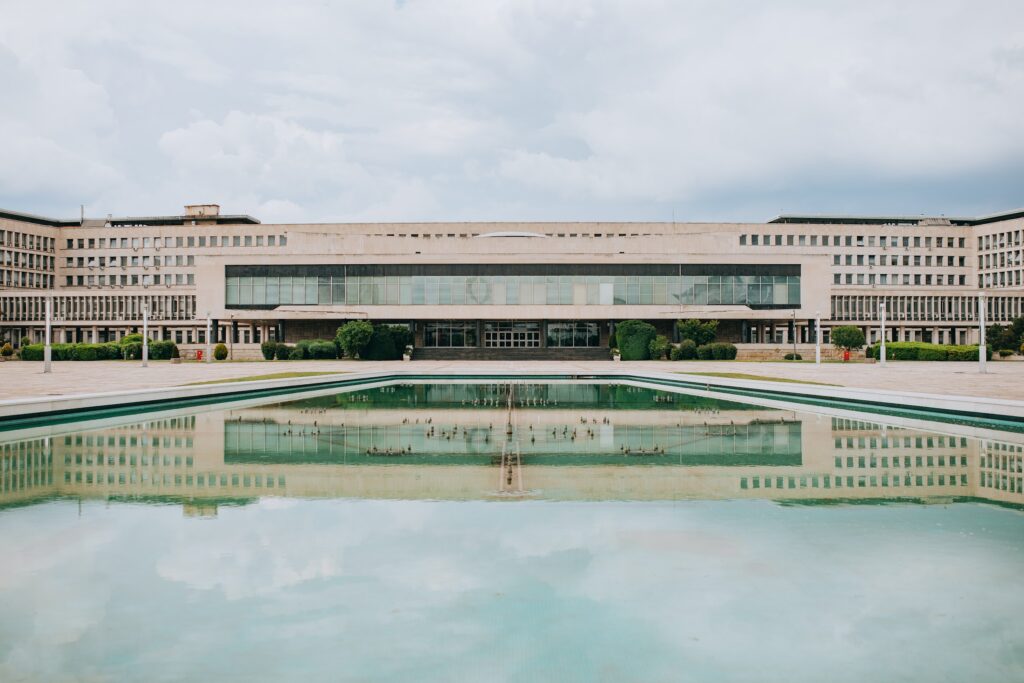
Palace of Serbia is a postwar state building in Novi Beograd, finished in 1959 and set on the broad axis of Bulevar Mihaila Pupina. It was built as the Federal Executive Council building and is still associated with Serbia’s public administration. The complex is one of the largest buildings in Belgrade, with about 5,500 m² noted in local references, and its scale is the first thing people notice from the street.
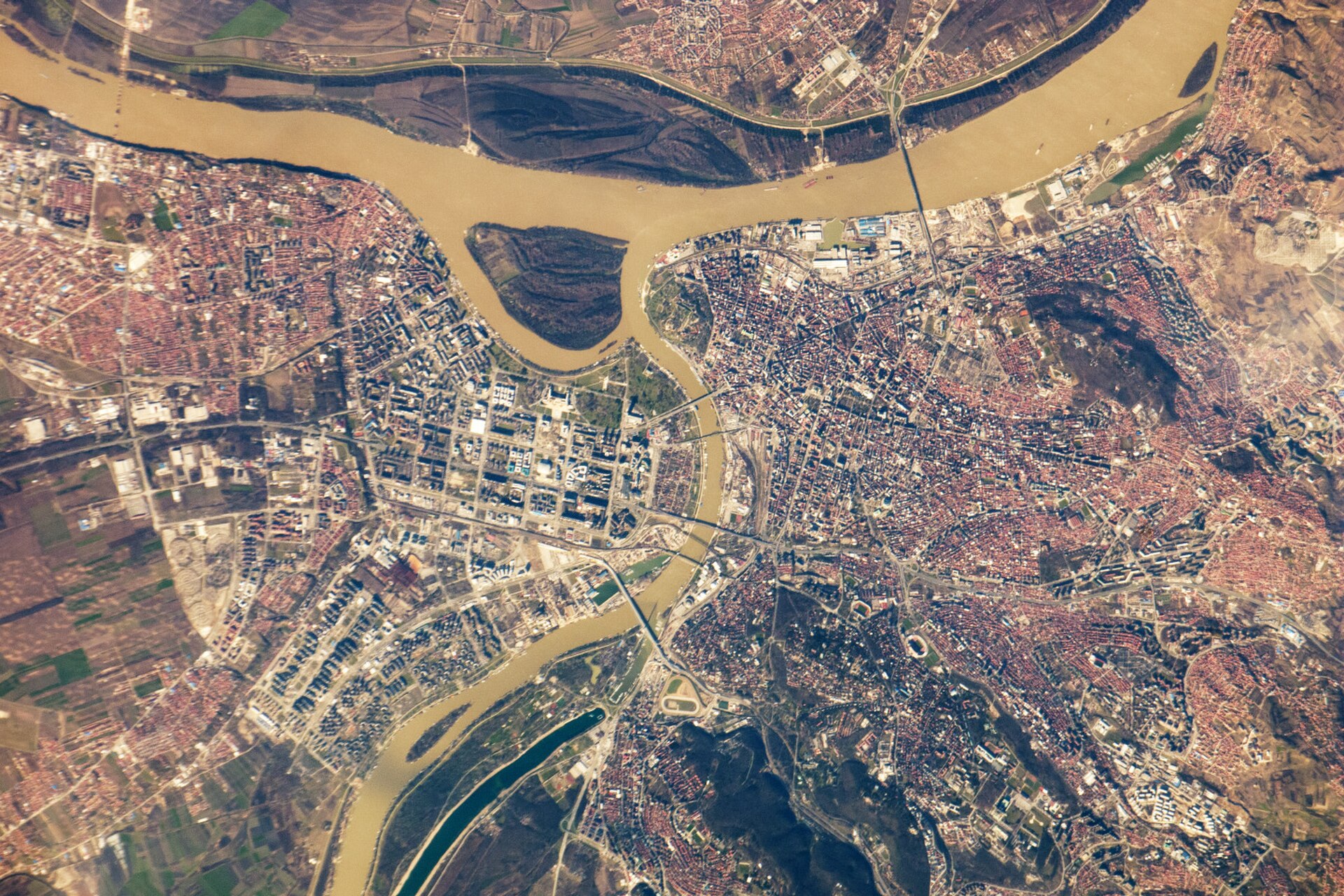
The building sits in a district that was planned very differently from old Belgrade: wide roads, open blocks, and space for government functions. That makes it a useful stop for travelers who want to understand how Novi Beograd was conceived after the war. The mood is formal and quiet, with more office traffic than tourist traffic.
The speciality here is not a museum interior or a sightseeing queue. It is the experience of a major state building from the late 1950s, when Novi Beograd was being assembled as a new administrative district. Palata Srbije stands out because it is both functional and symbolic: a broad, disciplined facade, long horizontal lines, and a position that fits the city’s postwar urban plan.
What makes it specific to Belgrade is the setting. Few places in the city show this combination of government architecture, wide-scale urban design, and open space around the building. If you are already visiting other parts of New Belgrade, such as Novi Beograd’s wider riverfront and business quarter, this is one of the clearest places to read the district’s original design language.
It is best understood from the outside and from a slow walk around the block rather than as a standalone attraction with an obvious visitor route.
The easiest approach is from the Ušće side of Novi Beograd. From the Ušće shopping and office area, it is about a 10 to 15 minute walk along broad streets and open blocks toward Bulevar Mihaila Pupina. If you are coming from the old city, cross the Branko Bridge or Gazela area and continue by bus toward Novi Beograd’s central corridor.
Public transport in this part of Belgrade is strongest along Bulevar Mihaila Pupina and nearby routes that connect Novi Beograd with the city center. Useful lines for the area include buses 16, 65, 67, 68, 71, 72, 75, 77, 78, 83, 84 and 95, depending on where you start and which stop is closest. Taxis from central Belgrade are usually a short urban ride, and parking is easier in office hours than during peak weekday traffic.
Go in the morning or late afternoon if you want the building light to be softer for photos and the surrounding traffic to be calmer. Weekdays feel more active because this is an administrative area, while weekends are quieter but less useful if you want to sense the building in use.
Spring and early autumn are the most comfortable seasons for walking around Novi Beograd. There is no need for reservations if you are only viewing the exterior, but access inside is not a standard tourist visit, so do not plan your day around entering the building.
Expect a formal government setting, wide roads, office movement, and little of the cafe-and-museum atmosphere found in central Belgrade. Dress is casual, but the area feels administrative rather than leisure-oriented. The sidewalks are generally manageable, though the crossings are large and can feel exposed because of traffic.
This is a good stop for travelers who like architecture, city planning, and postwar history. It is less suitable for anyone looking for guided interiors, child-focused activities, or an easy cafe cluster right at the door. Bring water in warmer months and be ready for a short walk from the nearest major stop.
Architecture, city-planning context, and a quick stop while exploring Novi Beograd.
Visitors looking for a full museum program, guided interior access, or a dense cafe street.
Palata Srbije is in Novi Beograd on Bulevar Mihaila Pupina, near the district’s government and office corridor.
These are the most practical nearby stops if you want to pair Palata Srbije with other Novi Beograd landmarks that share its scale and urban context.
Palata Srbije
The main subject itself: a 1959 state complex with a strong modernist profile and a ceremonial feel from the sidewalk.
Museum of Contemporary Art
A major modern art museum with a building that fits the same postwar urban story.
Ušće Park
An open green space for a short walk between the river confluence and the government quarter.
Sava Center
A large conference and events complex that shows another side of New Belgrade’s public architecture.
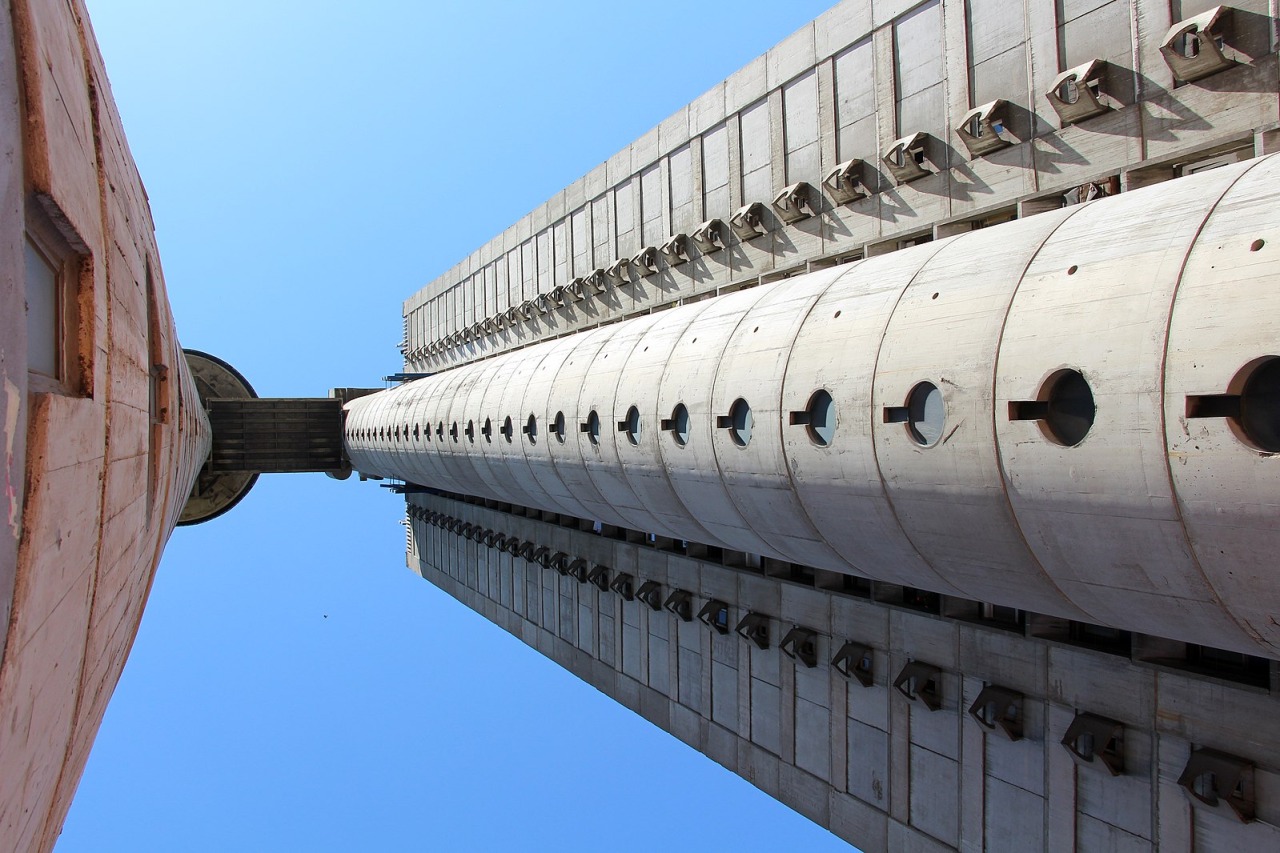
Genex Tower
A landmark of New Belgrade’s skyline and one of the district’s most recognizable high-rise forms.
Bulevar Mihaila Pupina 2, Novi Beograd, Belgrade
Ušće and the Novi Beograd administrative corridor
Modernist government architecture
€
Morning or late afternoon
No for exterior viewing; interior access is limited
Palata Srbije makes most sense as part of a wider walk through Novi Beograd’s planned avenues, riverfront edges, and public buildings. The district guide covers the wider context and the practical connections to other parts of the city.
There is no standard tourist interior visit here. Treat Palata Srbije as an exterior architecture stop, not a museum visit, and keep your plan flexible if you are combining it with other Novi Beograd landmarks.
If you are already near the river or Ušće, walk rather than transfer again. The district’s wide blocks are easier to read on foot than by making short bus hops.
Not as a standard sightseeing stop. It is primarily an administrative building, so most travelers only view it from the outside.
Usually only if you care about architecture, Novi Beograd’s history, or you are already nearby at Ušće or the riverfront.
Its 1959 postwar modernist form and its role as a major government building in Novi Beograd.
Yes, but the blocks are wide and crossings can feel large. It is easier to walk here than in the dense old town streets.
Ušće Park, the Museum of Contemporary Art, or other Novi Beograd landmarks work well for a short architecture-focused loop.