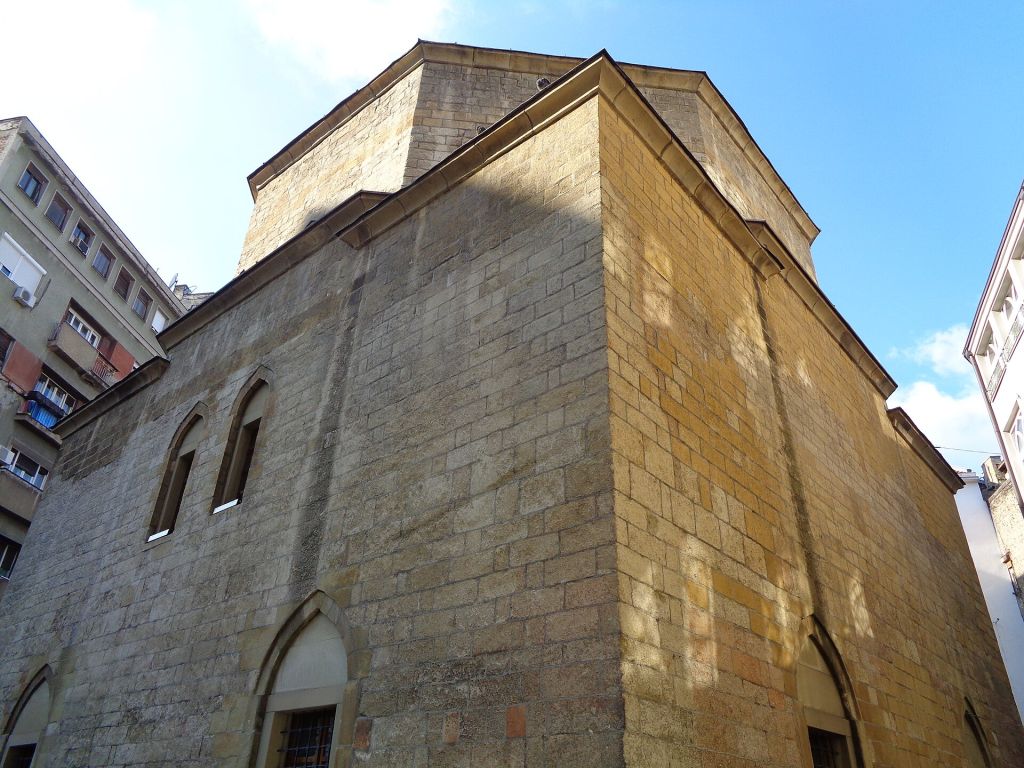
Stari Grad, central Belgrade

Bajrakli Mosque is an important heritage stop in central Belgrade. It is the city’s only surviving Islamic sacral building from the late 16th century, which makes it especially relevant for travelers interested in layered religious and urban history. Rather than visiting it as an isolated sight, plan it as one stop in a Stari Grad walk that also includes nearby squares, streets, and museums.
Bajrakli Mosque stands out in Belgrade because it is the city’s only preserved Islamic sacred building from the late 16th century. In a city that has changed hands, religions, and urban forms many times, that survival alone gives the site weight.
For international travelers, the mosque is best approached as a heritage landmark rather than a sightseeing checklist item. It speaks to the Ottoman layer of Belgrade’s past and to the broader story of Stari Grad, where churches, civic spaces, streets, and old quarters sit close together. That proximity is part of the experience: one short walk can move from Orthodox heritage to Ottoman-era memory and then to modern city life.
If you are building a first visit to Belgrade, pair this stop with the parent guide for Stari Grad and with other nearby pages such as the Cathedral of St. Michael, Trg Republike, and Kosančićev Venac. This gives the mosque its proper context inside the old town rather than treating it as a stand-alone monument.
The key fact about Bajrakli Mosque is its age and survival. The mosque dates to the late 16th century, placing it among the oldest religious structures still tied to Belgrade’s Ottoman past. In practical travel terms, that means you are seeing not just a building, but a rare physical trace of a period that shaped the city’s identity.
Belgrade’s center has repeatedly been reworked, so older layers are often fragmented or relocated in memory rather than preserved intact. Bajrakli Mosque is different. It remains the city’s only surviving Islamic sacred building, which makes it an important anchor for understanding how diverse Belgrade once was and still is.
When you visit, keep the historical framing simple: this is not a grand museum complex, and it should not be compared to palace architecture or fortress panoramas. Its importance comes from continuity, rarity, and location. The surrounding streets of Stari Grad help explain why the mosque belongs in any serious heritage itinerary of central Belgrade.
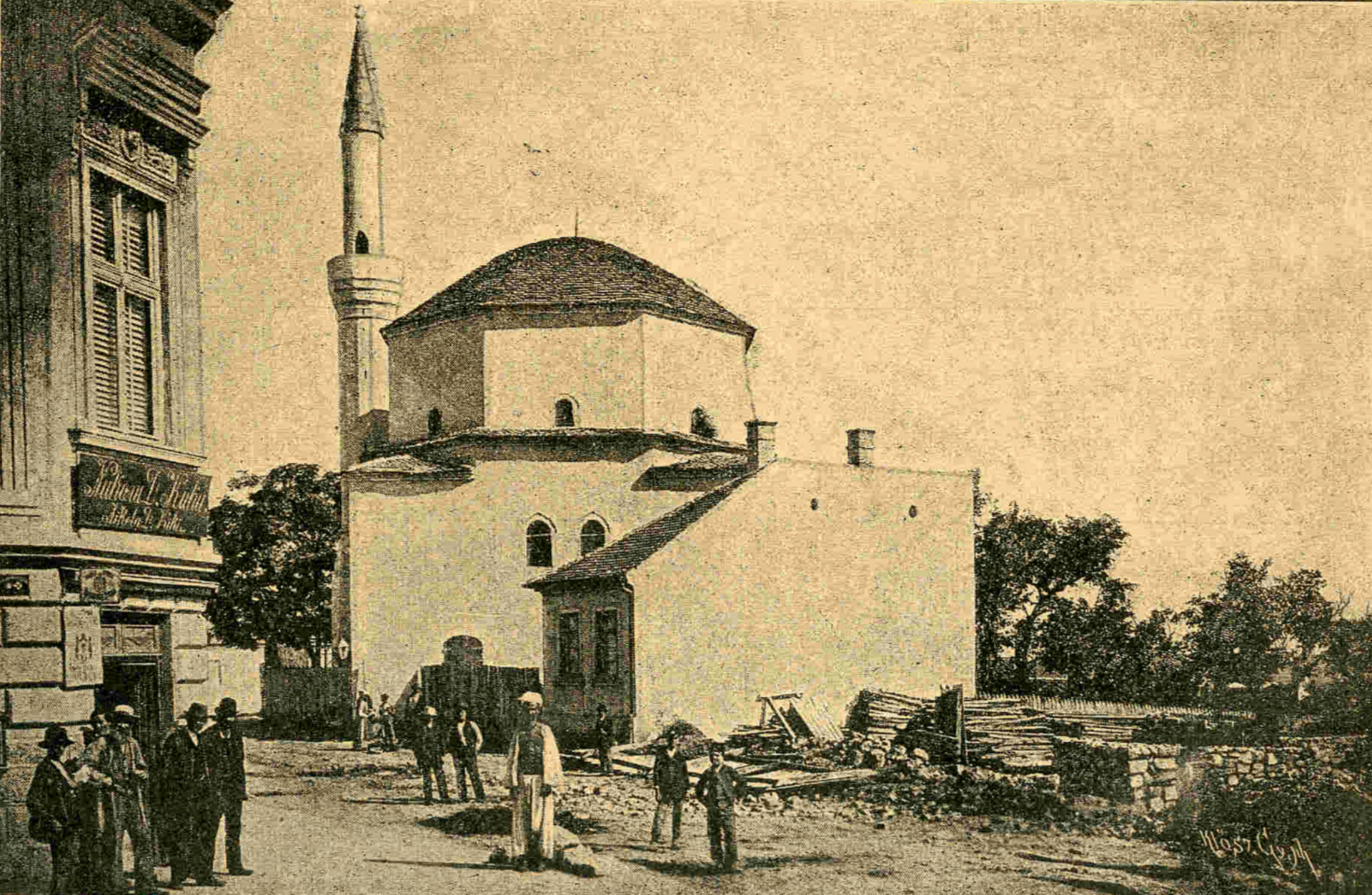
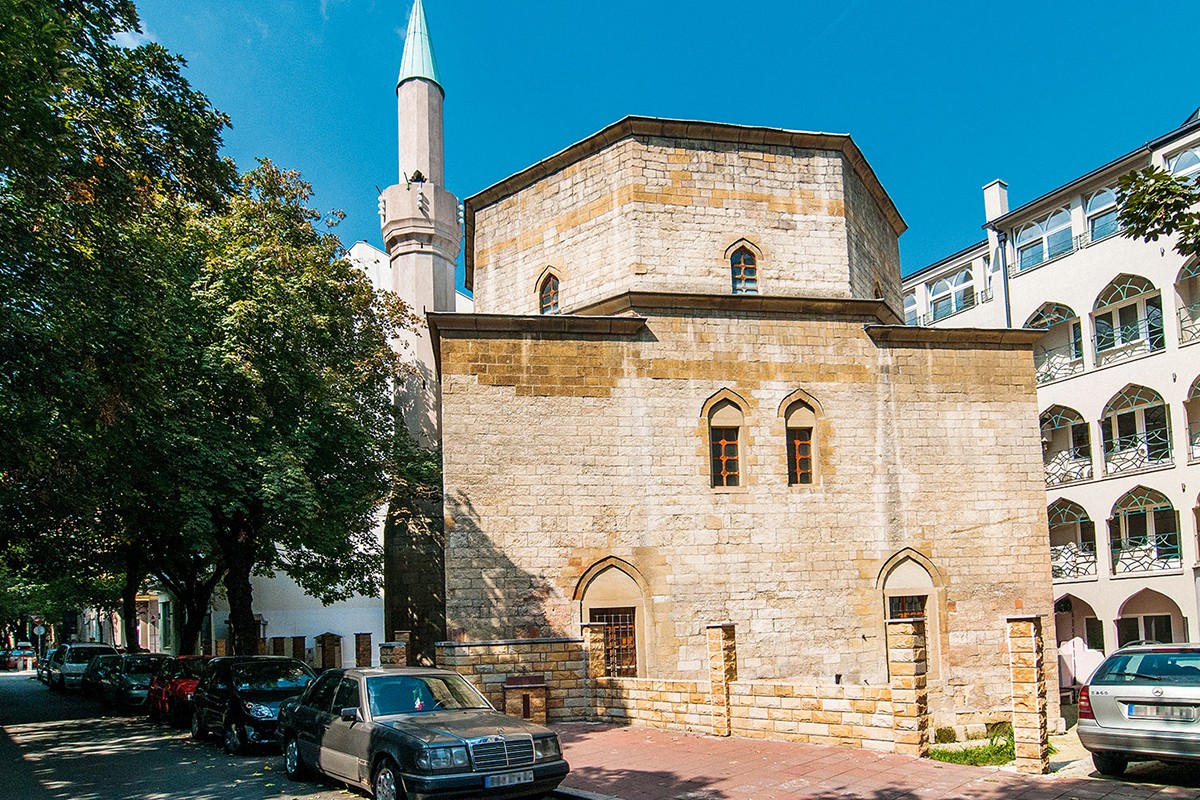
Bajrakli Mosque Exterior
The Bajrakli Mosque in Belgrade stands beside surrounding buildings, with a tall minaret and people gathered outside
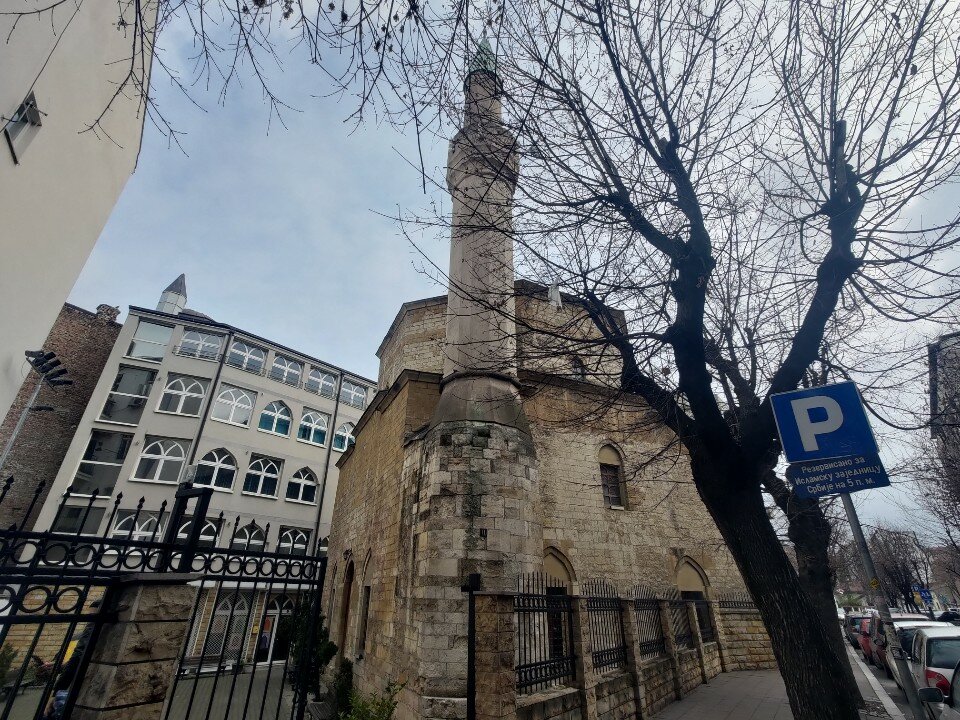
Bajrakli Mosque Minaret
Stone walls and a tall minaret rise beside the street at Bajrakli Mosque in Belgrade
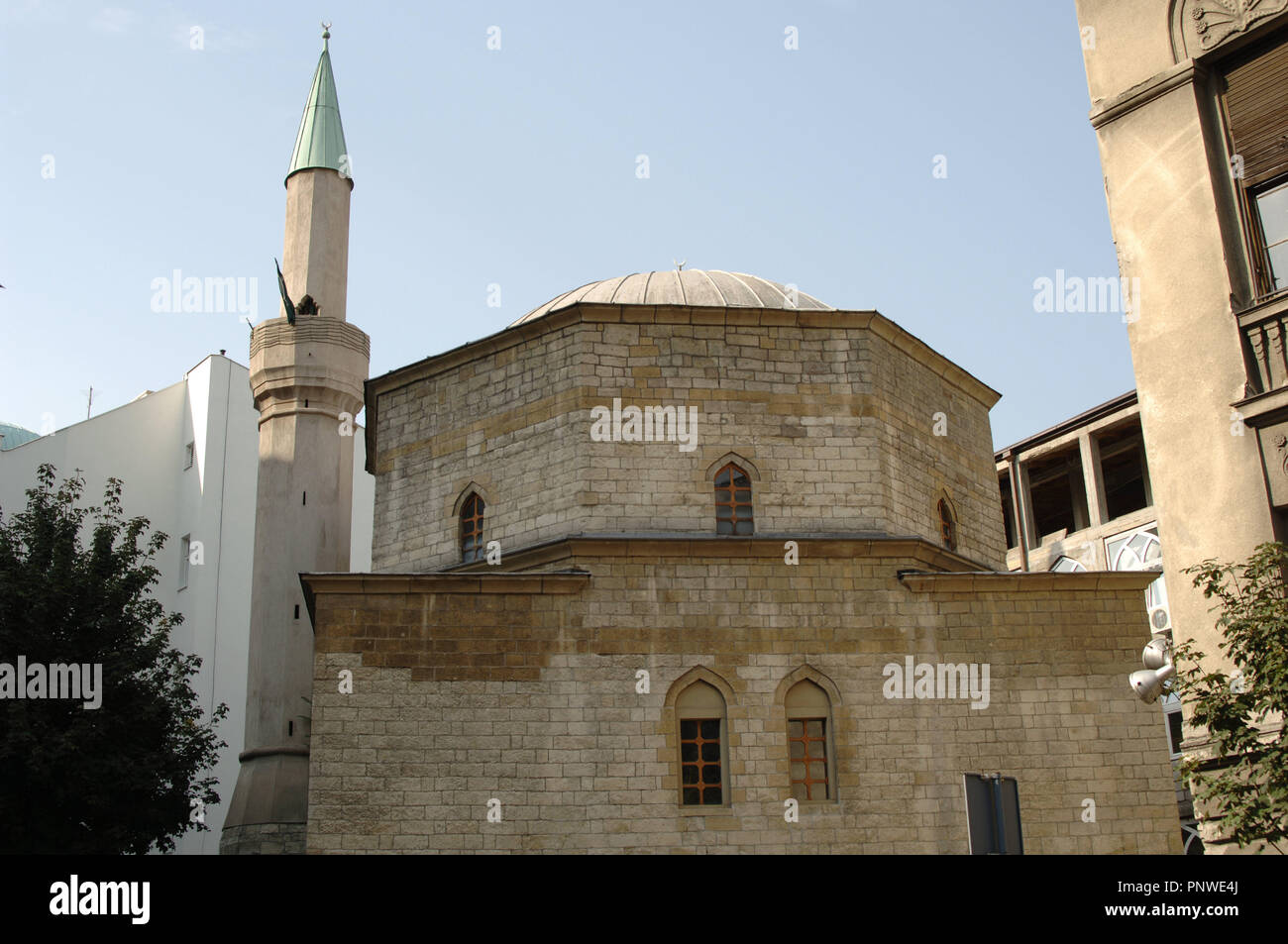
Bajrakli Mosque Exterior
Stone walls and a slender minaret rise beside the Bajrakli Mosque in Belgrade under a clear sky
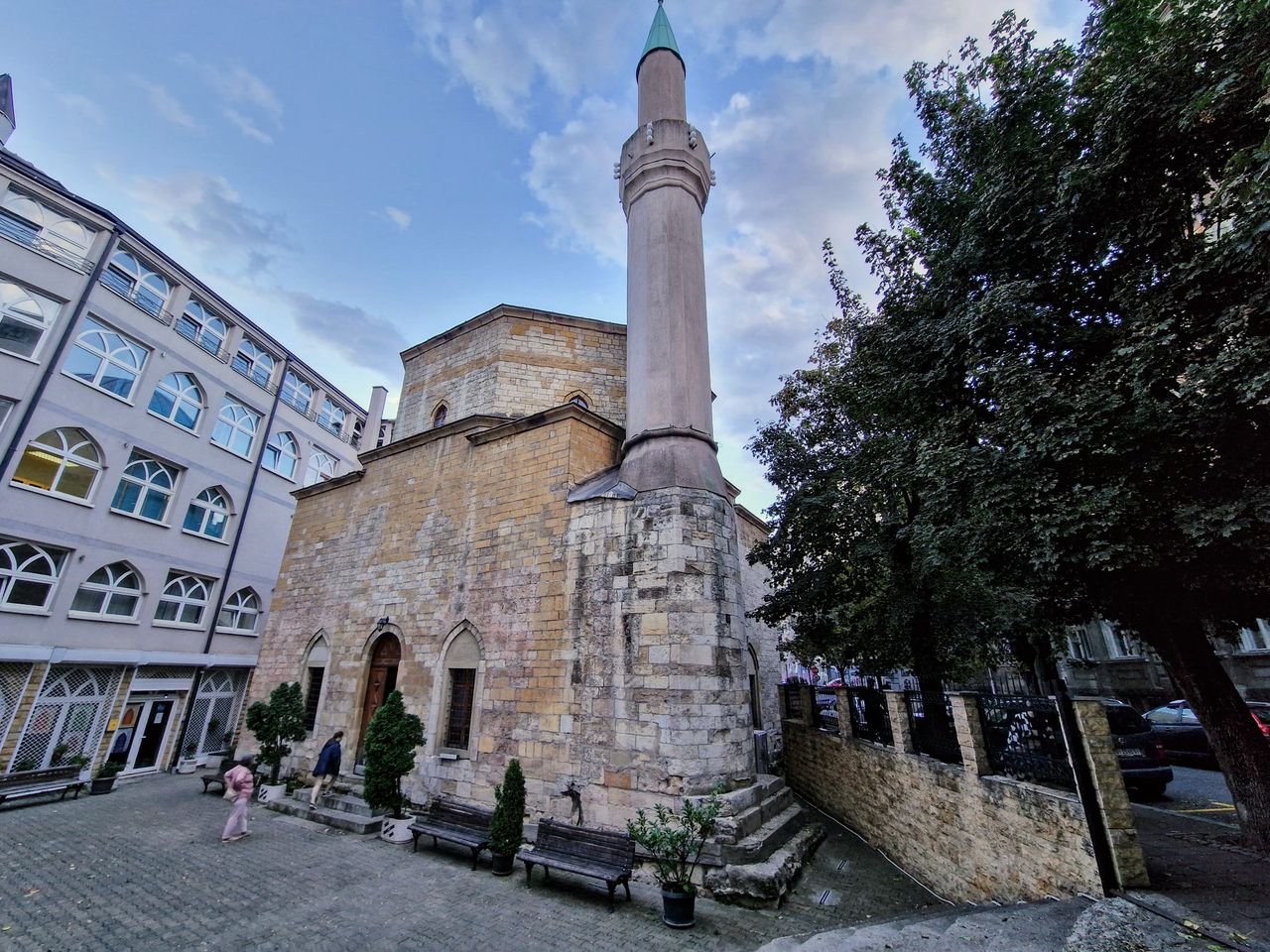
Bajrakli Mosque Exterior
Stone Bajrakli Mosque stands beside modern buildings in Belgrade, with a tall minaret and courtyard benches
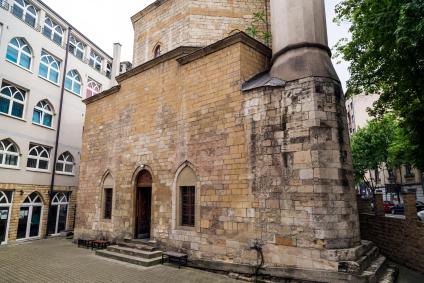
Bajrakli Mosque Exterior
Stone walls and arched windows of Bajrakli Mosque stand beside a tall minaret in Belgrade
Because Bajrakli Mosque is a living religious site, visitors should plan a respectful, quiet stop. Dress modestly, avoid loud conversation, and follow local guidance if access is limited during prayer or religious observance. Even without fixed tourist infrastructure, the mosque is easy to combine with a broader walking route through Stari Grad.
From a practical point of view, the best approach is to visit during a daytime old-town walk, when nearby streets and landmarks are open and the area feels easiest to navigate. Since the mosque is in the historical center, you can connect it with Trg Republike, Knez Mihailova, the Cathedral of St. Michael, and Kosančićev Venac in a single route.
Travelers interested in photography should be discreet and avoid assuming that every angle is appropriate. The safest mindset is to treat the site as both a landmark and an active place of worship. That balance will make the visit more rewarding and more in line with the character of the place.
Belgrade works well for travelers who like cities with visible historical layers. Bajrakli Mosque belongs in that kind of trip because it adds the Ottoman chapter to an itinerary that often focuses on fortresses, cafés, and Habsburg-era streets. Seeing the mosque alongside the Cathedral of St. Michael or Kalemegdan gives you a more complete sense of the city’s religious and political geography.
The site is also useful for self-guided travelers who prefer walking. Stari Grad is compact, and once you understand the relationships between its major points, moving between them is straightforward. That makes Bajrakli Mosque a good stop for visitors who want to spend less time in transit and more time on the street, noticing how the city changes block by block.
If you are coming from outside Serbia, this is also a reminder that Belgrade is not defined by one historical narrative. The old town contains Orthodox, Ottoman, and modern civic layers, and Bajrakli Mosque gives that mixture a clear, tangible form.
Visit as part of a longer old-town loop that also includes nearby squares, churches, and historic streets. The mosque works best as a cultural stop between larger landmarks.
Expect a modest, historically important religious building rather than a large visitor complex. Its value lies in its rarity, age, and location in the old city.
Use this map to orient your Stari Grad walk and connect the mosque with nearby old-town stops.
These Stari Grad pages help you build a fuller route around Bajrakli Mosque and understand the old town in layers.
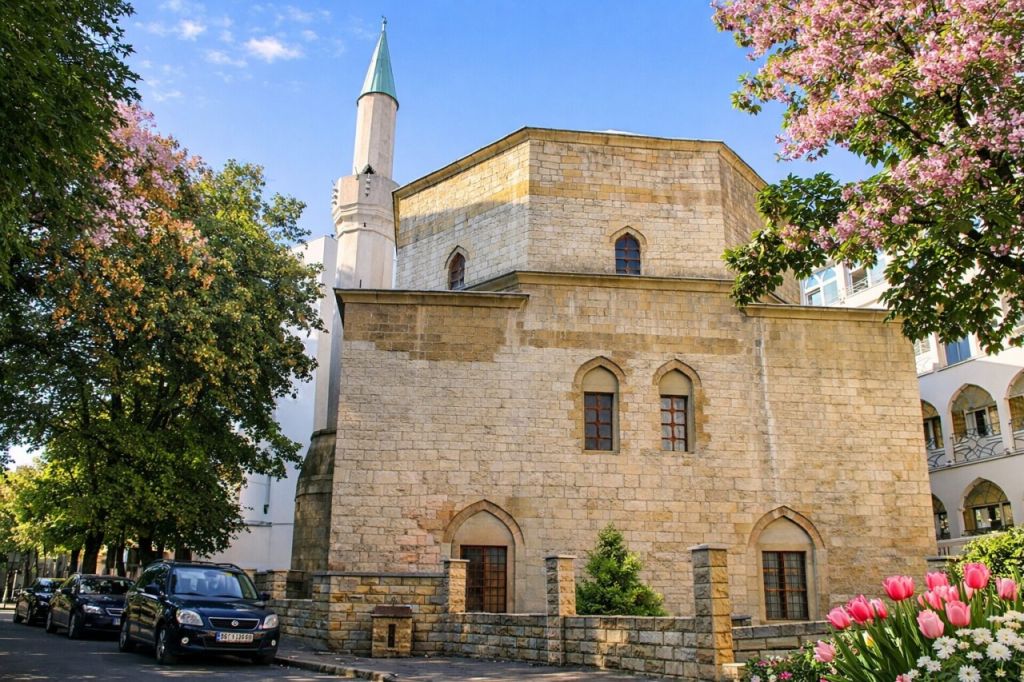
Stari Grad Belgrade Travel Guide
Parent guide for the old town, Kalemegdan, and Skadarlija.
Use this as your main planning page for routes, context, and neighborhood connections across central Belgrade.
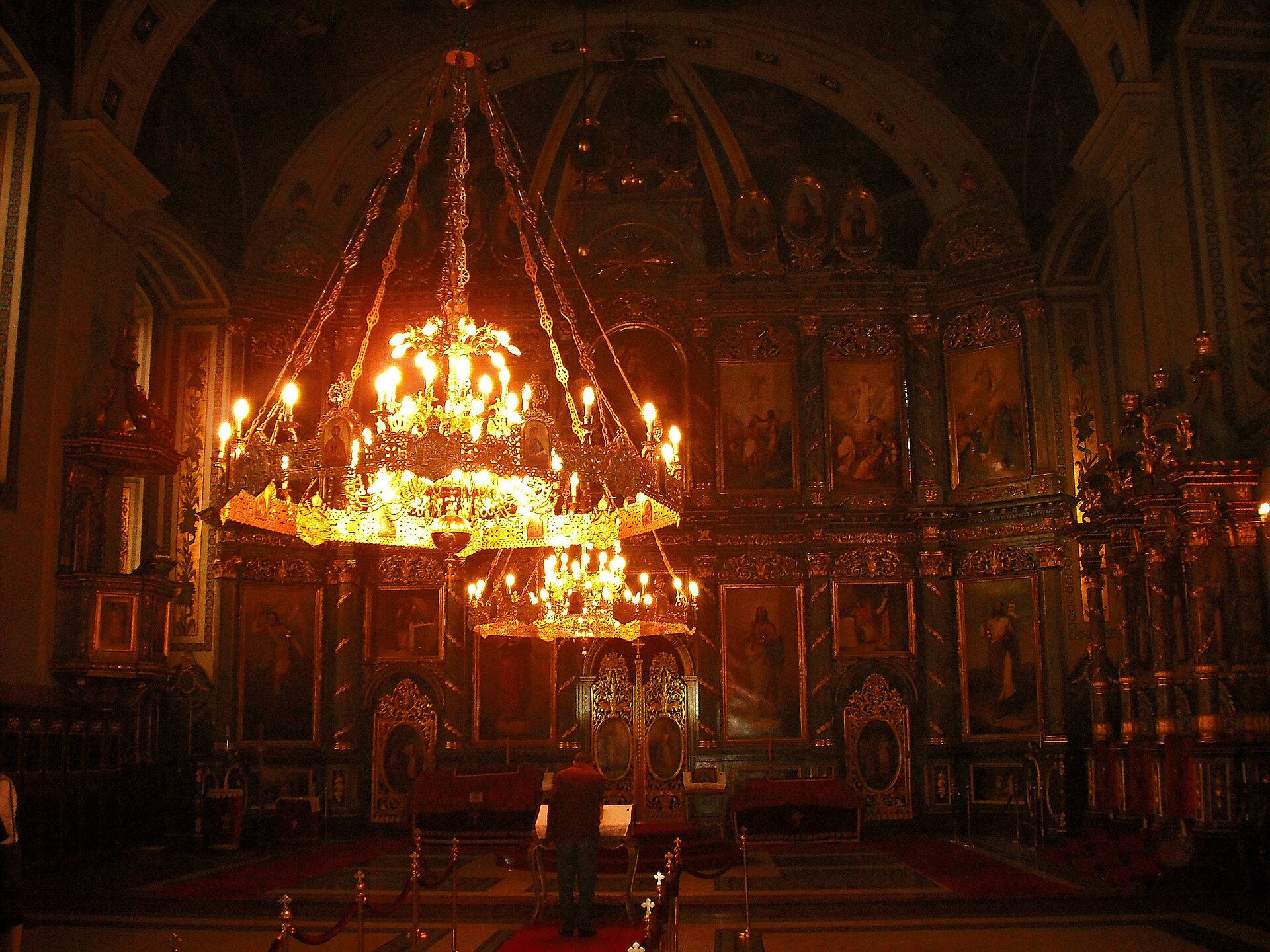
Cathedral of St. Michael
Orthodox landmark in the old town.
A useful contrast to Bajrakli Mosque for travelers tracing Belgrade’s religious and urban history.
Trg Republike
Main square and a practical meeting point.
A central reference point for orienting yourself before or after a visit to the mosque and other old-town sights.
Stari Grad, central Belgrade
Late 16th century
Only preserved Islamic sacred building in Belgrade
It is known as Belgrade’s only preserved Islamic sacred building from the late 16th century and as an important heritage site in Stari Grad.
Yes, if you are interested in history and old-town walking routes. It fits naturally into a Stari Grad day with nearby landmarks.
Usually not. It is better as part of a broader route that includes other old-town sights such as Trg Republike, the Cathedral of St. Michael, and Kosančićev Venac.
Treat it as an active religious site: dress modestly, stay quiet, and respect any local rules or access limitations.
Start with the parent guide, then add Bajrakli Mosque, nearby squares, and old-town streets to build a practical walking itinerary.
Stay connected in Serbia