Vračar plateau, Belgrade

The Cathedral of Saint Sava stands in Vračar, on the prominent plateau that dominates this part of Belgrade. Built over a long period and still strongly associated with national memory, it is the city’s key Orthodox landmark and one of the largest Orthodox churches in the world. Visitors usually come here to see the exterior, enter the main nave, and spend time looking at the scale of the interior decoration.
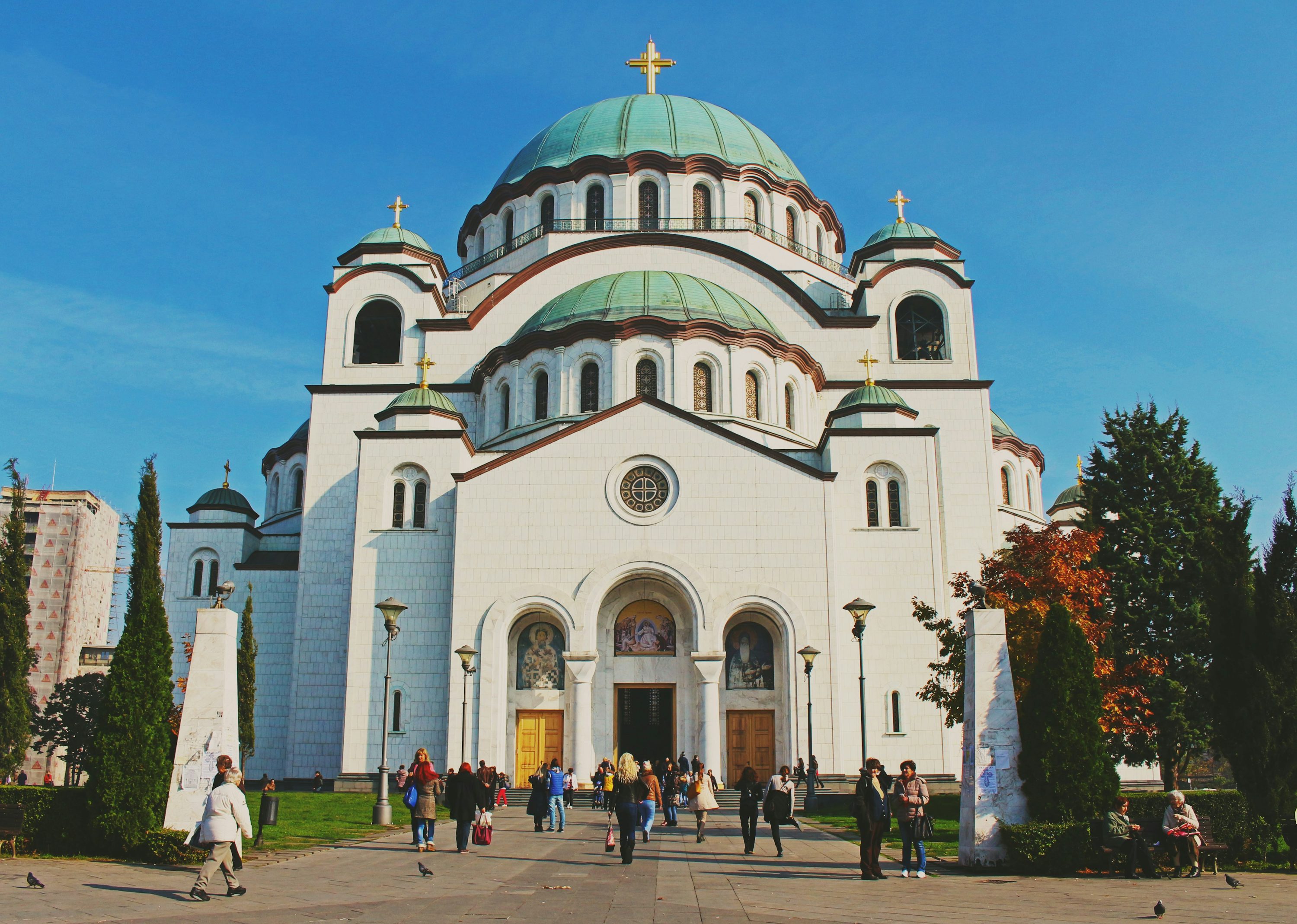
The setting is open and urban, with wide paved approaches and steady foot traffic from visitors, worshippers, and people crossing the square. The atmosphere is calm but not quiet in a museum sense; it feels active, central, and tied to everyday Belgrade life.
For background on the district around it, the Vračar, Belgrade Travel Guide | Temple of Saint Sava & Strogi Centar gives the wider neighborhood context.
The cathedral’s speciality is not just its size; it is the way the Serbian-Byzantine form is expressed at city scale. The building uses a domed Orthodox profile that reads differently from Belgrade’s older churches and from the modern blocks around Vračar. What makes it distinctive here is the combination of monumental proportions, a highly visible plateau setting, and a mosaic program that covers more than 15,000 square meters.
That mosaic layer matters to visitors because the experience changes between the exterior and the interior. Outside, you read the massing, the domes, and the symmetry. Inside, the church becomes a much more detailed space, with surfaces that reward slower looking rather than a quick pass-through. The result is a place that works both as a landmark and as a religious interior.
From Slavija Square, walk uphill toward the cathedral plateau in about 10 minutes. From central Vračar, the approach is usually a straightforward city walk rather than a transfer-heavy trip.
By public transport, the nearest useful stops are around Slavija and the wider Vračar grid. Belgrade tram and bus lines that commonly serve the area include 2, 9, 10, 14, 26, 27, 31, 41, 42, 59, 60, 65, 68, 77, 78, 79, 83, 84, 88, 95 and trolleybus 29, depending on your exact starting point; use the stop closest to your route and continue on foot. Taxi from the city center is usually a short urban fare. If you arrive by car, expect limited curbside parking and use paid street parking or a nearby garage rather than relying on space directly next to the church.
This is an active religious site, so dress should be respectful: covered shoulders and modest clothing are the safer choice, especially if you plan to enter the church rather than only view the exterior. The space is large and open, but it is still a working cathedral with worshippers, visitors, and occasional service-related restrictions.
Accessibility is better than in many older churches because the approach area is broad and level, though the size of the interior means you will still do a fair amount of walking. Noise from the surrounding city can be present outside, while the interior is usually more subdued. Families can visit comfortably, but younger children may need a slower pace because the appeal here is mainly visual and architectural. Bring water in summer and consider time for sitting or standing as you look up at the mosaics.
Vračar plateau, Belgrade
Slavija Square
Serbian-Byzantine cathedral and mosaics
Free
Morning or late afternoon
No for standard visits
Yes, but access can vary because it is an active church. Plan for possible limits during services or special events and dress respectfully.
Standard visits are generally free. If you plan to see special areas or attend a specific event, confirm the current rules locally.
Allow 30 to 60 minutes for the church and the plateau. If you want to linger on the mosaics or combine it with a museum stop, give yourself longer.
Slavija Square is the most practical reference point, then continue on foot toward the plateau and the cathedral domes.
Yes. It works well as a 30- to 90-minute stop, especially if you are already in central Belgrade or planning a Vračar walk.
The cathedral sits on the Vračar plateau in central Belgrade, a short walk from Slavija Square.
These are the most useful stops if you are coming for the cathedral and want to build a short Vračar walk around it.
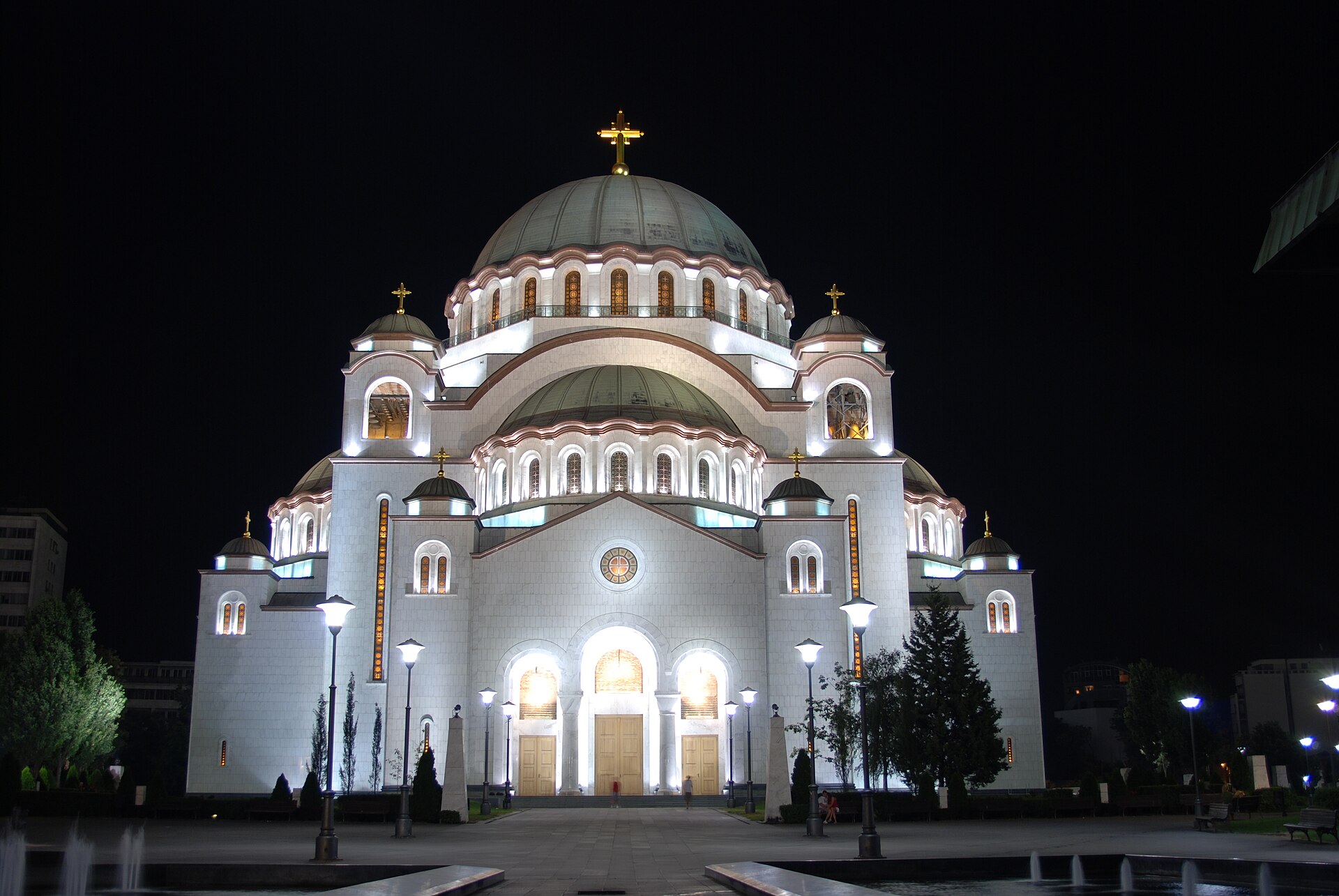
Cathedral of Saint Sava
Main Orthodox church in Belgrade, known for its domes and vast mosaic interior.
The central visit is the church itself: exterior views from the plateau, then the nave and interior surfaces if open during your visit.

Vračar plateau
Open public space around the cathedral.
Best for framing the church, pausing between visits, and getting wide-angle photos of the building from the pavement edge.
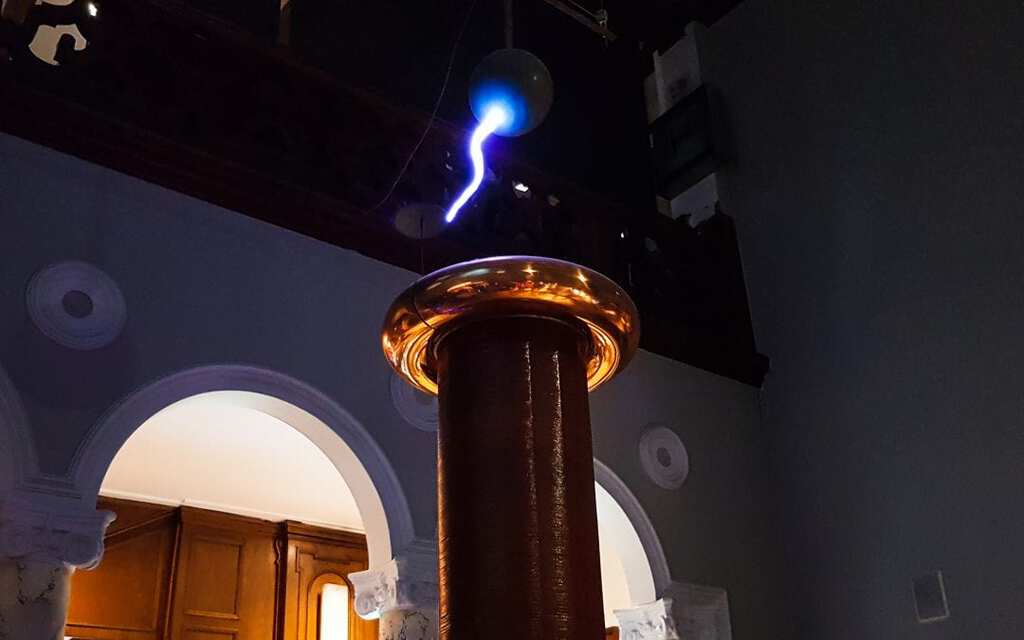
Nikola Tesla Museum
Practical museum stop a short ride away from the cathedral area.
Useful if you want to combine one landmark church visit with a second indoor cultural stop in central Belgrade.
Belgrade Travel Guide
City guide for planning a wider stay.
Helpful for transport, neighborhoods, and trip planning after you finish a cathedral visit.