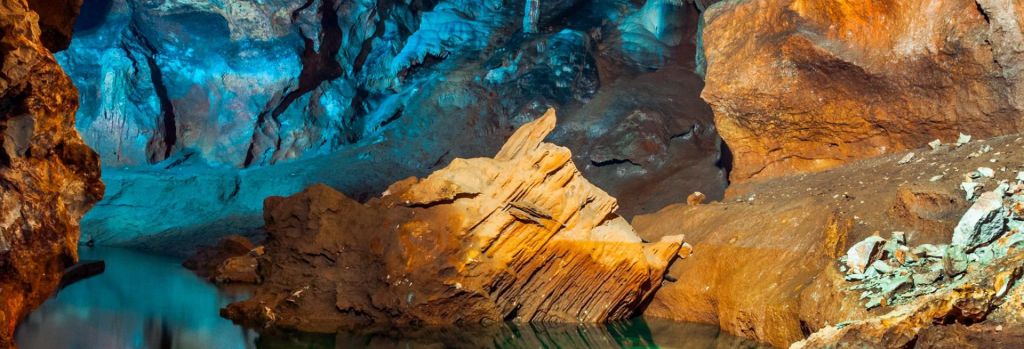
Eastern Serbia

Kučaj Mountains are a large mountain area in Eastern Serbia, within the wider travel orbit of Bor and Surroundings. The range is known above all for karst terrain: limestone relief, underground drainage, springs, depressions, and cave systems spread across a broad and often sparsely settled landscape. For travelers, Kučaj feels less like a single viewpoint or one marked attraction and more like a nature region that rewards preparation. The atmosphere is remote, wooded, and quiet, with long stretches where the road journey itself is part of the visit.
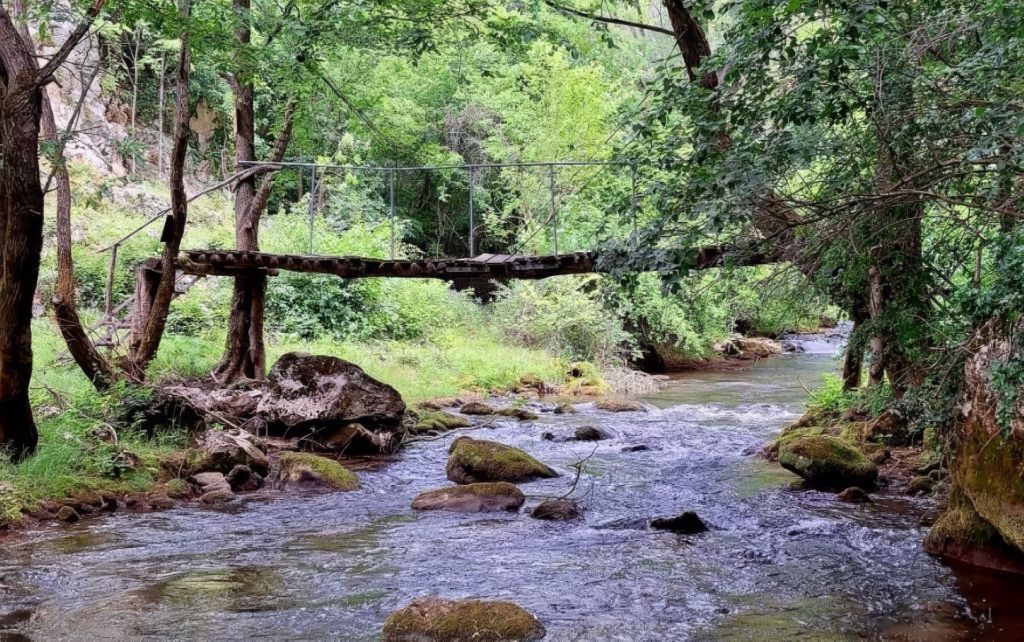
The defining speciality of Kučaj Mountains is its karst geology. In practical terms, that means a mountain landscape shaped by soluble rock: uneven plateaus, hollows, hidden water courses, cave entrances, and a terrain that often feels broken into folds rather than open alpine ridges. That matters for visitors because the experience of Kučaj is not only about views. It is about the structure of the ground itself, the sense of water moving through rock, and the way settlements and roads sit around that geology rather than dominating it.
If you are building a longer nature itinerary, Kučaj makes the most sense as part of a wider Eastern Serbia route that also includes the broader Eastern Serbia Guide. Travelers interested specifically in underground formations often pair a Kučaj-focused drive or hike day with cave-oriented stops elsewhere in the region, including Resava Cave near Despotovac. Kučaj itself is the bigger landscape story: a mountain mass where karst processes shape the whole terrain, not just one cave chamber.
Kučaj Mountains are most practical by car. The range spreads across a large area, and the useful access question is usually not “Which stop is the entrance?” but “Which side of Kučaj am I approaching from?” Travelers commonly organize the visit from Bor, Despotovac, or other Eastern Serbia bases depending on the rest of the route.
Public transport can get you to nearby towns, but not reliably into the interior mountain landscape itself. For that reason, a rental car, private transfer, or local driver is the realistic option for most international visitors. If you are stitching the trip into a broader regional plan, Zaječar works as a planning hub for the Timok side, while Bor is the more direct base for this page's parent area. Before setting out, check fuel, mobile coverage, weather, and road surface conditions, especially if your route includes smaller forest roads rather than paved through roads.
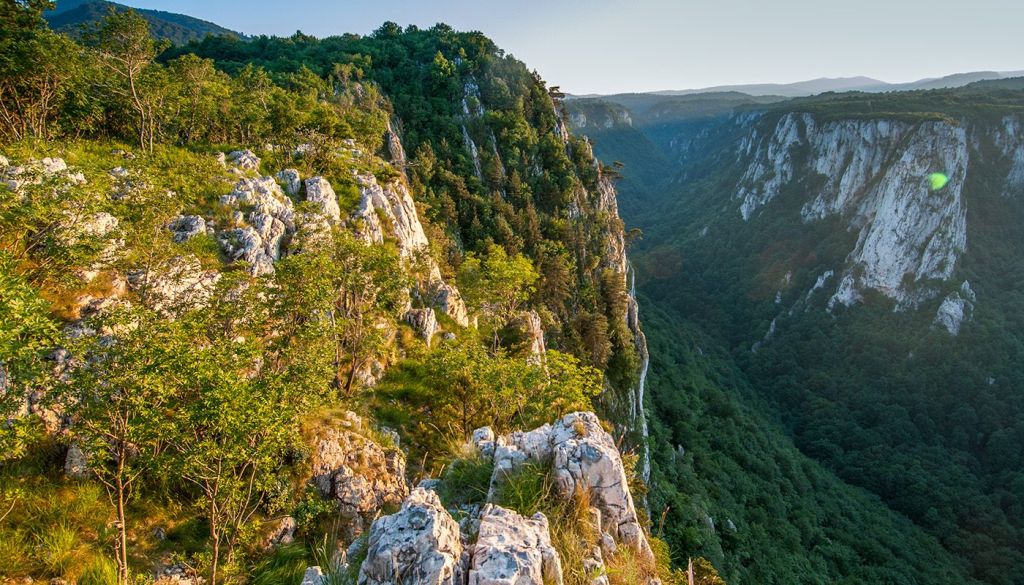
For most travelers, the easiest seasons are late spring through early autumn, when daylight is longer and access roads are simpler to judge. Summer gives the longest usable day for a drive-and-walk itinerary, but forested mountain terrain can still shift quickly with storms. Autumn is often a good fit if you want cooler air and clearer walking conditions.
Winter changes the calculation. Snow, ice, and short daylight make the interior mountain area more demanding unless you already know your route. If your trip is built around softer pacing and town comforts, pairing Kučaj with an overnight in Sokobanja can be easier than trying to cover too much mountain ground in one day. Whatever the season, start early and avoid arriving in unfamiliar forested sections late in the day.
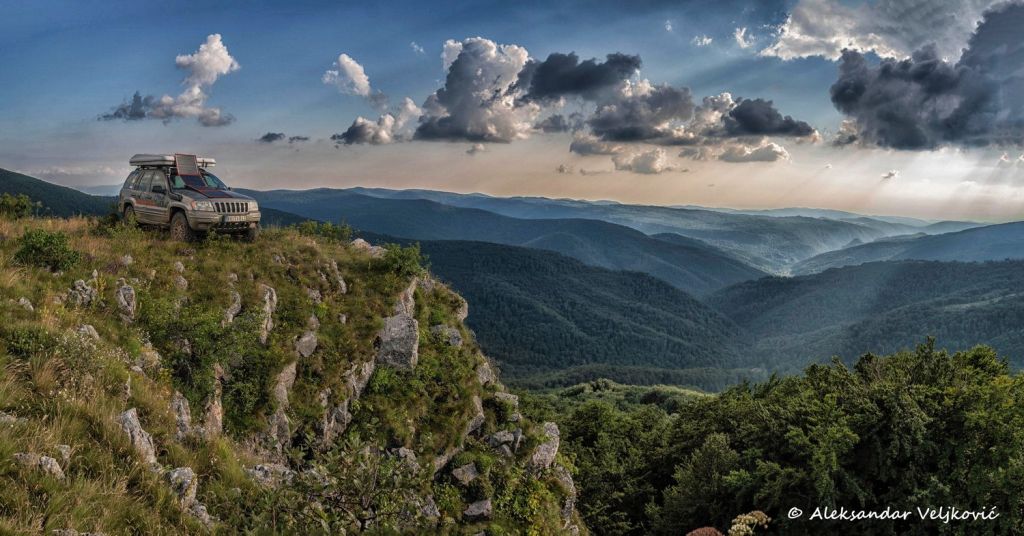
Expect a dispersed mountain experience rather than a single managed site. Some travelers come for driving scenery, others for hiking, cave interest, or simply to understand the karst geography of Eastern Serbia. Facilities are limited once you are away from towns, so bring what you need for several hours outdoors.
Dress for variable ground and temperature. Sturdy shoes matter more than technical gear for most casual visitors, but a light layer, water, and sun protection are sensible in any season. Families with children can enjoy Kučaj if they keep expectations realistic: this is better for short walks, viewpoints, and nature exposure than for stroller-friendly sightseeing. Accessibility is limited because the appeal of Kučaj lies in uneven natural terrain, remote roads, and cave-country conditions rather than paved visitor infrastructure.
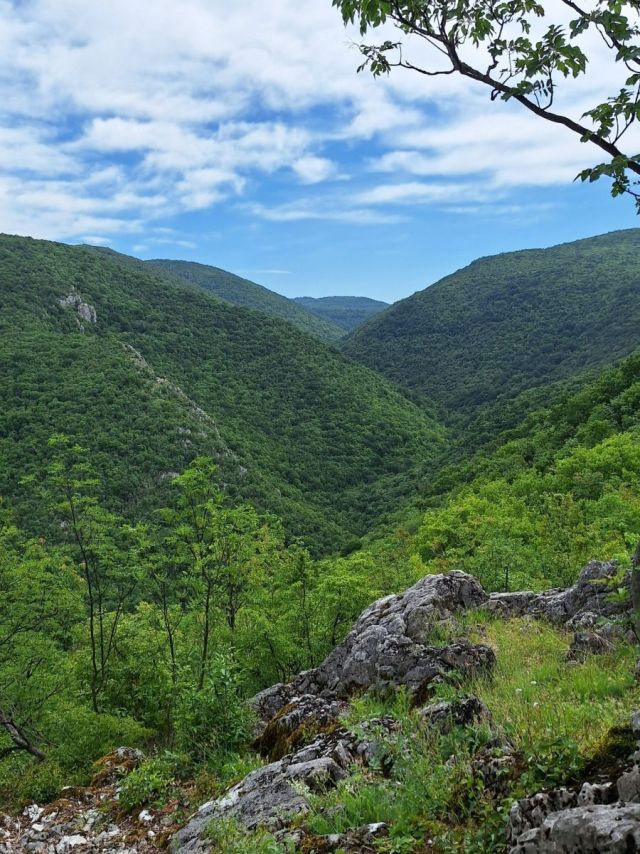
Tell us where you want to go and how you travel. We reply within two working days with a tailored plan.
Guided routes, walking tours, and experiences that help you make the most of a visit to Kučaj Mountains.

Brestovačka Banja
Brestovačka Banja in Kučaj Mountains.
Brestovačka Banja is best approached as a calm thermal stop near Bor rather than a destination packed with attractions. Its appeal comes from the combination of spa water, mountain-edge quiet, and...

Rgotsko jezero
Rgotsko jezero in Kučaj Mountains.
Rgotsko jezero is best approached as a calm reservoir stop in the Kučaj Mountains near Bor. Its clearly stated strength in the source material is fishing. International visitors should not expect ...
Map centered on the Kučaj mountain area in Eastern Serbia. Use it for orientation only, then refine your exact driving route before departure.
Kučaj is usually visited as part of a wider Eastern Serbia plan. These pages help you choose a base, add cave context, or connect the mountains to nearby regional routes.
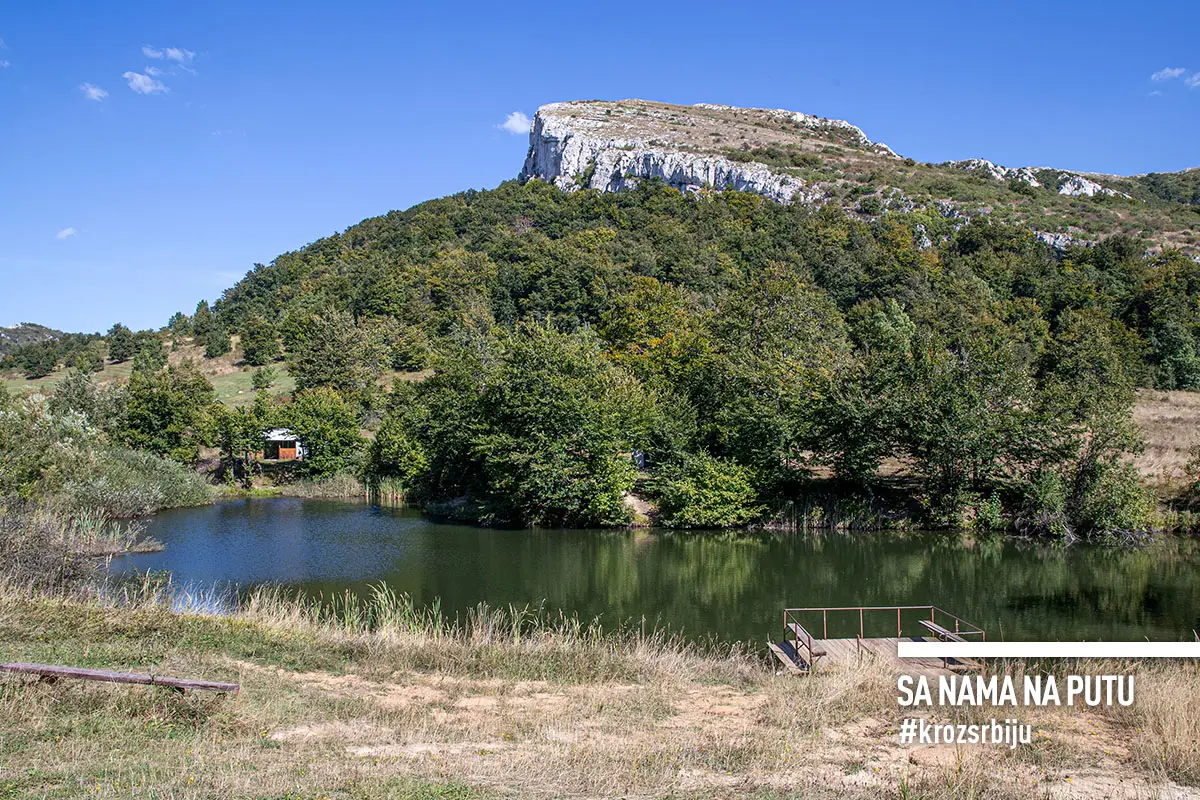
Bor and Surroundings
Useful base for reaching Kučaj from the mining-town side.
Best for travelers already staying in Bor and planning a car-based nature day into the mountains.
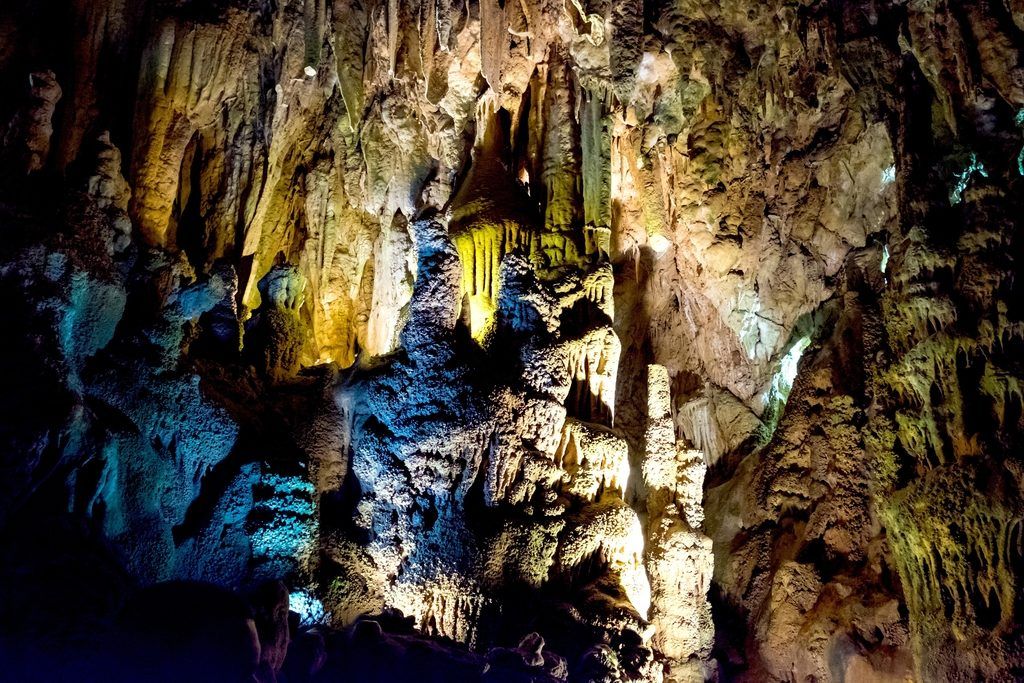
Resava Cave
One of the clearest cave-focused complements to a Kučaj itinerary.
Helpful if you want a more structured cave visit to pair with Kučaj's broader karst landscape.
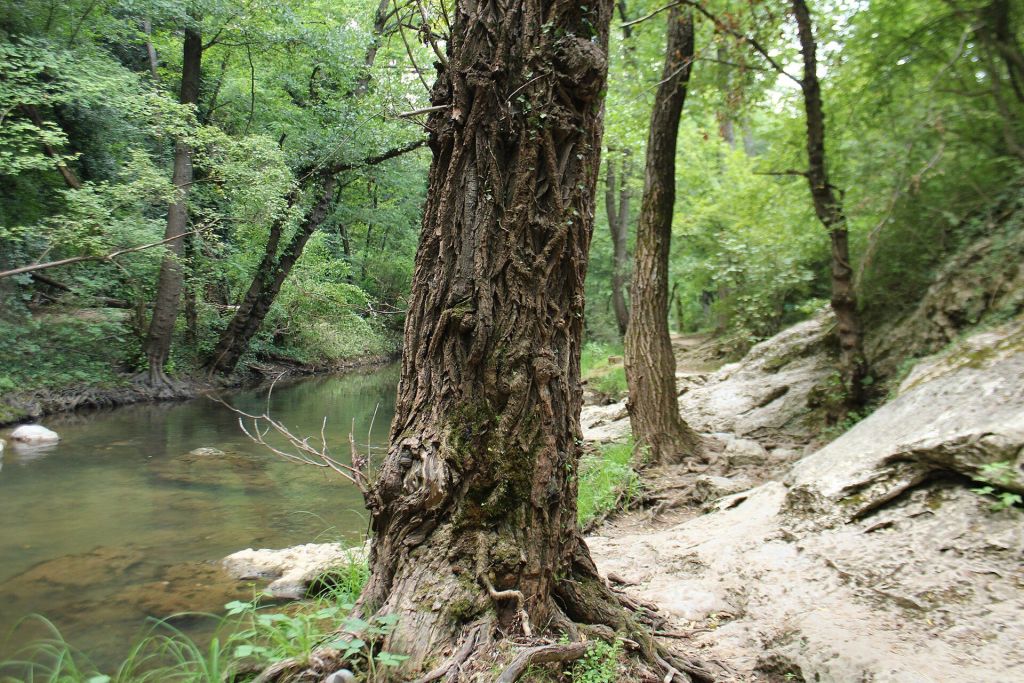
Sokobanja
Spa-town base with easy contrast to rugged mountain terrain.
Useful for travelers combining mountain drives with a more comfortable overnight base and lower-intensity sightseeing.
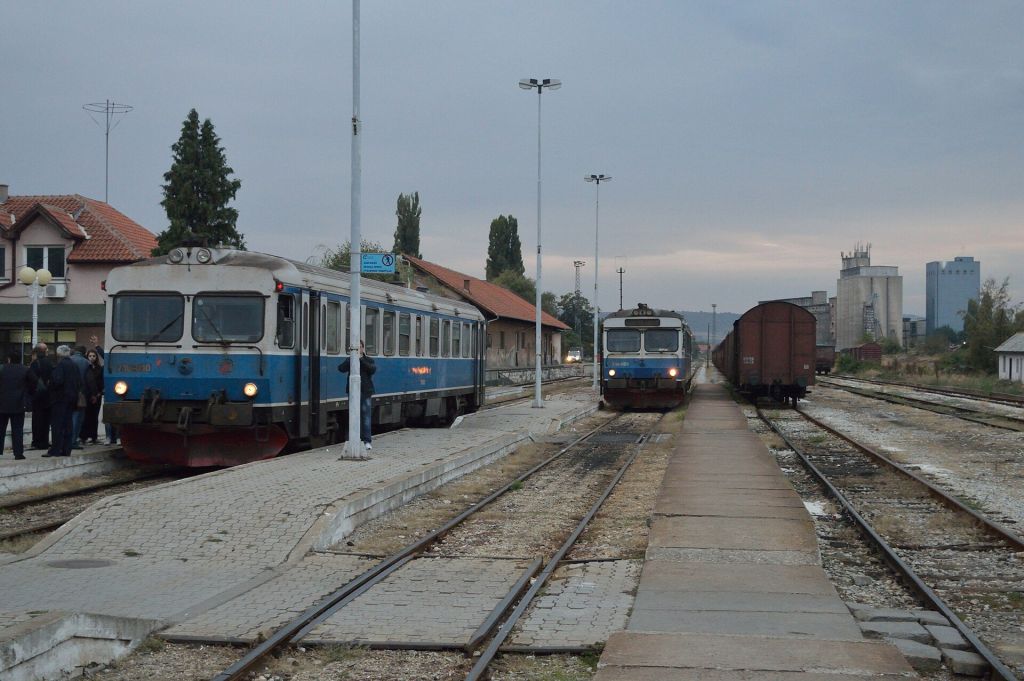
Zaječar
Regional base for broader Timok Valley travel.
A practical stop if your Eastern Serbia route combines Kučaj with archaeology and longer regional loops.
Eastern Serbia
Bor and Surroundings
Mountain range
Karst formations and cave systems
Car or driver
Useful to nearby towns, not the mountain interior
Late spring to early autumn
Nature day trip or road segment
No general reservation for the mountain range itself
Kučaj is best treated as a day trip or road segment with a clear route, offline navigation, water, and a weather check. The mountain area is broad, so travel time inside the region can be longer than it first looks on a map.
Do not assume regular services once you leave the main towns. Carry water, food, a charged phone, and download maps before entering the mountain area. In wet or cold conditions, unpaved roads and forest tracks can change quickly.
Use one of the nearby towns as your overnight base, leave early, and avoid treating Kučaj as a quick stop between distant destinations. Distances are manageable on paper but slower in reality once you leave main roads.
No. Kučaj is a broad mountain area, so most visits are route-based rather than centered on one ticket desk or one formal entrance.
They are known for karst relief and cave systems. That means limestone terrain shaped by underground water, depressions, springs, and cave landscapes.
For most travelers, yes. Public transport may get you to nearby towns, but it is not a dependable way to explore the mountain interior.
Yes, if you use a nearby base and keep the route focused. The area is large, so trying to cover too much in one day usually leads to unnecessary driving.
It can be, but mainly for simple nature stops and short walks. Families should plan around limited facilities and uneven terrain.
Kučaj works best when paired with a confirmed overnight base and one or two nearby regional stops. Start with the broader region guide if you are still shaping your route.
Stay connected in Serbia