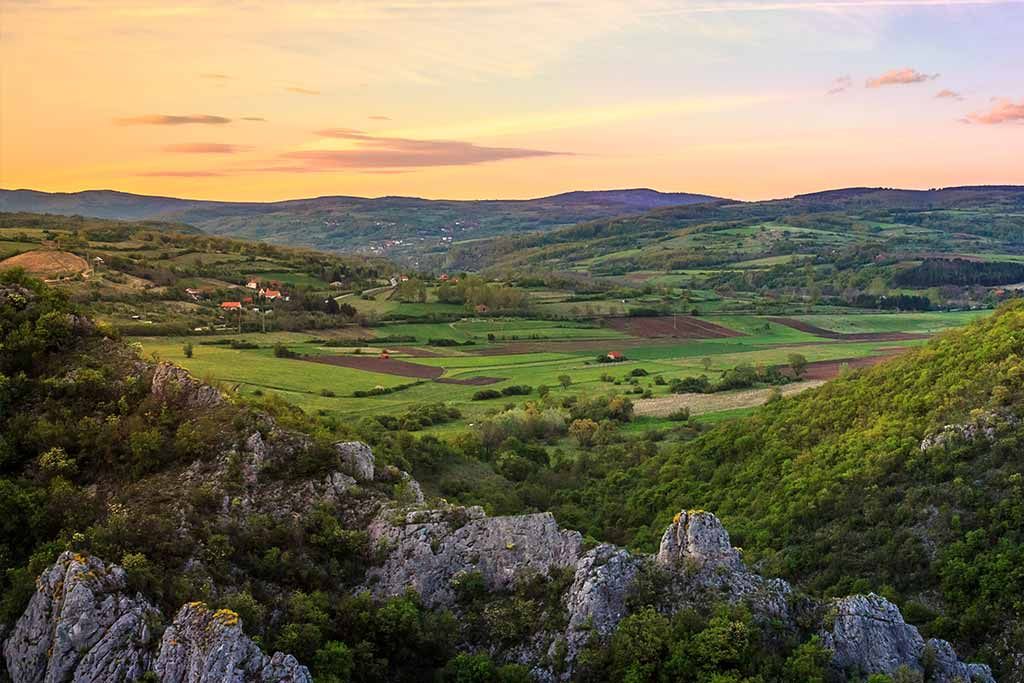
Eastern Serbia

Sokobanja is a spa town in eastern Serbia, set below the Ozren and Rtanj mountains and shaped by thermal springs, bathing culture, and a long reputation for clean air. Its identity combines a health-resort rhythm with easy nature access: central park walks, spa facilities, short climbs, and day outings rather than dense urban sightseeing. It is most closely associated with thermal mineral water and air-spa therapy, while the overall atmosphere is calm, seasonal, and geared toward rest more than nightlife. In the wider Eastern Serbia region, it works well as a slower base between cave, Danube, and mountain itineraries.
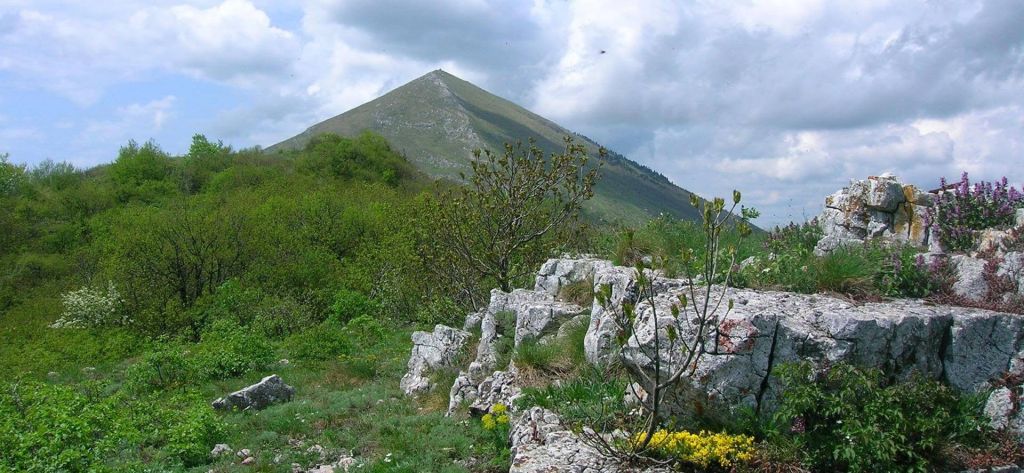
What makes Sokobanja distinct is the way thermal water and climate are treated together rather than separately. The town's reputation rests on mineral springs, bathing tradition, wellness and rehabilitation stays, and the idea of recovery through mountain air at the foot of Ozren and Rtanj. That combination gives Sokobanja a different role from a city spa hotel: people come for repeated walks, breathing easier air, time in pools or baths, and a slower daily pattern around the park and promenade. The Roman thermae heritage and later bath culture reinforce that identity, making the spa story here about continuity rather than a single modern complex.
For travelers interested in a broader eastern Serbia route, Sokobanja pairs naturally with prehistoric river heritage at Lepenski Vir on the Danube or underground geology at Resava Cave, but its main value is unhurried time in one place.
Sokobanja is usually reached overland from Niš or Belgrade. For international travelers arriving in southern Serbia, Niš is the most practical hub, while Belgrade works for longer transfers and wider Serbia itineraries. The source set for this page confirms the route-planning need but does not provide fixed departure tables or local line numbers, so the most reliable approach is to check current intercity schedules before departure and keep some buffer time for seasonal variation.
By car, the town is a straightforward spa-base stop for eastern Serbia road trips. Once in Sokobanja, much of the central area can be covered on foot, especially if you stay near the spa park. For onward planning, use Serbia Transit Search for current bus and train checks rather than relying on static schedule text.
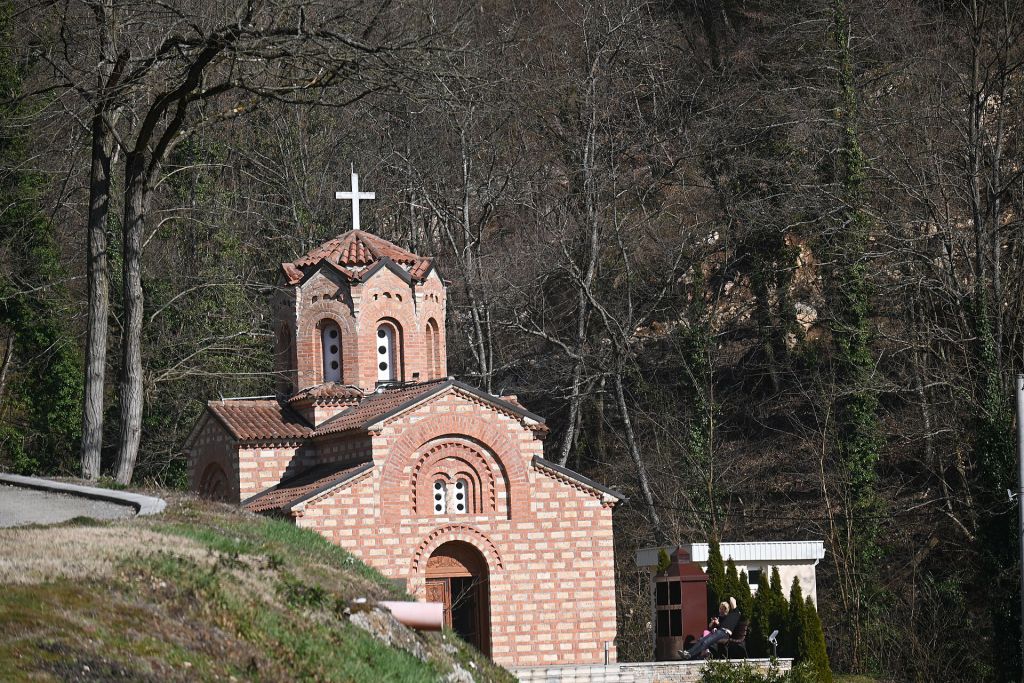
Sokobanja works best when you want time outdoors as well as access to spa facilities, so late spring to early autumn is the most flexible period for combining promenade walking, short hill outings, and the Bovan Lake area. Summer brings the fullest resort atmosphere, while shoulder seasons are better if you want a quieter rhythm and cooler air for walking.
For a health-focused stay, the timing matters less than your treatment or wellness plan. If baths and rehabilitation are the priority, book around the property or program you intend to use rather than around peak sightseeing dates alone. In winter, the mountain setting can still appeal, but outdoor time becomes more weather-dependent.
Expect a spa town rather than a fast-paced city break. The atmosphere is relaxed and practical, centered on accommodation, treatments, walks, cafés, and low-key evening promenade time. Dress is casual, especially during the day. If you are planning baths, bring the basics you would for a wellness stay and confirm in advance what your hotel or treatment provider supplies.
Families, older visitors, and travelers looking for gentler terrain generally find Sokobanja easier than mountain resorts built around strenuous activity. Accessibility and facility standards vary by property, so it is worth checking details directly if you need step-free access, rehabilitation support, or specific medical-spa services.
Primary grounding comes from the provided editor brief and Serbian Travel source set for Eastern Serbia. Supporting Serbia travel material confirms Sokobanja's established role among Serbian spa destinations.
Tell us where you want to go and how you travel. We reply within two working days with a tailored plan.
Niš is the closest major city hub for many visitors. It makes sense if you are combining southern and eastern Serbia or arriving via Niš Constantine the Great Airport. Build in time for bus transfers and confirm the latest departure information before the day of travel.
Belgrade works best for travelers entering Serbia through the capital and continuing inland. Sokobanja is better treated as a 2- to 4-day stop than a rushed same-day detour, especially if you also want time for the spa park, Sokograd, or Lake Bovan.
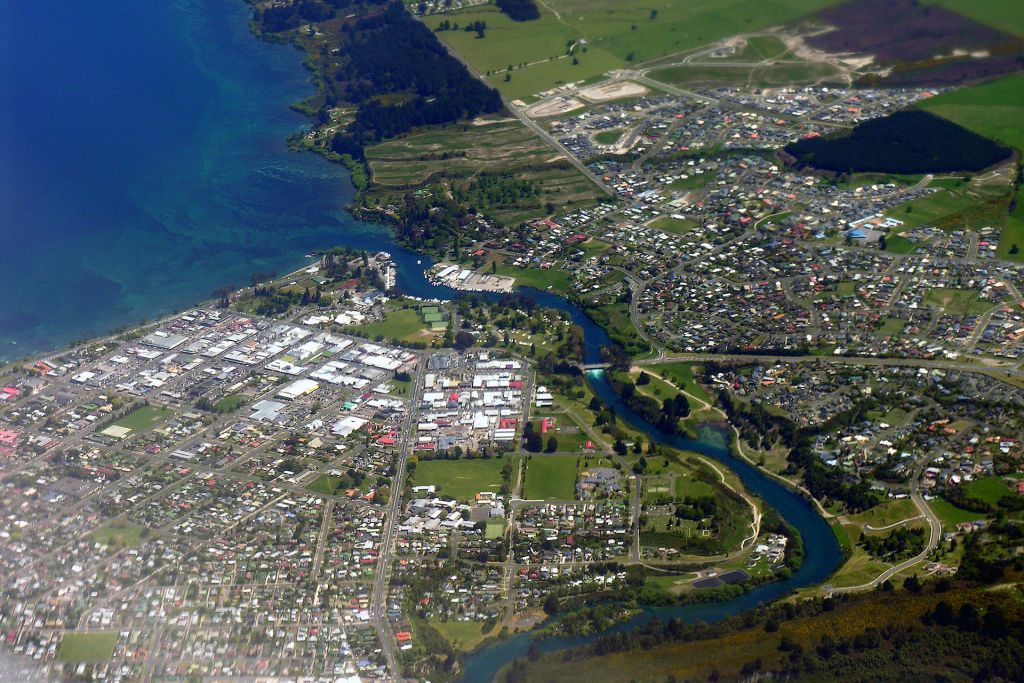
Sokobanja lies in eastern Serbia, below Ozren and Rtanj, with the spa center and promenade forming the easiest base for visitors.
These are the places most closely tied to Sokobanja's spa identity, bathing tradition, and easy outdoor rhythm. Where exact admission, hours, or treatment schedules were not stated in the source material, they are left unlisted.
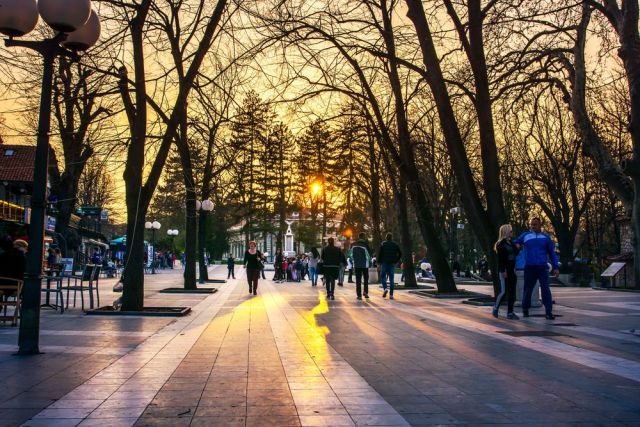
Central Spa Park and Promenade
The social core of Sokobanja for walking, resting, and orienting yourself in town.
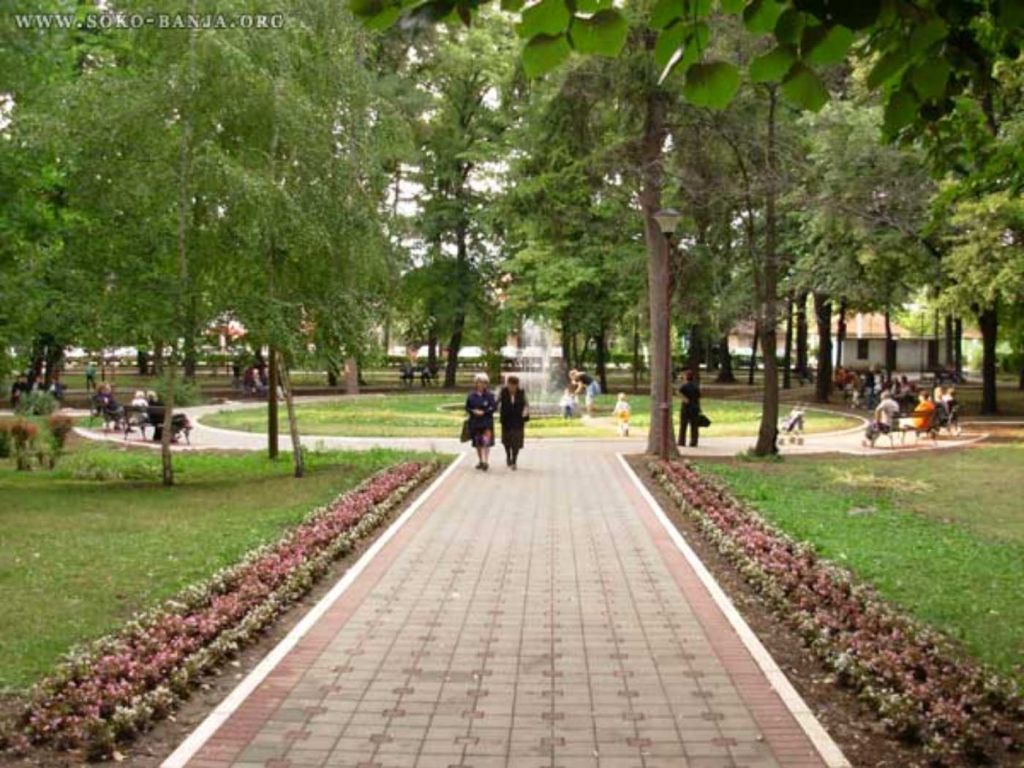
This is the easiest starting point for any first stay in Sokobanja. The park-and-promenade zone reflects the town's health-resort character: gentle walking, benches, shade, and a slow daily rhythm built around fresh air rather than checklist sightseeing.
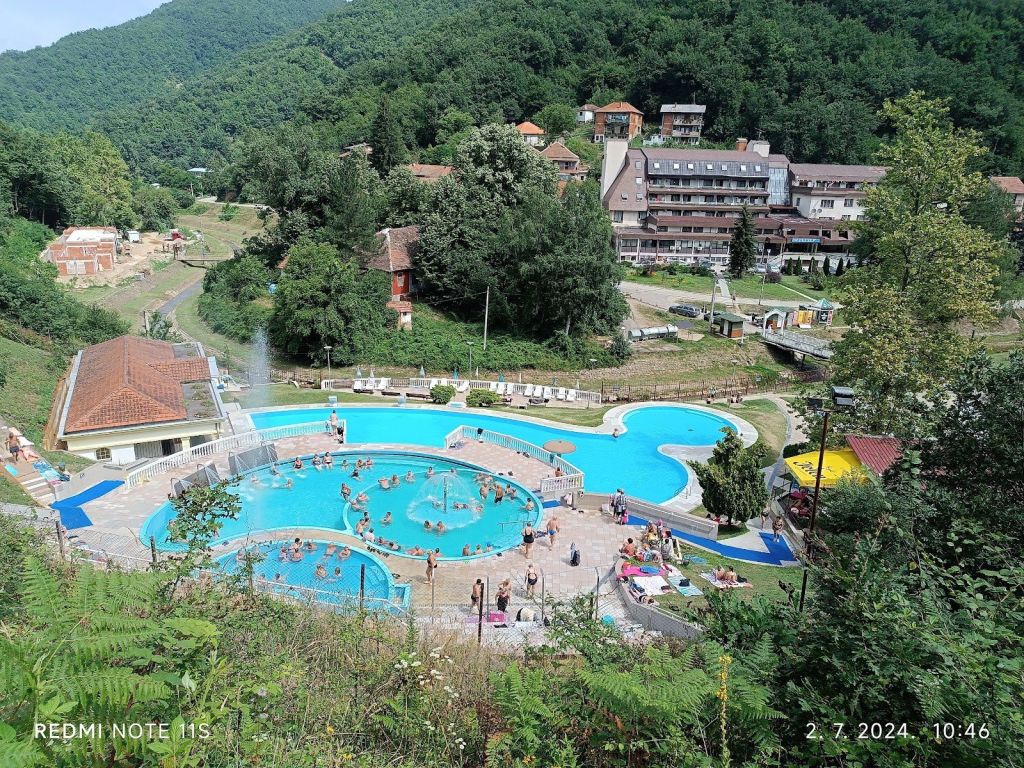
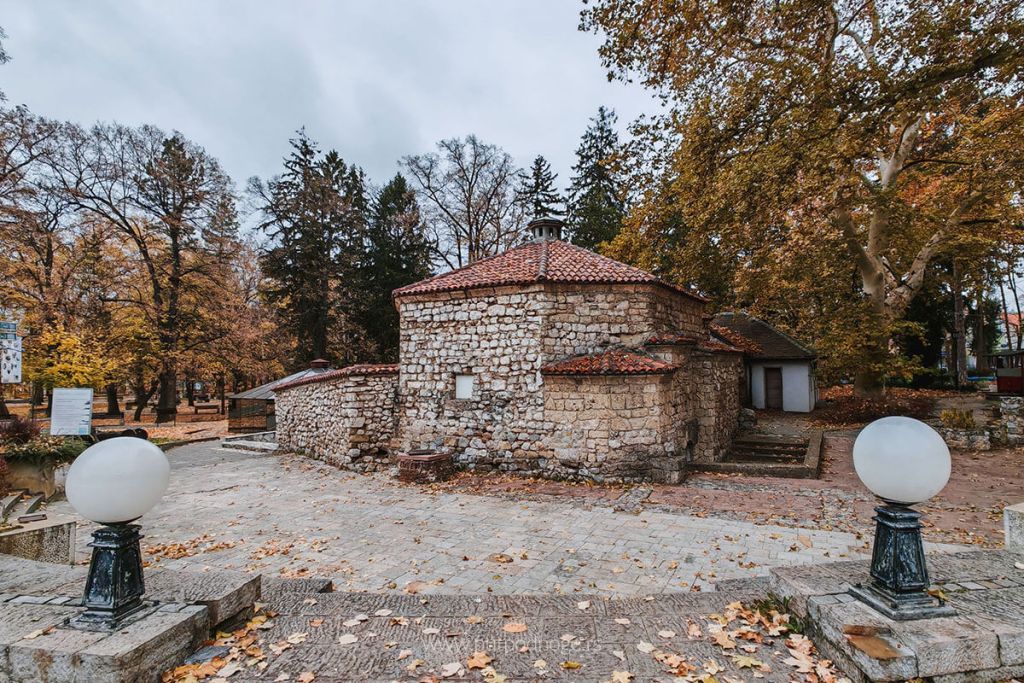
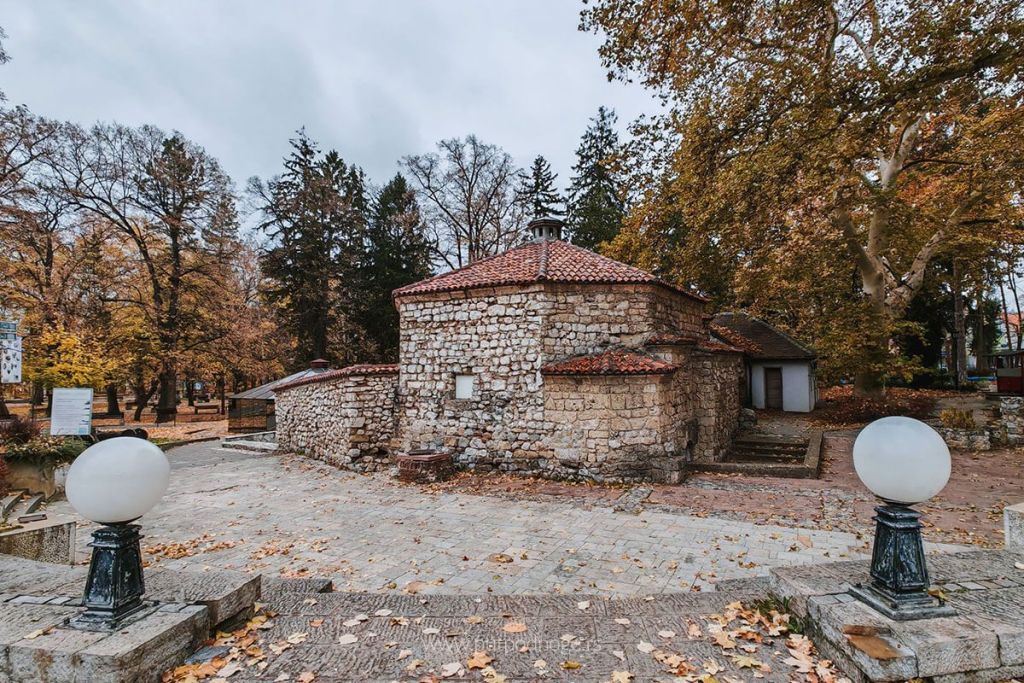
Amam and thermal bath heritage
The bath tradition that explains why Sokobanja developed as a classic Serbian spa town.
Sokobanja's identity is rooted in thermal mineral water and long bathing practice. The Amam and associated thermal heritage are important for understanding the town beyond a weekend resort label, linking present-day wellness use with older forms of healing and bathing.
Roman thermae heritage zone
A reminder that the use of healing water here reaches back to Roman times.
The Roman thermae story gives Sokobanja historical depth. Even when you are primarily visiting for relaxation, the Roman layer shows that the practical use of thermal water in this area is old and continuous rather than a recent tourism invention.
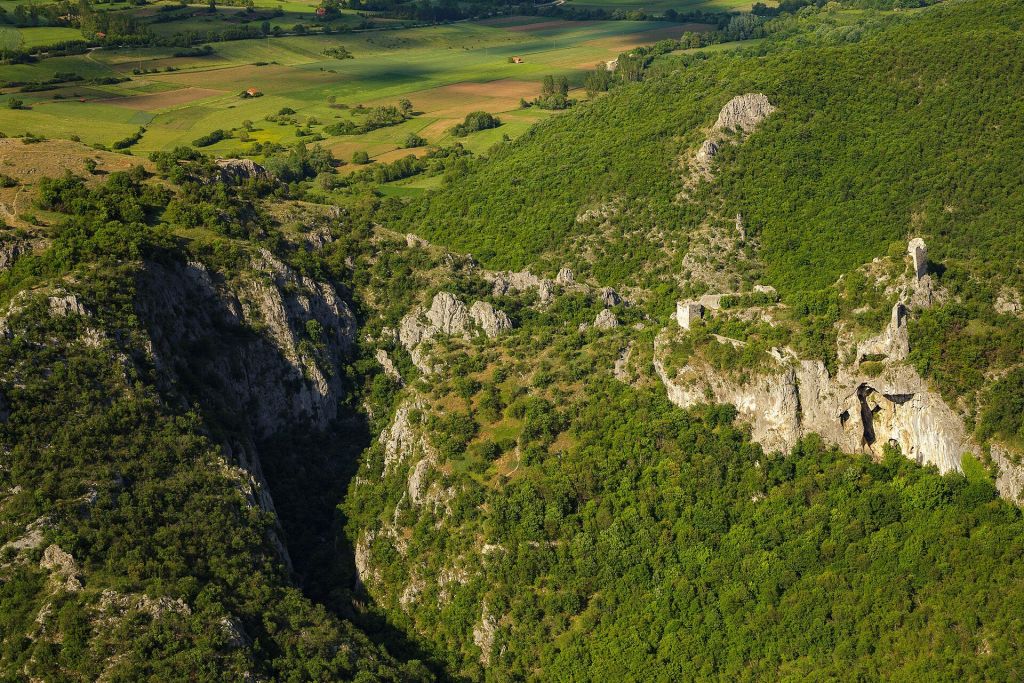
Sokograd Fortress
Medieval fortress remains above town, combined with a short nature outing.
Sokograd adds a historical excursion to a spa-focused stay. It sits above the town and is usually combined with walking in the surrounding landscape, making it a good half-day contrast to pools, treatments, or promenade time.
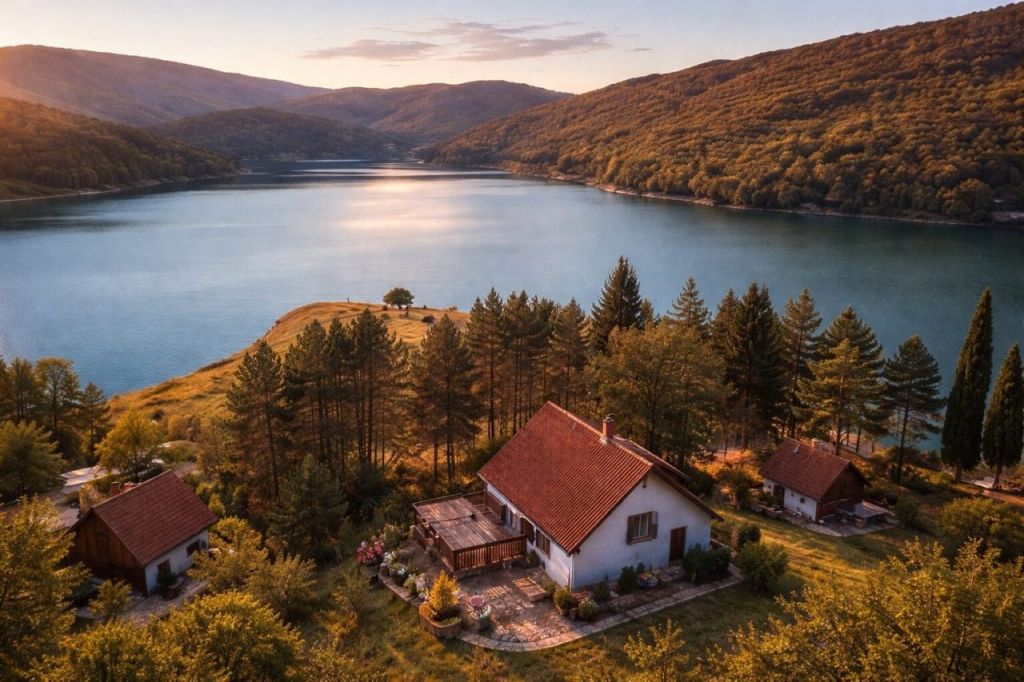
Bovan Lake area
A nearby water-and-landscape break for visitors who want more open space.
Lake Bovan works as an easy side trip from Sokobanja when you want a change from the central spa zone. It fits the broader Sokobanja pattern of low-intensity outdoor time rather than destination-hopping, especially in warmer months.
Eastern Serbia
Spa town below Ozren and Rtanj
Thermal mineral springs and mountain-air stays
Niš
Sokograd fortress, Roman bath heritage, spa park, Bovan Lake
2 to 4 days works well
Late spring to early autumn for combined spa and outdoor time
Relaxed, promenade-based, wellness-oriented
Recommended for treatment-based or wellness stays
Sokobanja is easier to plan as a road or bus destination than as a rail trip, since the town is known in practice as a spa resort reached from larger transport hubs such as Niš or Belgrade. If you are building a wider route through Serbia, keep your transport checks flexible and confirm current departures before travel.
The editor brief positions Sokobanja around wellness and rehabilitation stays rather than a single landmark visit. That makes central lodging near the spa park and promenade the most practical choice for visitors who want to walk between baths, cafés, and evening strolls without using a car for every short movement.
Sokobanja suits travelers who want a Serbian spa town with room to slow down. The core experience is not one museum or one monument. It is a pattern of thermal water, air, short walks, simple excursions, and time for recovery.
If you are not traveling only for spa time, Sokobanja fits well before or after the Danube gorge landscapes of Đerdap National Park. It provides a calmer inland base with a different focus: rest, mineral water, and breathing space.
It is mainly a spa and air-spa destination. Sightseeing exists through places such as Sokograd, the spa park, and the Roman bath story, but the main reason to come is thermal water, rest, and lighter outdoor activity.
Two to four days is a practical first stay. That gives enough time for baths or wellness use, town walks, and one or two short outings such as Sokograd or Lake Bovan.
Yes, if you stay in the central area and plan around the spa park and town center. A car becomes more useful if you want maximum flexibility for surrounding mountain and lake excursions.
Late spring through early autumn is the most flexible period, because you can combine thermal facilities with comfortable time outdoors. Summer is more active, while shoulder seasons feel calmer.
Yes. It works well as the restorative part of an eastern Serbia route, balancing more excursion-heavy stops such as Đerdap or cave visits with slower days focused on wellness and air.
Stay connected in Serbia