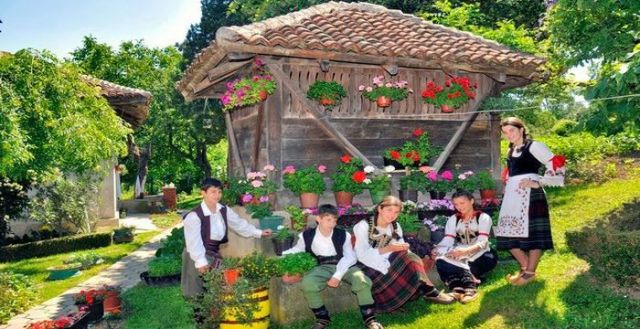
Danube-side village near Smederevo

Šalinac is described as a small village on the Danube bank with wine cellars and traditional salaši. In practical terms, that makes it a rural stop rather than a town-style sightseeing destination. Travelers come here for a slower Danube mood: village lanes, agricultural surroundings, cellar culture and the sense of an older river landscape still tied to household production. As part of the wider Danube route in Serbia, Šalinac works best for visitors who want a short detour from urban sightseeing and a look at local wine and farmstead traditions. The atmosphere is quiet and functional, with more village rhythm than formal tourism infrastructure.
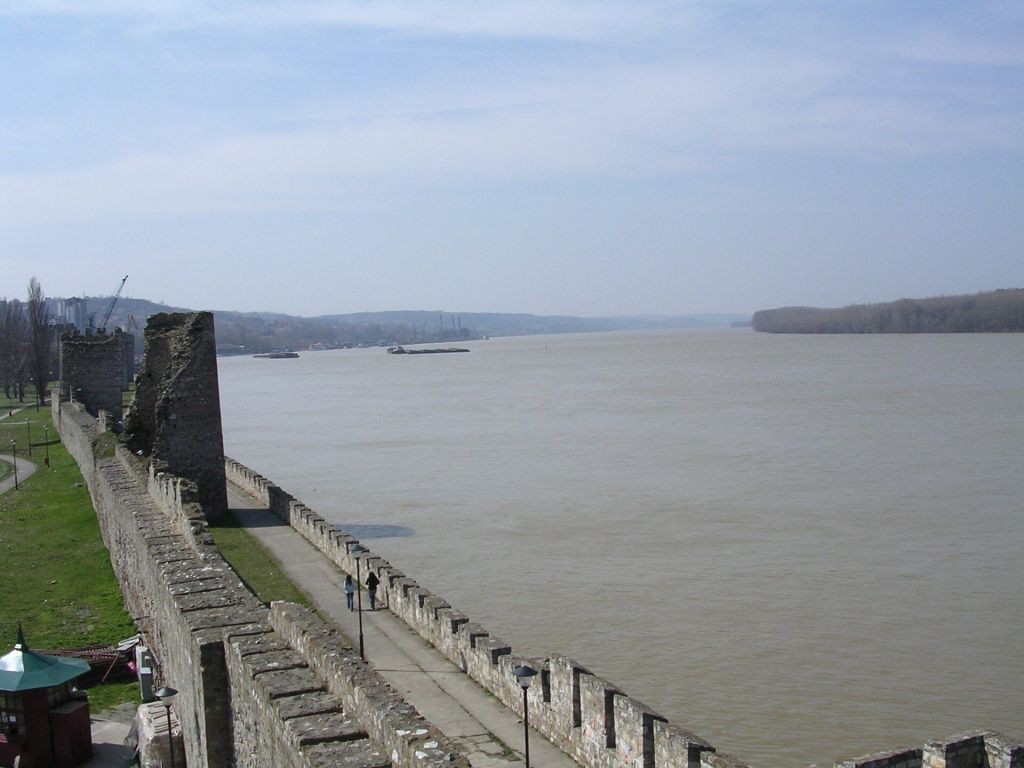
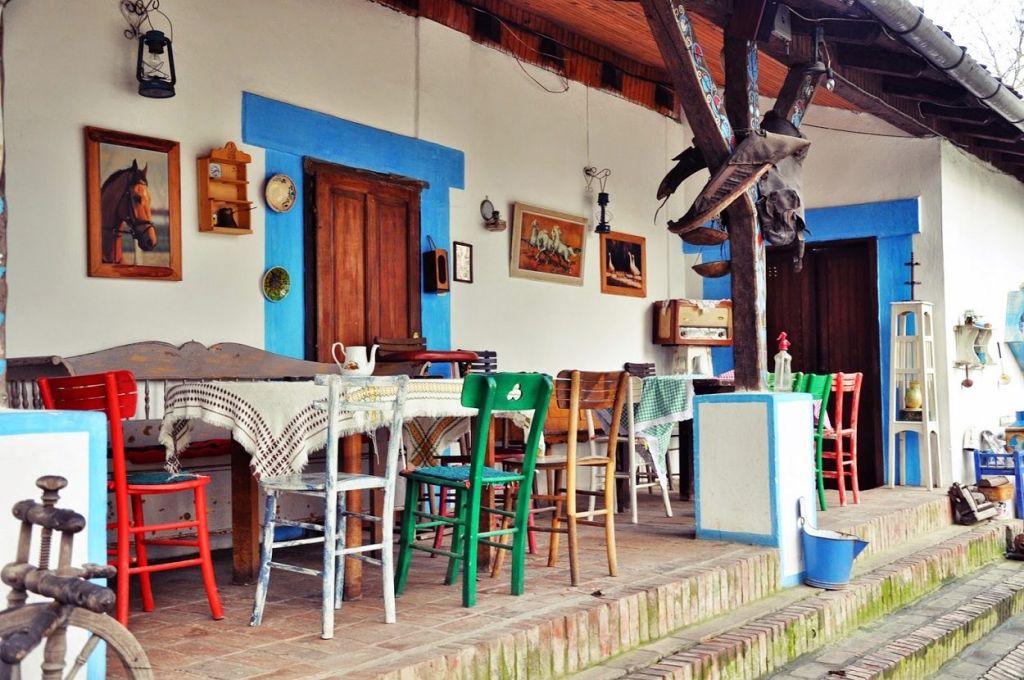
The defining speciality in Šalinac is the pairing of wine cellars with traditional salaši, the dispersed farmstead type associated with life shaped by agriculture, storage and seasonal work. What makes this combination meaningful here is context: the village sits in a Danube environment where rural production and river geography meet. A cellar is not just a tasting backdrop, and a salaš is not just rustic décor. Together they point to how people organized land, food, storage and hospitality over time. For visitors, that means the best experience in Šalinac is observational and place-based. Walk slowly, notice outbuildings and courtyard layouts, and treat the village as part of the broader historical fabric that also connects with Smederevo and the lower Serbian Danube corridor.
The available source identifies Šalinac as a small Danube-side village but does not provide verified public transport line numbers, stop names, parking arrangements or fixed taxi fares. For that reason, it is best treated as a short rural detour planned from nearby urban bases rather than a stand-alone transit destination. In practice, most travelers will place Šalinac into a wider route from Smederevo or another Danube stop and confirm current access locally before departure. If you are building a broader river itinerary, the wider Eastern Serbia guide and the Serbia-wide transit search are the most useful planning tools.
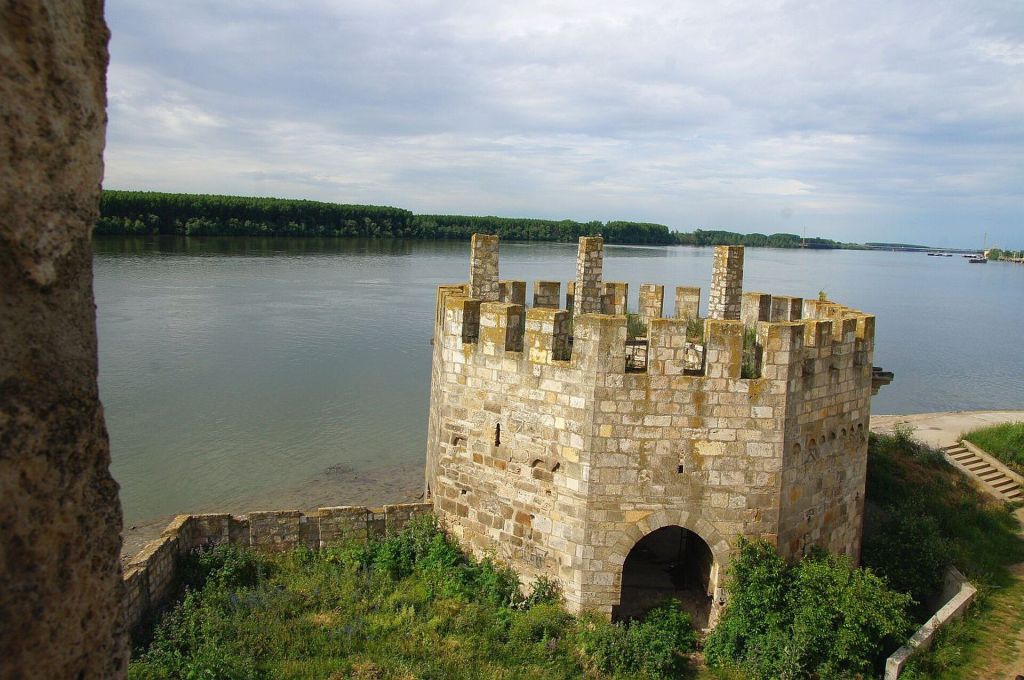
Šalinac suits daylight visits. The village's appeal depends on seeing the river setting, the agricultural landscape and the built details of cellars and salaši, so late morning through afternoon is the most practical window. A dry-weather visit is easier because the experience is largely outdoors and based on walking and observation rather than ticketed indoor attractions. Travelers already exploring the Danube corridor, Smederevo or longer routes toward Đerdap National Park can add Šalinac as a calm break rather than a full-day stop. Because the source does not confirm bookable venues, treat it as a flexible village visit rather than a reservation-led destination.
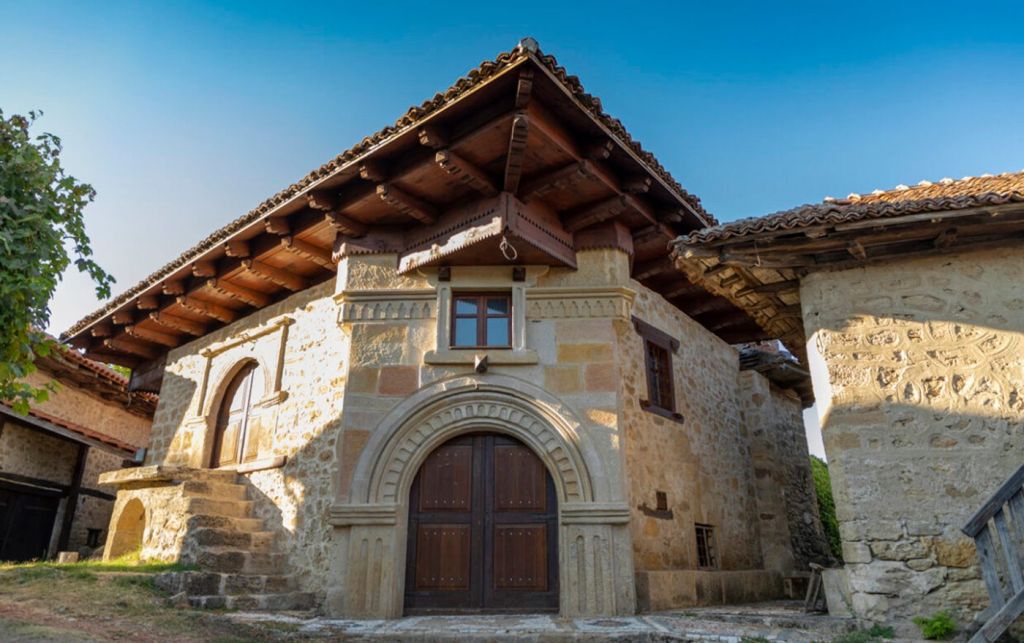
Expect a quiet village environment rather than a curated attraction. Infrastructure may be limited, and the reward comes from context: landscape, architecture and the agricultural logic behind cellars and salaši. Dress simply for walking on local roads and carry water, sun protection and any essentials you may need for a short rural stop. Families who enjoy calm places may find it suitable for a brief break, but visitors looking for museums, fixed exhibitions or dense restaurant choice should base themselves in larger destinations such as Smederevo and use Šalinac as a small side visit. Accessibility details are not confirmed in the source, so travelers with mobility needs should plan conservatively.
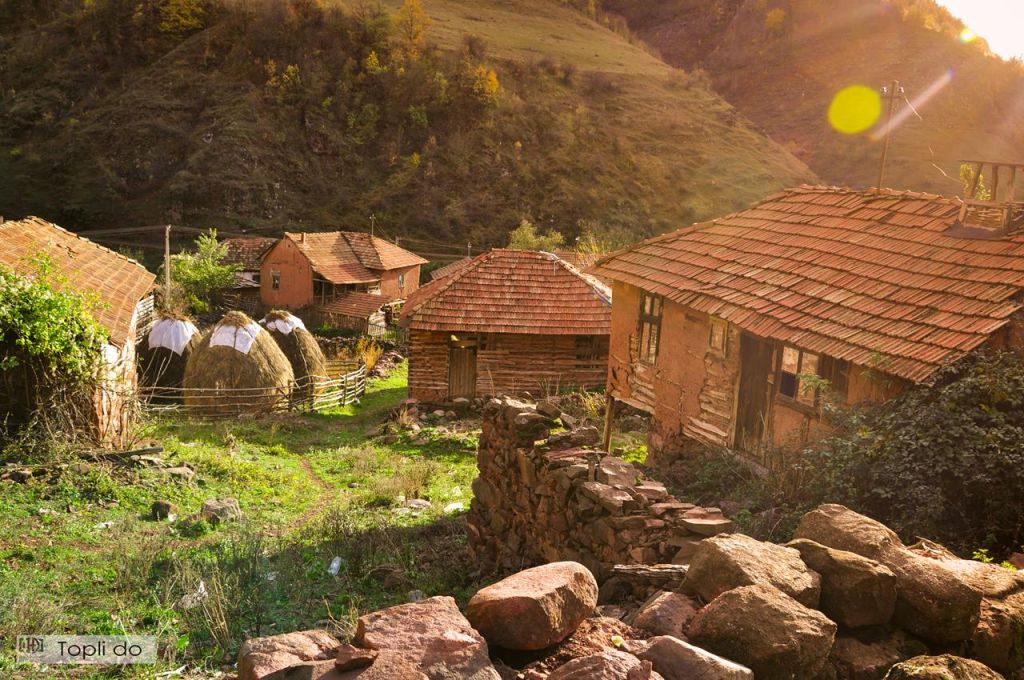
A short stop for travelers interested in Danube villages, rural architecture and wine culture context.
Do not expect a dense cluster of formal attractions, fixed-ticket venues or heavily structured tourism services based on the current source material.
Use the map to place Šalinac within the wider Smederevo and Serbian Danube area.
The source material identifies Šalinac through its Danube bank, wine cellars and traditional salaši. These are the key place-types to focus on when visiting.
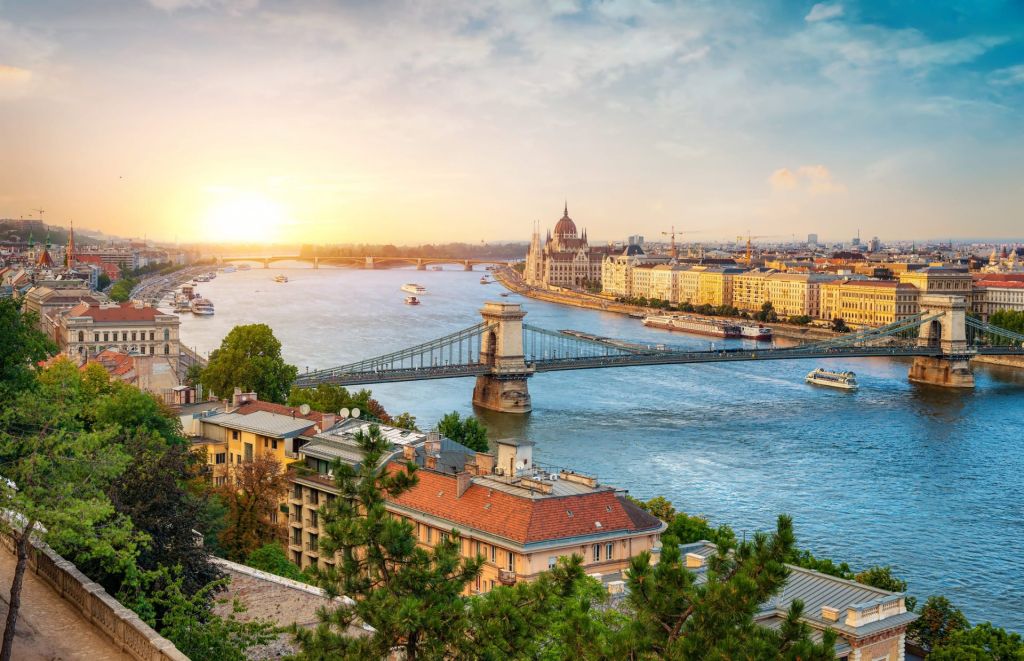
Šalinac Danube riverbank
The village's defining natural setting.
Start with the river edge to understand why Šalinac is framed as a Danube village. This is the landscape anchor for the visit.

Šalinac wine cellars
The main cultural speciality named for the village.
The cellar tradition is one of the clearest reasons to include Šalinac in a Danube itinerary. Look for older storage and production spaces as part of the village fabric.
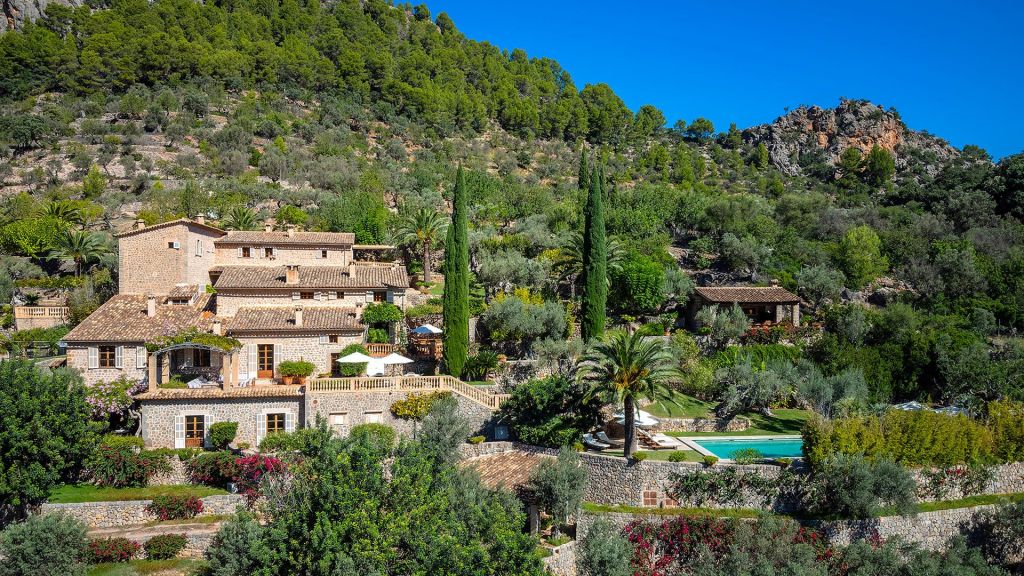
Traditional salaši in Šalinac
Farmstead architecture tied to the village's rural identity.
Salaši are part of what distinguishes Šalinac from a simple roadside settlement. They show the agricultural household pattern behind local life.
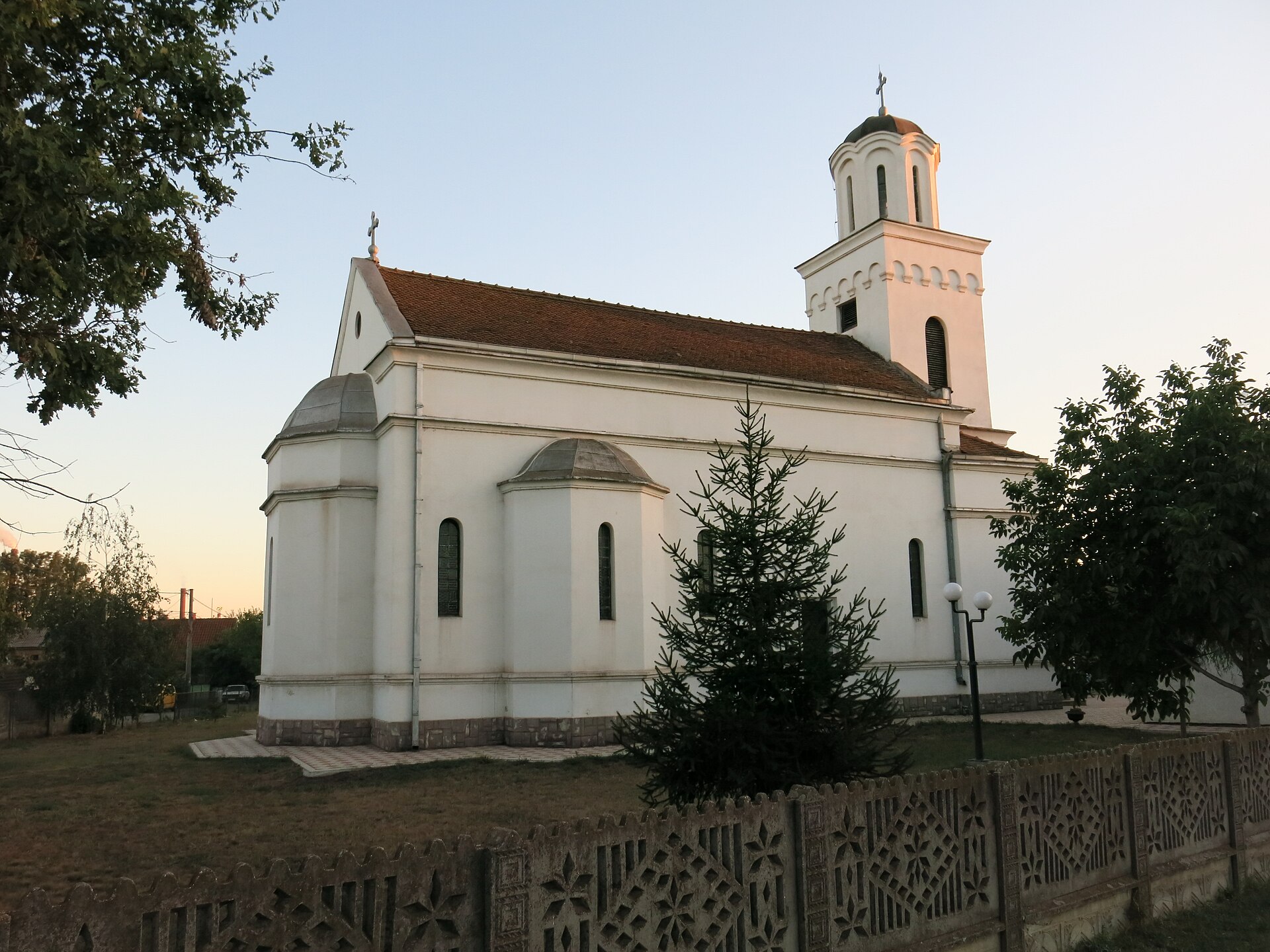
Village core of Šalinac
A compact area to connect the river, cellars and households.
The center of the settlement is where the visit becomes coherent: lane structure, domestic buildings and everyday village rhythm together explain the place better than isolated sightseeing points.
Danube-side village near Smederevo
Smederevo
Wine cellars and traditional salaši
Short daytime stop
Self-guided village walk
Not indicated in the source
Šalinac is most useful as a cultural landscape stop. The draw is not a long checklist of monuments, but the combination of riverbank setting, cellar tradition and salaš architecture.
Choose Šalinac if you like village landscapes, wine culture in a non-urban setting, and short low-pressure stops between larger Danube sights.
For most travelers, 30 to 90 minutes is enough for a short orientation walk and a look at the village's rural Danube character.
Add it to a Danube day with a larger base nearby, keeping expectations focused on landscape and rural heritage rather than formal sightseeing.
Šalinac is identified as a small village on the Danube bank known for wine cellars and traditional salaši.
For most travelers, no. It works better as a short stop within a wider Danube or Smederevo-area itinerary.
Expect a quiet rural setting, a sense of local agricultural heritage and a place best understood through walking and observation.
The source does not indicate reservations, ticketing or fixed venue visits. Plan it as a flexible stop.
Use Šalinac as one quiet rural stop within a longer Serbia journey that includes Danube landscapes, river towns and cultural sites.
Stay connected in Serbia