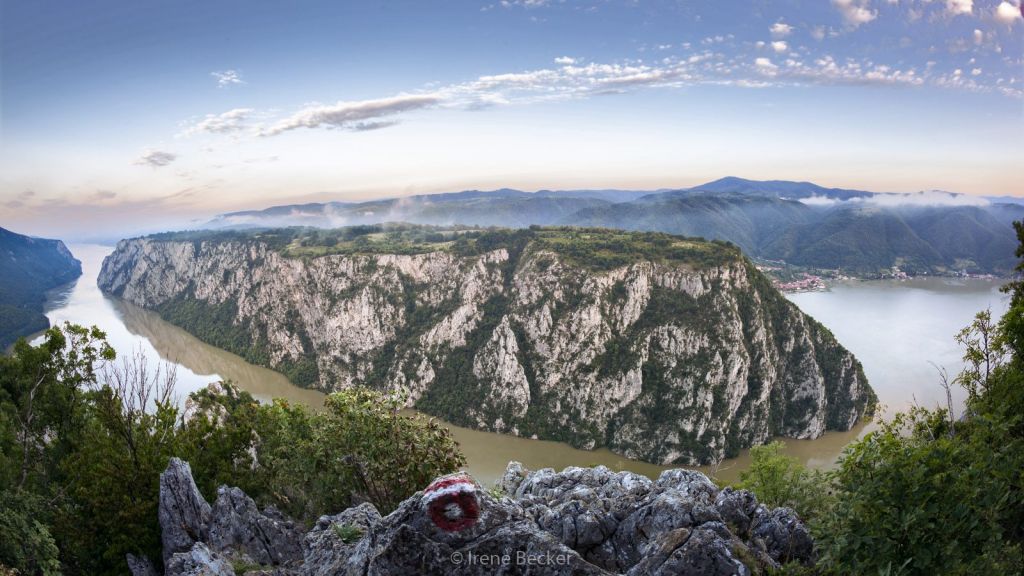
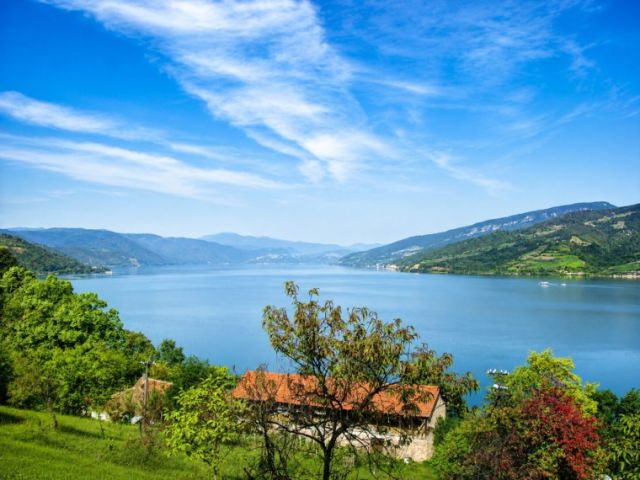
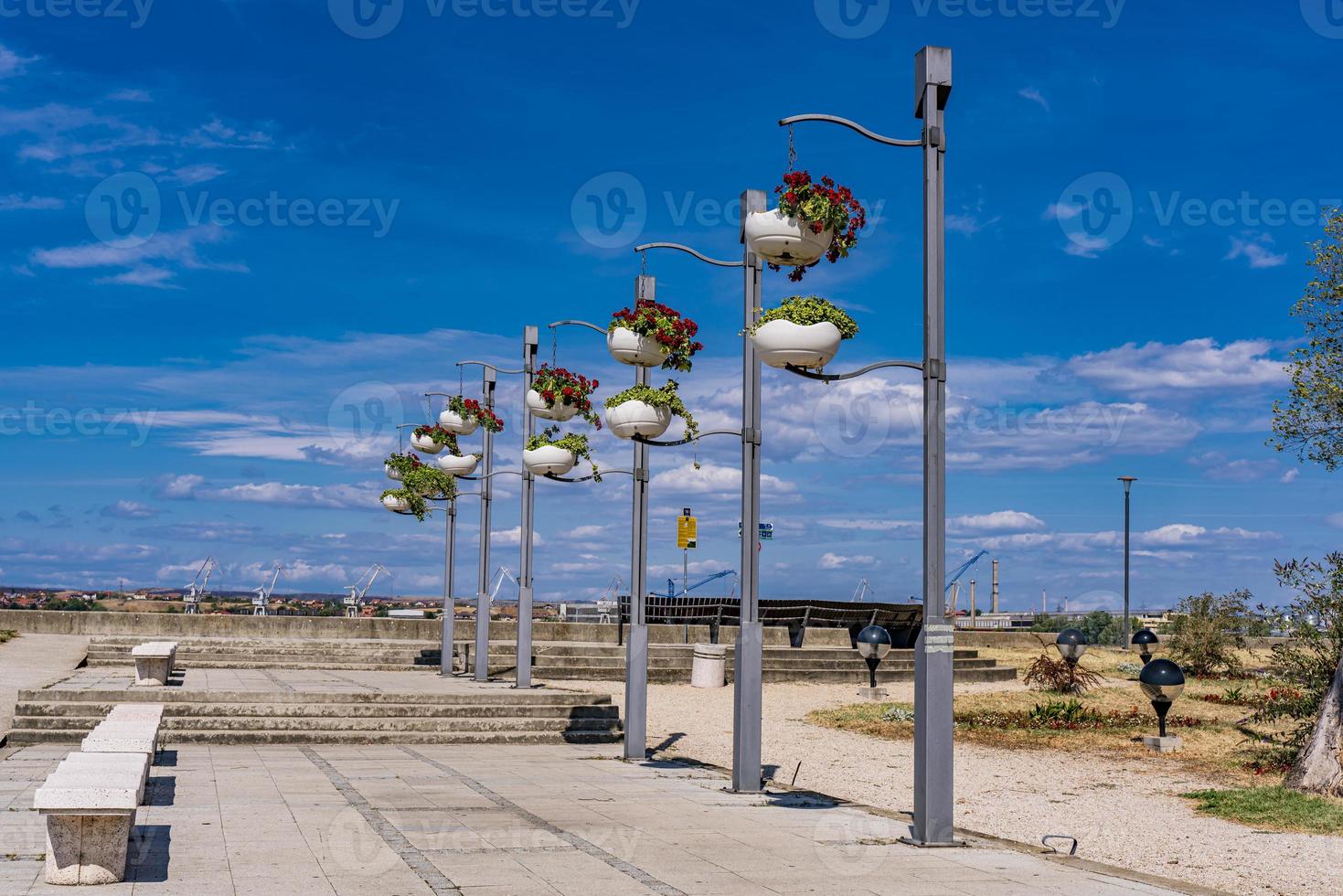
Town center and Danube waterfront, Kladovo, eastern Serbia

Kladovo works less as a museum-style stop and more as a base. Travelers use it to sleep near the lower Đerdap section, arrange Danube outings, continue by road through eastern Serbia, or cross the river toward Romania. If your plan includes the wider park, Kladovo pairs well with The Majestic Đerdap National Park Guide for orientation and with Donji Milanovac if you want a second river town farther upstream.
Kladovo stands on the Danube in the eastern part of Serbia, inside the wider travel area of Đerdap National Park. In practical terms, it is the largest town in the park zone and one of the easiest places for travelers to use as a service base rather than a single-sight stop. It is most known as a starting point for Danube-oriented outings and for the ferry connection toward Romania. The feel is functional and riverside: a place for overnight stays, arranging the next leg, and spending time along the water rather than rushing through a monument circuit.
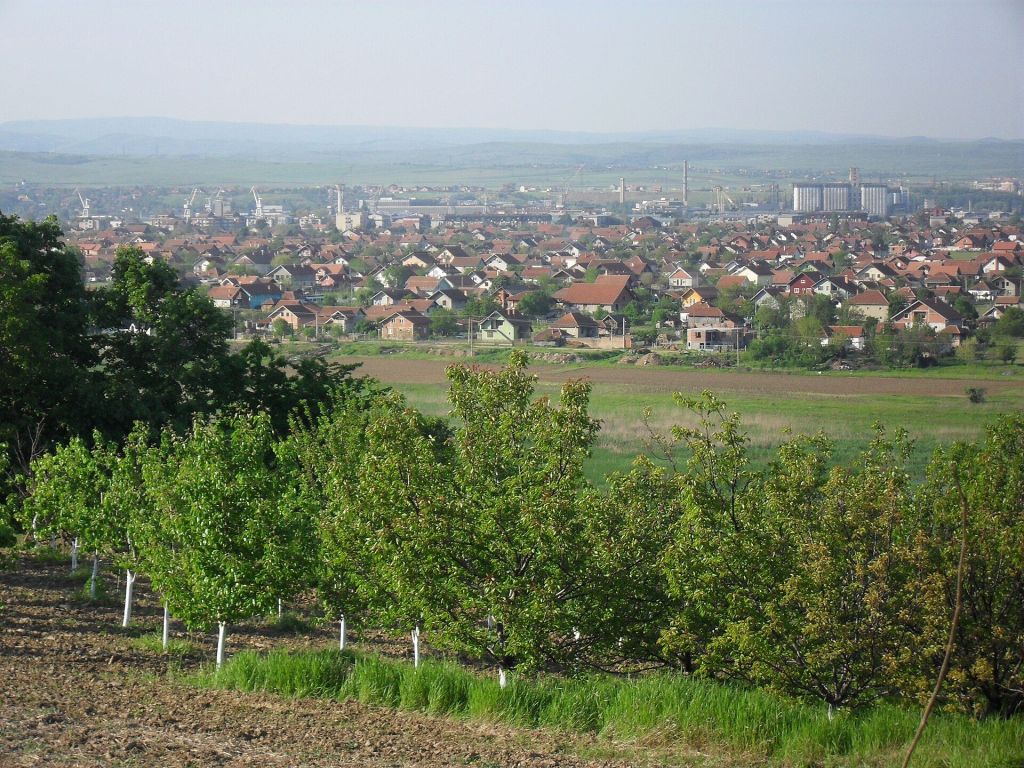
This is the part of Kladovo that matters most to visitors. Unlike smaller viewpoints or archaeology stops in Đerdap, Kladovo is used as a working access point. Travelers come here because the river is not just scenery; it is part of the route. Boat excursions, waterfront departures, and the ferry crossing shape how the town functions for visitors. That makes Kladovo different from places such as Lepenski Vir, where the focus is a single cultural site. In Kladovo, the value is logistical: you stay here to move on the Danube, connect with the Romanian side, or start a day in the lower gorge with less backtracking.
Kladovo makes the most sense when paired with other Danube and Đerdap stops.
Donji Milanovac
Another Danube town inside the park, useful if you want a second overnight base or boat-oriented stop upstream.
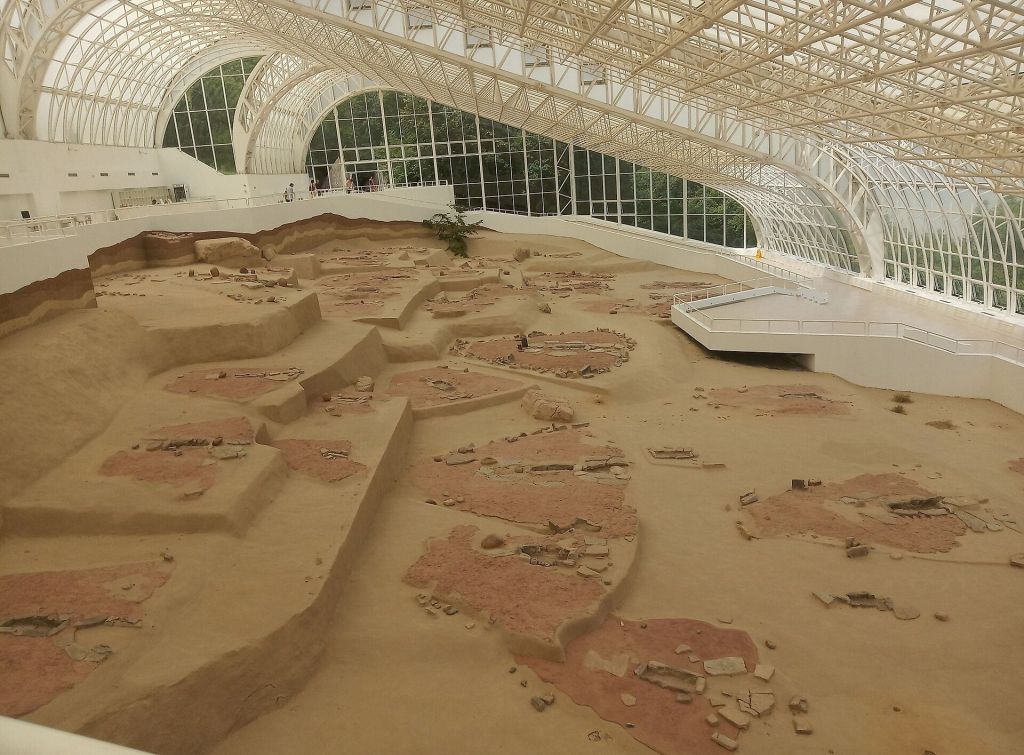
Lepenski Vir
The main archaeology stop in the area and a strong contrast to Kladovo's transport-oriented role.
Đerdap National Park
Use the wider park guide to understand viewpoints, gorge geography, and how Kladovo fits into a longer route.
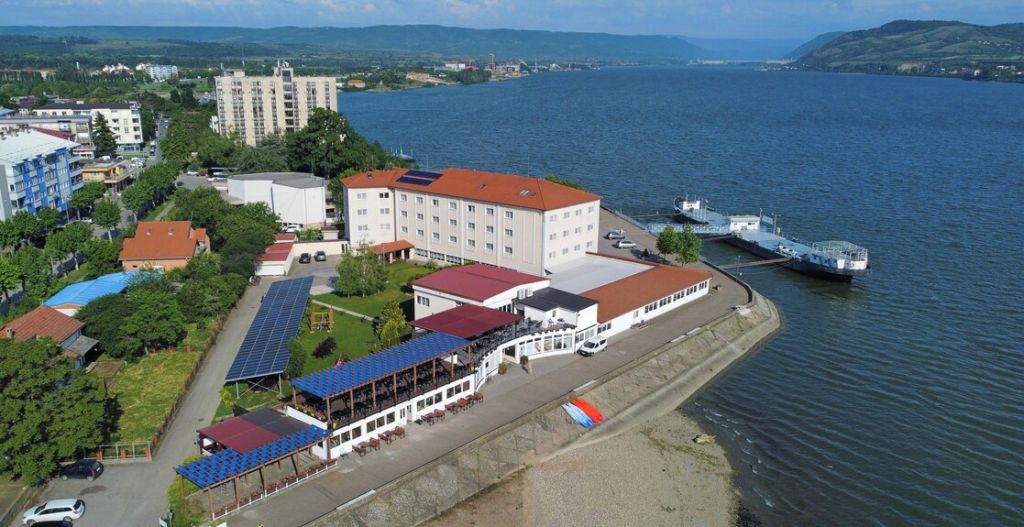
If you are already in central Kladovo, the riverside is reached on foot in a few minutes from the main town streets, while the ferry and quay areas are easiest to confirm locally once you arrive. From the bus station area, expect a short walk to the riverfront rather than a long transfer. Kladovo does not function like a large city with tram or trolley lines; most visitor movement inside town is by foot, taxi, or private car.
For drivers, Kladovo is approached by Danube-side roads in eastern Serbia, and road travel is usually the most flexible option if you are linking multiple Đerdap stops in one trip. Taxi rides within town are short and usually used for luggage or edge-of-town accommodation. Parking is generally easier here than in Belgrade or Novi Sad, but ferry users should leave extra time on days with border traffic. If you are planning longer onward connections, the national Serbia Transit Search: Buses, Trains & Practical Route Planning is the best planning starting point.
Kladovo is most useful when you need stable daylight for moving around the waterfront, checking boat departures, or making a road connection. Late spring to early autumn usually makes the most sense for travelers who want the Danube to be part of the day rather than just the background. Morning is better for dealing with departures and ferry questions; late afternoon is better for an easy riverside walk after arriving. If your plan depends on a specific crossing or excursion, avoid building a tight same-day chain without confirming availability first. Overnighting in Kladovo is the safer option than trying to pass through in a narrow time window.
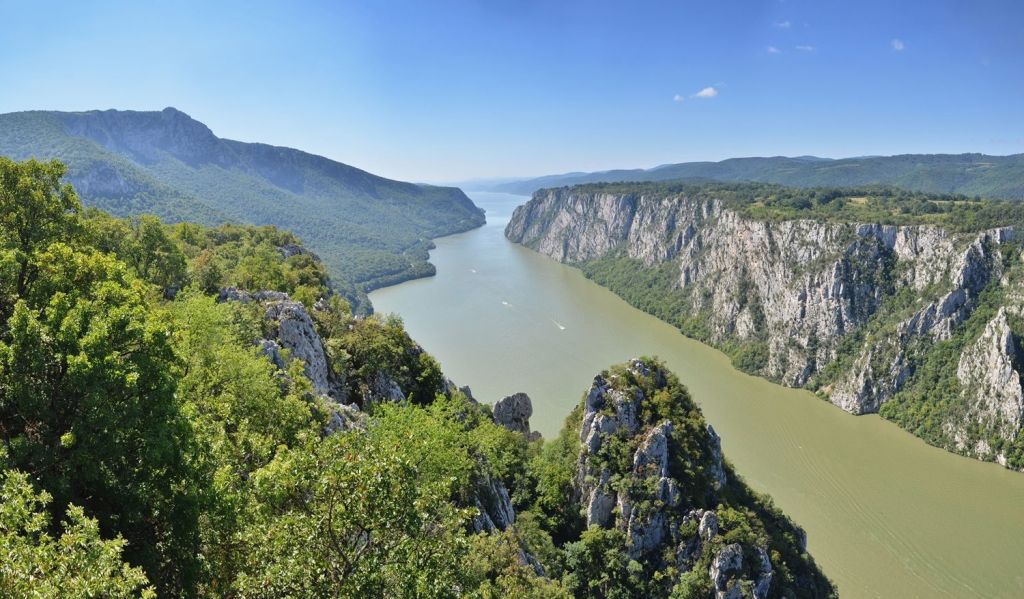
Expect a practical Danube town, not a dense old-town sightseeing zone. The atmosphere is calmer than Serbia's big cities, and most travelers experience Kladovo through the riverfront, accommodation, transport questions, and short local walks. Dress is casual. Families can use Kladovo easily because the town role is straightforward and distances are manageable. Accessibility depends on the exact accommodation and riverfront surfaces, so check ahead if step-free access matters.
Bring cash backup, your passport if you may use the ferry, and extra flexibility in your timing. If you are coming for one named museum-style attraction, Kladovo can feel light. If you are using it as a base for the lower Danube, it makes more sense.
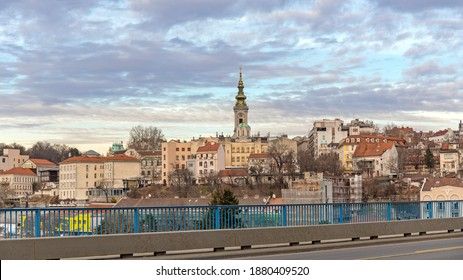
Kladovo works well as an overnight base at the lower end of the park, especially if you want a town with services, a riverfront setting, and onward transport options.
Independent drivers, Danube-focused travelers, and visitors combining Serbia with a Romania crossing usually get more value from Kladovo than travelers looking for one headline monument.
Kladovo sits on the Danube in eastern Serbia near the Romania crossing and the lower part of Đerdap National Park.
These are the places travelers most commonly use when Kladovo is serving as a transport and river base rather than a one-hour stop.
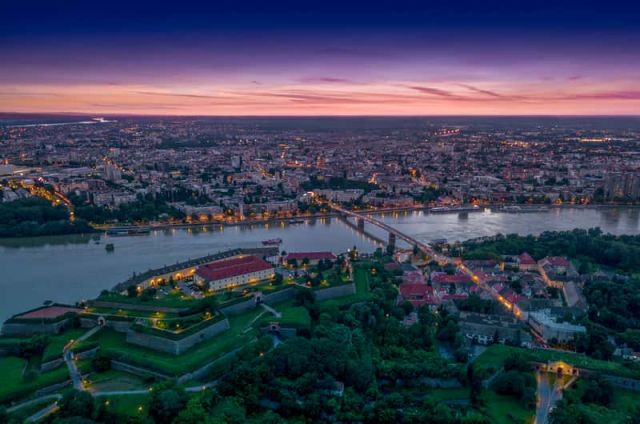
Kladovo riverside quay
The practical waterfront zone for walking, orientation, and checking local boat activity.
Use the quay to understand how the town sits on the Danube, look for excursion information, and gauge river conditions before planning a boat day.
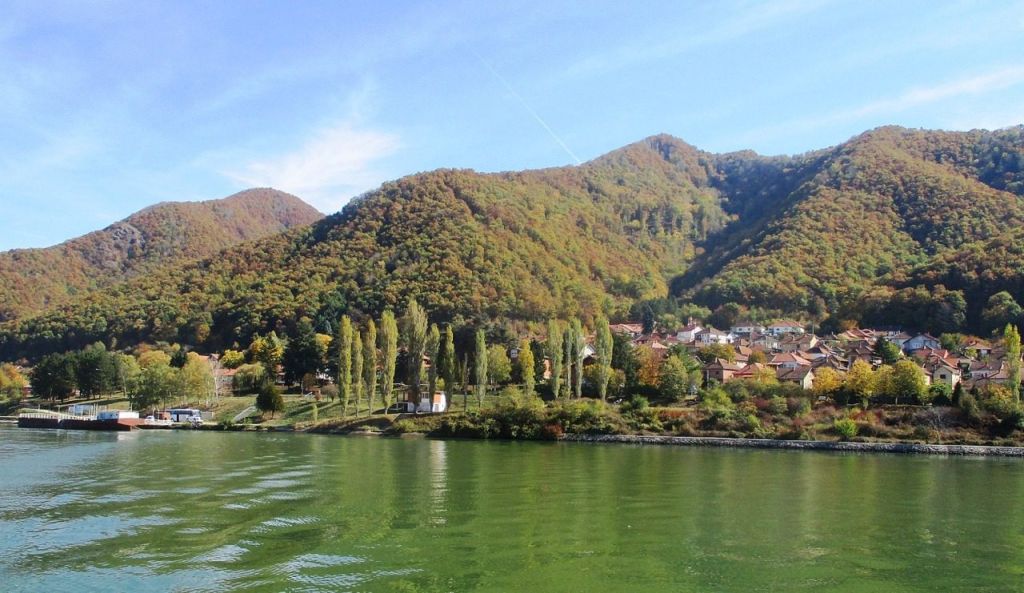
Kladovo ferry point
The transport function that gives Kladovo its cross-border role.
Travelers using Kladovo for a Romania connection should treat the ferry as a schedule-dependent crossing and confirm operations locally before building a same-day route around it.
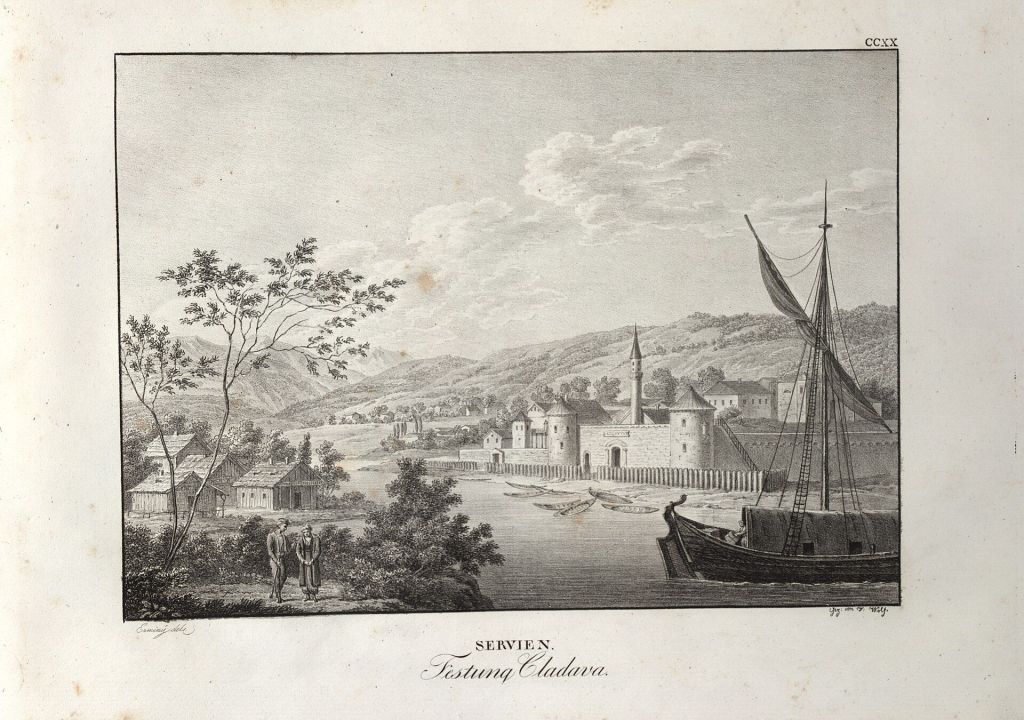
Fetislam Fortress area
Historic riverside fortification zone on the edge of town.
This is the main named heritage area associated with Kladovo and can be combined with a town stay, especially if you want some structure around an otherwise logistics-led stop.
Kladovo as a road base for lower Đerdap
A practical starting point for onward trips deeper into eastern Serbia and along the Danube.
If you are driving, Kladovo helps reduce backtracking for the lower part of the park and for Danube-side routes. It is better understood as a base than as a stand-alone monument destination.
Town center and Danube waterfront, Kladovo, eastern Serbia
Danube riverfront
Boat departures and the Romania ferry
Mostly low-cost town base; ferry and tours vary
Late spring to early autumn; mornings for departures
Recommended only if your trip depends on a specific boat or crossing
Kladovo makes the most sense when you understand the wider geography first. The broader Đerdap National Park guide helps with sequencing viewpoints, archaeology stops, and Danube towns.
Do not build a tight onward itinerary around the ferry without reconfirming the day's operating conditions, border requirements, and last departure timing locally.
If you want one clearly defined cultural stop, pair Kladovo with Lepenski Vir. Kladovo itself is more useful as a base and transport node.
Yes, but mainly as a practical base for the lower Đerdap area. Travelers looking for one major cultural attraction usually combine it with another stop rather than treating Kladovo as a full sightseeing day on its own.
Yes. That is one of its clearest roles, especially if you are driving or want easier access to the lower Danube side of the park.
They serve different purposes. Kladovo is stronger for practical onward movement and the Romania crossing, while <a href="/eastern-serbia/djerdap-national-park/donji-milanovac">Donji Milanovac</a> is often chosen for other Danube-based outings upstream.
If your trip depends on a specific departure, reserving or confirming in advance is sensible. Casual same-day plans are easier in periods with more visitor traffic and longer daylight.
For many travelers, one night is enough if Kladovo is mainly a base. Stay longer only if you want a slower Danube pace or several linked excursions.
Use Kladovo as part of a longer Danube route, a Đerdap National Park circuit, or a cross-border itinerary that needs a practical river town base.
Stay connected in Serbia