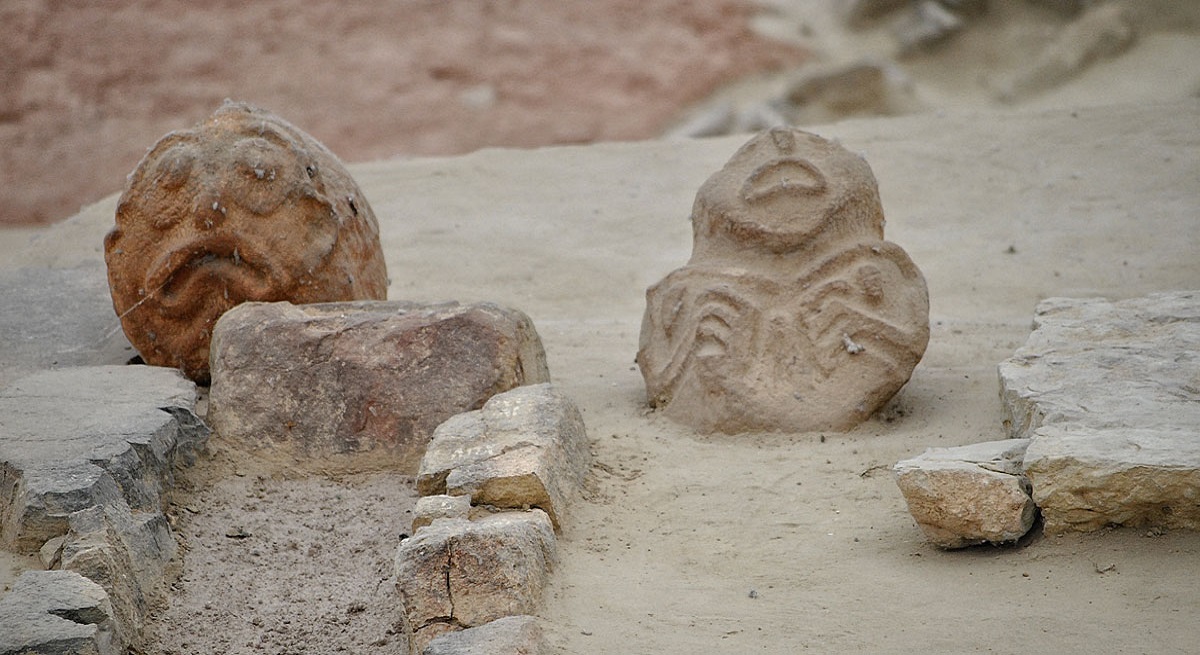
Lepenski Vir archaeological site area, near Donji Milanovac, eastern Serbia

Lepenski Vir is a prehistoric archaeological site on the Danube in the Iron Gates area of eastern Serbia. The settlement is generally dated to around 6000 BC and is known for its distinctive trapezoidal house plans and stone sculptures with human and fish-like features. What gives the place its weight is not only age, but the quality of what was found here: a built settlement, ritual traces, and sculpture in one river-facing location. The atmosphere is quiet and museum-like rather than monumental, and most visitors combine it with the wider Đerdap National Park guide.
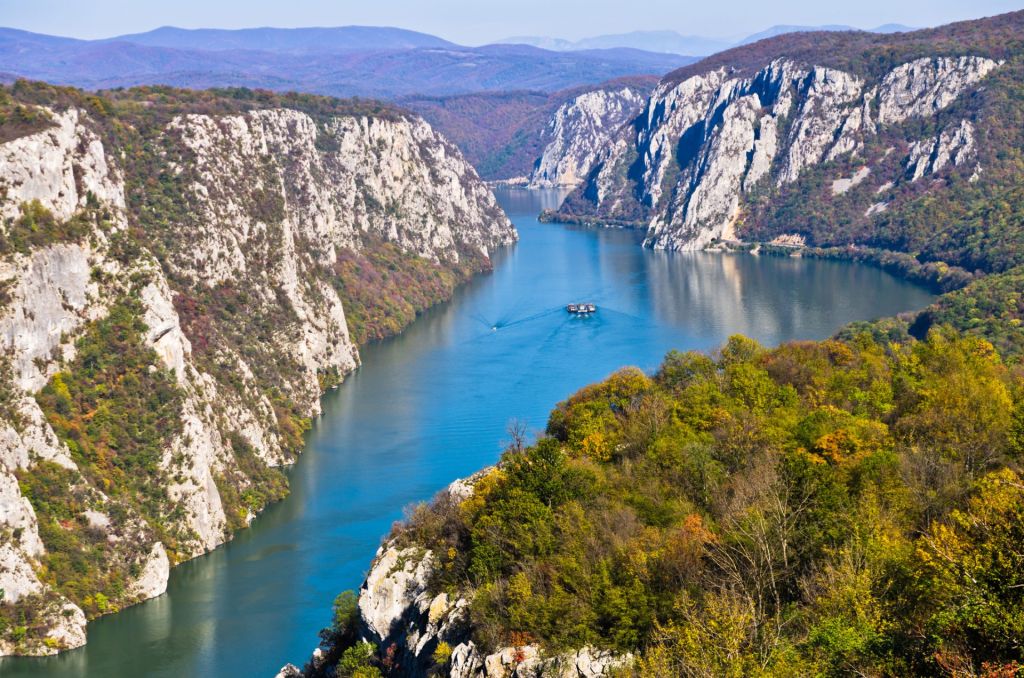
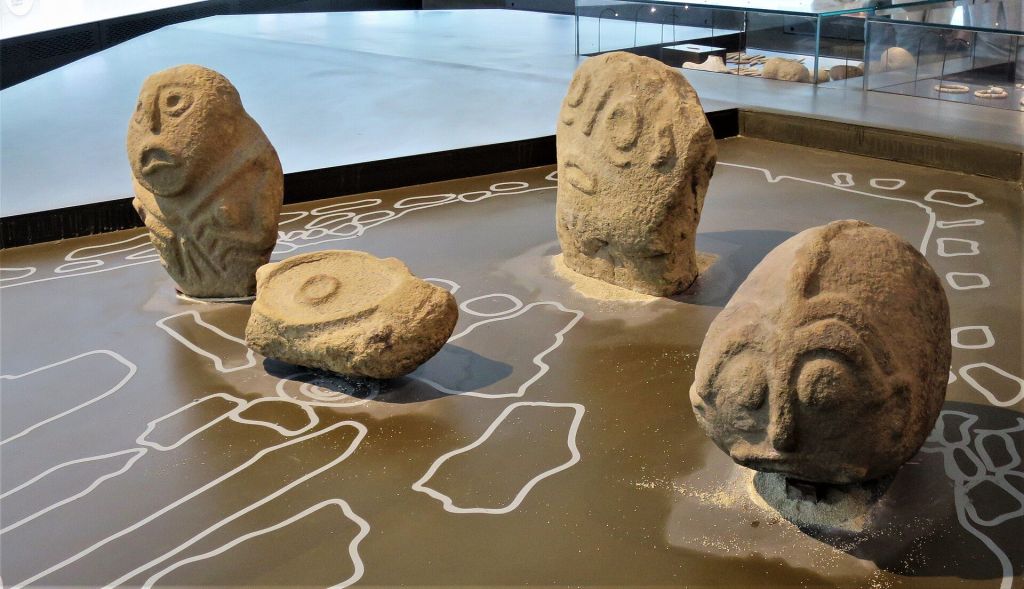
The speciality at Lepenski Vir is Mesolithic archaeology made legible through sculpture and settlement layout. Many prehistoric sites give you fragments in cases; here, the story is stronger because the sculpted boulders, house plans, and Danube setting belong to the same cultural horizon. The famous finds are the stone figures often described as human-fish hybrids, which are tied to the river world in which the community lived. That combination of domestic architecture, ritual suggestion, and river identity is what makes Lepenski Vir distinct. If you are tracing ancient Danube cultures across the region, it also pairs well conceptually with Roman Tabula Traiana, though the periods are far apart.
Lepenski Vir is a road-trip stop on the Danube route through Đerdap rather than an easy urban attraction. Most visitors arrive by car or organized excursion from Donji Milanovac or from elsewhere in eastern Serbia. If you are already in Donji Milanovac, the site is a short drive west along the Danube road. Public transport in this part of the gorge is limited and schedules can change, so check current regional bus options in advance through Serbia Transit Search: buses, trains and practical route planning. Taxi availability depends on your base town and is better arranged ahead of time than relied on spontaneously. Parking is typically the simplest approach for independent travelers.
The easiest visits are in stable daylight conditions, especially from spring to autumn when the Danube route is simplest to combine with other Đerdap stops. Morning or early afternoon works best if you want clear views and enough time for the museum visit without rushing. Avoid arriving very late in the day unless you have already confirmed current hours. Weekdays tend to feel calmer for reading displays carefully. If Lepenski Vir is part of a longer Danube journey, it fits naturally with broader planning from Navigating the Danube in Serbia.
Expect an interpretive archaeological visit rather than ruins spread across a large open landscape. The site is most rewarding for travelers who like history, archaeology, museums, or the deep-time story of the Danube. Dress is casual. Bring water, especially if you are continuing along the gorge by car, and do not assume many nearby services outside your main route. The experience is suitable for families with older children interested in prehistory, though very young children may move through it quickly. Accessibility depends on the current visitor setup, so ask locally if step-free access is important to your plan.
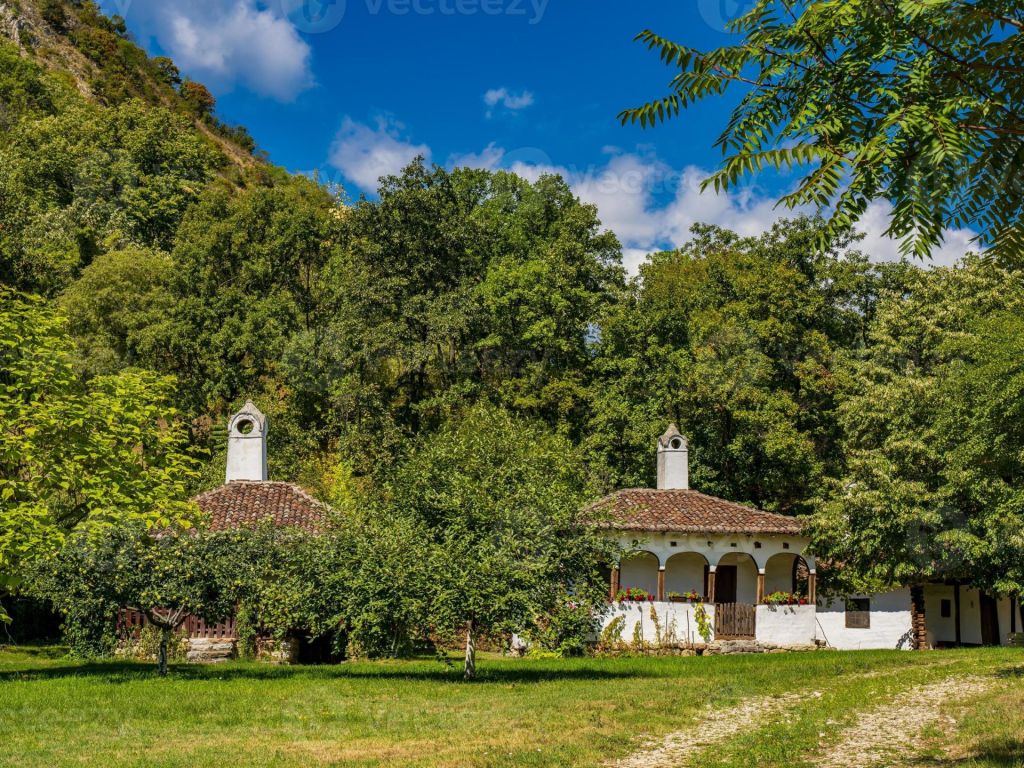
Lepenski Vir lies on the Danube road in the Đerdap area, west of Donji Milanovac.
These are the core parts of a Lepenski Vir visit. Availability, display sequence, and access can change, so confirm current visitor arrangements locally before departure.
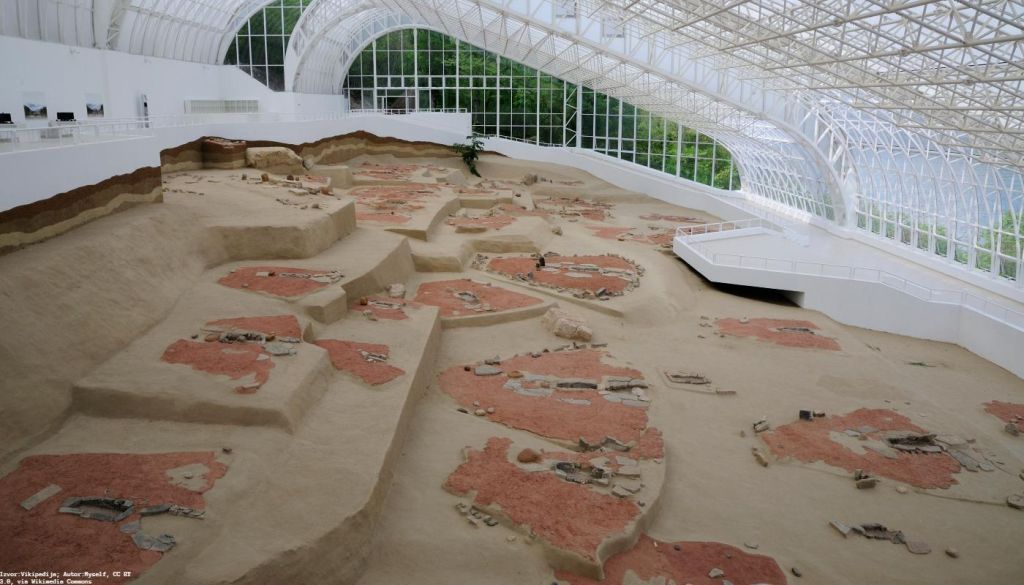
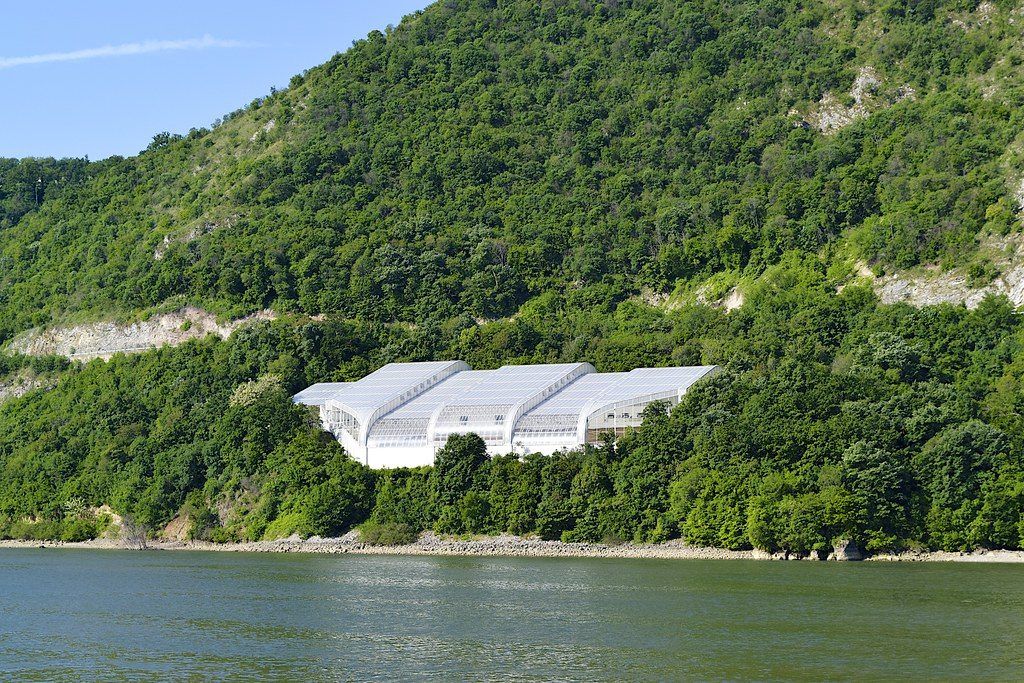
Lepenski Vir Visitor Centre
The modern museum building that frames the site visit and interpretation.
Start here for orientation, site context, and the basic archaeological narrative of the settlement.
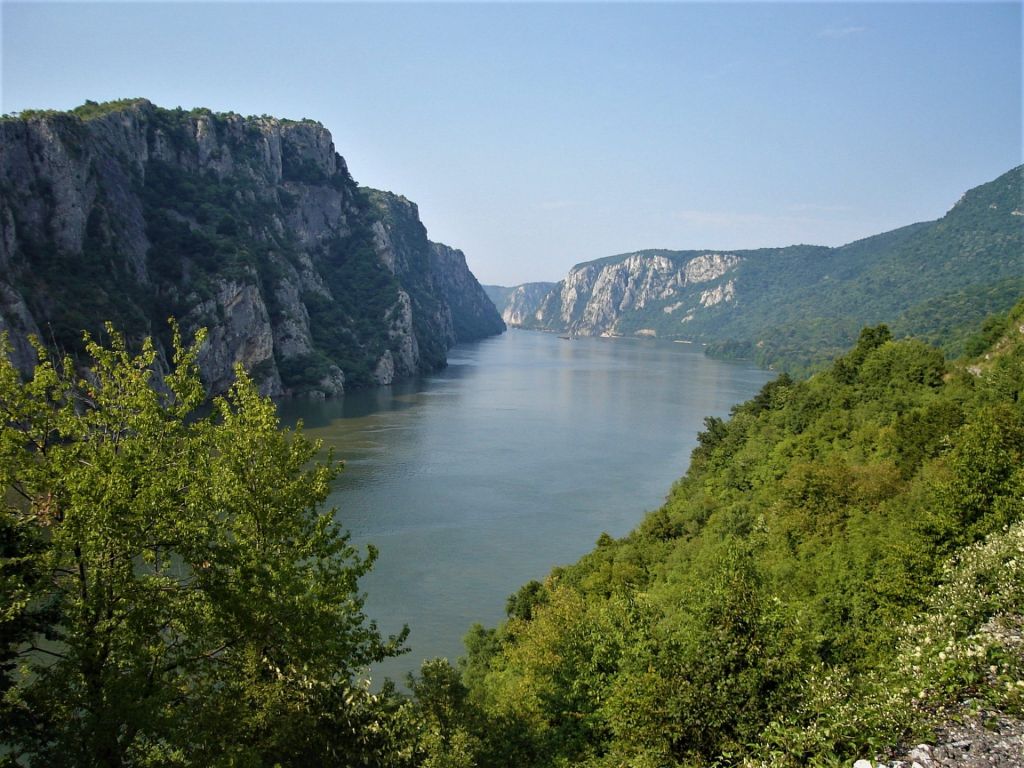
Excavated settlement zone
The preserved area where the settlement layout and house bases are understood.
This is where the trapezoidal plans and overall organization of the site become clear.
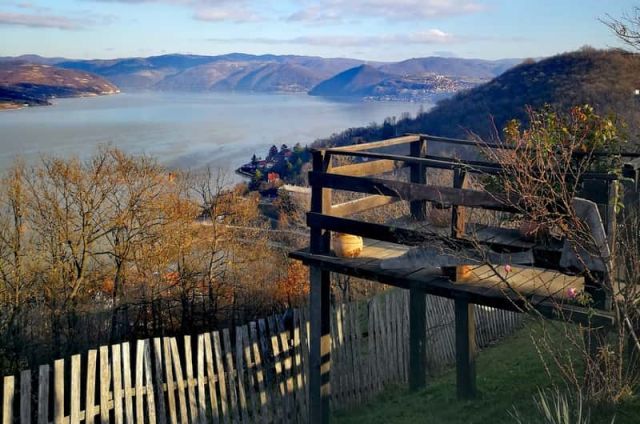
Stone sculpture display
The part of the visit most travelers remember: the carved boulders linked to the settlement.
These sculptures are the defining finds of Lepenski Vir and the main reason the site matters beyond Serbia.
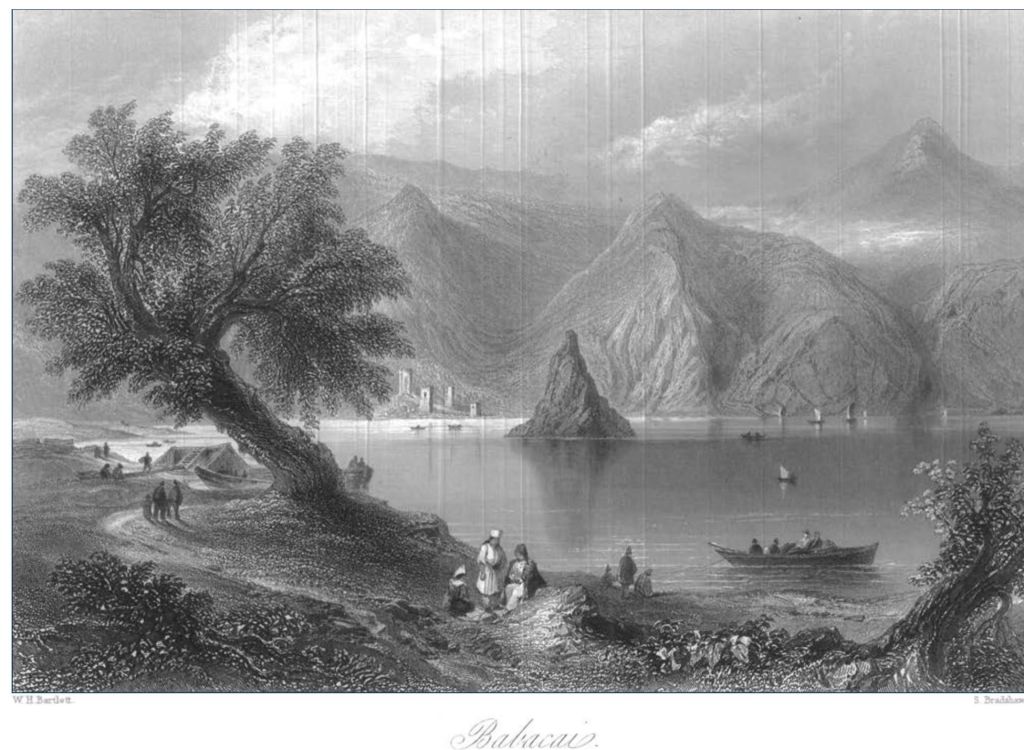
Danube-facing terrace and viewpoint
The landscape element that explains why the settlement belonged here.
Use the river view to connect the archaeology with fishing, movement, and life on the Danube frontier of prehistory.
Lepenski Vir archaeological site area, near Donji Milanovac, eastern Serbia
Danube gorge / Iron Gates section of Đerdap National Park
Mesolithic settlement and monumental stone sculptures
Ticketed archaeological site
Daylight visit from spring to autumn
Usually not for independent visits; check ahead for groups or guided access
Come here for prehistoric archaeology, not for a long outdoor hike. The visit is usually focused, interpretive, and indoors or partly sheltered, which makes it easier to combine with a Danube road trip.
Lepenski Vir makes the most sense when read as part of the Danube gorge landscape, road journey, and archaeology corridor through eastern Serbia.
Do not plan this as a walk-up attraction from a major town. Build it into a Danube driving day and keep extra time for road stops and viewpoints.
Give Lepenski Vir roughly one focused stop rather than a full day. Many travelers pair it with scenic driving, viewpoints, or another cultural stop in the gorge.
It is known for a Mesolithic settlement on the Danube, dated to around 6000 BC, and for the stone sculptures discovered there.
Yes, if you are interested in early human history and want one clear prehistoric stop in eastern Serbia. The visit is easier to follow than many open-air ruins because interpretation is central to the experience.
Most travelers visit it as a focused stop rather than an all-day destination. It works well within a broader Đerdap driving itinerary.
It is possible only with more planning. Regional public transport exists in the wider area, but independent travelers usually find a car or organized tour far easier.
Stay connected in Serbia