Tourist Organization of Negotin, ul. Kraljevića Marka 6, 19300 Negotin, Serbia

Negotin is a practical base in Serbia's northeast for travelers interested in wine landscapes, rural architecture, and the identity of Negotinska Krajina. The main reason to come is not a dense urban checklist but the wider region: Rajac and Rogljevo, local tastings, and slow drives through the countryside. For broader routing across the region, the Eastern Serbia Guide helps place Negotin alongside other Danube and inland stops.
Negotin lies in Serbia's northeast, close to both Romania and Bulgaria, and has long belonged to the wider historical region of Negotinska Krajina. For visitors, it makes more sense as a place of landscape and regional character than as a monument-heavy city stop. The town is closely tied to wine and to the cellar villages outside it, where storage spaces and tasting rooms gather in stone-built clusters. In town, the mood is calm and provincial, with a functional center and a stronger sense of purpose once you begin exploring the countryside around it.
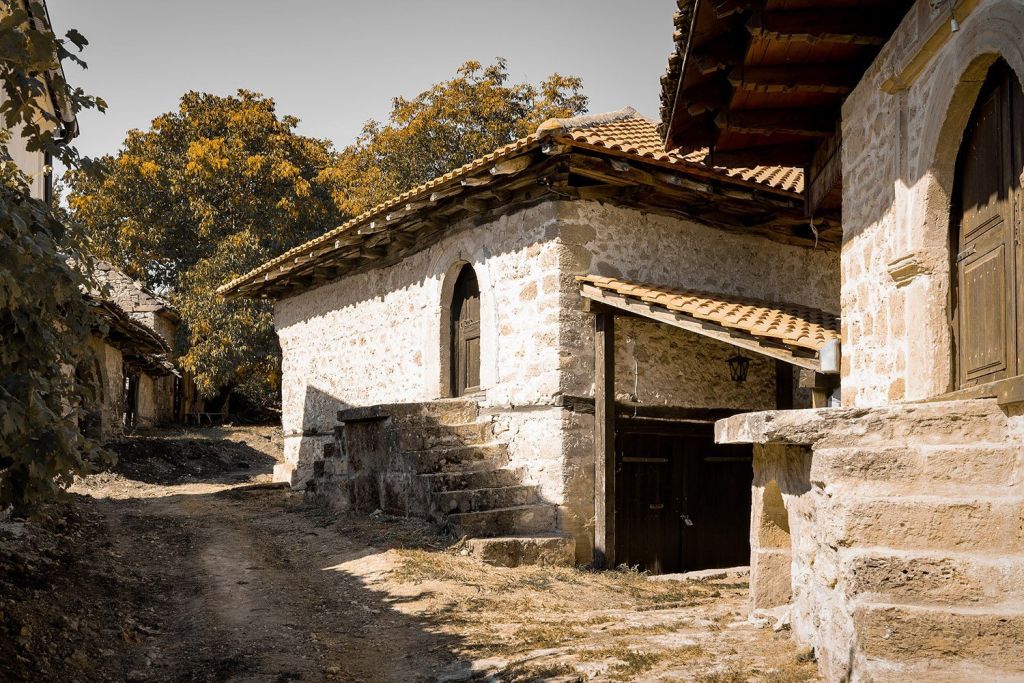
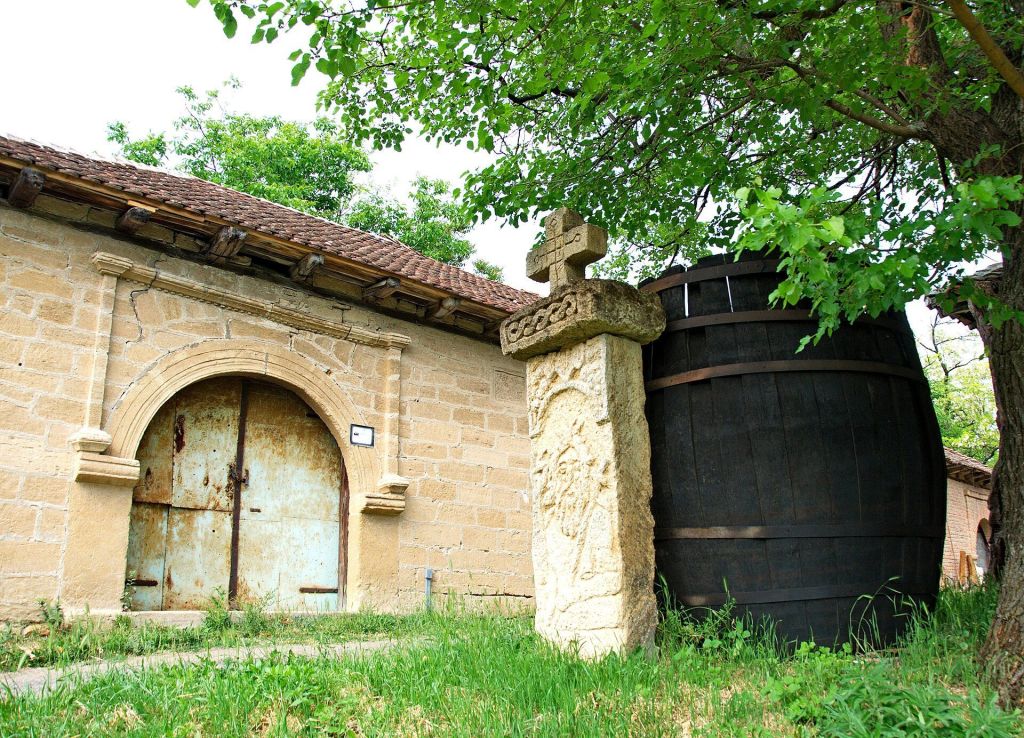
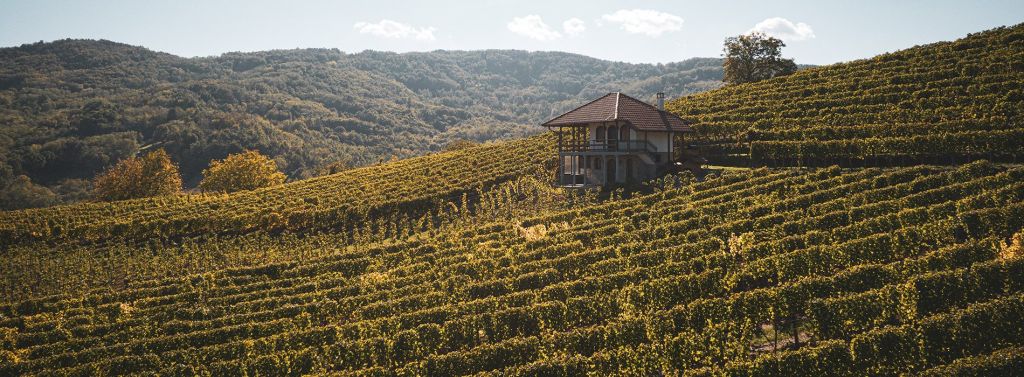
Negotin's defining speciality is not simply wine, but a built wine landscape. In the cellar villages known as pimnice, wine cellars stand in lanes and clusters apart from ordinary village housing, so the experience feels like entering a separate settlement shaped by storage, production, and tasting. Around Negotin, the best-known examples are Rajačke Pimnice and Rogljevačke Pimnice. What matters here is the combination of architecture and agriculture: walking between stone facades, seeing how wine organized daily life, and understanding why the region feels different from Serbian wine areas built around a single tasting room. The most established reference point is Rajac Wine Cellar Villages, but the wider Krajina landscape is part of the same story.
The region is easier to understand visually than through a checklist. These are the scenes that shape a first visit.
Rajačke Pimnice stone lanes
Stone-fronted cellar rows and narrow walking lanes show how wine storage became an entire built settlement.
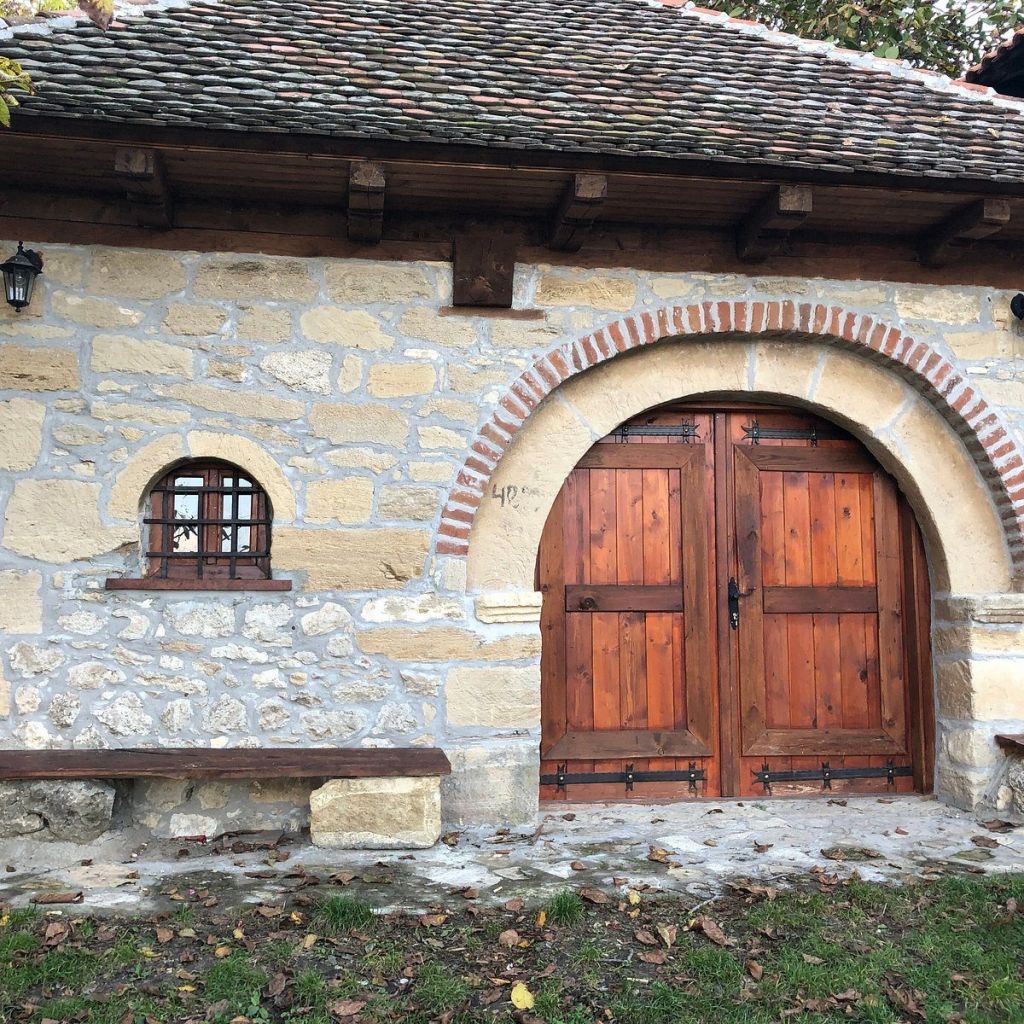
Rogljevačke Pimnice cellar cluster
A second village pattern near Negotin, where cellar buildings feel separate from ordinary daily housing.
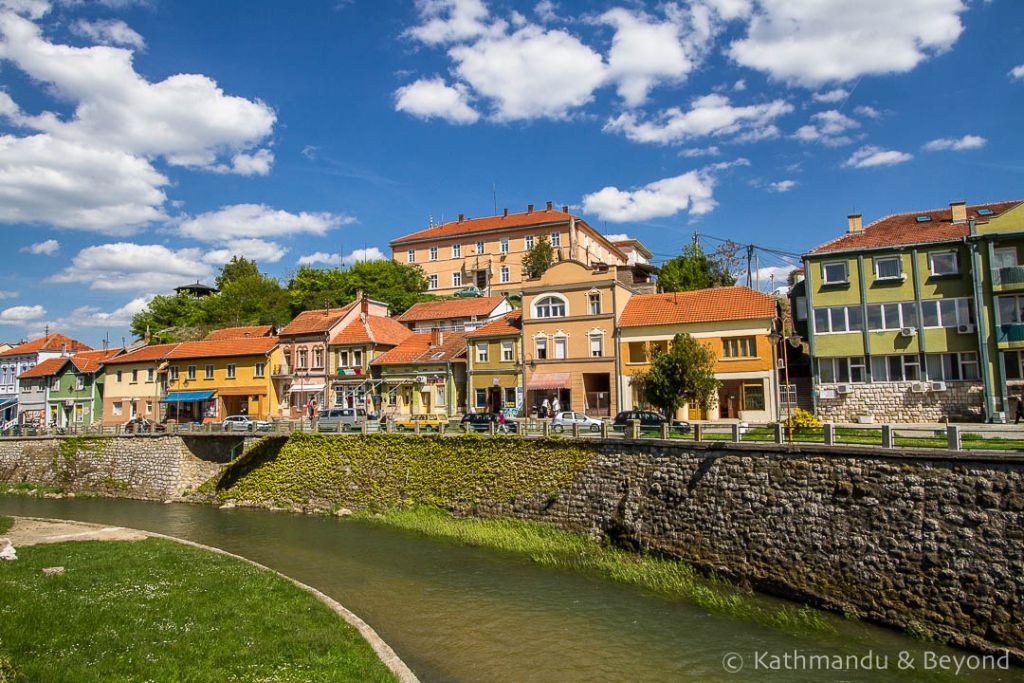
Negotin town center streets
A practical small-town center that works as a base before the day opens out into the countryside.
Most international visitors reach Negotin overland from other towns in eastern Serbia rather than directly. For current coach times, use Serbia Transit Search. If you arrive at the bus station, the central streets are usually about 10 to 15 minutes away on foot, depending on your accommodation. In practice, a car is the simplest choice if you want to combine Negotin with Rajac, Rogljevo, the Danube side of the region, or longer drives toward Kladovo and Đerdap. Around town, taxis are usually more useful than waiting for a structured city transport network. Local visitor-friendly bus line numbers are not clearly published in the source material, so the bus station is the main practical reference stop. Parking is generally easier than in larger Serbian cities, but once you reach the cellar villages, leave the car and continue slowly on foot.
Negotin makes the most sense in warmer months and in stable weather, because much of the appeal lies in rural driving and walking through cellar settlements. Daytime visits work better than late arrivals: the shape of the lanes, the stone facades, and the surrounding landscape are part of the experience. If you want a quiet, observational visit, give yourself more time on weekdays. If you hope to combine architecture, wine tasting, and a meal, plan further ahead for weekends. Cold or wet weather does not make the region impossible, but it shifts the day toward logistics and away from spending time outdoors.
Expect a practical small-town base rather than a polished city-break format. The mood is local, quiet, and somewhat spread out, and much of the real travel value comes from the region around the town rather than from concentrated central sights. Casual clothes are fine. If you are heading into the cellar villages, wear shoes that can handle uneven ground and bring water in warm weather. Families can visit, but the place tends to suit travelers interested in wine culture, regional heritage, and rural landscapes more than those looking for compact entertainment. Accessibility can be limited in older cellar areas because of steps, surface conditions, and the age of the buildings. English may not be widely available in every local interaction, so advance arrangements are useful.
The main published visitor contact is the Tourist Organization of Negotin, ul. Kraljevića Marka 6, 19300 Negotin, Serbia. The office phone is 019 547 555, the email is toonegotin@gmail.com, and the official website is toon.org.rs/en. Opening hours for the tourist organization were not found in the supplied source material.
If you want added historical context in town, Krajina Museum sites are open every day, usually from 08:00 to 15:00. In excursion seasons, defined in the supplied source as April to June and September to October, the published schedule is 08:00 to 18:00, Saturdays 10:00 to 16:00, and Sundays 10:00 to 14:00.
Tell us where you want to go and how you travel. We reply within two working days with a tailored plan.
Operational details were taken only from published local tourism, museum, and winery sources supplied for this page.
Rajac and Rogljevo are best approached as walking destinations rather than quick photo stops. Their value is architectural and cultural as much as gastronomic: stone lanes, cellar clusters set apart from everyday housing, and a rare chance to see how wine shaped the physical layout of a settlement. Go in daylight, allow time to move slowly, and wear shoes that can handle uneven ground.
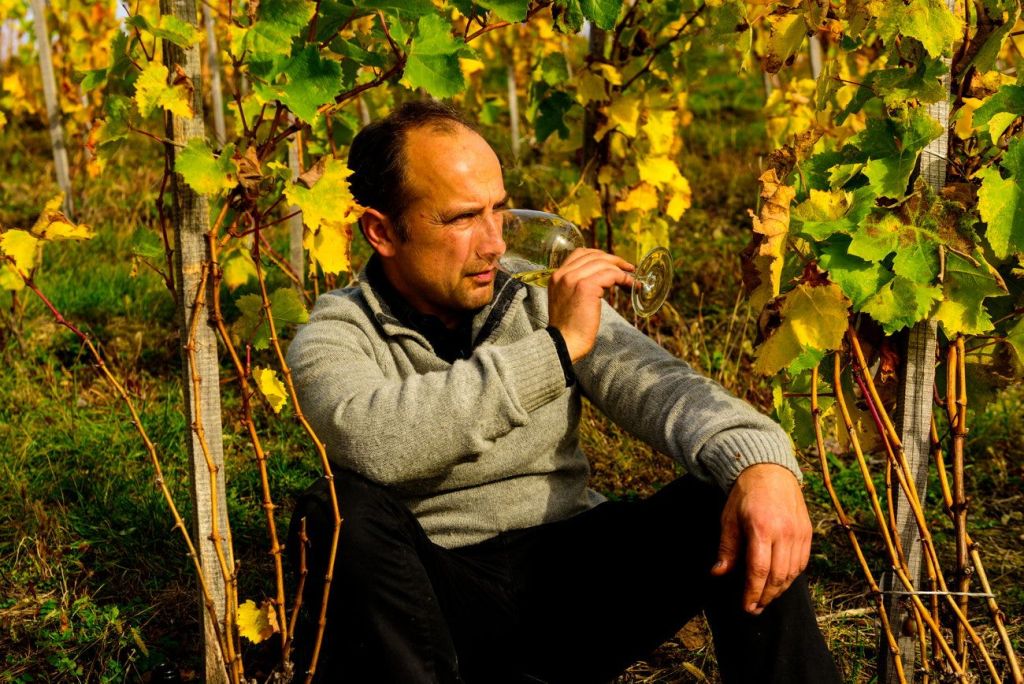
Vinarija Raj, in Rajac, publishes the clearest visitor information in the area. A visit includes a warm welcome, a tour of the production facility and barrel room, and a guided tasting with stories about the wines. Published options are 3 wines for 600 RSD per person or 5 wines for 1000 RSD per person. Lunch menus paired with 3 wines are 2500 RSD, 2800 RSD, or 3800 RSD per person depending on the menu. Reservations are requested via the winery form, by phone at +381 (0)63-720-5748 or +381 (0)69-110-9895, or by email at office@vinarija-raj.com or beka@vinarija-raj.com. For lunch visits, confirmation and payment are required at least 2 days before arrival. Opening hours are not published, so contact the winery to confirm timing.
Guided routes, walking tours, and experiences that help you make the most of a visit to Negotin.
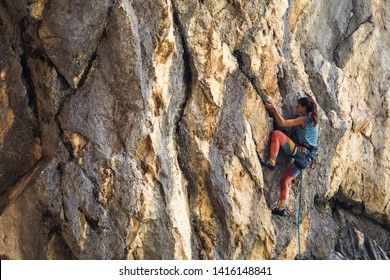
Mokranjske stene
Mokranjske stene in Negotin.
Plan your visit to Mokranjske stene — what to see, how to get there, and what to combine it with.
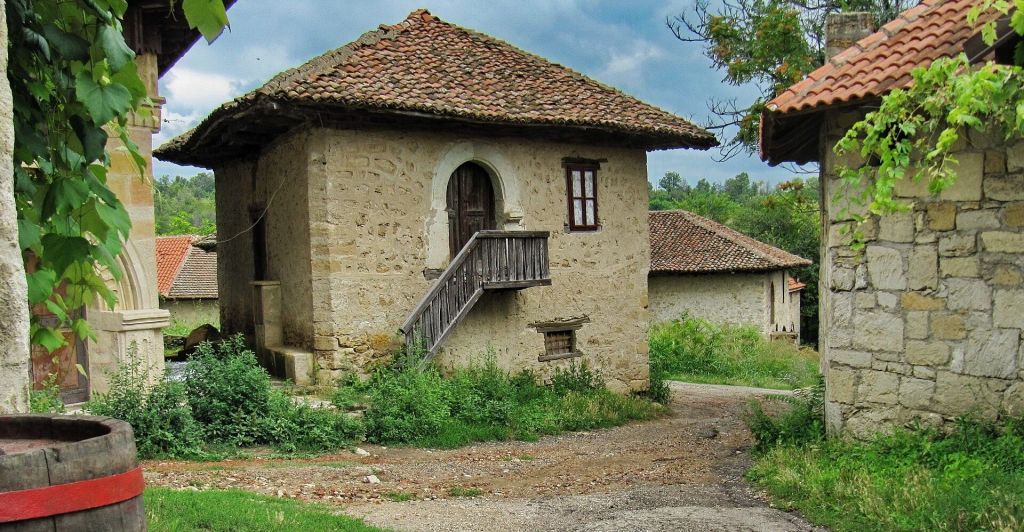
Rajac Wine Cellar Villages
Rajac Wine Cellar Villages in Negotin.
Come to Rajac for the cellar streets themselves: stone-built wine buildings grouped into a separate hamlet, not for a polished museum-style visit. The experience is about walking the lanes, underst...
Museum of the Krajina Region
Museum of the Krajina Region in Negotin.
Address: Vere Radosavljević 1, 19300 Negotin, Serbia.Hours: Monday-Friday 08:00-15:00; Saturday 09:00-17:00; Sunday and public holidays 09:00-14:00.Tickets: 300 RSD for one museum object; 600 RSD ...
Negotin is in Serbia's northeast, near the Romanian and Bulgarian borders. Use the town as the base, then drive out to Rajac and Rogljevo for the cellar villages.
These are the most useful named stops for understanding what makes Negotin distinct: cellar settlements, a winery with published visitor details, and museum context in town.
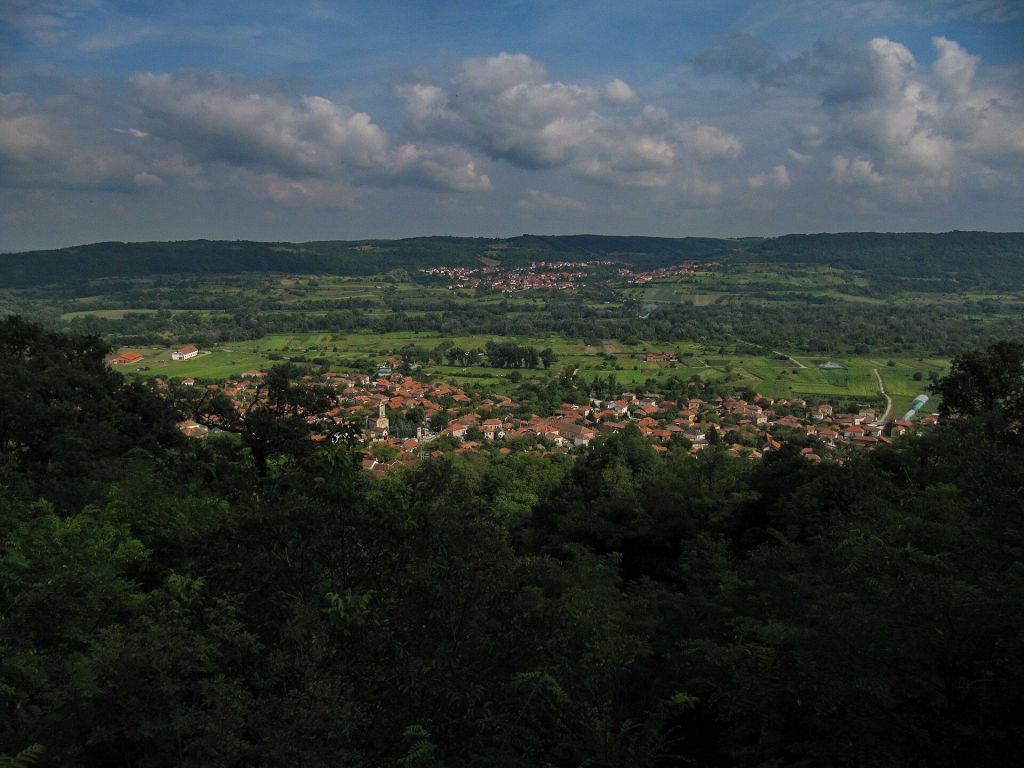
Rajačke Pimnice
Stone cellar lanes in Rajac that show Negotinska Krajina as a built wine landscape.
Sub-location: Rajac, near Negotin. Best for walking among separate cellar clusters and understanding why the wine experience here is architectural as well as gastronomic.
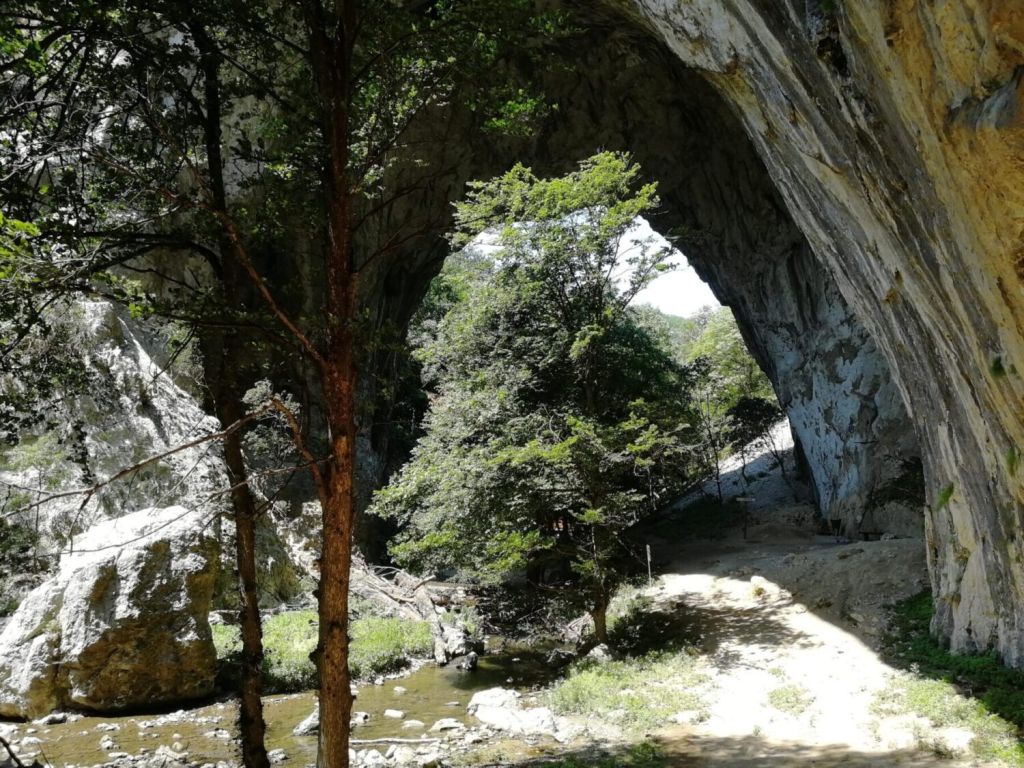
Rogljevačke Pimnice
A second cellar-village cluster near Negotin, useful for seeing the same regional pattern in another village setting.
Sub-location: Rogljevo, near Negotin. The cellars gather apart from ordinary housing, creating another clear example of the area's separate wine-settlement structure.
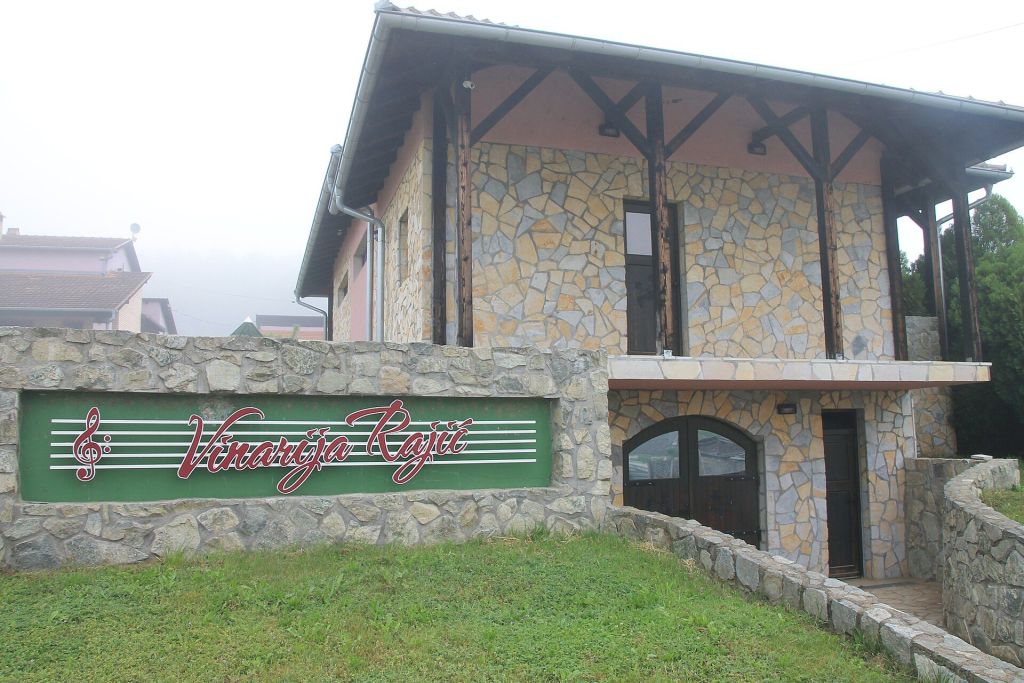
Vinarija Raj
Published winery visits in Rajac with tasting options, lunch pairings, and direct booking contacts.
Address: Rajac, Negotin bb, 19314, Serbia. Visit includes a warm welcome, tour of the production facility and barrel room, and a guided tasting with stories about the wines.
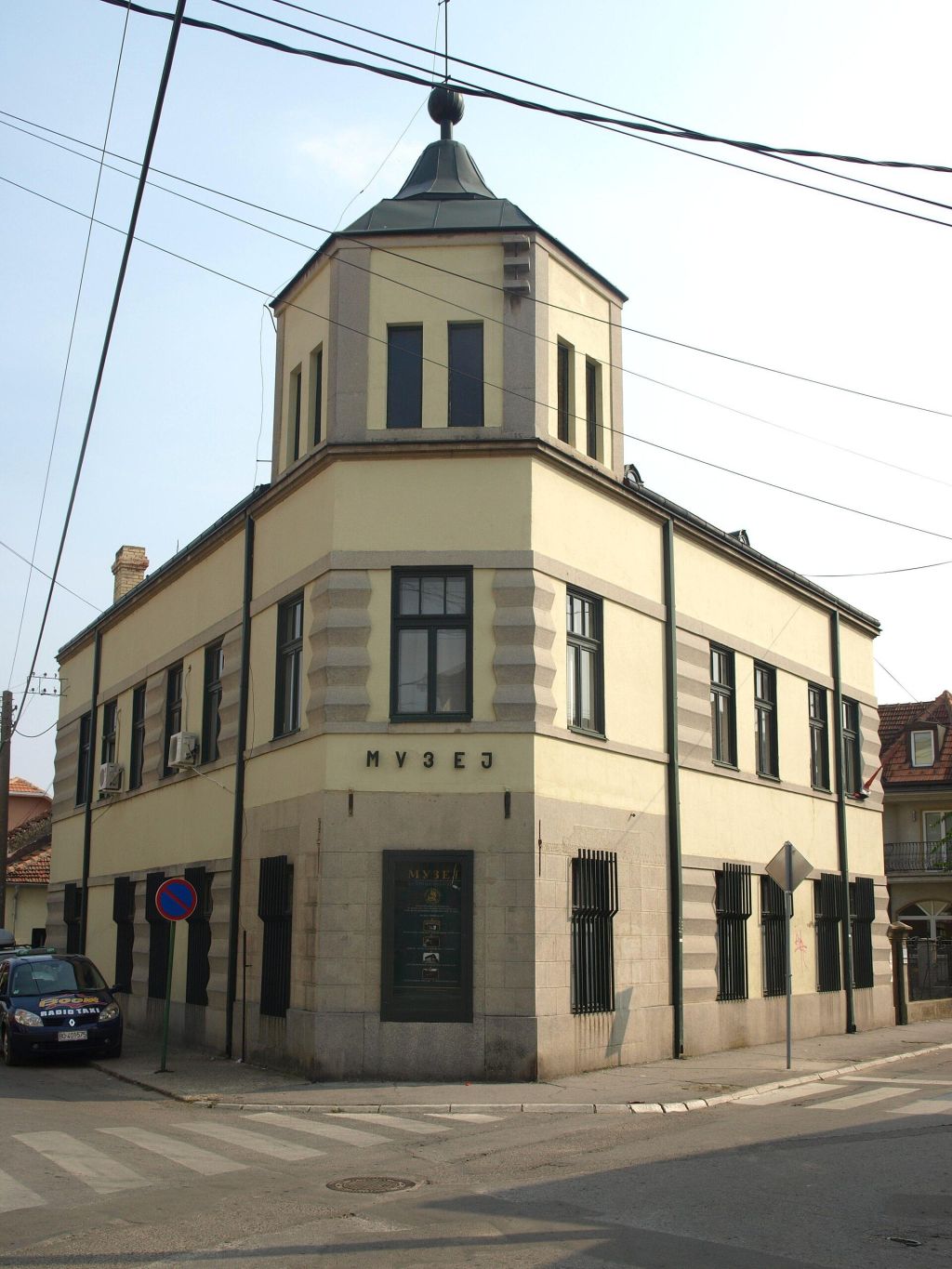
Krajina Museum sites in Negotin
Museum context for the region if you want history alongside wine landscapes.
Sub-location: museum sites in Negotin. Useful for adding local historical context before or after a drive into the cellar villages.
Tourist Organization of Negotin, ul. Kraljevića Marka 6, 19300 Negotin, Serbia
Negotin bus station; central streets are usually 10-15 minutes on foot
Wine cellar villages, stone-built pimnice, and Krajina regional identity
Vinarija Raj tastings 600-1000 RSD; lunch pairings 2500-3800 RSD; many other cellar prices not published
Warm, stable-weather daytime visits; weekdays for quieter walks
For Vinarija Raj lunch visits, yes: confirm and pay at least 2 days before arrival; other cellar visits vary
019 547 555 | toonegotin@gmail.com | https://www.toon.org.rs/en/
Vinarija Raj: https://www.vinarija-raj.com/poseta-vinariji | office@vinarija-raj.com
Usually daily 08:00-15:00; Apr-Jun and Sep-Oct 08:00-18:00, Sat 10:00-16:00, Sun 10:00-14:00
Tourist Organization of Negotin
ul. Kraljevića Marka 6, 19300 Negotin
Phone: 019 547 555
Email: toonegotin@gmail.com
Website: https://www.toon.org.rs/en/
Opening hours for the tourist office were not found in the supplied sources.
Visit includes a warm welcome, production facility and barrel room tour, and guided tasting with stories about the wines.
Published prices: 3 wines 600 RSD, 5 wines 1000 RSD, lunch + 3 wines 2500 RSD, main course + dessert + 3 wines 2800 RSD, starter + main course + dessert + 3 wines 3800 RSD.
Book via https://www.vinarija-raj.com/poseta-vinariji, +381 (0)63-720-5748, +381 (0)69-110-9895, office@vinarija-raj.com, or beka@vinarija-raj.com. Opening hours are not published; contact the winery to confirm.
Krajina Museum sites are open every day, usually 08:00-15:00.
In excursion seasons, defined in the source as April-June and September-October, published hours are 08:00-18:00, Saturday 10:00-16:00, and Sunday 10:00-14:00.
Ticket prices were not published in the supplied source material.
Yes, if your interest is regional character rather than a dense urban sightseeing list. Negotin works best as a base for wine culture, rural landscapes, and the cellar villages around town.
A car is the simplest option if you want to combine Negotin with Rajac, Rogljevo, the Danube side of the region, or longer drives toward Kladovo and Đerdap. In town, taxis are usually more useful than waiting for a structured local transport network.
Yes, that is practical if you move by car and keep the focus on slow walking once you arrive. Daylight and stable weather matter because the layout, facades, and wider landscape are part of the experience.
For Vinarija Raj, yes if you want a structured tasting or lunch. The winery requests booking via form, phone, or email, and lunch visits require confirmation and payment at least 2 days before arrival.
Families can visit, but the appeal is stronger for travelers interested in wine culture and regional heritage. Accessibility can be limited in older cellar areas because of uneven surfaces, steps, and the age of the built environment.
We can help you connect Negotin with cellar villages, Danube routes, archaeology, and practical overnight stops.
Stay connected in Serbia