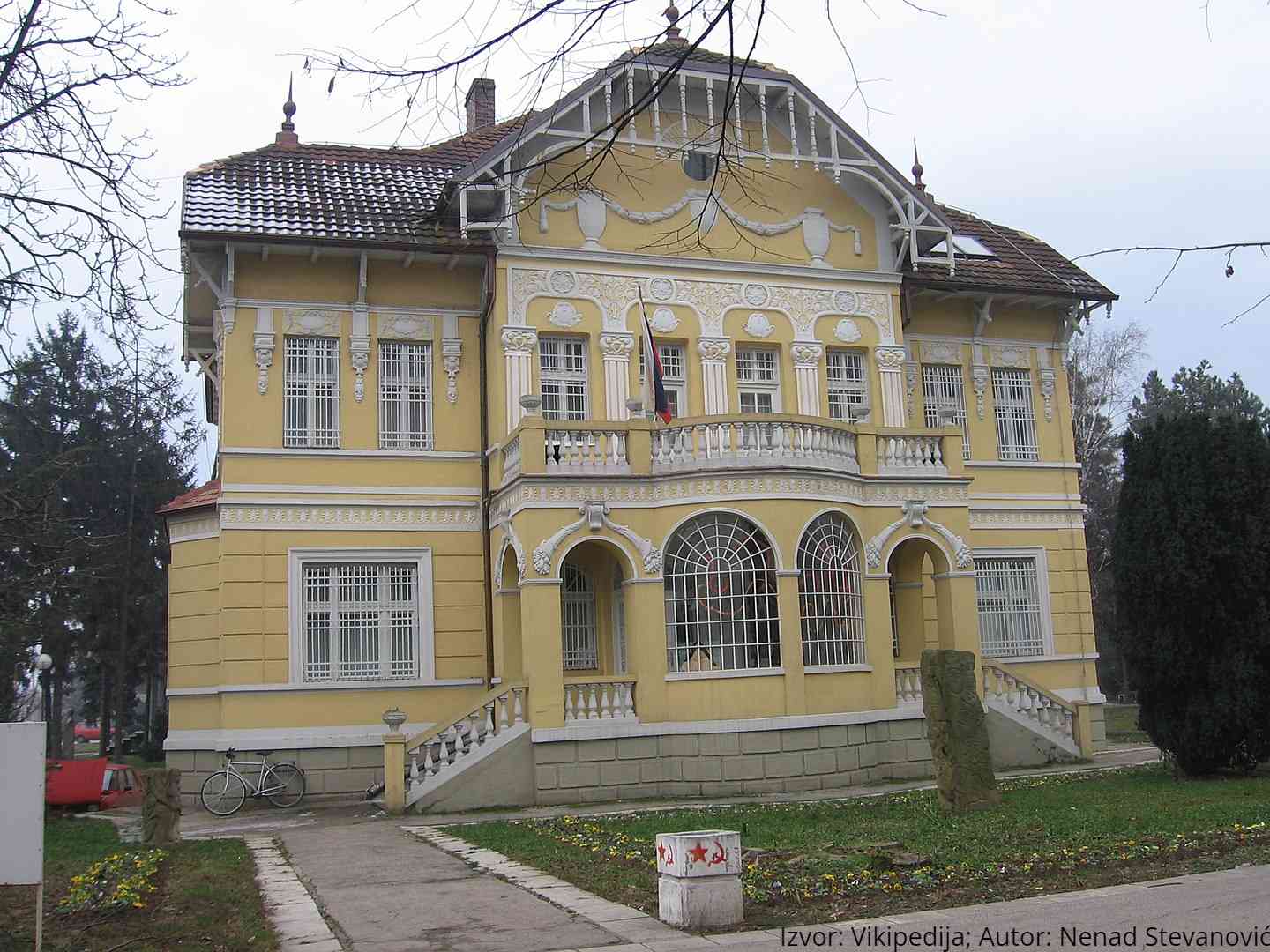
Boška Đuričića 10, 35000 Jagodina, Serbia

The Jagodina gallery is intended for a concentrated art visit rather than a survey of local history. Its displays draw from an institutional collection of paintings, sculptures, drawings and etchings associated with several forms of non-academic art. The institution also operates a separate venue in Belgrade, so exhibitions advertised for one location should not be assumed to be present at the other. Individual reservation rules are not published; groups of more than ten are asked to make contact in advance.
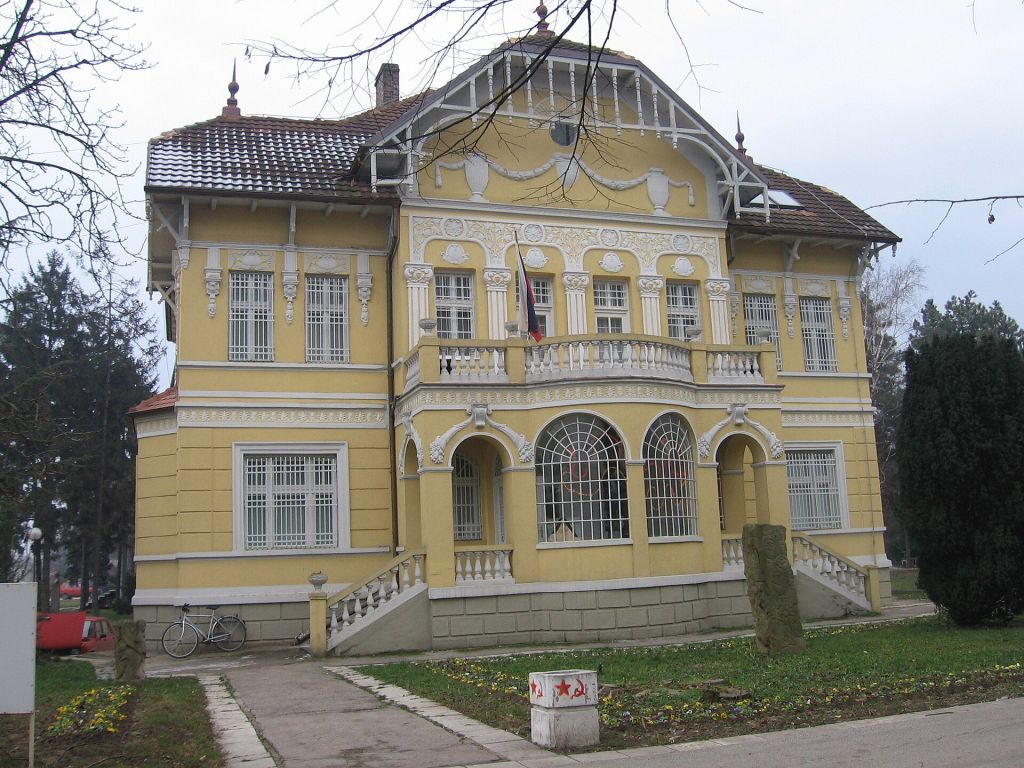
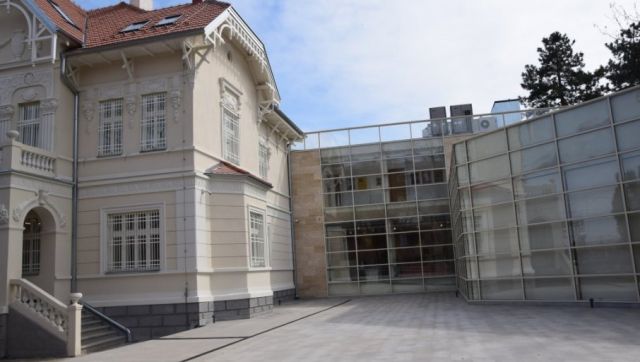
At Boška Đuričića 10, the Jagodina gallery occupies about 580 square metres of exhibition space. Visitors encounter works in several media, including painting, sculpture, drawing and etching, but the rooms should not be read as a promise that every institutional holding is on view. The Serbian name is Muzej naivne i marginalne umetnosti, also written as Музеј наивне и маргиналне уметности.
The venue belongs within the broader story of galleries and art spaces across Serbia, yet its remit is unusually specific. The atmosphere is that of a collection-led gallery: close attention to individual visual languages matters more than moving quickly through a checklist.
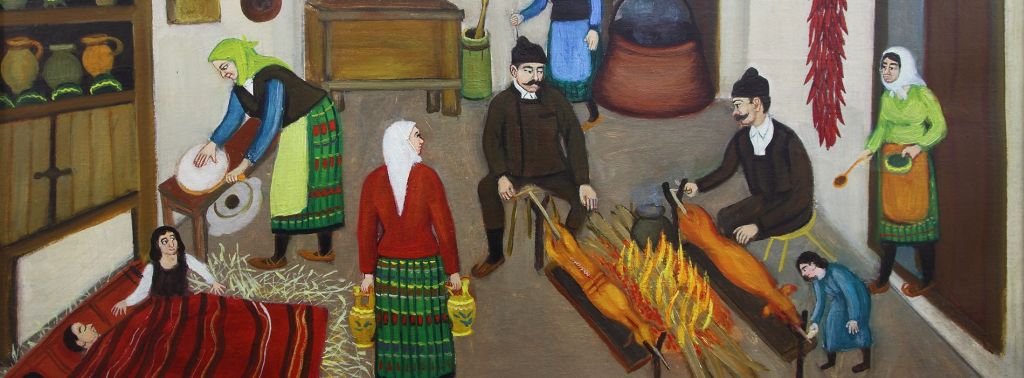
The museum’s speciality becomes clearer when the labels are treated as related terms rather than synonyms. Naive art often refers to recognizable figurative traditions made outside conventional academic training, while marginal art can encompass more individual practices that sit beyond established artistic institutions. Art Brut and outsider art introduce further histories and critical frameworks. A self-taught artist may intersect with one of these categories without fitting all of them.
That distinction changes the way the gallery is read. Technique should not be judged only against academic realism, and apparent simplicity is not evidence of an uncomplicated idea. Repeated motifs, compressed perspective, private symbolism, dense surfaces and unusual scale can reveal how an artist constructed a personal system. Jagodina’s value lies in presenting these practices as art requiring interpretation, not merely as regional folklore or anonymous craft.
The institution traces its beginnings to 1960. Its history is significant not because one label has remained unchanged, but because the vocabulary around art outside academic and institutional channels has continued to develop. The collecting mission now addresses naive and marginal art alongside related ideas such as self-taught, Art Brut and outsider practice.
This evolving terminology asks the visitor to notice both continuity and tension. Some works emerge from recognizable community traditions; others are intensely individual and resist regional classification. Museum labels may therefore describe artistic background, critical category, medium and period without collapsing them into a single school.
The holdings are described as more than 3,000 works by roughly 350–400 artists. Those figures concern the collection as a whole, not the number of works visible during one Jagodina visit. The practical consequence is simple: read the gallery as a selection shaped by curatorial decisions, while leaving room for future rotations and temporary projects.
Begin with the visual evidence before deciding which category seems to fit. A work may use frontal figures, flattened depth or intense patterning, yet those devices alone do not establish that its maker belongs to a naive tradition. Look next for the artist’s stated background, the date, the material and the language used by the curator.
Self-taught describes an educational relationship rather than a unified appearance. Marginal art can indicate a position outside dominant institutions, but it should not be treated as a judgement about artistic quality or personal biography. Outsider art and Art Brut also carry specific critical histories that vary across countries and curatorial traditions.
This slower method prevents a common misunderstanding: grouping every non-academic work under one comfortable label. It also makes unfamiliar pieces easier to approach. Notice how space is organized, whether motifs repeat, how figures relate to architecture or landscape, and whether the material appears carefully controlled or deliberately resistant. These observations remain useful even when a short wall label cannot resolve every question.
A permanent display is best understood as a durable framework, not a frozen inventory. Works can rotate for conservation, research, loans or curatorial revision. The absence of an online room-by-room list means travellers should avoid building a visit around one assumed painting unless the museum has confirmed that it is currently exhibited.
Temporary displays require an additional check. The institution works across Jagodina and Belgrade, and a title on a shared programme may belong to only one venue. Check the location line and final date together. An old exhibition notice can remain accessible after the show has closed, so a visible announcement is not enough by itself to establish current availability.
Inside the gallery, use the sequence of rooms to identify curatorial relationships. A change in medium, period or artistic background may mark a deliberate transition. When captions are concise, the most productive approach is to examine several works before returning to the introductory text; the visual comparison often clarifies why pieces have been placed together.
Independent visitors can use the published schedule and buy the relevant admission category at the gallery, but a formal rule stating that reservations are unnecessary has not been published. There is also no verified online ticket checkout. If the trip depends on a curator, a workshop or a particular exhibition, contact the Jagodina team and wait for confirmation before treating the arrangement as fixed.
Groups of more than ten are specifically asked to make contact beforehand. This advance message is a request to coordinate, not an automatic reservation. State the proposed date and arrival time, group size, age range, preferred language and whether curator guidance is required. The museum lists both Serbian- and English-language group prices, but it does not publish daily guide availability, group capacity, tour duration or a standard number of works covered.
Exceptional-hours group visits may be possible by prior arrangement. They should be regarded as confirmed only after a direct response from the institution.
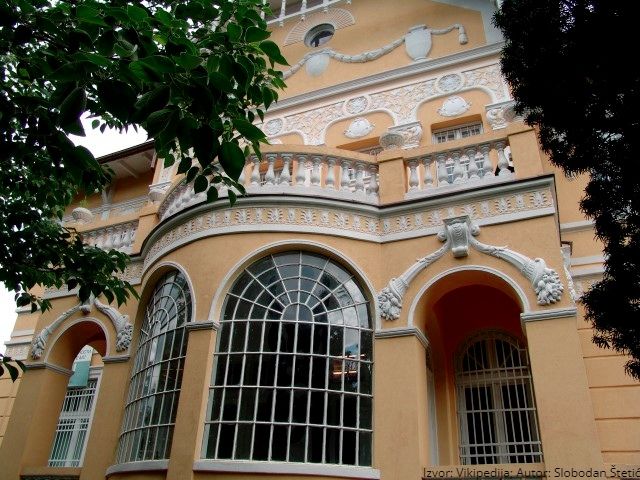
The gallery address is Boška Đuričića 10 in central Jagodina. From the central square, allow roughly ten minutes on foot and use the map pin for the final turn; the museum does not publish its own step-by-step walking route. Jagodina railway station is on Serbia’s Belgrade–Niš rail corridor, infrastructure line 102. From the station, a local taxi is the simpler choice when carrying luggage, although a verified fare to the museum is not published.
Drivers reach Jagodina from the A1/E75 corridor and should navigate to the full street address rather than relying only on the museum name. The museum does not publish a dedicated parking facility, parking price or accessible-bay information. A verified municipal bus line number serving the entrance is also not published, and Jagodina has no tram or trolley network. Travellers who need door-to-door access should confirm the current taxi arrangement locally.
Expect a conventional indoor gallery visit centered on close viewing. No dress code is published, and ordinary city clothing is appropriate. The museum does not state a typical visit duration, but the focused subject and 580-square-metre exhibition area make it sensible to leave enough time to read labels and revisit works rather than treating the gallery as a brief photo stop.
Photography rules, cloakroom arrangements, seating and bag restrictions are not published. Ask staff before photographing works, particularly in temporary exhibitions where loan conditions can differ. Noise conditions depend on the presence of school or guided groups; no separate quiet-hour schedule is listed.
A family ticket and creative-workshop category are available, but recommended ages, pushchair conditions and child-focused materials are not described. Step-free access, entrance thresholds, lift provision, accessible toilets and induction-loop availability are also not published. Visitors with specific mobility, sensory or communication needs should obtain a direct answer before setting out.
Several useful details remain unpublished: last admission, holiday opening, card-payment acceptance, photography rules, complete physical-access information and the expected duration of a guided visit. Treat those gaps as decisions to resolve directly when they affect the trip. The same caution applies to temporary shows. Check the venue name as well as the exhibition date, because the Belgrade salon and Jagodina gallery are separate locations within one institution.
For travellers building a longer cultural journey, the Serbia travel guide provides regional context without turning a focused museum visit into a rushed national checklist. A later stop at the Matica Srpska Gallery in Novi Sad introduces a different institutional history and a broader account of Serbian art, making it a useful continuation rather than a substitute for Jagodina’s specialist collection.
The strongest itinerary gives each institution its own interpretive frame. In Jagodina, that means preserving time for the distinctions among naive, marginal, self-taught and outsider practices instead of reducing them to one decorative style.
Sources cross-checked for this guide:
Last checked: 20 November 2026. Reviewed and fact-checked by the editorial team led by Mascha, using the official sources listed above.
These are the Jagodina gallery hours published by the museum. Seasonal and public-holiday variations are not listed.
Last admission, seasonal schedules and public-holiday hours are not published. Confirm date-specific arrangements with the museum.
The categories below are the museum’s published Jagodina prices. Payment methods are not stated.
No official online ticket checkout or reservation URL is published. Do not use unrelated checkout links embedded in old or generic templates.
Institutional history, venue distinctions and visitor arrangements were reviewed on 20 November 2026. Holiday changes, current exhibitions and individual guide availability should be reconfirmed directly.
The Jagodina gallery is at Boška Đuričića 10, 35000 Jagodina, Serbia. Use the exact address because the institution also operates a separate Belgrade venue.
Four published visit formats are relevant to travellers. Exhibition contents, guide availability and workshop schedules can change, so the cards distinguish fixed operational information from details that require confirmation.
Permanent display at Galerija MNMU Jagodina
A collection-based introduction to naive, marginal, self-taught and outsider art.
The Jagodina gallery presents selected works from the museum collection, but no current room-by-room inventory is published. Expect paintings, sculptures, drawings and etchings rather than every work held by the institution.
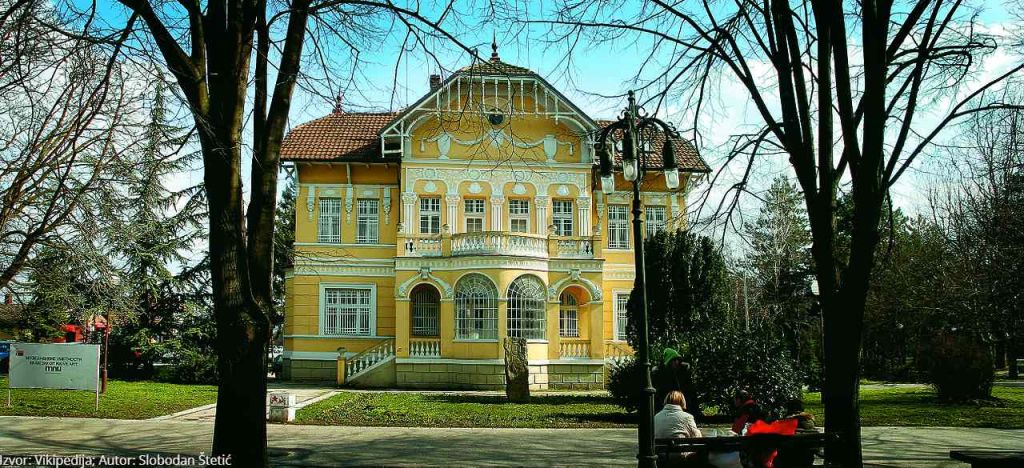
Temporary exhibitions at the Jagodina gallery
Changing exhibitions add artists or themes beyond the collection display.
Temporary programming belongs to a specific venue and date range. An exhibition promoted by the institution should be checked for both location and closing date before travel; Belgrade salon programming does not automatically transfer to Jagodina.
Curator-guided visit in Jagodina
A guided format is offered, although its route and duration are not published.
The individual curator-guided category is listed at 1,000 RSD. Group guidance is listed per person in Serbian or English. Contact the museum before relying on guide availability, especially when an English-language visit is needed.
Creative workshop at the Museum of Naive and Marginal Art
A participatory museum format whose dates, age limits and contents require confirmation.
Creative workshops are listed as a visitor category, but no standing calendar, duration, capacity or materials list is published. Families and school organizers should ask what is scheduled for their date rather than treating the workshop as a walk-in activity.
Boška Đuričića 10, 35000 Jagodina, Serbia
Jagodina central square, approximately ten minutes on foot; verify the route on the map
Self-taught, naive, marginal, Art Brut and outsider art
Free on Friday for individual visits; otherwise 200–1,000 RSD across published individual categories
Tuesday–Friday for the longest published opening window
No individual rule published; groups over ten should contact the museum in advance
Tuesday–Friday 10:00–18:00; Saturday 10:00–16:00; Sunday 10:00–15:00
Direct museum contact
Direct museum contact
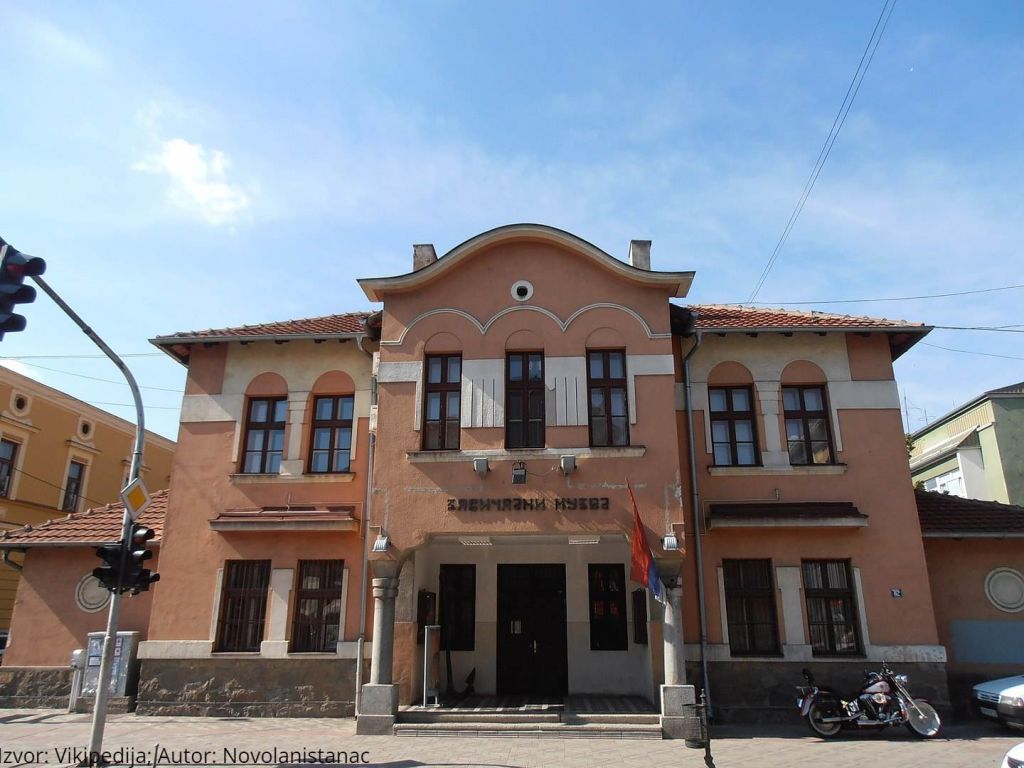
The Jagodina address is the collection-focused gallery covered here. The Oto Bihalji-Merin salon in Belgrade has its own schedule and programme. Do not transfer an exhibition date, opening time or visit policy from one venue to the other.
For groups over ten, English-language curator guidance, workshops, accessibility questions or exceptional-hours requests, email the Jagodina museum team or call the Jagodina gallery. Wait for a direct response before treating a requested guide or time as confirmed.
Tuesday through Friday offers the longest published daily window, while Friday is the practical choice for free individual admission. Saturday and Sunday have shorter schedules. No seasonal or public-holiday timetable is published, so confirm directly when a holiday affects the date. Groups over ten and visitors requesting English-language guidance should make contact before travel rather than choosing a quiet period on assumption.
No. Both belong to the same institution, but they are separate venues with different addresses, schedules and programmes. Confirm that any exhibition announcement specifically names Jagodina.
No current complete display inventory is published. The collection contains more than 3,000 works, but the gallery presents a selection through permanent and temporary displays.
A standard duration is not published. Leave enough time to read the interpretive text and examine several works closely, especially if unfamiliar with the distinctions among naive, marginal and outsider art.
A public photography policy is not listed. Ask staff before taking photographs because temporary exhibitions and loaned works may have separate restrictions.
Detailed physical-access information is not published. Contact the museum about entrance steps, internal circulation, toilets and any assistance required before travelling.
A family ticket and creative-workshop category are published, but age recommendations and workshop schedules are not. Families should confirm what is available on their intended date.
Stay connected in Serbia