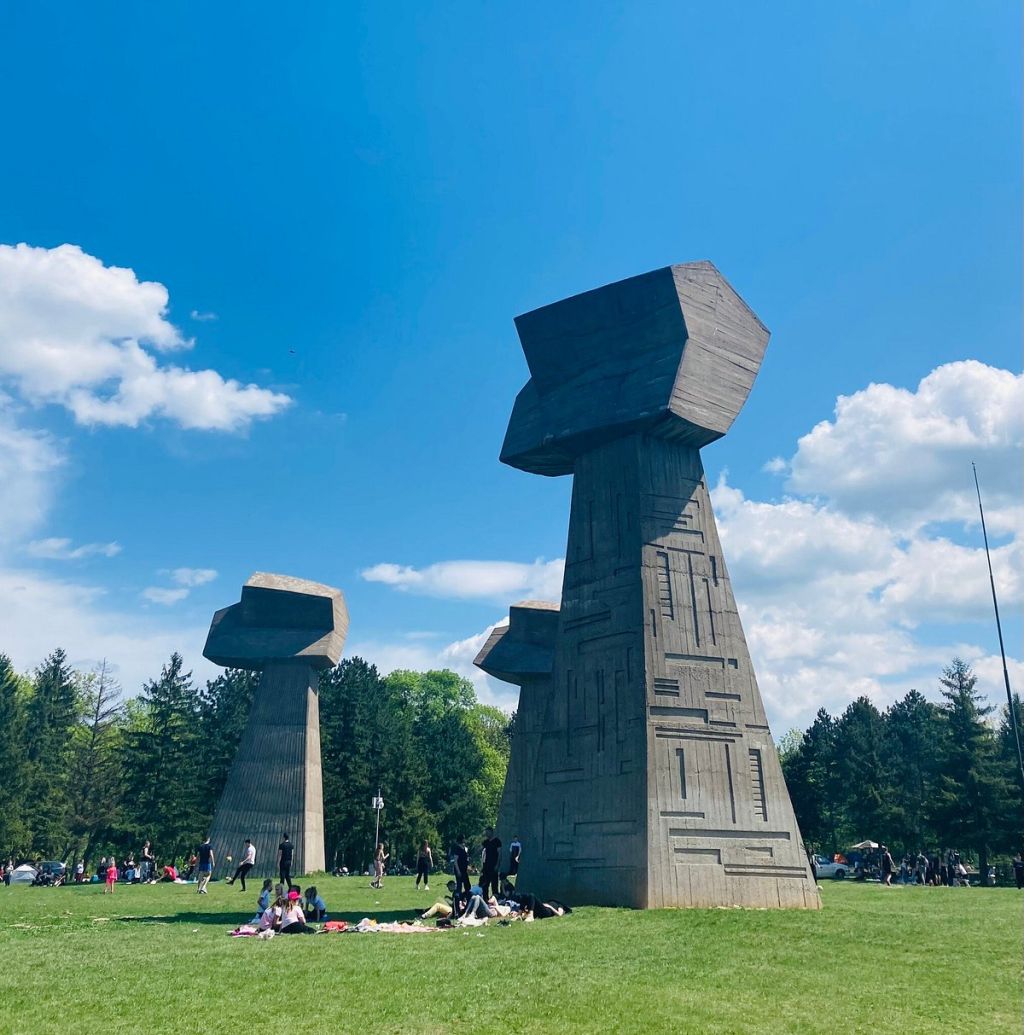
Bubanj area, southern edge of Niš

Bubanj Memorial Park is one of the key memorial sites in Niš. It marks the place where around 10,000 people were executed during the Second World War. Most visitors come for the Three Fists monument, the open park setting, and the chance to understand this part of local wartime history before or after visiting the Red Cross Concentration Camp memorial museum. Bubanj is not a long visit in pure sightseeing terms, but it carries weight. Plan for a quiet stop of roughly 30 to 60 minutes, longer if you want time to read memorial plaques and walk the grounds slowly.
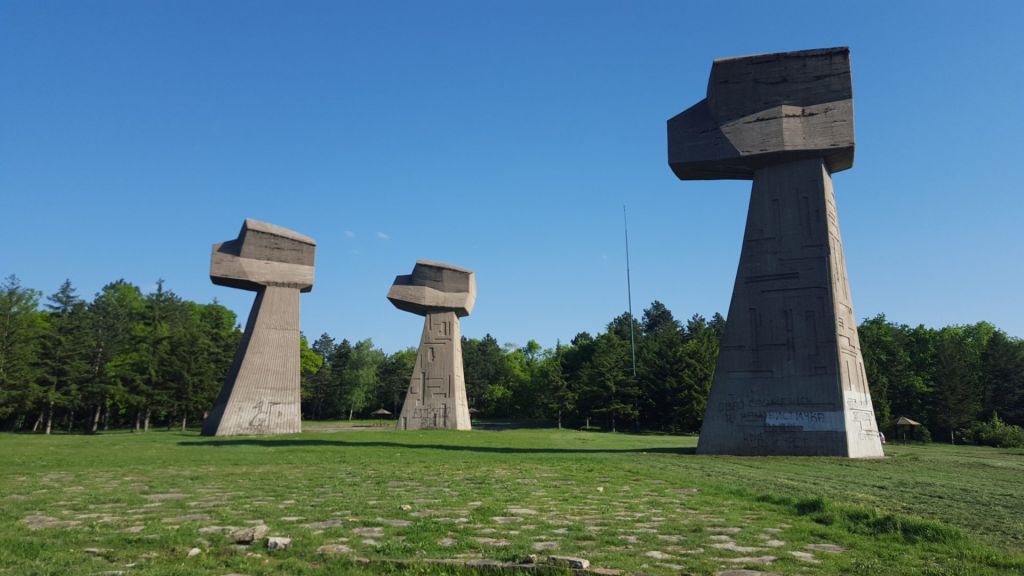
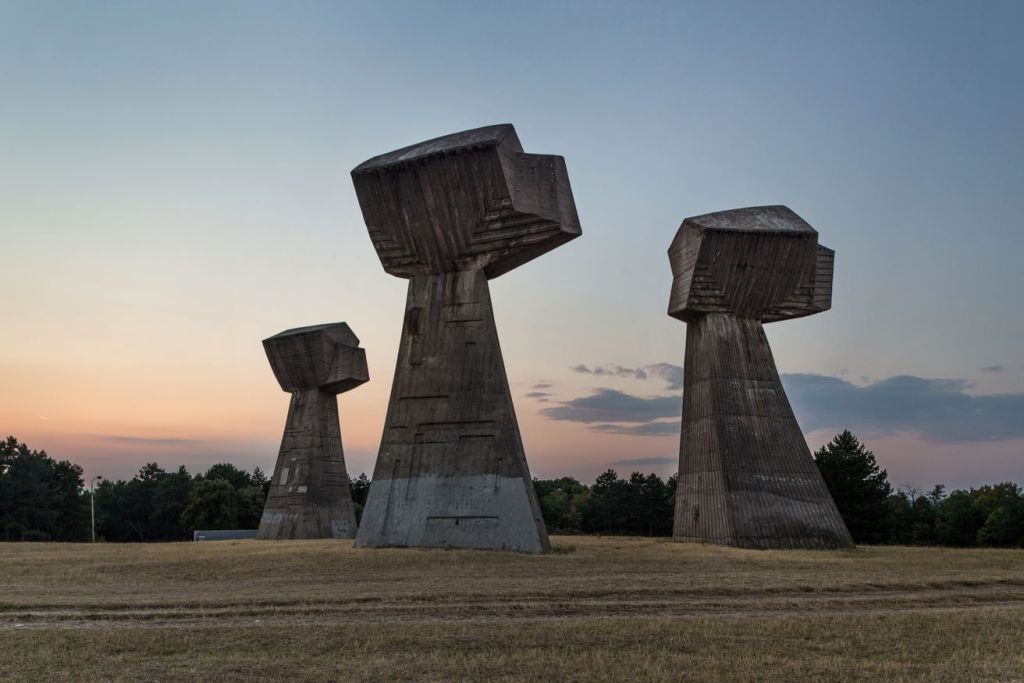
Bubanj Memorial Park lies on a hill on the outskirts of Niš and serves as a memorial landscape rather than a conventional urban park. It commemorates around 10,000 victims killed here during the Second World War. The site is most widely recognized for the Three Fists monument, whose large concrete forms represent men, women, and children. The atmosphere is quiet, open, and reflective. Visitors usually come here not for entertainment or a long programmed visit, but to understand a grave historical site within the wider story of wartime Niš.
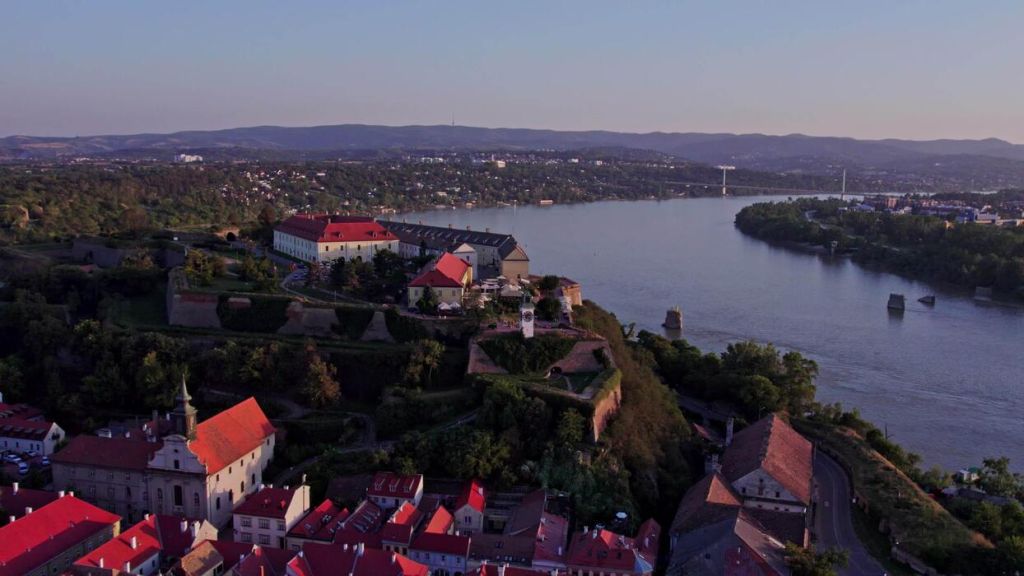
What makes Bubanj distinct is that the memorial experience is built around space, scale, and absence. This is not primarily an indoor museum visit with long galleries or object displays. Instead, the open ground itself is part of the meaning of the site. The Three Fists monument gives Bubanj its visual identity, but the place matters because it marks the execution ground tied to wartime repression in Niš. That changes how you move through it: people tend to walk more slowly, speak more quietly, and spend time looking outward across the site rather than only at a single object. For travelers interested in historical continuity, Bubanj also makes more sense when understood alongside the Red Cross Concentration Camp, which helps explain the broader wartime context in and around the city.
From central Niš, Bubanj is easiest by taxi or car. From King Milan Square in the city center, expect roughly a 10 to 15 minute drive in normal traffic. If you start near the Fortress area, walking is possible but long and better only in mild weather; most visitors do not approach Bubanj on foot from the center. City buses serving the Bubanj side of Niš include local routes such as line 1 and line 8; ask for the stop closest to Bubanj memorial park before boarding because route branches can change. A taxi from the center is usually inexpensive by city standards and practical for a one-way ride, especially if you plan to continue to another historical stop afterward. Parking is generally easier here than in the old center, which makes Bubanj a straightforward stop for drivers.
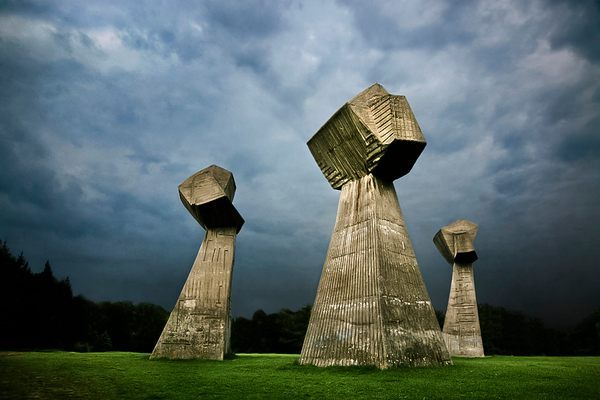
The most suitable time to visit Bubanj is during daylight, especially in the morning or late afternoon when the grounds feel calmer and summer heat is lower. Because the site is open and exposed, midday can feel harsh in July and August. Weekdays are usually quieter than weekends, although Bubanj rarely feels crowded in the same way as city-center sights. There is no reservation logic for an ordinary visit to the park itself. In winter, the atmosphere can be strikingly clear and austere, but wind and cold can shorten your stop.
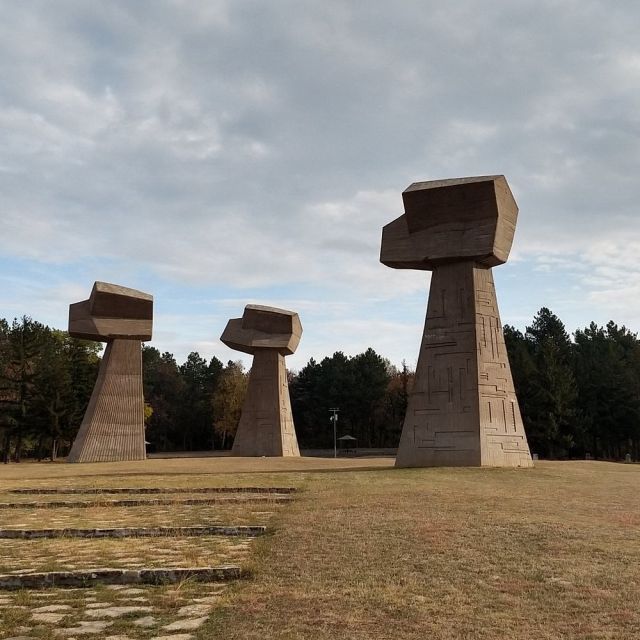
Expect a spacious outdoor memorial setting rather than a heavily serviced tourist attraction. The visit is simple: you arrive, walk the grounds, spend time at the monument, and read the site through its atmosphere and commemorative function. Dress is casual, but respectful clothing makes sense because this is a place of mourning and memory. Families can visit, though older children and teenagers usually get more from the site than very young kids. Accessibility depends on exactly how much of the grounds you want to cover; the key memorial area is easier than an extended park walk, but surfaces may not feel fully barrier-free in all sections. Bring water in warm months, sun protection in summer, and appropriate shoes if the ground is damp after rain. Do not expect cafés, extensive interpretation, or long indoor shelter on site.
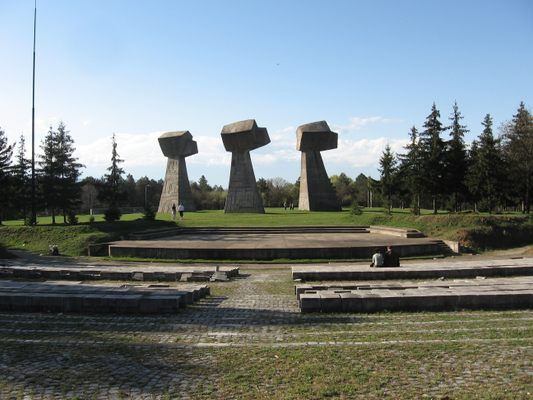
International travelers sometimes skip Bubanj because it is outside the old center and looks, at first glance, like a quick monument stop. In practice, it adds something different to a Niš visit. The city is often planned around the Fortress, food, and Roman or Ottoman-era sites, but Bubanj gives weight to the twentieth-century story. If you are already reading Niš through layers of conflict, resistance, and memory, Bubanj is one of the places that makes that pattern visible. It is also one of the quieter stops in the city, which can matter after a busy day in central streets or museums.
Tell us where you want to go and how you travel. We reply within two working days with a tailored plan.
Bubanj works well as a short, focused stop on a broader Niš history day. It is usually too brief to anchor a full half-day by itself unless you want extended reflective time.
Most travelers pair Bubanj with central Niš and one other memorial or museum stop. That keeps the day balanced between walking, historical context, and transport time.
Use the map to locate Bubanj on the southern side of Niš and judge whether a taxi, local bus, or rental car makes the most sense for your route.
Travelers who visit Bubanj often understand it better when they add one or more historical sites in Niš linked to memory, resistance, and wartime history.
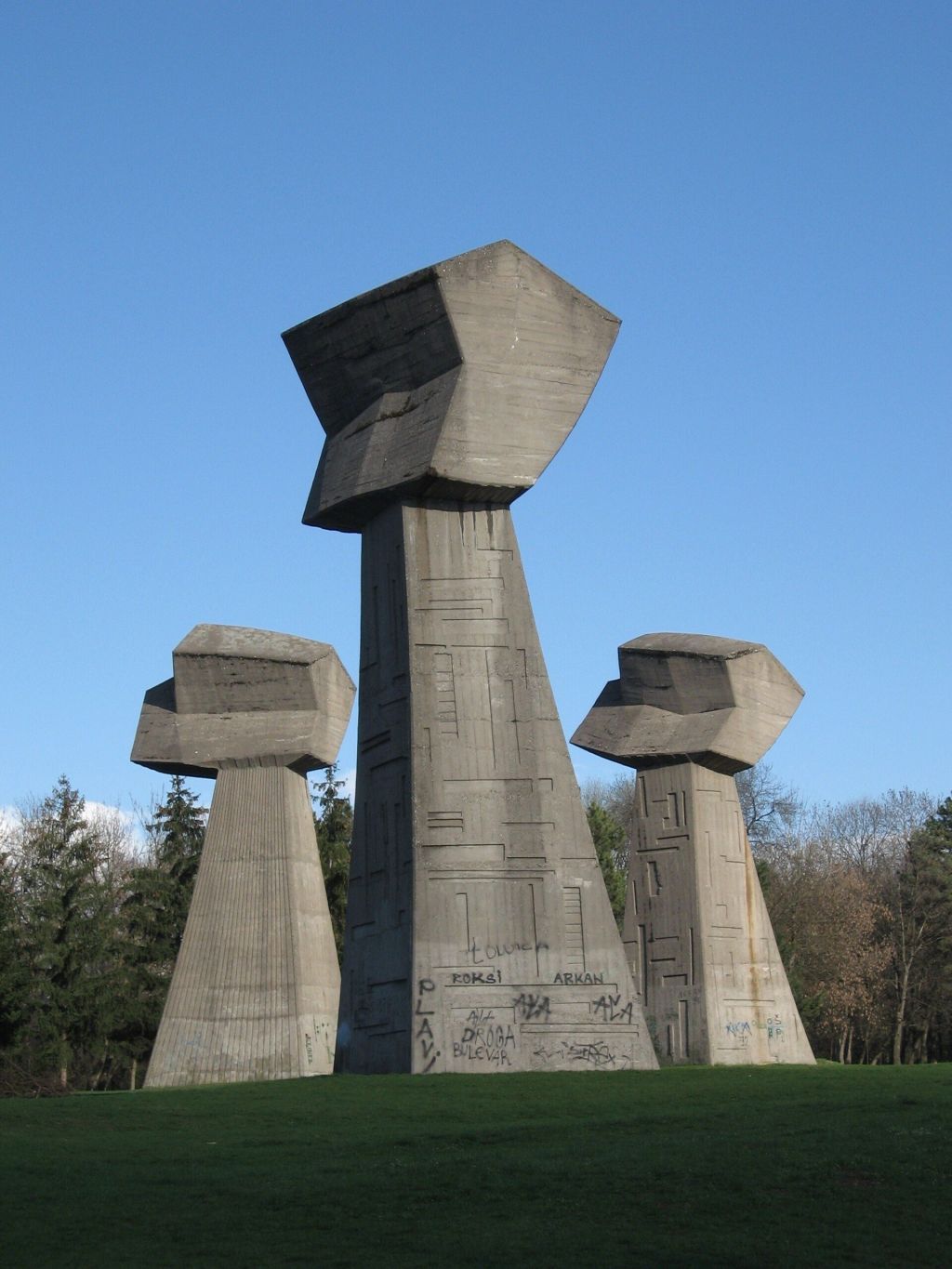
Bubanj Memorial Park
Open memorial landscape marking a mass execution site from the Second World War.
Best known for the Three Fists monument and for commemorating around 10,000 victims.
Red Cross Concentration Camp
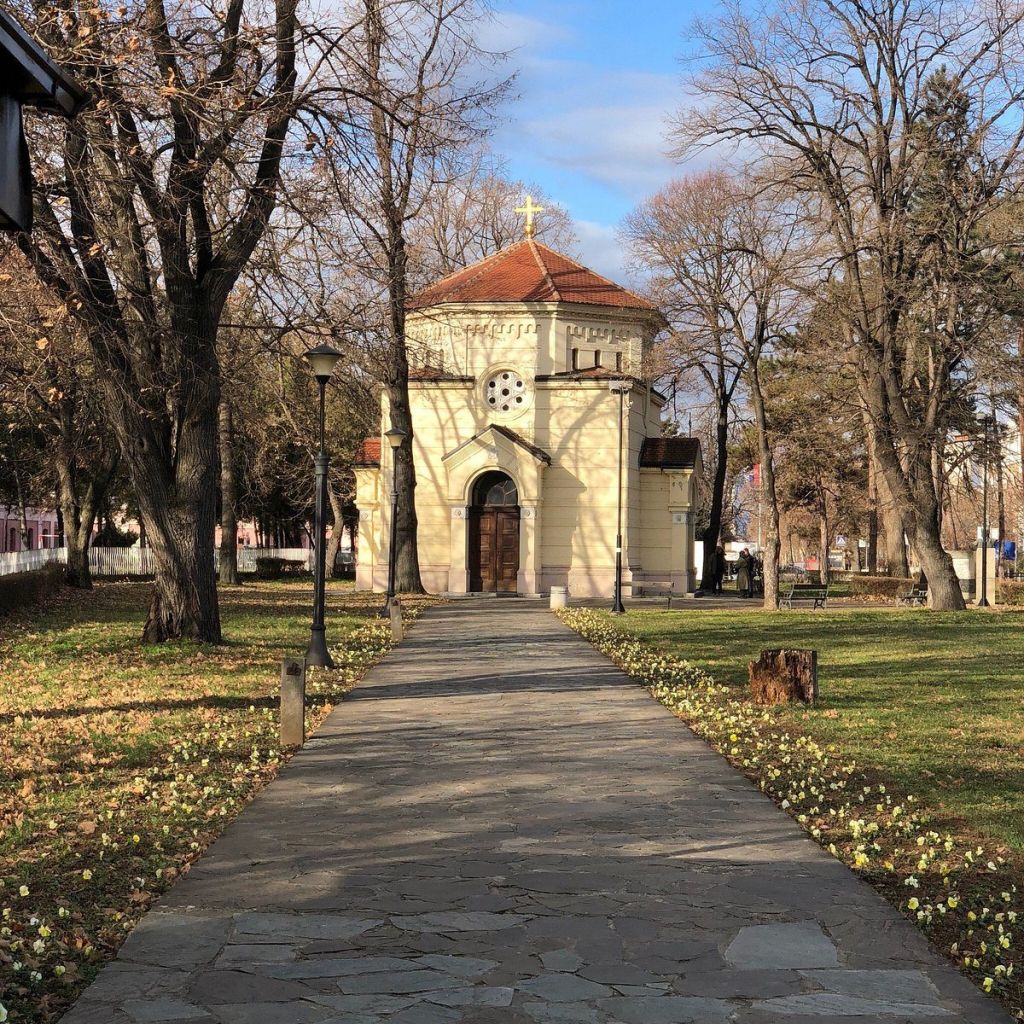
Memorial museum focused on the wartime camp in Niš.
A strong companion visit if you want indoor historical context before or after Bubanj.
Skull Tower
Ottoman memorial site tied to the 1809 uprising against Ottoman rule.
Not a Second World War site, but important for understanding how Niš remembers violence, resistance, and sacrifice across periods.
Čegar Hill
Memorial hill linked to the Battle of Čegar in 1809.
Useful if you want to extend a memorial route beyond the city center and place Bubanj within Niš's wider culture of remembrance.
Bubanj area, southern edge of Niš
Niš city center is the usual approach point
Second World War memorial landscape and Three Fists monument
Free outdoor memorial site
Daylight hours, especially morning or late afternoon
No
If you are planning a history-focused day, Bubanj works best when combined with the Skull Tower and central Niš landmarks rather than as a standalone half-day outing.
Bubanj is a memorial stop. Keep voices low, avoid climbing on monument elements, and treat photo-taking with the same restraint you would use at a cemetery or war memorial.
Most travelers spend 30 to 60 minutes at Bubanj. Add extra time only if you want a slower walk, reflective time, or to combine the stop with other Niš memorial sites the same day.
If you have limited time in Niš, take a taxi to Bubanj, spend around 40 minutes on site, and then continue directly to another history stop rather than returning to the center between visits.
It is known as the memorial site for around 10,000 victims killed here during the Second World War and for the large Three Fists monument.
Most independent travelers need about 30 to 60 minutes. Visit longer only if you want a slower walk or reflective time on the grounds.
No. It is outside the compact city-center sightseeing area, so most visitors reach it by taxi, car, or local bus rather than on foot.
Yes. Bubanj is often paired with the Red Cross Concentration Camp, Skull Tower, or Čegar Hill as part of a history-focused day in Niš.
Yes, but it is a solemn memorial space rather than a recreational park visit. Older children usually understand the historical context better than very young visitors.
If you want help combining Bubanj Memorial Park with Niš's key historical stops, request a custom Serbia itinerary built around your pace, transport style, and interests.
Stay connected in Serbia