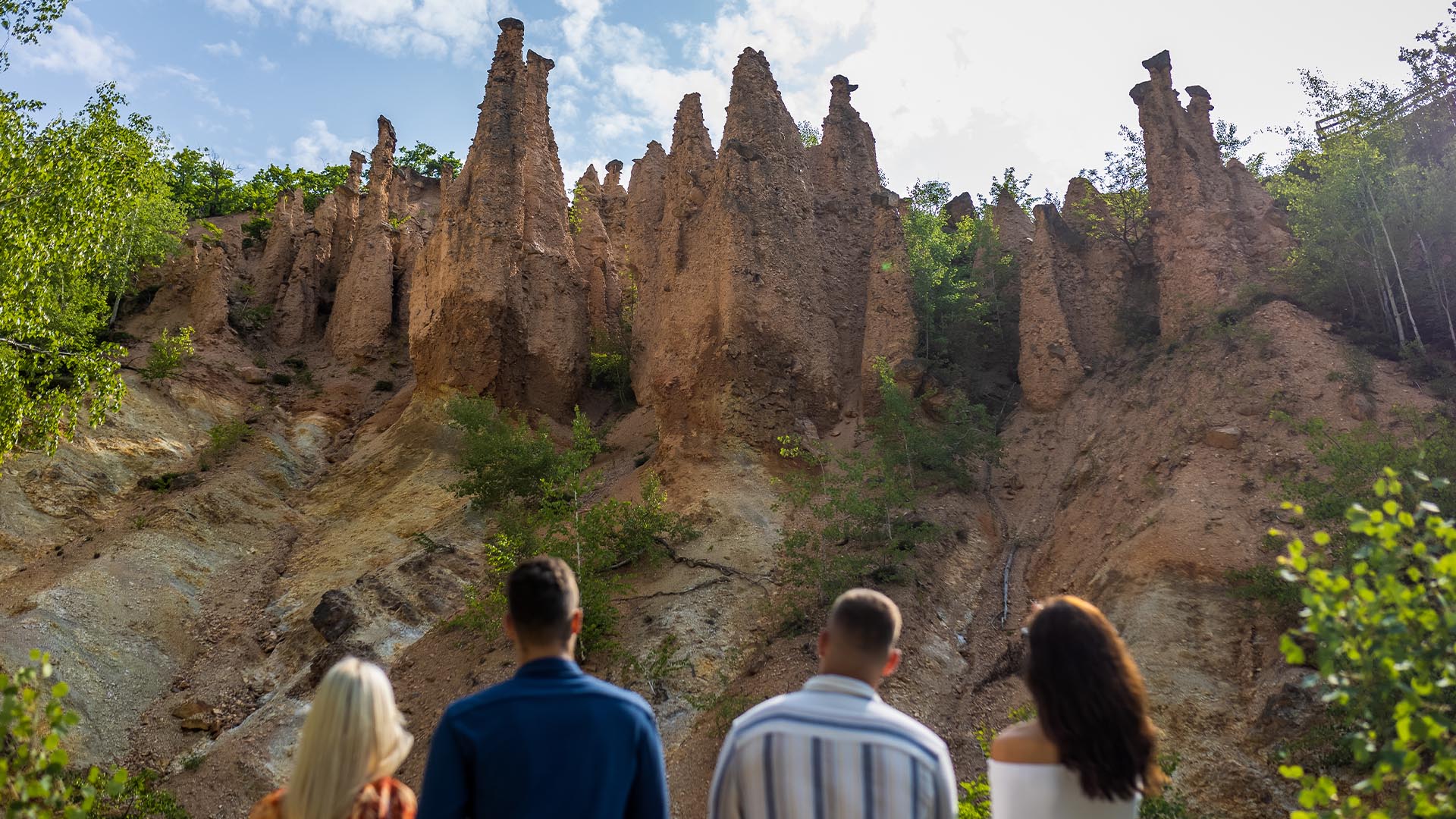
Natural monument

Devil's Town is a natural monument known for its unusual field of 202 erosion-formed earth pyramids. The formations rise to around 15 metres and are the main reason to come. This is a landscape stop rather than a town museum or urban sight: visitors come to walk, look closely at the geology, and spend time outdoors. For wider route planning, it fits best into a broader Stara Planina travel guide trip focused on nature and road travel.
Devil's Town is a protected natural monument in Serbia, known above all for its concentration of 202 earth pyramids created by erosion. The formations reach up to 15 metres in height, which gives the site its distinctive silhouette and explains the long-standing local name. What people come for is not an urban attraction but a geological landscape: columns of earth, capped forms, and the feeling of walking through a shaped natural process rather than a built place. The mood is quiet, open-air, and focused on the terrain itself.
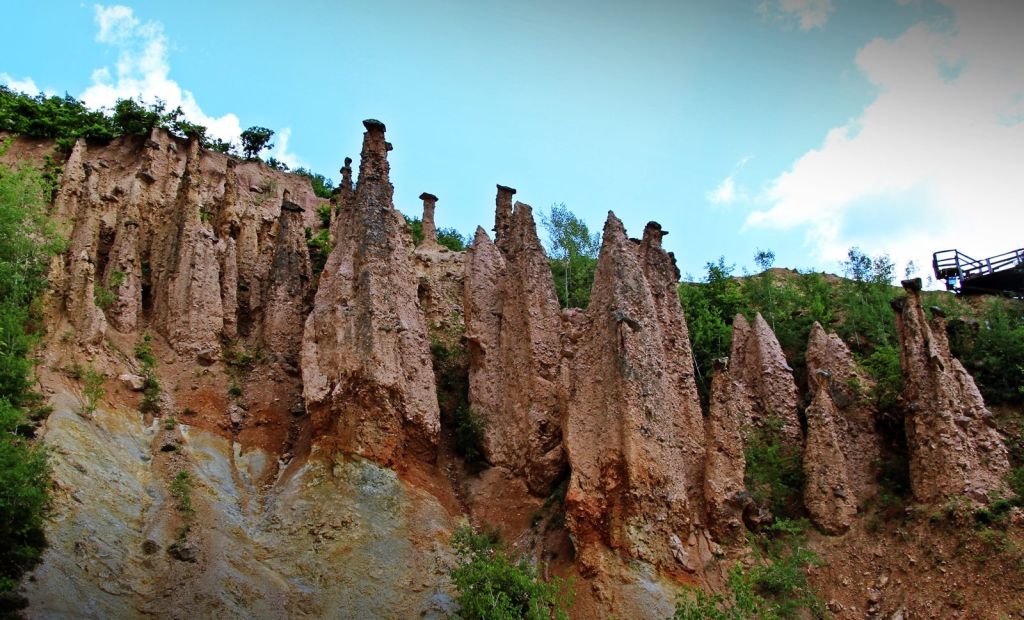
The defining speciality of Devil's Town is the earth-pyramid landscape itself. The source identifies 202 erosion-formed pillars, some rising to 15 metres, which makes the site about process as much as appearance. These are not isolated rocks placed in a scenic park setting; they are a field of natural forms produced by erosion, and that matters because the visit is about looking at repetition, variation, and scale across the whole area. The experience is strongest when you slow down and view the formations as a group: narrow columns, heavier tops, bare soil, and a terrain that reads like a natural sculpture garden shaped by water and time.
Devil's Town is best approached by road. The provided source note confirms the monument itself but does not publish on-site transport details, so travelers should treat this as a car-first destination and verify current local access before departure. If you are building a wider South or East Serbia route, start with the Niš city guide for regional orientation or combine it with a longer mountain-based plan from the Pirot travel guide. Public transport line numbers, taxi fares, parking charges, and current visitor logistics are not stated in the source and should be checked locally.
Devil's Town is strongest in dry, clear weather when you can spend time outside reading the shape of the landscape. Early or late daylight usually gives the relief more definition than flat midday light, which helps the columns stand out more clearly. Because the visit is centered on exposed earth formations, wet conditions can reduce comfort and make paths less pleasant. This is not a place where reservations are the main planning issue; weather, daylight, and road conditions matter more. If you are continuing deeper into the mountains, a second nature stop such as Babin Zub on Stara Planina changes the day from geology-focused sightseeing to a broader mountain outing.
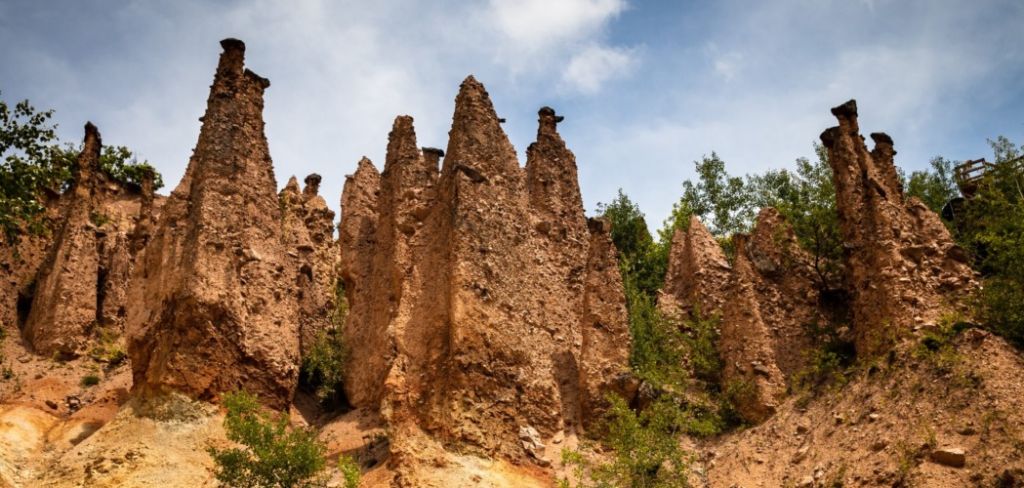
Expect an outdoor natural monument centered on visual geology rather than a long list of built attractions. The atmosphere is usually quiet and observational: people stop, walk, look, and photograph the forms. Comfortable outdoor clothing is the right approach; there is no need for special dress, but practical footwear matters. Families who enjoy short nature-based stops can find it interesting, though the appeal is strongest for travelers curious about unusual landscapes. Accessibility may depend on terrain and current path condition, so visitors with mobility concerns should verify conditions in advance. Bring patience rather than a packed schedule, because Devil's Town works best when you spend time looking at the grouped pyramids rather than rushing through for a single photo.
Map location for planning your approach to the Devil's Town natural monument.
The source confirms the monument's defining feature: a field of 202 erosion-formed earth pyramids up to 15 metres high. These cards highlight what to pay attention to on site.
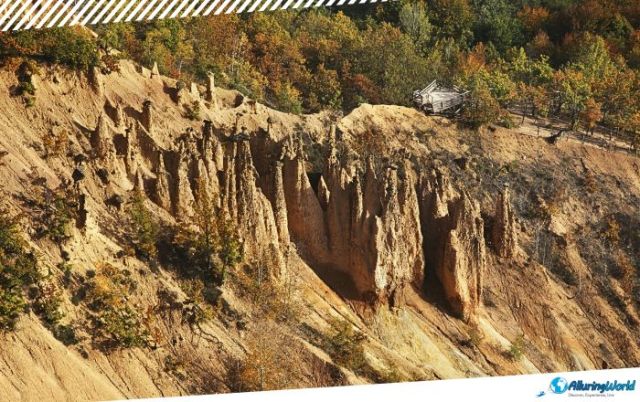
Main earth pyramid field
The core reason to visit Devil's Town.
Look for the overall concentration of erosion pillars rather than a single isolated formation. The visual impact comes from the number of columns gathered in one protected landscape.
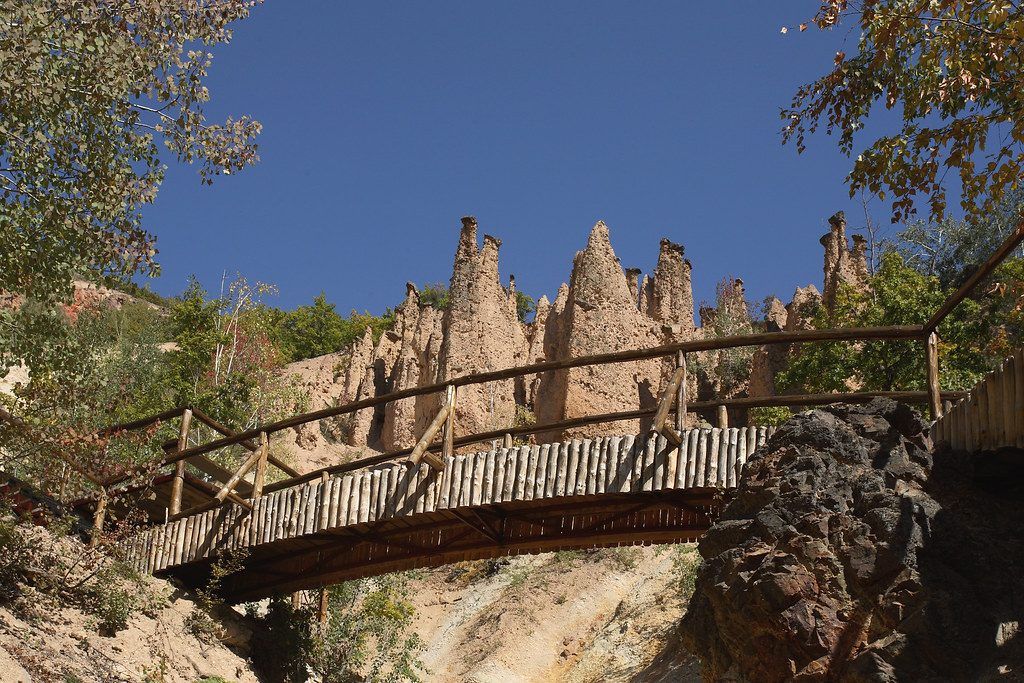
Tall erosion pillars
The formations reach notable height.
Some of the earth pyramids rise up to 15 metres, which helps explain the unusual vertical look of the site and why visitors spend time scanning the slopes from different angles.
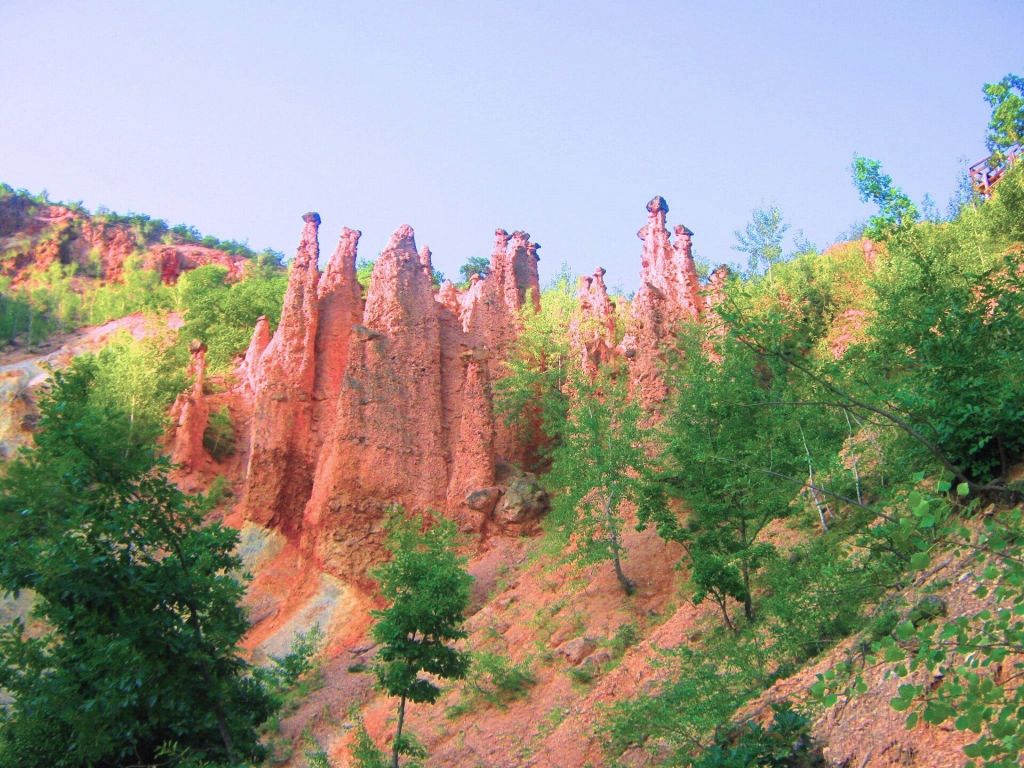
Capped earth formations
The capped look is part of the monument's identity.
Many visitors focus on the way the upper sections appear heavier than the narrow columns below, giving the landscape its strange, sculpted character.
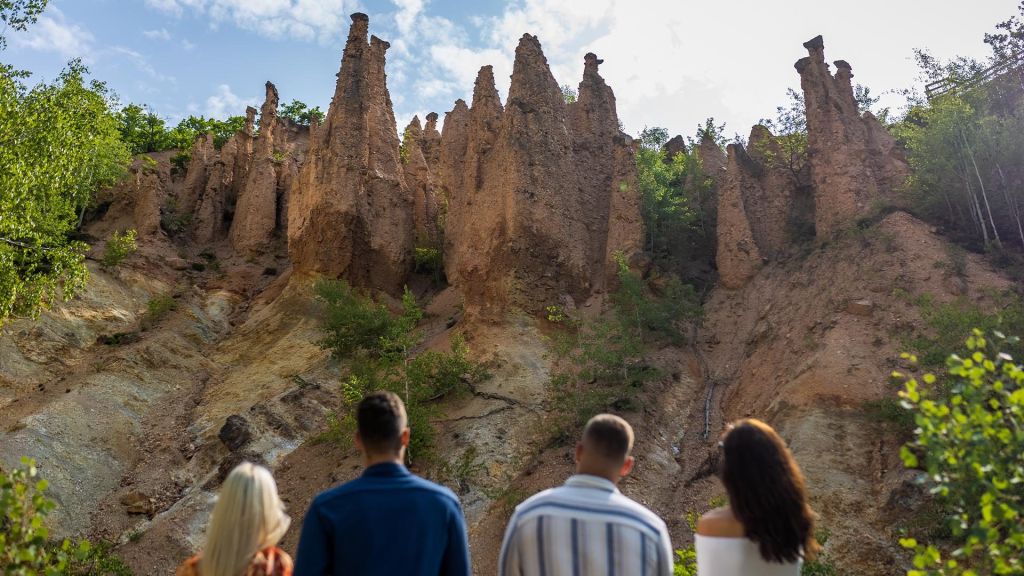
Erosion landscape setting
The wider terrain matters as much as individual pillars.
Devil's Town is best understood as an erosion landscape rather than a single object. Bare ground, grouped columns, and changing relief give the place its character.
Natural monument
202 erosion-formed earth pyramids
Up to 15 m
Outdoor geological sightseeing
Dry weather and clear daylight
Not stated in source
Not stated in source
Verify locally
Short nature stop or road-trip detour
Stay connected in Serbia