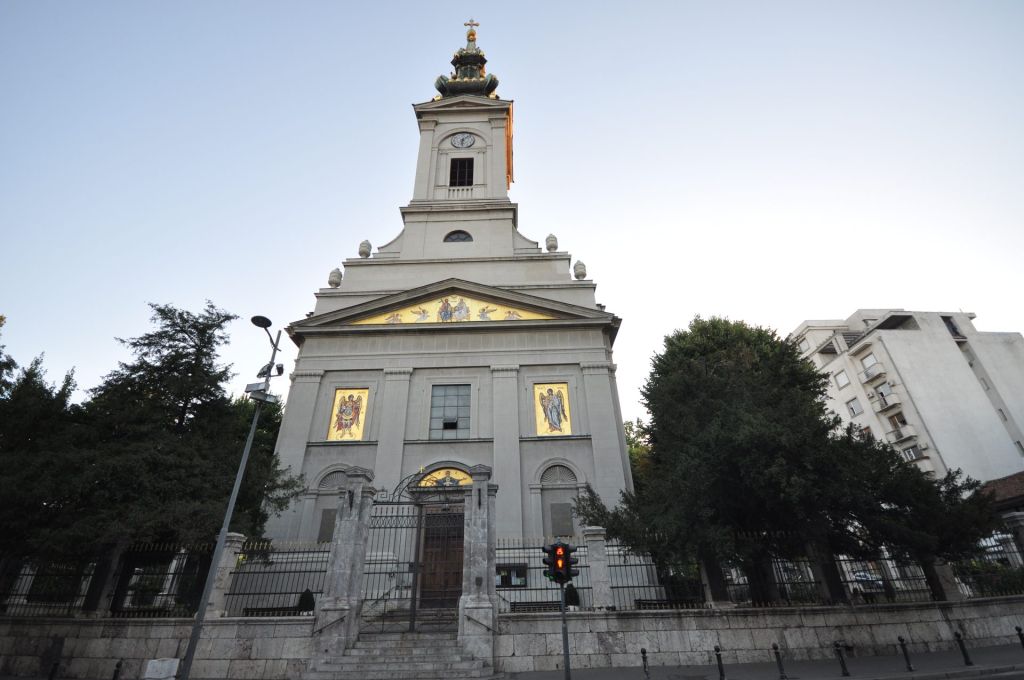
At a glance
The Cathedral of St. Michael is one of the key religious landmarks in Belgrade’s Stari Grad. It stands out for its Serbian Orthodox character, its historical importance in the city center, and its role as a place associated with Serbian princely and church heritage. For travelers, it is best visited as part of a central Belgrade walk that also includes Kalemegdan Fortress, Knez Mihailova Street, and Skadarlija.
Why this cathedral matters in Belgrade
The Cathedral of St. Michael is one of the places that helps explain how Belgrade’s old town developed as a political, religious, and cultural center. Unlike the more hectic streets around the city center, the cathedral offers a quieter pause and a reminder that Stari Grad is not only about cafés and shopping streets. It is also where the city’s long memory is visible in stone, iconography, and tradition.
For many visitors, the cathedral makes sense as part of a broader Old Belgrade route. You can start near Trg Republike, continue along the central streets, and then move toward the cathedral before heading to Kalemegdan Fortress or the nearby Knez Mihailova Street. That combination gives you a fuller picture of the historic core than any single sight alone.
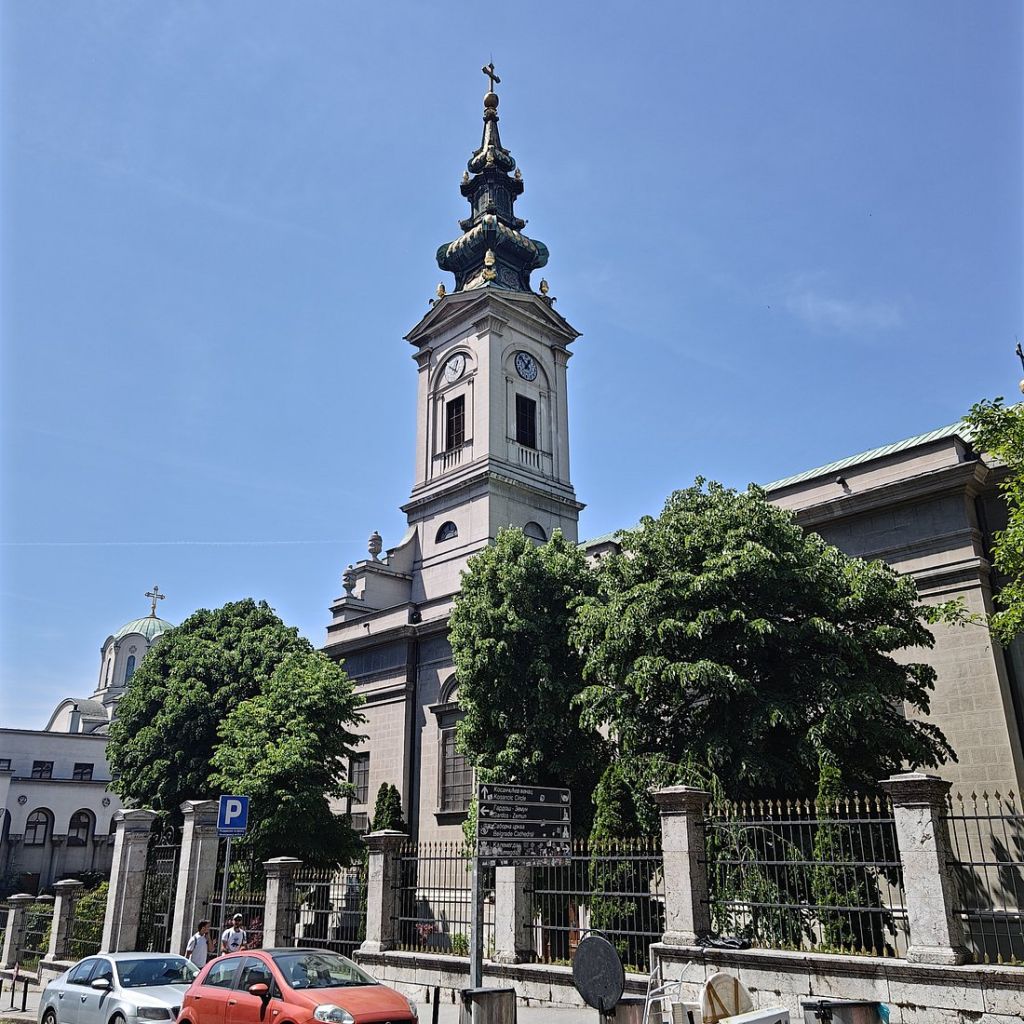
Travelers often notice the cathedral’s tall baroque bell tower, which rises above the narthex and is one of the recognizable silhouettes of central Belgrade. Inside, the church holds the relics of Saint Emperor Stefan Uroš V and parts of the relics of Saint Lazar of Serbia, along with the tombs of princes Miloš and Mihailo Obrenović. In front of the main entrance you will also find the graves of Vuk Karadžić, the reformer of the Serbian language, and Dositej Obradović, the first Serbian Minister of Education. Together these make the cathedral one of the most important memory sites in the country, not only a place of worship.
History and cultural role
The Cathedral of St. Michael belongs to the historic layer of Belgrade that predates the modern riverside and nightlife image many travelers first encounter. In Stari Grad, churches, fortifications, and old civic streets sit close together, and this cathedral is part of that older urban story.
Its importance is not only architectural. The church has long been tied to the Serbian Orthodox tradition and to the memory of Serbian statehood. That makes it a useful stop for travelers who want to understand Belgrade beyond general sightseeing. If you are building an itinerary around the old town, the cathedral fits naturally with visits to the museums of Belgrade and the historic streets around the city center.
Because the cathedral is in a dense central district, it works well as a walking stop rather than a separate destination. That practical role matters: visitors can reach it while exploring nearby neighborhoods, then continue toward Skadarlija for lunch or evening drinks, or toward Dorćol for café culture and riverside approaches.
A simple Stari Grad walking route
If you are staying in central Belgrade, the cathedral fits well into a half-day walking plan. Start at Trg Republike to get your bearings, walk through the main streets toward the cathedral, then continue to Knez Mihailova for the pedestrian-center experience. From there, you can extend the route to Kalemegdan Fortress or downhill toward Kosančićev Venac.
This route works well because it keeps the day compact and avoids unnecessary transport. It also helps you see how Belgrade layers different periods together: Ottoman-era memory, modern central streets, Orthodox tradition, and fortress landscape. If you are interested in broader context, the parent guide at Stari Grad Belgrade Travel Guide is the best place to continue planning.
How to visit comfortably
The cathedral is easiest to enjoy when you treat it as one stop on a longer Stari Grad route rather than a standalone trip.
As an active Orthodox cathedral, it is best to dress modestly and keep noise low, especially if services are taking place.
Combine the cathedral with Kalemegdan, the old streets around the center, and historic quarters such as Kosančićev Venac for a more complete picture of Belgrade.
After your visit, continue to Knez Mihailova, Skadarlija, or the surrounding Stari Grad cafés for a simple lunch or coffee break.
What to notice during your visit
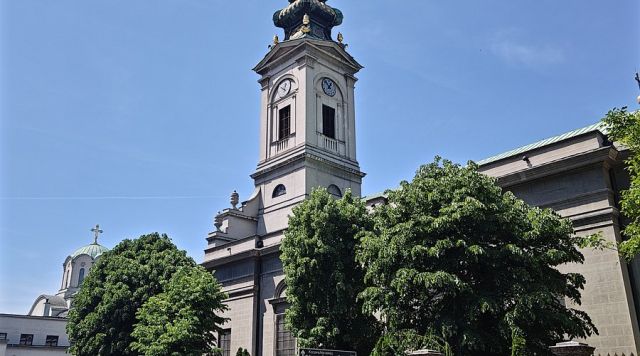
The exterior and its place in Stari Grad
The current church was built between 1837 and 1845 on the order of Prince Milos Obrenovic, designed by Franz Jancke and Friedrich Adam Querfeld and built by craftsmen from Pancevo. The single-nave neoclassical body is topped by a tall baroque bell tower above the narthex, a silhouette that has become one of the recognizable markers of old Belgrade. The portal and wide entrance stairs on the west facade face directly onto Kneza Sime Markovica street, opposite the Palace of the Patriarchate of Serbia.
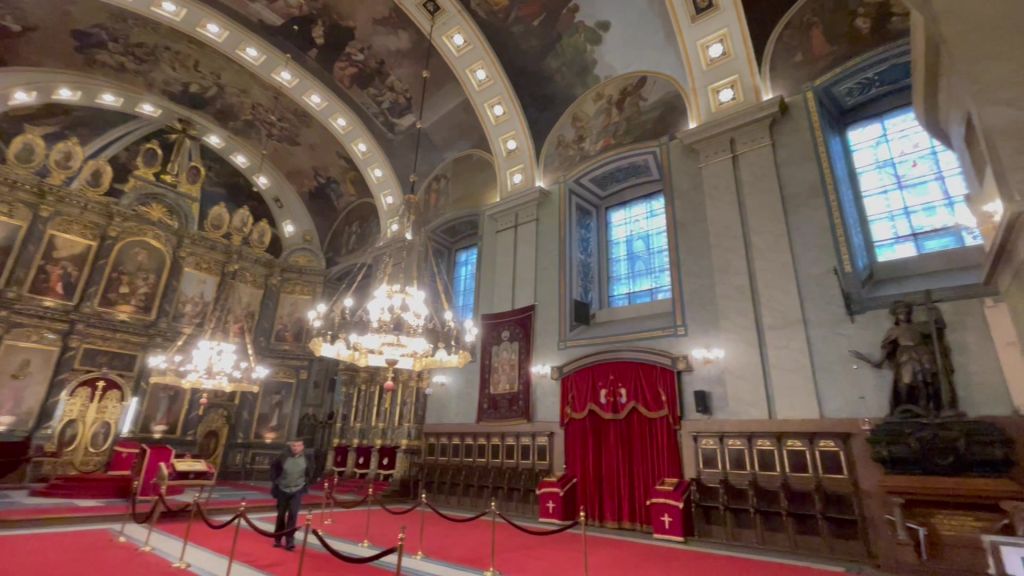
The interior: iconostasis and frescoes
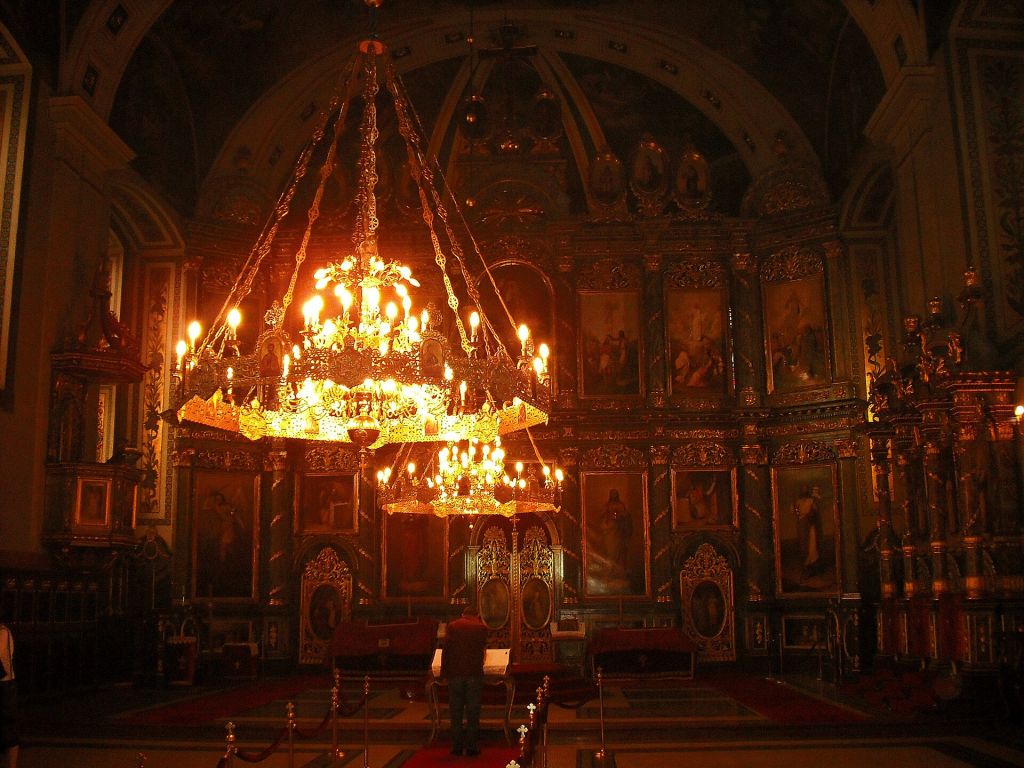
Inside, the gold-plated iconostasis was carved by sculptor Dimitrije Petrovic, while the icons, frescoes, choir, pulpit and wall compositions were painted by Dimitrije Avramovic between 1841 and 1845. Avramovic produced eighteen large wall compositions and close to fifty icons for the iconostasis alone. The treasury holds liturgical objects, vestments and icons mainly from the 18th and 19th centuries. As this is an active cathedral, keep your voice low and dress modestly, especially during services.
Relics, tombs and Serbian memory
The cathedral functions as a national memory site as much as a place of worship. It holds the relics of Saint Emperor Stefan Uros V and parts of the relics of Saint Lazar of Serbia, the despot Stefan Stiljanovic, the tombs of princes Milos and Mihailo Obrenovic, metropolitans Mihailo and Inokentije, and patriarchs Gavrilo V and Vikentije II. In front of the main entrance lie the graves of Vuk Karadzic, who reformed the Serbian language, and Dositej Obradovic, the first Serbian Minister of Education.
Nearby places to add to the same day
These Stari Grad landmarks connect naturally with the Cathedral of St. Michael and help you build a compact walking route through old Belgrade.

Princess Ljubica's Residence
Princely residence from 1829 to 1831, now a museum of 19th-century Belgrade interiors, one block from the cathedral.
The closest heritage stop to the cathedral and the natural next step after the visit. Original Balkan-style rooms show how the Obrenovic court lived just before the new cathedral was built.
- Period interiors, Obrenovic era, One block away
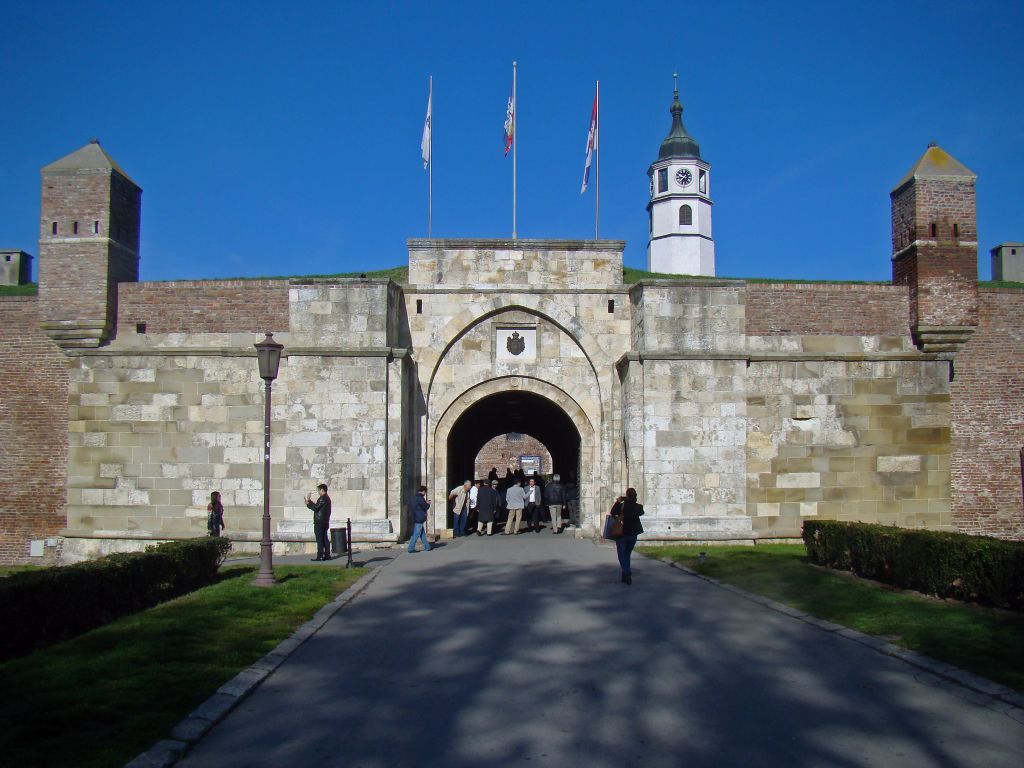
Kalemegdan Fortress
Belgrade’s historic fortress and park area, ideal for views and a wider understanding of the city’s defensive past.
A short walk from the old town core, Kalemegdan is one of the most useful follow-on stops after the cathedral if you want history, scenery, and a sense of Belgrade’s river setting.
- Fortress views, Museum stops, City panorama
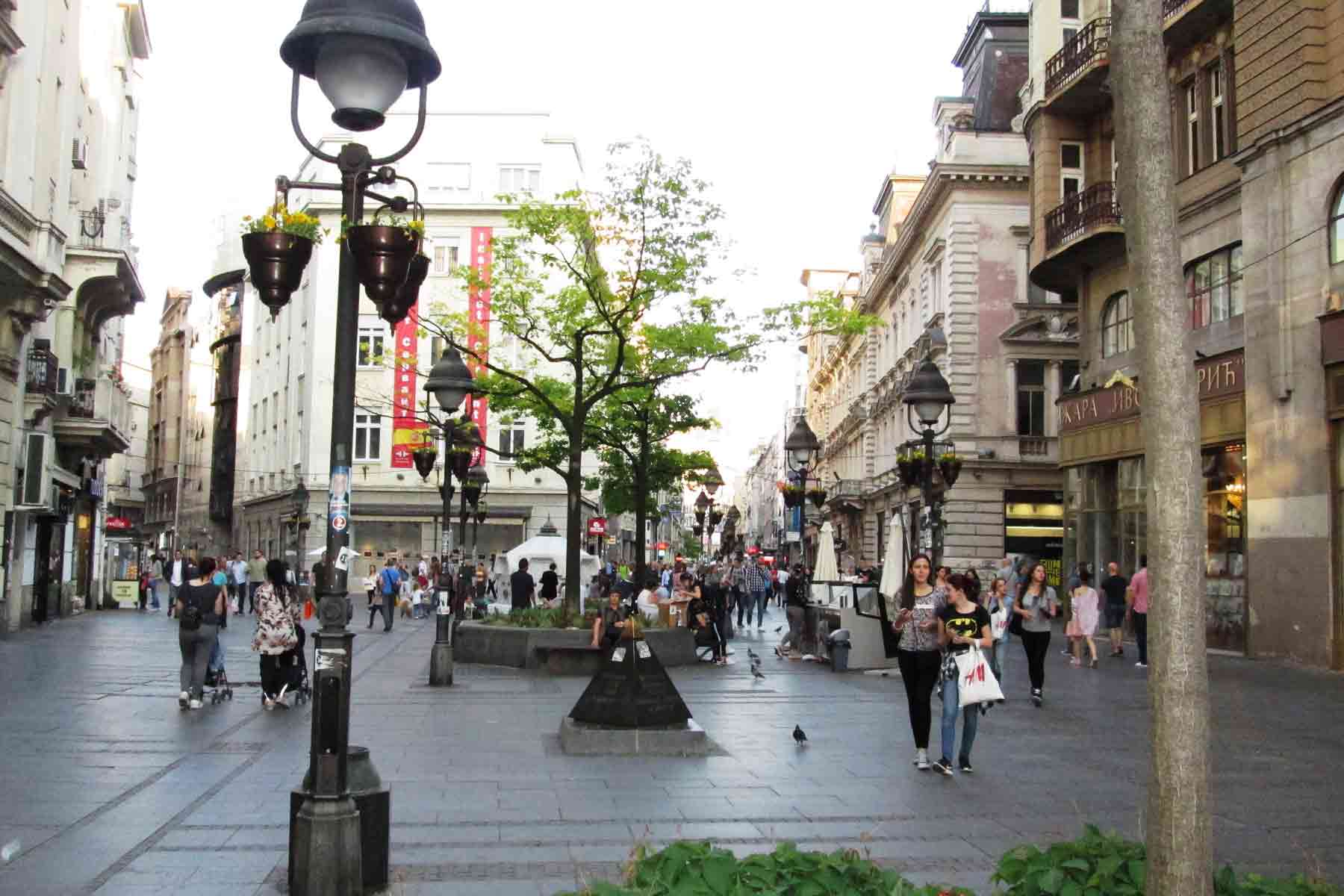
Knez Mihailova Street
Belgrade’s main pedestrian street with shopping, cafés, and constant foot traffic.
Useful for moving between the cathedral and the rest of the city center, especially if you want a lively contrast to the quieter church interior.
- Pedestrian street, Cafés, Central location
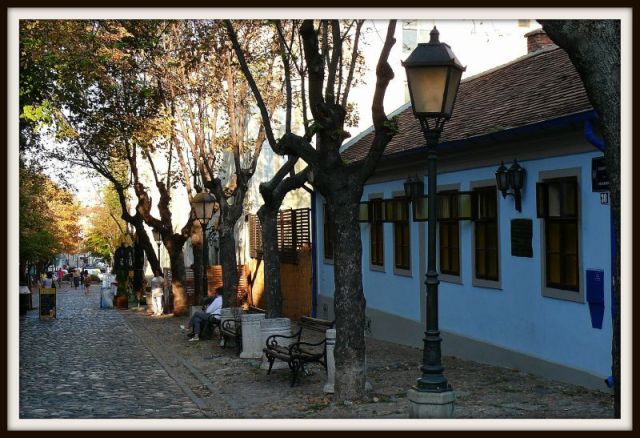
Skadarlija Bohemian Quarter
Belgrade’s classic old-quarter dining and evening area.
A good next stop after the cathedral if you want traditional kafanas and a stronger bohemian atmosphere in the same part of town.
- Traditional kafanas, Old-town feel, Evening stop
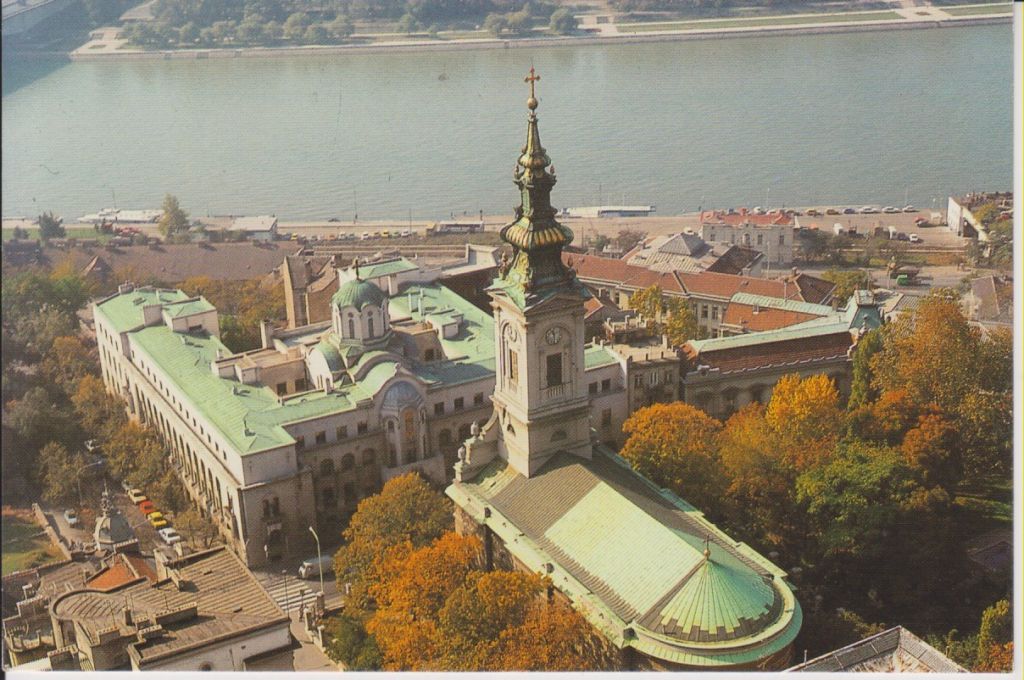
Trg Republike
Central square that often anchors a first walk through Belgrade.
An easy orientation point before or after your cathedral visit, especially if you are navigating the old city center on foot.
- City center, Easy orientation, Public square
Kosančićev Venac
One of the oldest residential quarters in Belgrade, with historic streets and river views.
If you want a quieter neighborhood after the cathedral, this is a strong choice for walking and photography.
- Historic quarter, Riverside views, Walkable streets
Quick facts
Saborna crkva Svetog Arhangela Mihaila
Kneza Sime Markovica street, Stari Grad, opposite the Patriarchate of Serbia
Serbian Orthodox cathedral, seat of the Archdiocese of Belgrade and Karlovci
1837 to 1845, ordered by Prince Milos Obrenovic
Neoclassical nave with a tall baroque bell tower
Gold-plated iconostasis carved by Dimitrije Petrovic, icons and wall paintings by Dimitrije Avramovic
Princes Milos and Mihailo Obrenovic, metropolitans and patriarchs
Saint Emperor Stefan Uros V, parts of the relics of Saint Lazar of Serbia, Despot Stefan Stiljanovic
Graves of Vuk Karadzic and Dositej Obradovic
Kalemegdan, Knez Mihailova, Princess Ljubica's Residence, Skadarlija
Short stop on a city walk
Stari Grad Belgrade Travel Guide
Frequently asked questions
Is the Cathedral of St. Michael worth visiting if I only have one day in Belgrade?
Yes. The cathedral sits directly across from the Patriarchate of Serbia in Stari Grad and is only a short walk from Kalemegdan, Knez Mihailova and Princess Ljubica's Residence, so it fits naturally into any first day in central Belgrade without adding real travel time.
How long should I plan for the visit?
Fifteen to thirty minutes is enough for most visitors. Allow more if you want to study the iconostasis and wall paintings by Dimitrije Avramovic in detail, or pay your respects at the tombs inside and the graves of Vuk Karadzic and Dositej Obradovic in front of the main entrance.
Is it easy to combine with other attractions?
Very easy. The Palace of the Patriarchate is directly across the street, Princess Ljubica's Residence and the Question Mark tavern are within one block, and Kalemegdan Fortress and Kosancicev Venac are a five to ten minute walk away.
Should I expect a museum-style visit or an active church visit?
An active Orthodox cathedral first. Services are held regularly, including a Sunday Divine Liturgy in the morning. Dress modestly, cover shoulders, and keep noise low. There is no ticketed museum tour; visitors simply enter through the main portal when the church is open.
Where should I continue after the cathedral?
Cross the street to the Patriarchate, then walk one block to Princess Ljubica's Residence, continue downhill into Kosancicev Venac for river views, or head up toward Knez Mihailova and Kalemegdan Fortress. Skadarlija is a good evening stop for traditional kafanas.
Plan your Stari Grad route
Use the Cathedral of St. Michael as the quiet heritage stop in a broader old-town day. Then continue to the fortress, the pedestrian center, and the bohemian quarter for a complete Belgrade experience.