Quick overview
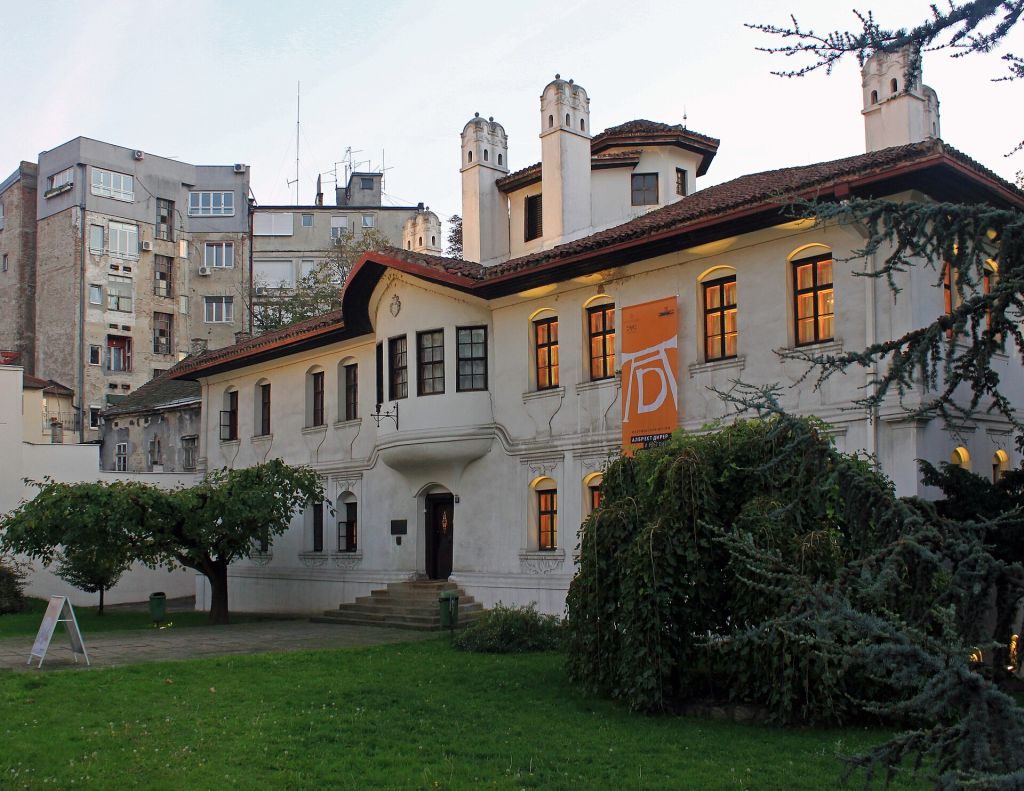
The Residenz der Fürstin Ljubica is one of the key historic houses in Belgrade’s Old Town. Built in 1830, it stands out as a representative urban residence from the early 19th century. Today it functions as a museum, and visitors can see interiors arranged to evoke the original atmosphere as well as everyday objects from that period.
For travelers, the main value is context: the building helps explain how elite life in Belgrade looked after the Ottoman period and before the modern city fully took shape. It fits naturally into a walking route with nearby Stari Grad landmarks such as Cathedral of St. Michael, Trg Republike, and Kosančićev Venac.
History and context
The Residenz der Fürstin Ljubica was built in 1830 as a representative building. That date places it in an important moment for Belgrade, when the city was beginning to define a new civic and residential identity. For visitors, the building is useful because it connects architecture with the social history of the city: it reflects status, urban ambition, and the domestic setting of a prominent household.
Because the house is preserved as a museum, it works less like a monument viewed from the outside and more like a historical setting. Rather than focusing on a single dramatic event, the building helps explain a broader period of change in Belgrade. This makes it a strong match for travelers who like context and interior spaces with a clear story.
When planning a route through the Old Town, it fits well alongside Trg Republike for the city-center layer of the walk and Cathedral of St. Michael for the nearby religious and civic heritage layer.
What to expect inside
The main reason to visit is the preserved interior atmosphere. According to the source material, the residence is shown with original ambiance and everyday objects from the 19th century. That combination is helpful because it turns the visit into a readable domestic scene: rooms, furnishings, and objects together suggest how daily life may have looked in a prominent Belgrade home.
If you are comparing museums in the city, this one offers a more intimate experience than a large institutional collection. It is especially relevant for travelers interested in houses, household culture, and the material side of history. It also complements a broader Stari Grad day because you can balance it with open public spaces, streets, and riverfront views nearby.
How to fit it into a Stari Grad route
The most practical way to visit is to fold the residence into a walking itinerary through central Belgrade. Start with one of the major Old Town anchors, then continue through the surrounding streets and historic layers. A good sequence is to link the house with Cathedral of St. Michael, continue toward Trg Republike, and add a longer stroll through Kosančićev Venac.
If you want a fuller cultural day, you can extend the route with nearby Old Town pages such as Alter Hauptbahnhof and Skadarlija Bohemian Quarter. That gives you a varied mix of representative architecture, civic space, and historic streets without having to move far.
For travelers building a larger Belgrade plan, the residence also pairs naturally with the general Belgrade Travel Guide and the parent guide to Stari Grad Belgrade Travel Guide.
Why this house matters
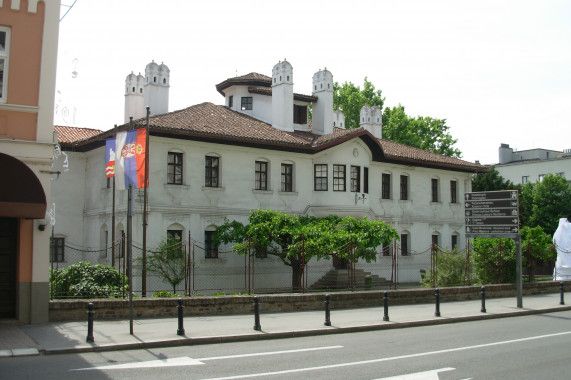
A rare early-19th-century urban residence
Discover A rare early-19th-century urban residence.
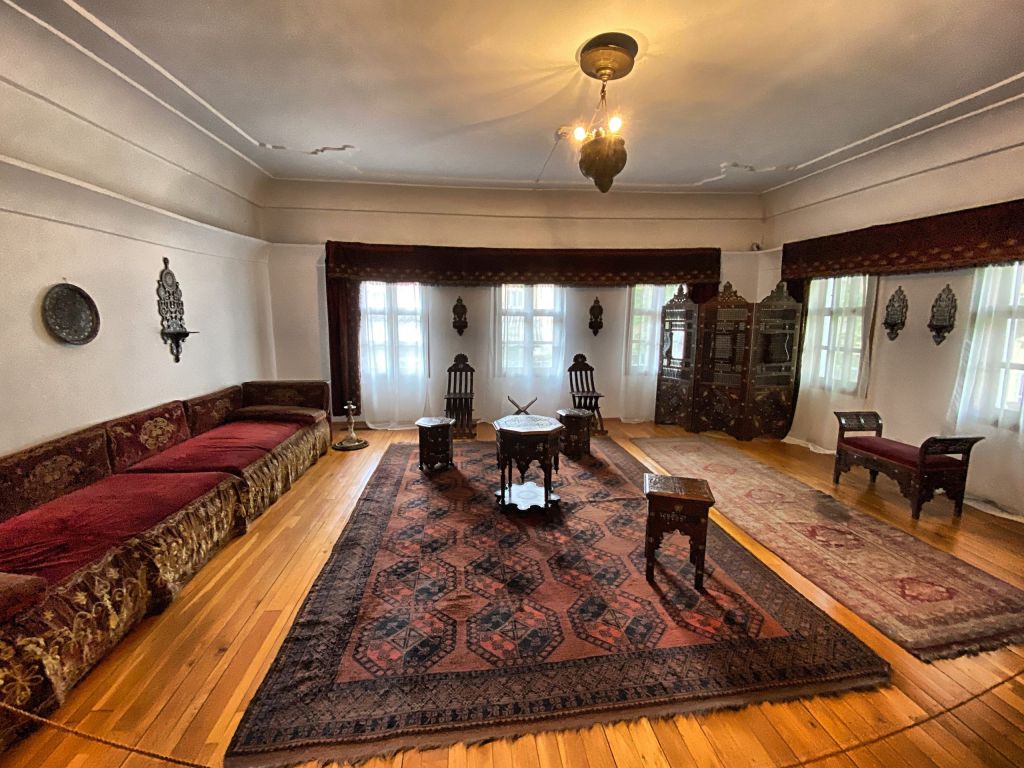
Museum interiors you can read
Discover Museum interiors you can read.
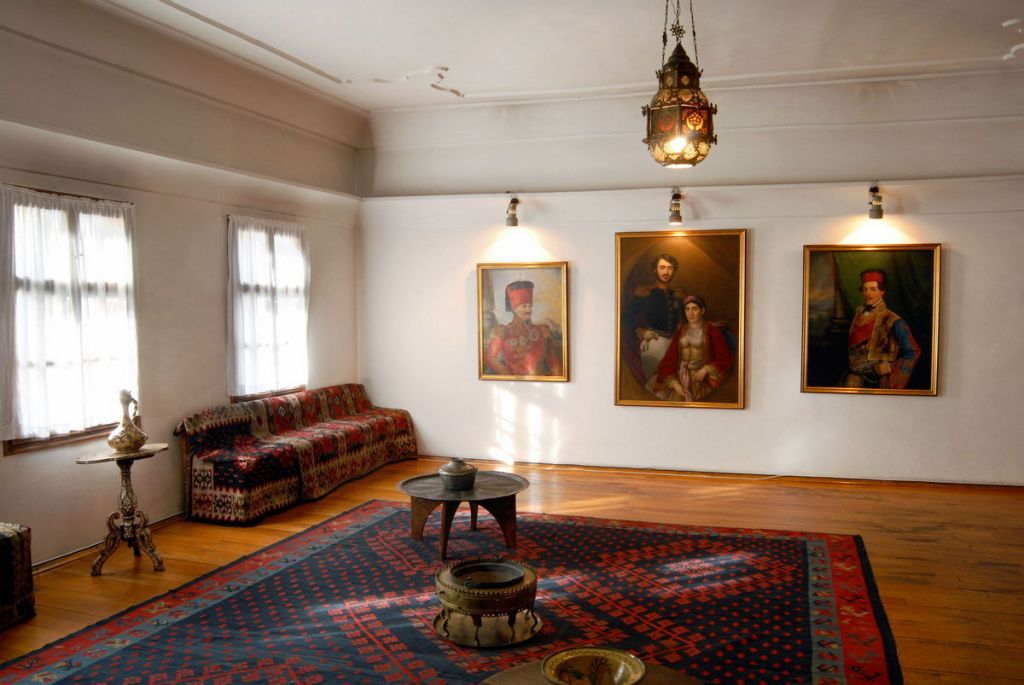
An easy Old Town stop
Discover An easy Old Town stop.
Nearby places to combine with this visit
These nearby pages help you build a compact Old Town walking route around the residence.
Cathedral of St. Michael
Orthodox landmark close to the historic core.
A useful next stop if you want to connect the residence with one of Belgrade’s central religious and architectural landmarks.
- Close by in Stari Grad, Good for a heritage walk
Trg Republike
Main square and city-center orientation point.
Useful for planning the wider route, people-watching, and understanding the central urban layout around the Old Town.
- Central meeting point, Easy route planning
Kosančićev Venac
Historic quarter with riverside views.
A good extension after the residence if you want narrow streets, older urban fabric, and a calmer walking pace.
- Oldest residential quarter, Views toward the river
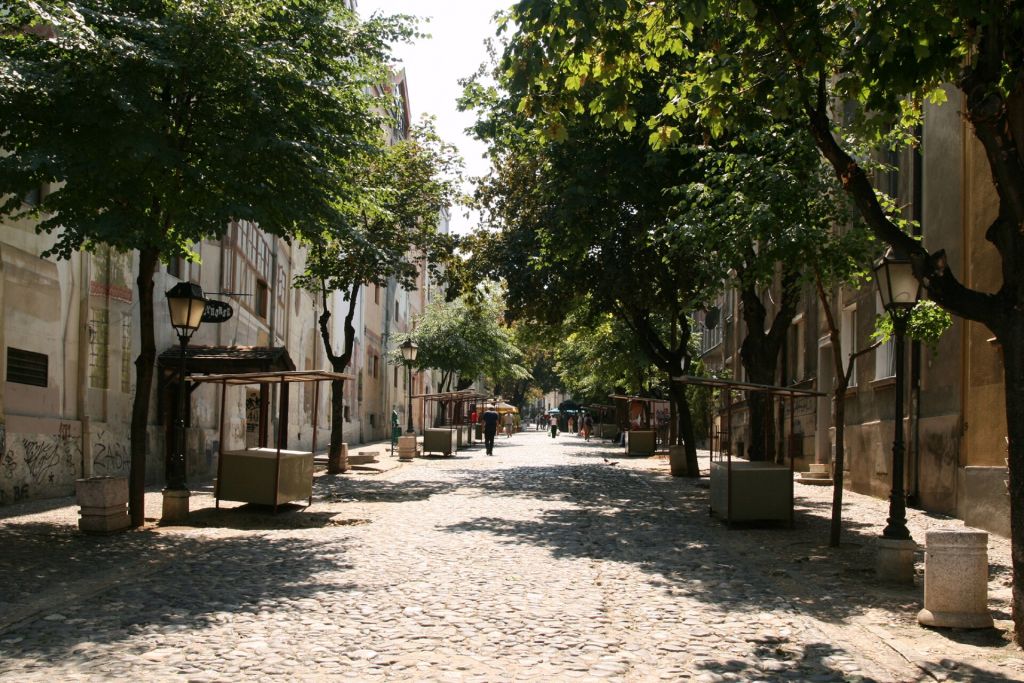
Skadarlija Bohemian Quarter
Historic dining and evening street scene.
Combine museum time with a later stop for atmosphere, kafanas, and a different side of historic Belgrade.
- Dining and atmosphere, Popular evening add-on
Quick facts
1830
A representative residence, now a museum
Original ambience and 19th-century everyday objects
Stari Grad, Belgrade
A walking loop through the historic center
Frequently asked questions
What is the Residenz der Fürstin Ljubica?
It is a representative building from 1830 in Belgrade’s Stari Grad, now used as a museum.
What should I look for during the visit?
Focus on the original ambience and the everyday objects from the 19th century, which help recreate the feel of the house as a lived-in residence.
Is it easy to combine with other sights?
Yes. It fits well into a walking route with the Cathedral of St. Michael, Trg Republike, Kosančićev Venac, and the wider Stari Grad area.
Is this a good first stop in Belgrade?
It is a strong choice if you are interested in history and interiors, but it works best as part of a broader Old Town itinerary.
Plan your Stari Grad walking route
Use the residence as a starting point for a compact historic-center itinerary, then continue through nearby squares, churches, and old streets.