Overview
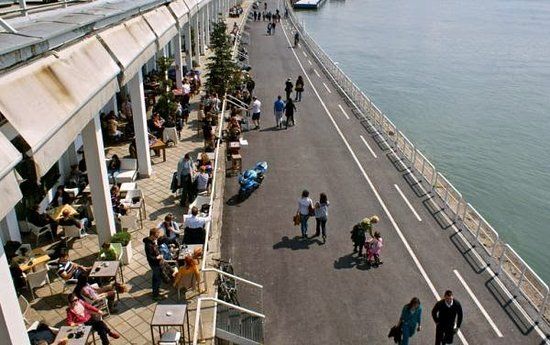
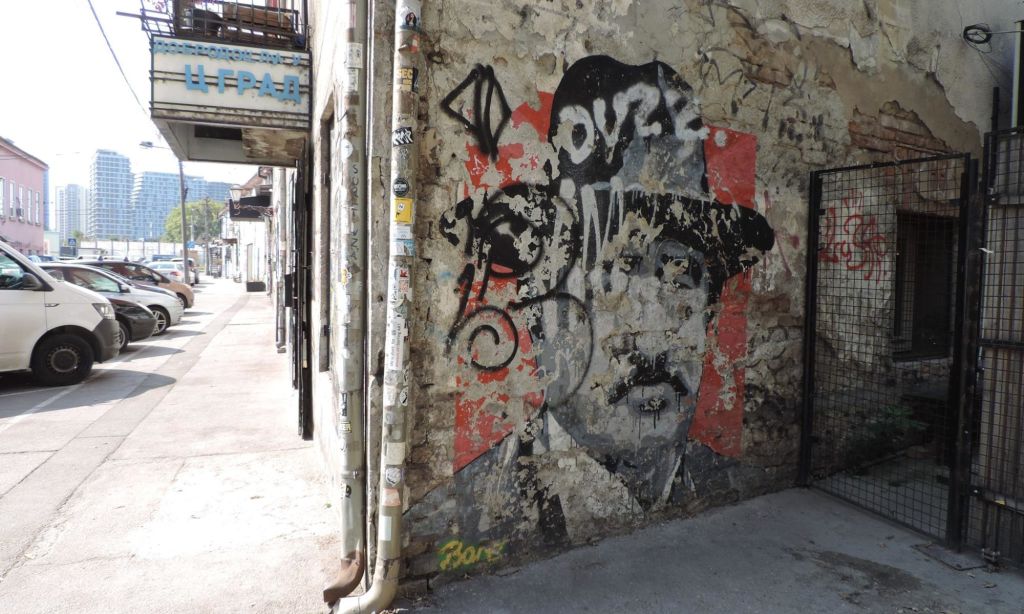
Kulturni centar Grad sits in the part of Belgrade that many travelers now use to read the city’s recent transformation. Savamala was long associated with neglected warehouses, traffic, and a river-adjacent location that many visitors passed through quickly. Over time, however, it became one of the city’s most discussed creative areas, and Kulturni centar Grad is closely tied to that change.
The venue occupies a building from 1884, which gives it a clear historical layer even though its contemporary role is cultural rather than museum-like. That contrast is part of the appeal. You are not looking at a preserved monument with ropes and plaques, but at a working space inside an older industrial shell, where the building’s past supports the district’s present identity.
For international visitors, this makes the stop useful in two ways. First, it offers an easy way to understand how Belgrade reuses older urban structures. Second, it places you within reach of other Savamala and Stari Grad landmarks, so the visit fits naturally into a wider city walk rather than requiring a separate trip.
Why this place matters in Savamala
Kulturni centar Grad is a cultural center in an 1884 warehouse-like building and a birthplace of the Savamala image shift from 2009 onward. For a traveler, that means the venue is best understood less as a single attraction and more as a symbol of change.
This matters because Savamala is often discussed alongside Belgrade’s older central districts, yet its story is different from Kalemegdan, Skadarlija, or the formal civic squares in Stari Grad. Here, the interest lies in adaptation. Rather than monumental architecture alone, the area’s appeal comes from the way ordinary urban fabric was reworked into a destination for contemporary culture.
If you are building a first-time Belgrade itinerary, this helps connect several themes at once: the river, former industrial buildings, nightlife, and the wider conversation about how cities repurpose heritage spaces. Kulturni centar Grad is a practical stop for travelers who want more than a photo and prefer a place that explains a neighborhood.
What travelers should expect
Because this page is grounded in the available source rather than live venue data, it is best to avoid assuming a fixed visitor program, opening schedule, or price structure. What the source does support is the setting itself: a cultural institution in an older building that helped steer Savamala toward its current image.
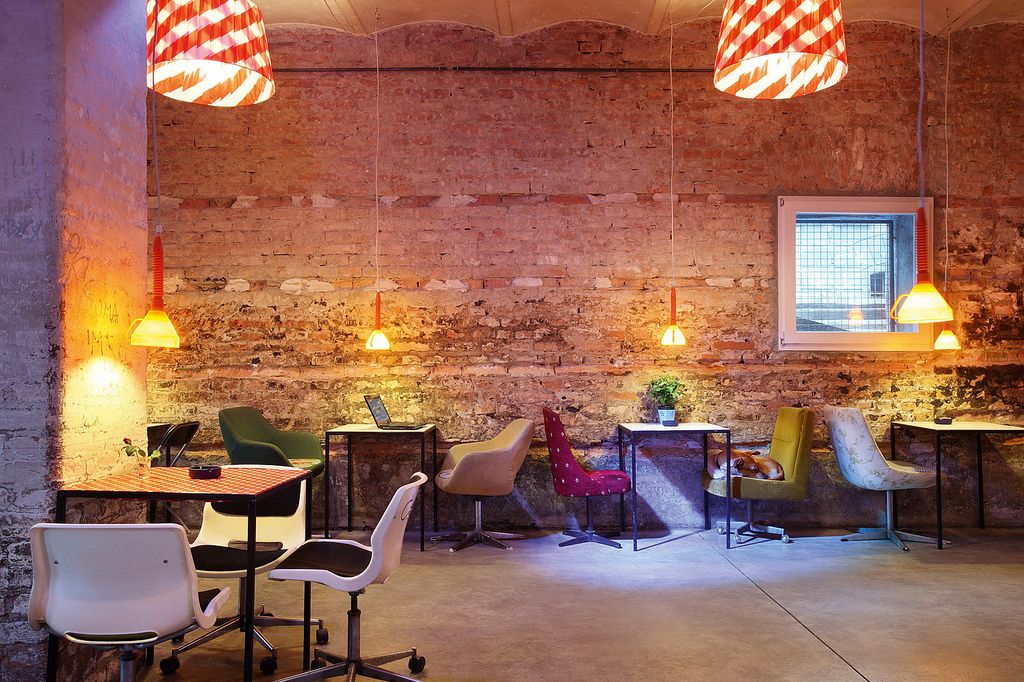
That means the most reliable expectation is an urban one. You come for atmosphere, context, and neighborhood character. The venue works well for travelers who enjoy places where the architecture and the district narrative are as important as the interior programming.
If you are short on time, consider a focused visit that links Kulturni centar Grad with the surrounding blocks. If you have more time, use it as an introduction before continuing to other Old Town or riverside attractions elsewhere in Stari Grad.
What makes this worth your time
Kulturni centar Grad, Belgrade works best for visitors already exploring Savamala and the riverfront. Walk from Republic Square in about 15 minutes or take bus lines to Brankov most, then continue on foot. Check the event calendar before going, since opening hours follow programs and late arrivals may miss the main entrance courtyard.
Last checked
Last checked: 2026-06-09. We review this page regularly and update practical details such as opening hours, ticket guidance and transport when they change.