See a new layer of Belgrade
Discover See a new layer of Belgrade.
Belgrade Waterfront is a large contemporary development on the Sava riverfront in Belgrade. It is closely tied to the transformation of Savamala, where older industrial and riverside spaces have been reworked into a modern urban district.
For travelers, the area is less about a single landmark and more about the overall cityscape: long promenades, new architecture, and views across the river. The 168 m Belgrade Tower is the most prominent reference point in the project.
If you are already exploring Savamala, this is the natural next stop. If you want to place it in the wider Old Town context, start with the Stari Grad Belgrade Travel Guide.
Belgrade Waterfront is one of the clearest examples of Belgrade’s recent urban change. Built on the Sava riverfront, it introduces a highly modern landscape into a part of the city long associated with industry, transport corridors, and the evolving identity of Savamala. For visitors, that contrast is the main reason to include it in a city walk.
The area is not a heritage district in the classic sense. Instead, it is a contemporary development that sits in conversation with older parts of central Belgrade. This makes it especially relevant if you are tracing the route from Trg Republike or the pedestrian core down toward the river, or if you are pairing it with nearby historic stops such as the Old Railway Station and Kosančićev Venac.
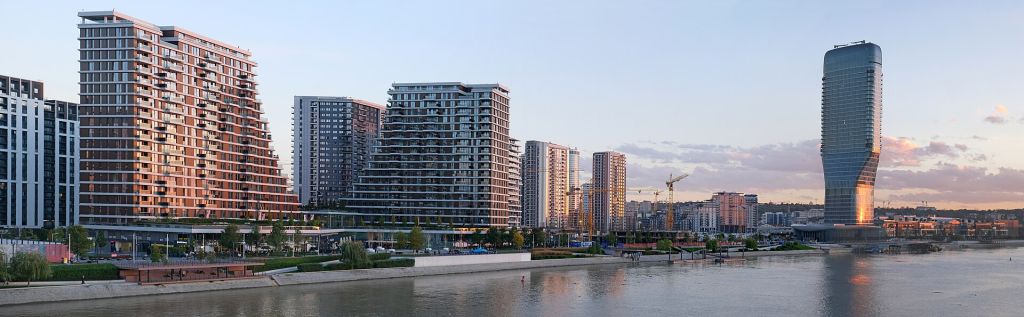
The visual identity of the district is defined by new towers, broad open areas, and a planned riverside setting. The best-known element is Belgrade Tower, which rises to 168 m. Even if you are not focused on architecture, its scale makes the riverfront skyline easy to recognize from several points in the city.
As a travel stop, Belgrade Waterfront is most useful when you approach it with context. It helps explain how Belgrade is expanding and reimagining its river edge, and why the Sava side of the city now feels very different from the older streets just uphill.
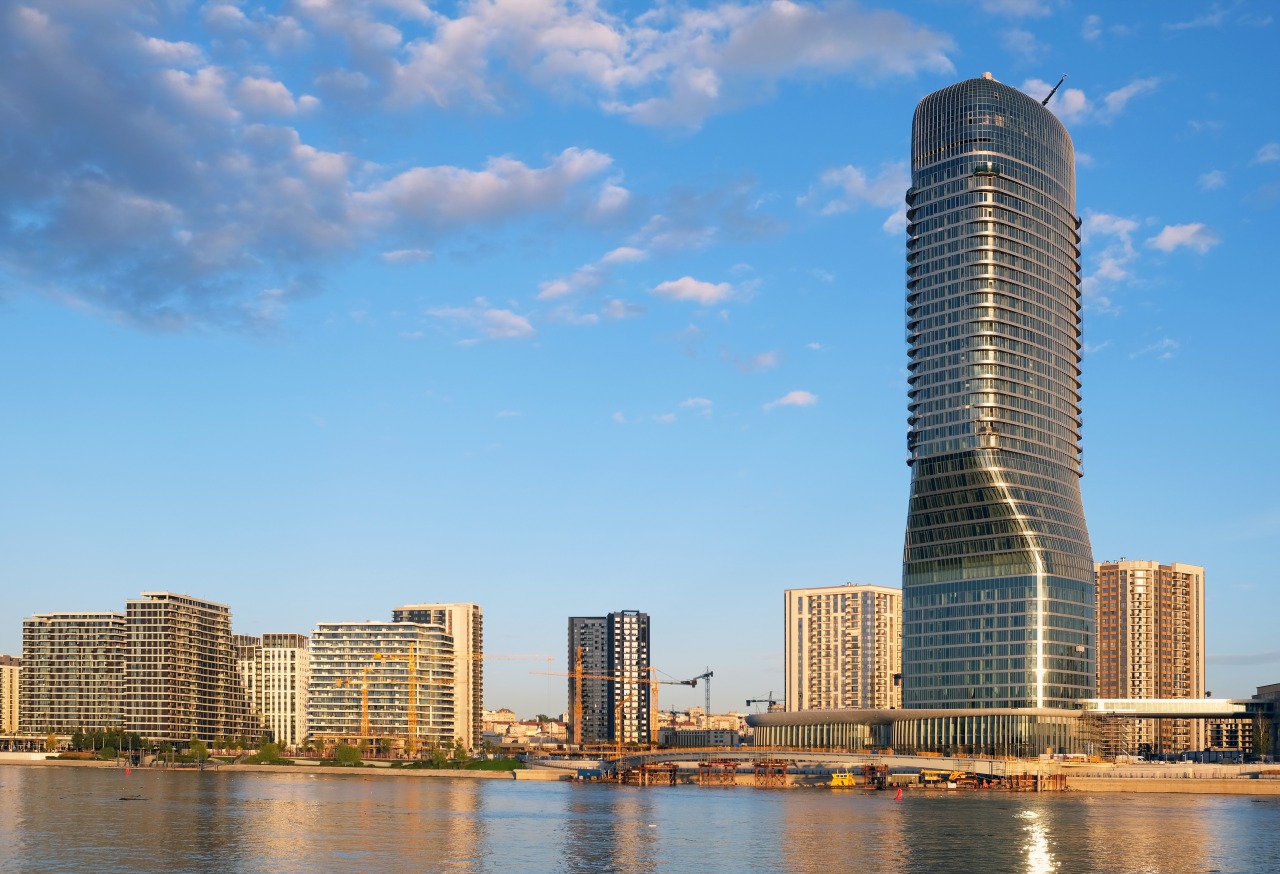
Belgrade Waterfront Tower
A curved high-rise rises above riverside apartment blocks at Belgrade Waterfront along the Sava River
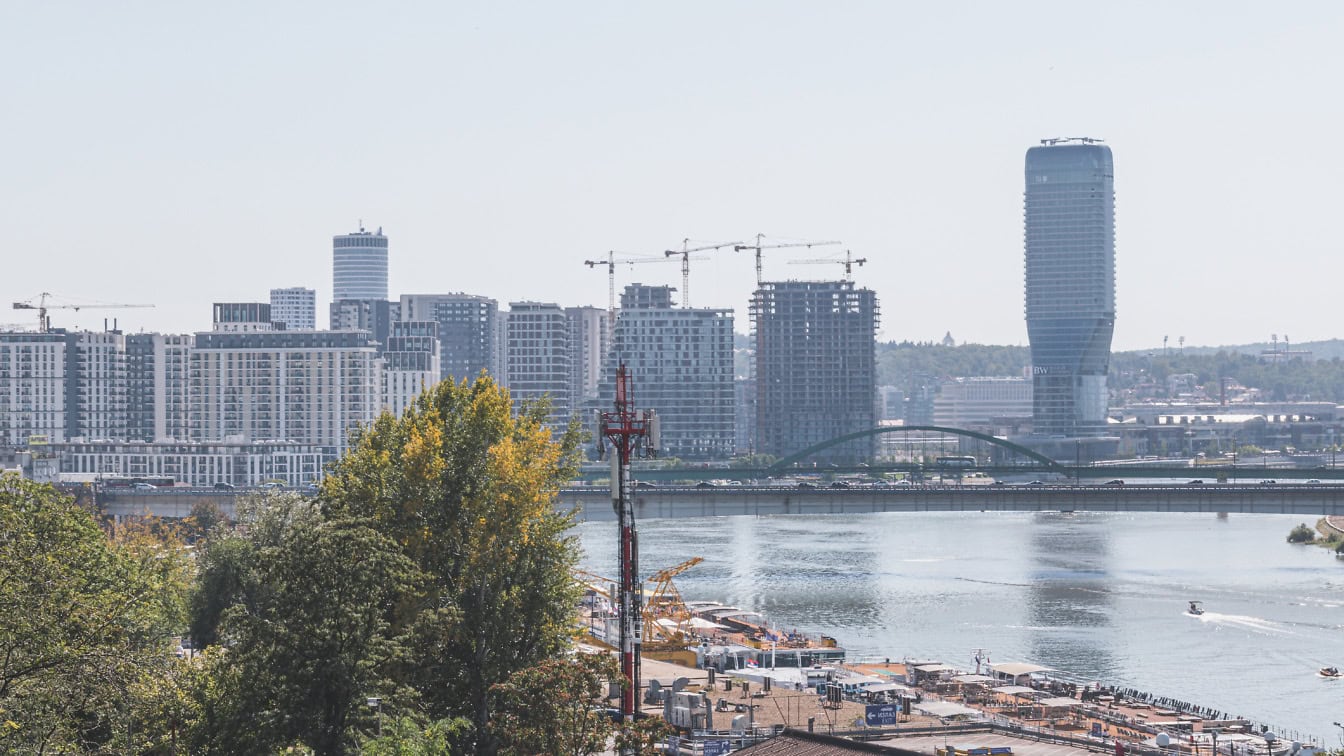
Belgrade Waterfront skyline
High-rise towers and cranes line the riverfront at Belgrade Waterfront, with the Sava River and bridge in view
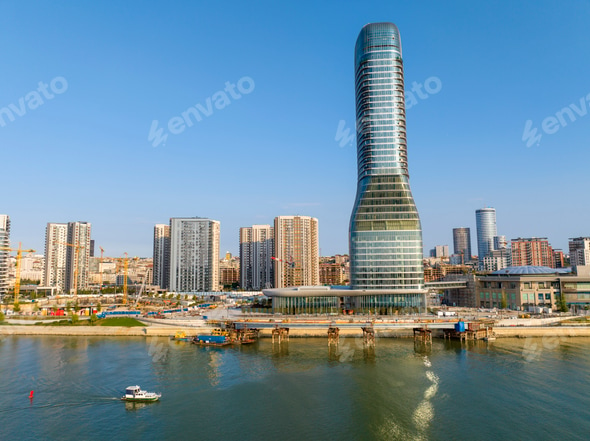
Belgrade Tower skyline
Belgrade Tower rises above the riverfront buildings at Belgrade Waterfront, with the Sava River in the foreground
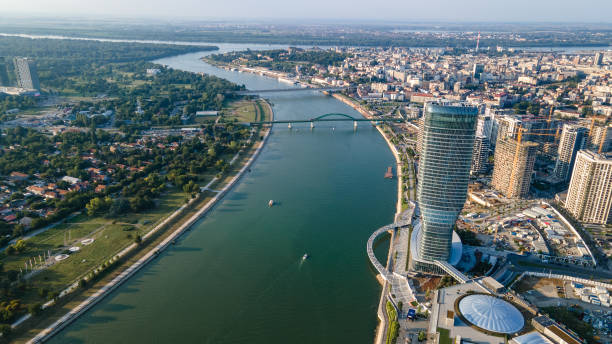
Sava River Skyline
Aerial view of the Sava River and modern towers at Belgrade Waterfront, with bridges stretching across the water
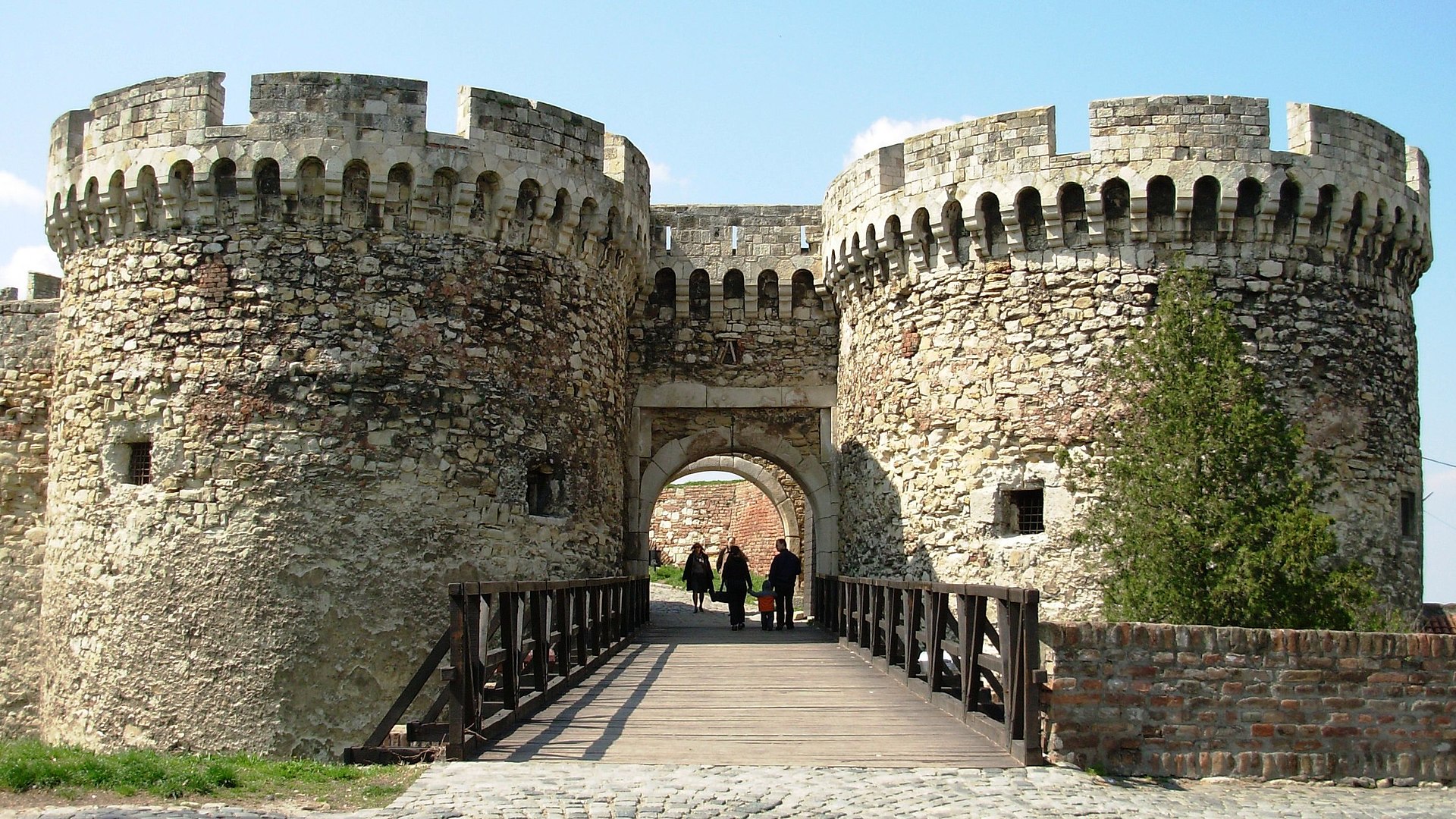
Stone Fortress Gate
A medieval stone gate with round towers and a wooden bridge stands at Belgrade Waterfront near the fortress walls
The easiest way to visit Belgrade Waterfront is on foot as part of a longer central Belgrade walk. Because the area is embedded in the city rather than separated from it, it makes sense to combine it with nearby neighborhoods and monuments instead of treating it as a standalone excursion.
A practical route starts in the historical core, continues through Stari Grad, and then heads toward the river through Savamala. Along the way, you can add landmarks such as the Residence of Princess Ljubica, Cathedral of St. Michael, or the bohemian streets around Skadarlija.
If your trip includes the riverside, the waterfront also pairs well with the broader Belgrade nightlife scene, especially if you want to compare the daytime promenade with the city’s evening river culture. For that context, see Belgrade Nightlife.
Because this is a redevelopment zone, it is best approached as a living urban district rather than as a museum-like site. Give yourself time to notice the scale, the river views, and the contrast between this modern frontage and the older urban fabric nearby.
Visit on foot, ideally as part of a route through Savamala and the historic center. That approach gives you the clearest sense of how the project fits into the city.
Expect a modern riverside setting with large-scale development, contemporary architecture, and open riverfront space rather than a dense collection of historic sights.
Pair it with the Old Town, the riverfront, and heritage stops like Kalemegdan or the nearby Stari Grad churches and museums for a fuller first-time visit.
If you are short on time, use Belgrade Waterfront as a short stop between other central attractions instead of a separate half-day outing.
Discover See a new layer of Belgrade.
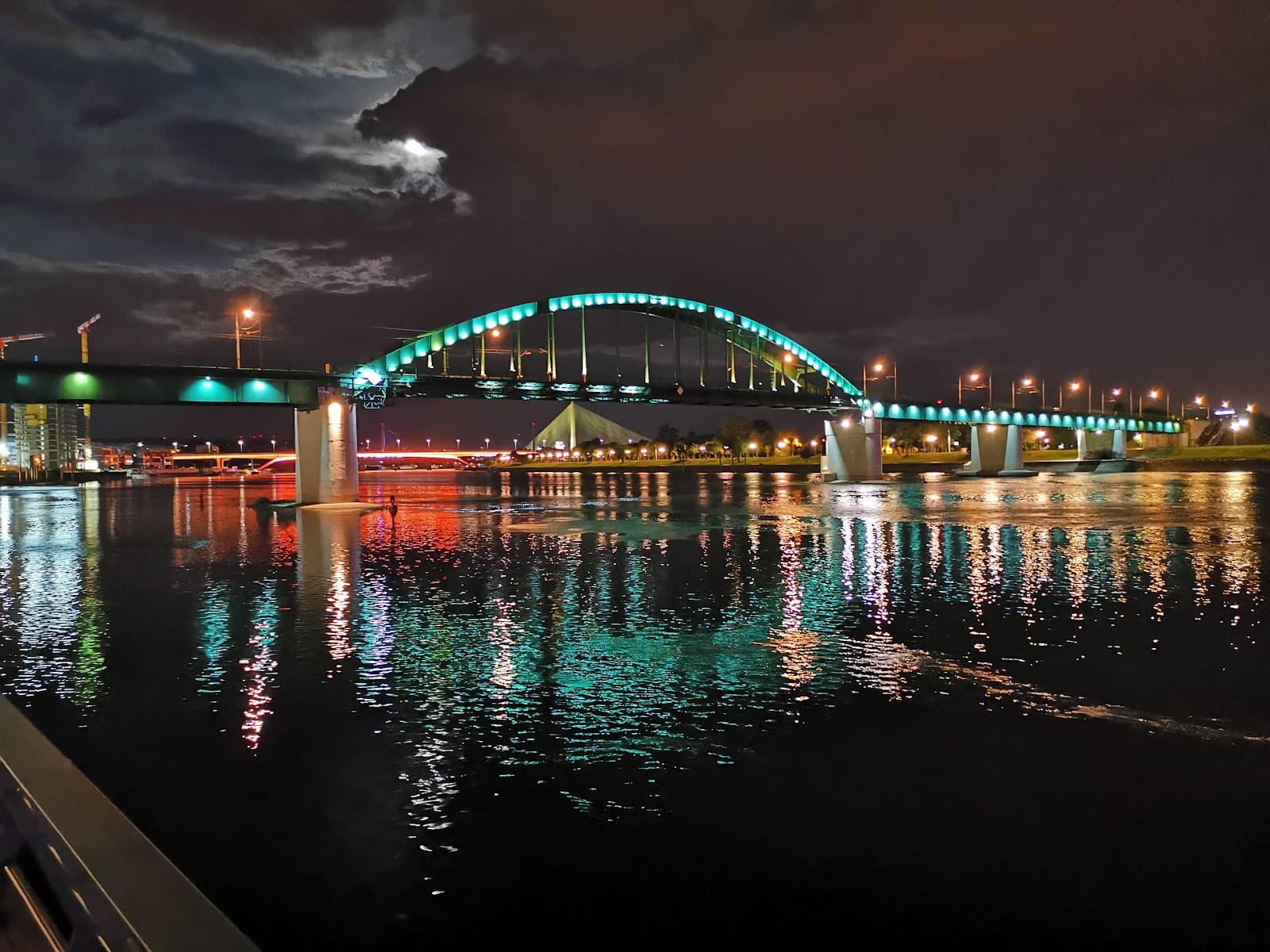
Discover Walk the Sava edge.
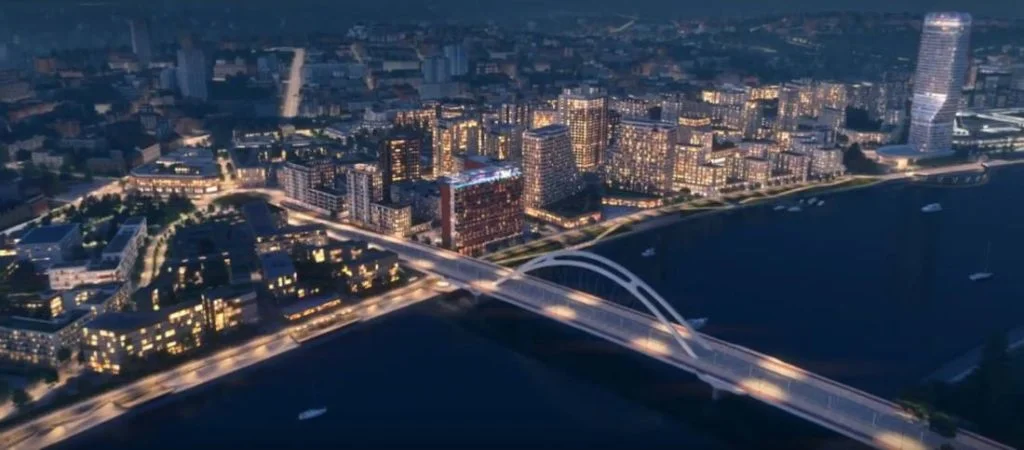
Discover Use it as a connector.
These are the most useful nearby stops for a balanced riverside and Old Town walk.
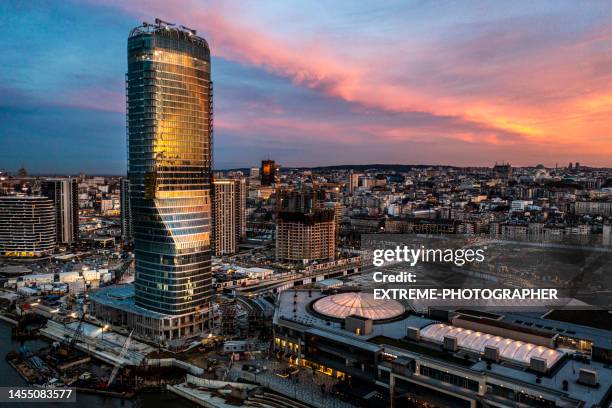
Savamala
Creative quarter and the immediate urban context for the waterfront.
The best starting point for understanding the district is the wider Savamala area, where old infrastructure, art, nightlife, and redevelopment meet along the river approach.
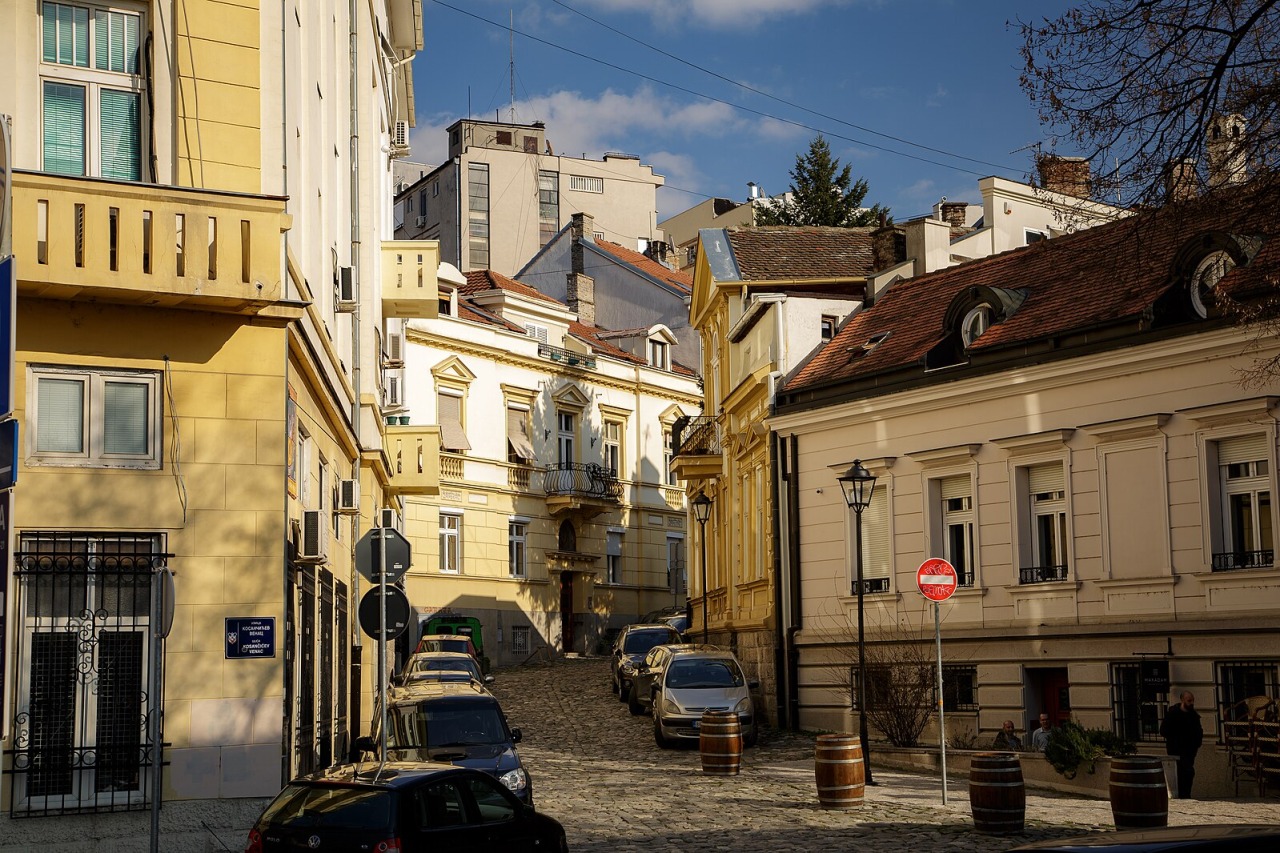
Kosančićev Venac
Historic riverside quarter above the Sava bank.
A useful contrast to the waterfront, with older streets, views, and a more layered historic feel just uphill from the river edge.
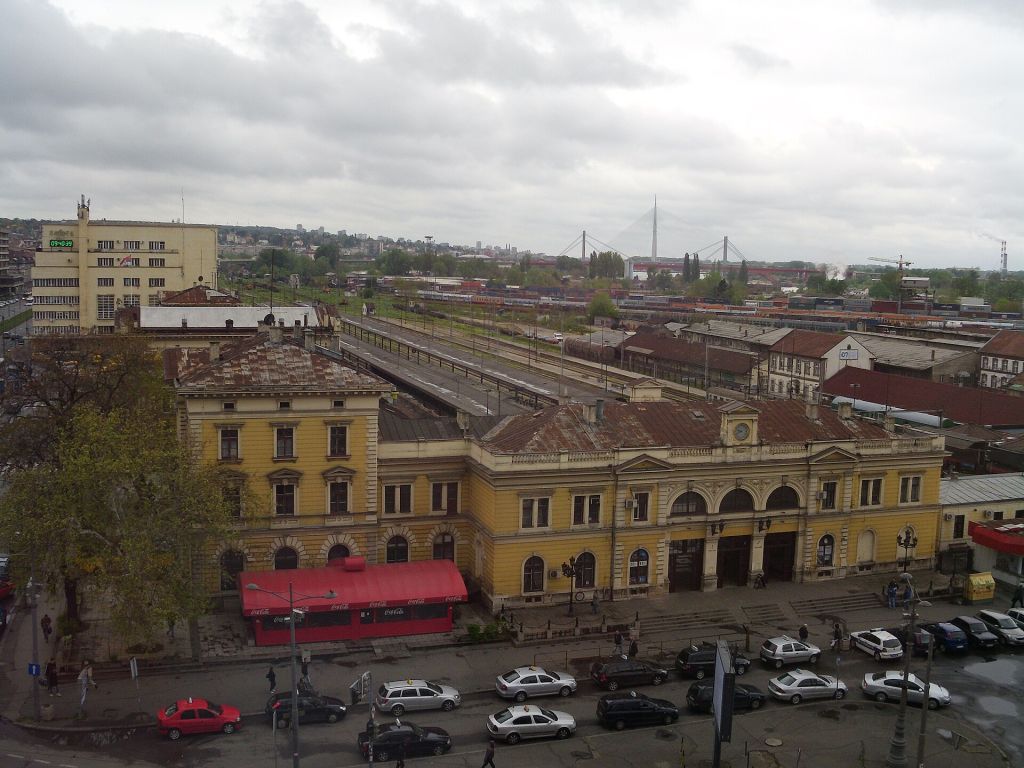
Old Main Station
Historic former station in the Stari Grad area.
Useful for travelers interested in the way old transport and new development overlap in central Belgrade.
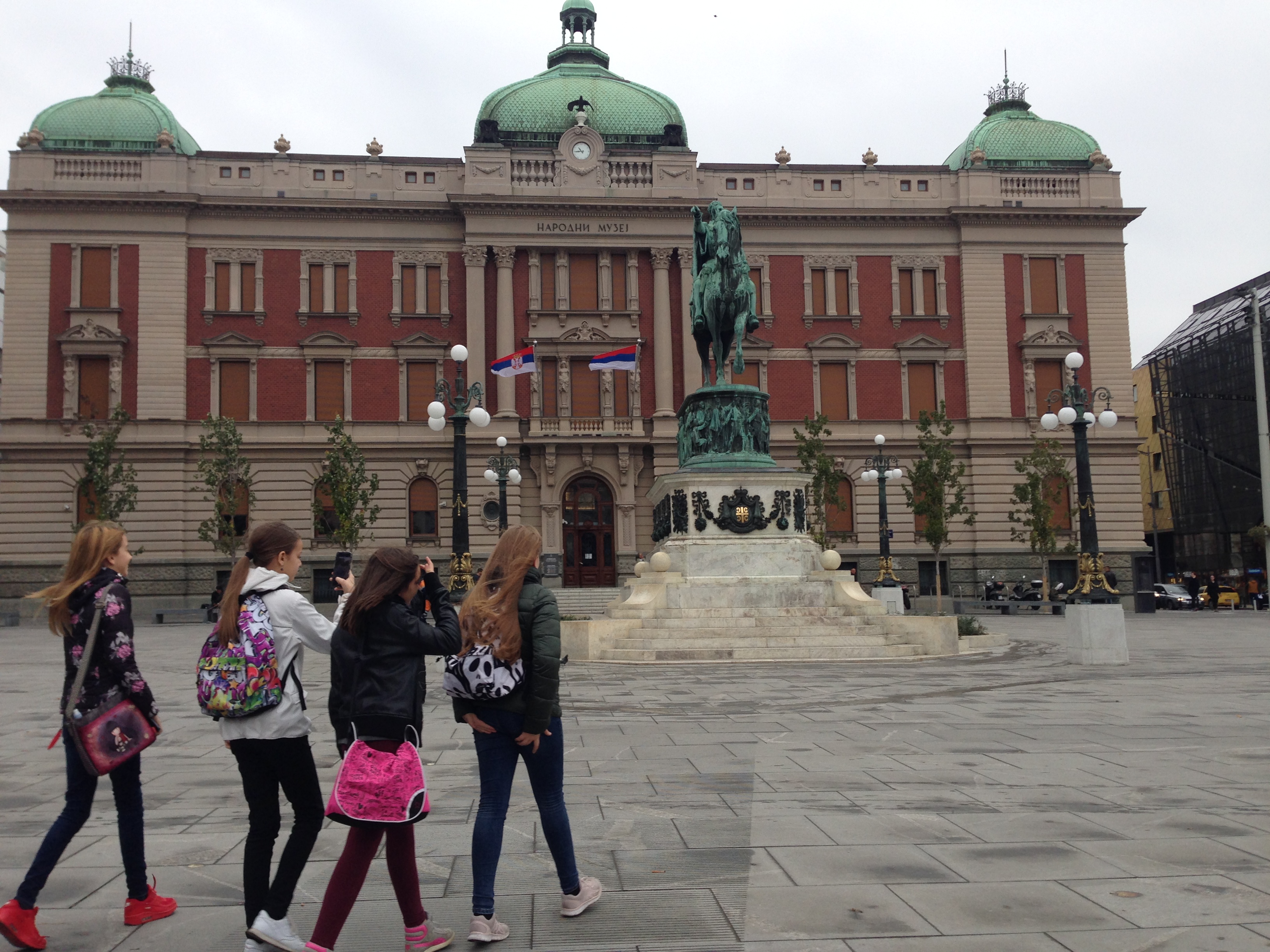
Trg Republike
Central square that anchors many city-center walks.
A practical reference point for orienting yourself before heading down toward the Sava and the waterfront district.
We recommend Belgrade Waterfront for visitors who want an easy riverside walk, dinner, or skyline photos. Start from Brankov Bridge or the Sava Promenada and continue toward the Galerija mall. Use public transport or a taxi, since parking fills quickly. Visit at sunset and avoid judging the area only from the main road.
Large riverside redevelopment and city district
Sava riverbank in Belgrade, within the Savamala area
Belgrade Tower, 168 m
Best for walking, photography, and understanding modern Belgrade
Often visited as part of a broader Old Town and riverside itinerary
Savamala and the adjacent riverfront walks
No. It is a modern riverside redevelopment. It is worth visiting mainly to understand current urban change in Belgrade and to enjoy the Sava river setting.
Belgrade Tower is the best-known reference point and reaches 168 m.
With other sights. It works best as part of a broader route through Savamala, Stari Grad, and the riverfront.
Yes, if you want to see a different side of the city. It adds modern context to the historic center rather than replacing it.
Start with the parent guide to Savamala, then continue to the Stari Grad Belgrade Travel Guide for the wider Old Town picture.
Use Belgrade Waterfront as one stop in a larger route that includes Savamala, the Old Town, and the historic riverside quarters nearby.
Stay connected in Serbia