Why Zeleni venac matters
Zeleni venac is one of central Belgrade’s most useful reference points: it functions as a transport knot, has a market character, and sits close to the routes that connect Savamala, the riverfront, and the city center. For travelers, it is less about sightseeing in a single monument and more about understanding how locals move, shop, and cross through the area.
It is a good stop if you want to combine everyday city life with nearby walks to Savamala, Beton Hala, and the wider Stari Grad core.
What Zeleni venac is like
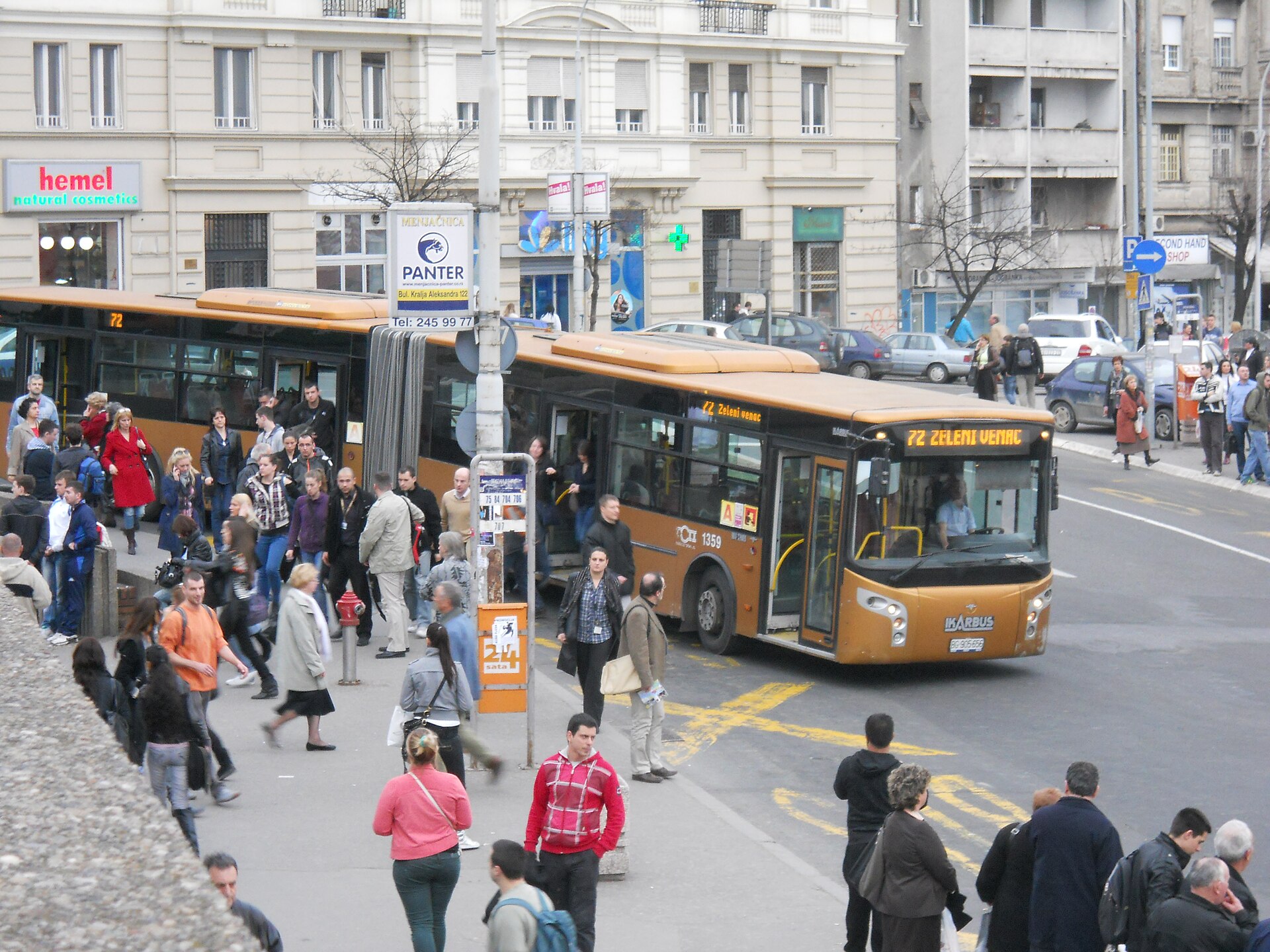
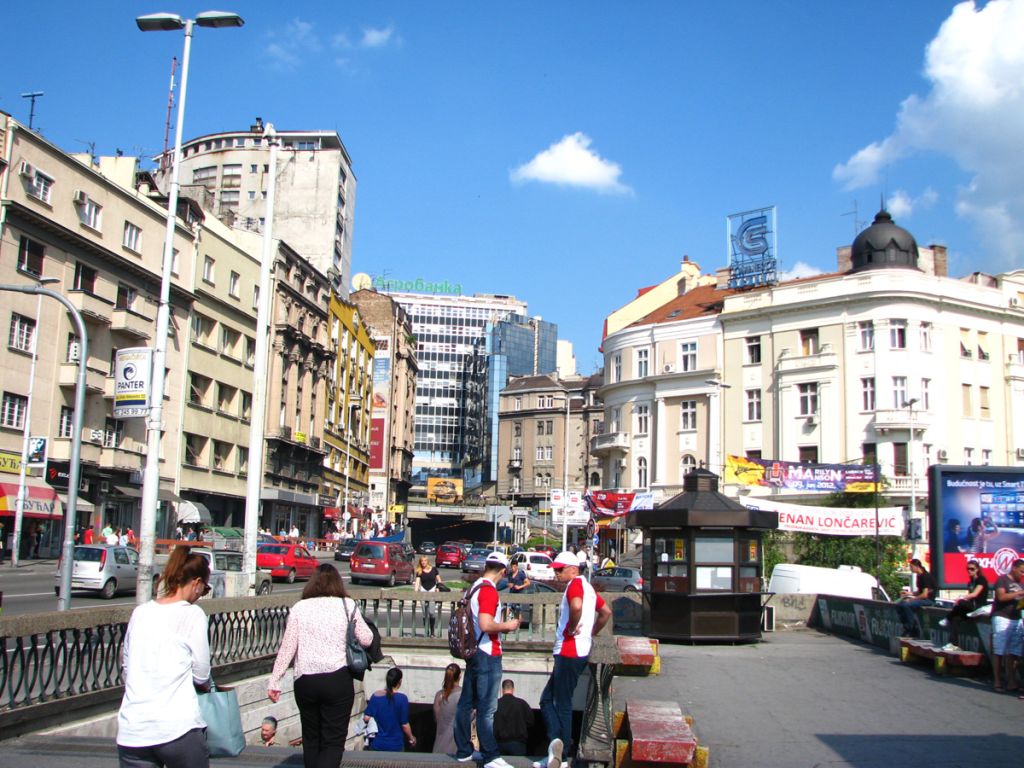
Zeleni venac is best understood as a working urban junction. The area brings together buses, pedestrian movement, shopping routines, and the market function that gives it a distinct everyday rhythm. Unlike Belgrade’s more obviously tourist-facing quarters, it is a place you pass through, wait in, and use to orient yourself.
That makes it especially useful for first-time visitors who want to understand the city beyond the postcard layer. The market setting, the flow of commuters, and the position close to the Sava river side all help explain how Belgrade connects its historical center to newer riverside development.
If you are already exploring Savamala, Zeleni venac can be part of the same walkable area. It links naturally with the streets leading toward Beton Hala and the broader river corridor, while also staying close to the central city grid.
Market life and transport connections
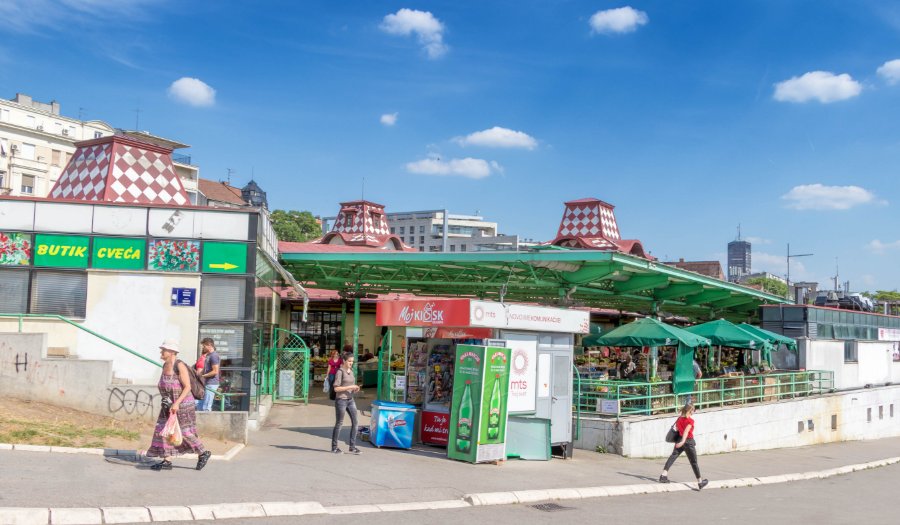
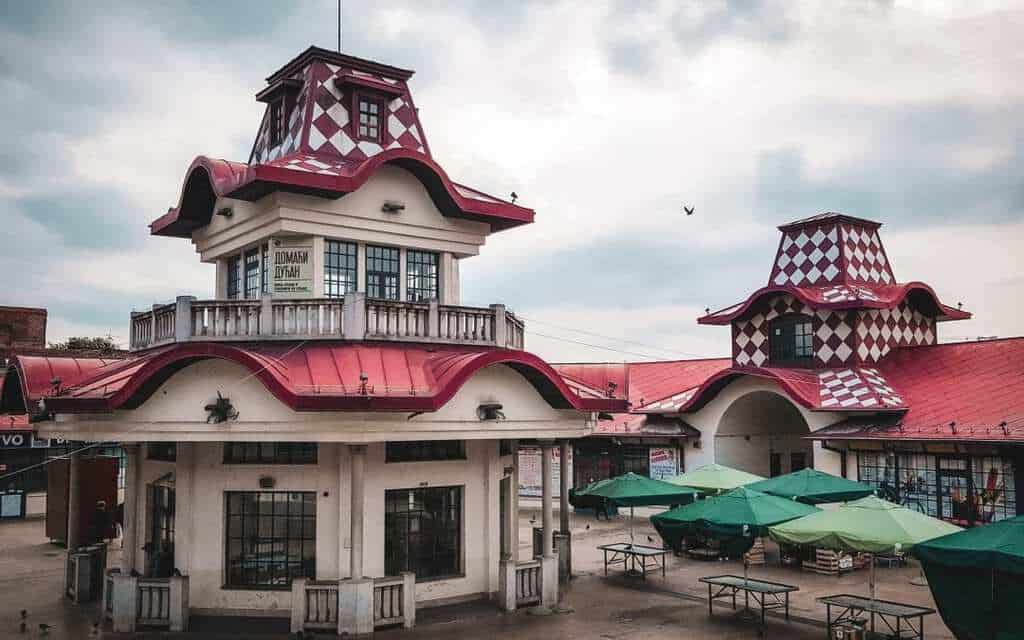
The editor note for this page captures the key idea well: Zeleni venac is a central Belgrade transport hub with a farmers’ market and attractive market halls. For travelers, that combination means you can see a side of the city that is practical rather than staged.
The market setting is what makes the area worth a pause. Even if you are not planning to shop, the halls and surrounding pedestrian activity show how central Belgrade still functions as a place for daily errands and short urban crossings. This is useful context if you are studying the city’s layout or planning to walk from Stari Grad toward Savamala and the river.
Because the area is busy, it works best as a place to orient yourself, make a transfer, or start a route rather than linger for a long sit-down visit. Travelers who like urban photography may find the moving crowd, buses, and market frontage more interesting than a conventional sightseeing stop.
How to use Zeleni venac on a trip
The most practical way to approach Zeleni venac is to treat it as a gateway rather than a destination in itself. If you are staying in central Belgrade, it can be a convenient starting point for moving between the historic core, Savamala, and the riverside zone.
It is also a good reference point if you are planning a mixed-day itinerary. A morning around the Old Town, a midday crossing through the market area, and an evening near the river or in Savamala creates a clear urban route without unnecessary backtracking.
For travelers interested in local atmosphere, the area rewards a slower look at the market halls and the flow of people. For travelers focused on logistics, it is one of the clearest points in central Belgrade for understanding where routes meet and how the city’s core connects.
Map: Zeleni venac in central Belgrade
Use this map to place Zeleni venac within Belgrade’s central walking and transit network.
Nearby places to combine with Zeleni venac
These pages help you build a realistic walk through central Belgrade, from the market area toward Savamala, the riverfront, and the historic center.

Savamala
Creative quarter and river-edge district with urban change, walks, and nightlife connections.
Use Zeleni venac as a starting point for understanding how the market area links into Savamala’s streets and riverside corridor.
- Creative quarter context, Riverside access, Urban walking route

Beton Hala
Riverside dining and nightlife area close to the Sava promenade.
A natural next stop after passing through Zeleni venac if you want food, river views, and an evening atmosphere.
- Riverfront dining, Nightlife zone, Walkable from Savamala

Belgrade Waterfront
Modern Sava riverside redevelopment with a very different cityscape.
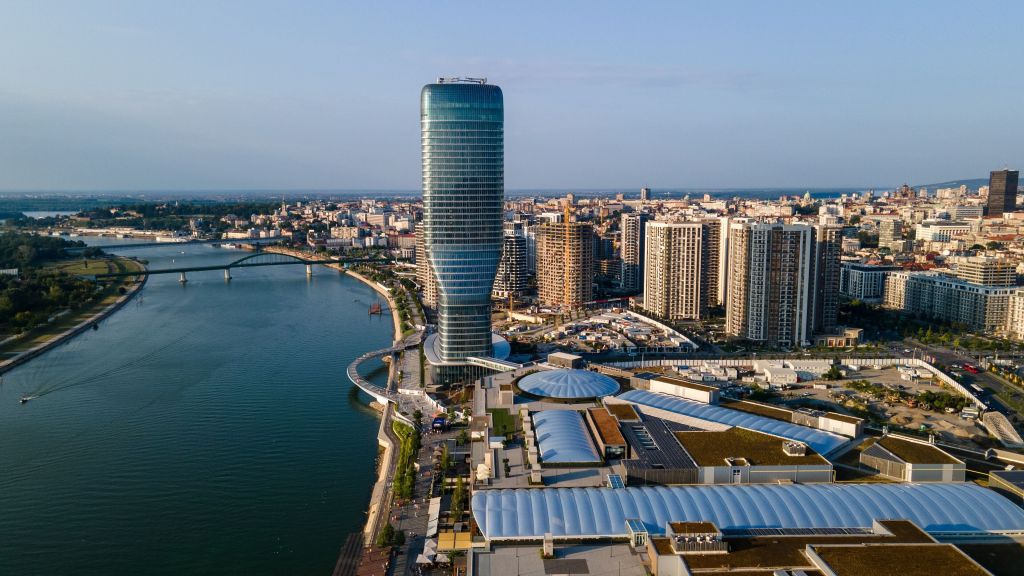
Useful for seeing how Belgrade’s old market and transport core contrasts with newer riverside development.
- Modern redevelopment, Sava riverfront, City planning contrast

Stari Grad Belgrade Travel Guide
Broader old-town context for landmarks, streets, and city-center planning.
If Zeleni venac is part of your route, this guide helps you place it within the larger historic core of Belgrade.
- Old Town overview, Central orientation, Linking neighborhoods
Quick facts
Central Belgrade, at the edge of Savamala and Stari Grad
Transit, market atmosphere, and starting city walks
Savamala, Beton Hala, and the riverfront
If your goal is sightseeing, use Zeleni venac as a connector between better-known stops rather than a standalone highlight. If your goal is to understand the city, spend a few minutes observing the market halls and the movement of buses and pedestrians before continuing toward Savamala or the old town.
Frequently asked questions
Is Zeleni venac a sightseeing attraction or a transport area?
It is primarily a transport and market area, but that is exactly why many travelers notice it. It helps you understand how central Belgrade works in everyday life.
Can I combine Zeleni venac with Savamala on foot?
Yes. It is contextually connected to Savamala and works well as part of a central Belgrade walking route.
What should I expect to see there?
Expect a busy urban junction, market halls, commuter movement, and a practical city atmosphere rather than a single landmark.
Is Zeleni venac useful for first-time visitors?
Yes, especially if you want to orient yourself in the city and connect the historic center with the riverfront and Savamala.
Plan a central Belgrade route
Use Zeleni venac as your bridge between the city’s market life, Savamala, and the riverfront.