Ram village, Eastern Serbia; exact posted entrance details should be checked locally

Ram is a compact Danube heritage stop centered on a restored Ottoman fortress. Go for the river-facing position, the defensive architecture, and the wide-open setting rather than for a long programmed visit.
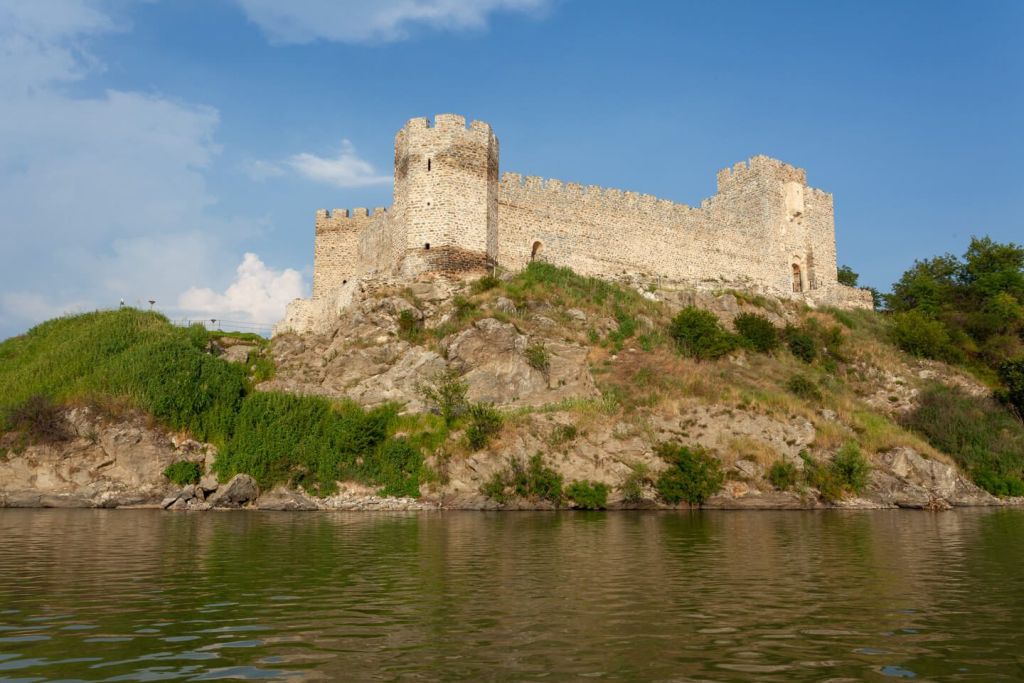
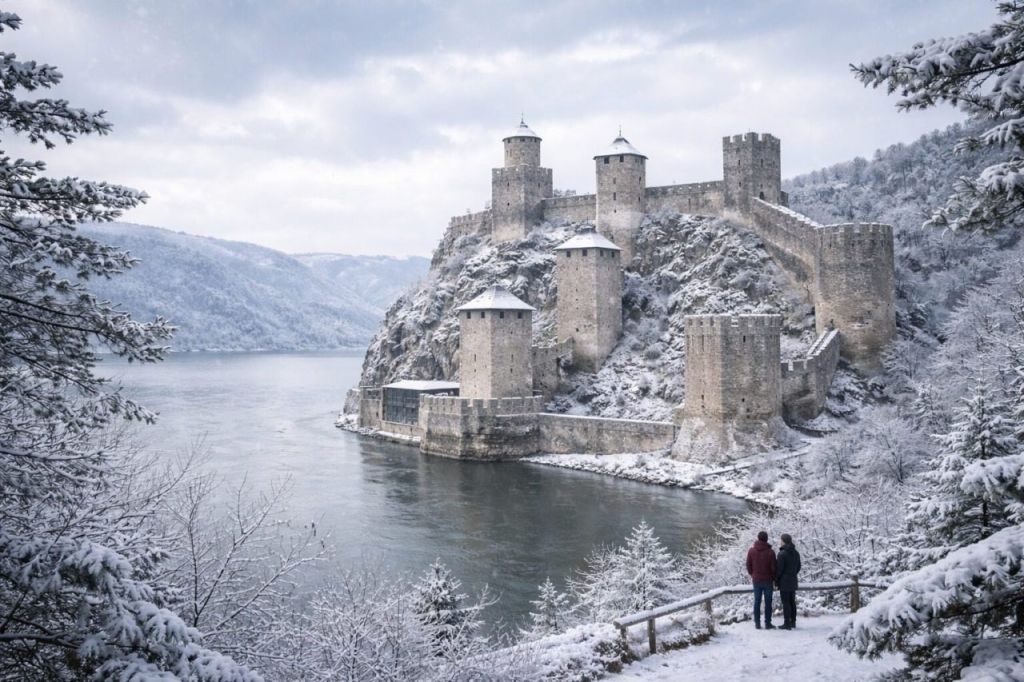
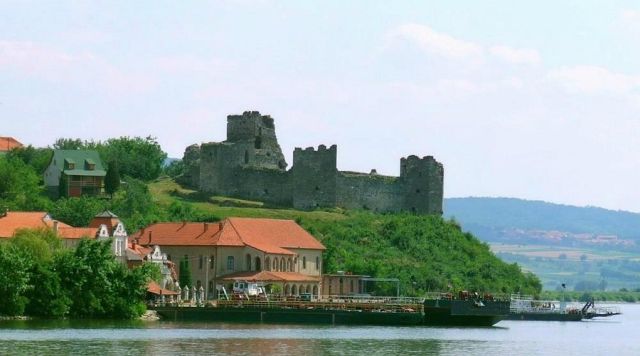
Ram is a Danube fortress in Eastern Serbia, set above a notably wide stretch of river. The source material frames it as an Ottoman stronghold and notes its renovation with Turkish funding. What visitors come for is the combination of masonry, defensive geometry, and the sense of exposure above the water rather than a long museum-style visit. The mood is open, windy, and quiet, with the river doing much of the work. In a wider river itinerary, Ram fits naturally with Navigating the Danube in Serbia as a short historical stop focused on position and view.
Ram’s defining speciality is not urban atmosphere, restaurant clustering, or a large archaeological complex. It is the way an Ottoman defensive site is placed in direct relationship to the Danube. The wide river setting matters: it gives the fortress an exposed horizon, a stronger sense of watchfulness, and a clearer reading of why this point mattered. The restoration also shapes the experience. You are looking at a site that has been actively conserved rather than left as a ruin. That makes Ram especially useful for travelers who want a concise Danube stop with clear visual payoff. If you are building a longer historical route, Ram pairs well with Viminacium because the two places speak to very different eras on the same broader river corridor.
Focus on the setting as much as the walls.
Fortress geometry
Look at how the fortress reads as a defensive structure first: walls, angles, and control of approach.
Danube horizon
The width of the river is part of the experience and changes how exposed the site feels.
Restoration work
The visit is shaped by conservation, since the source identifies Ram as a renovated fortress.
Wind and weather
Open river locations can feel very different depending on season, cloud cover, and wind.
Ram is best approached as a road trip stop rather than by urban public transport. The source set for this topic does not provide confirmed local bus line numbers, stop names, taxi fares, or parking tariffs, so it is better to check current routing before departure through Serbia Transit Search: Buses, Trains & Practical Route Planning and local mapping apps. In practical terms, most international visitors reach Ram by car or private transfer from the wider Smederevo and Braničevo area. Walking directions are simple once you are in the village: the fortress is the obvious target above the river. If you are driving a Danube route, Ram works better as a same-day detour than as a transport hub.
Because on-site transport detail is not confirmed in the supplied source, build in flexibility and avoid arriving close to dusk unless you already know current access conditions.
The best time to visit Ram is when visibility over the Danube is good and the light helps the fortress stand out against the river. Morning and late afternoon are usually the most rewarding for photos because the site’s main appeal is spatial rather than indoor. A dry day is preferable, and windy conditions can make an exposed stop feel shorter than planned. Since the source material does not confirm ticket desk hours, guided visits, or seasonal opening routines, avoid building an itinerary that depends on a narrowly timed entry slot. Ram is most useful as a flexible stop on a larger Danube day rather than a fixed-hour attraction.
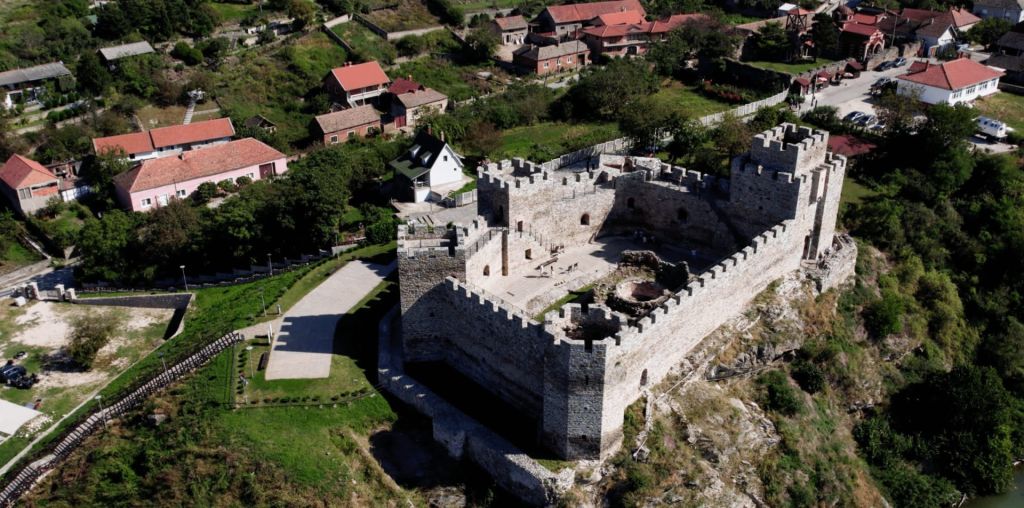
Expect a short, outdoor, visually focused stop. Ram is not presented in the supplied source as a large complex with many separate visitor services. The draw is the fortress itself, the restoration, and the broad Danube outlook. Wear stable shoes, especially if surfaces are uneven or if weather has made the approach slippery. Dress for exposure rather than for an indoor museum. Families can include Ram in a road trip if children are comfortable with brief historical stops and open edges require normal supervision. Accessibility may be limited by terrain and historic fabric, so travelers needing step-free access should confirm conditions locally before arrival.
For a wider regional plan, Ram also makes sense alongside the broader Eastern Serbia Guide or as a Danube-history pairing with Smederevo on another day.
Tell us where you want to go and how you travel. We reply within two working days with a tailored plan.
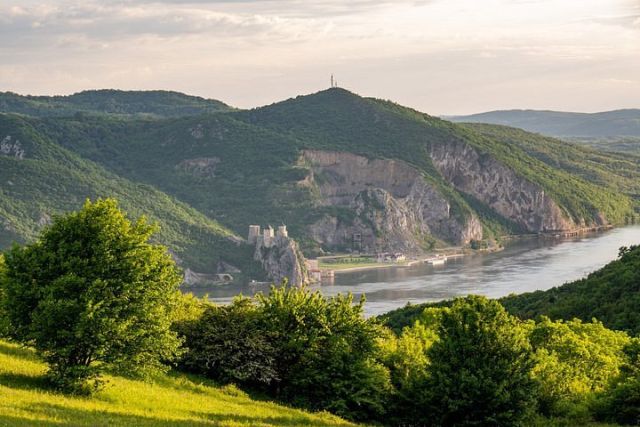
Ram sits on the Danube in Eastern Serbia.
These are the most useful points to focus on for a first visit. Where the source does not confirm visitor-service details, that is stated directly.
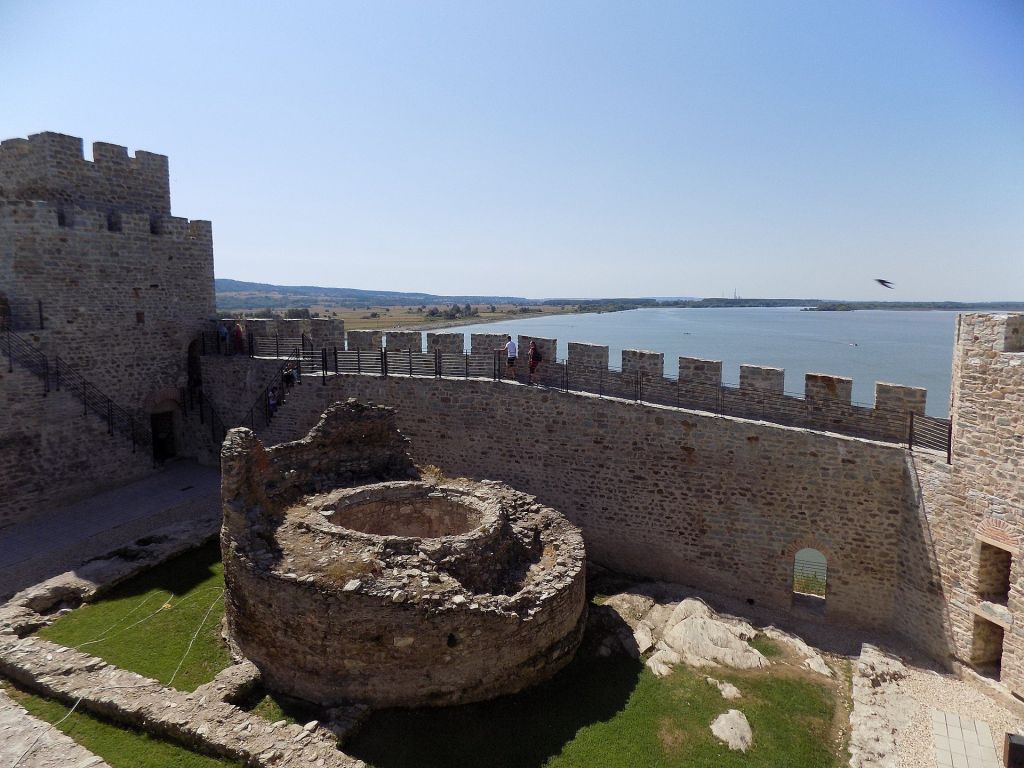
Ram Fortress
The core historic site.
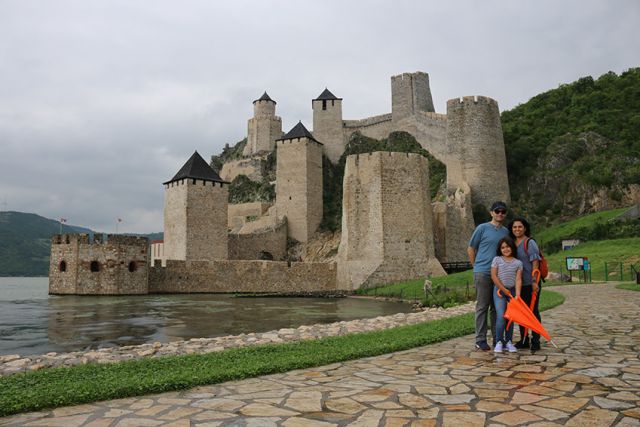
The main reason to come to Ram: an Ottoman fortress restored with Turkish funding and positioned above a wide reach of the Danube.
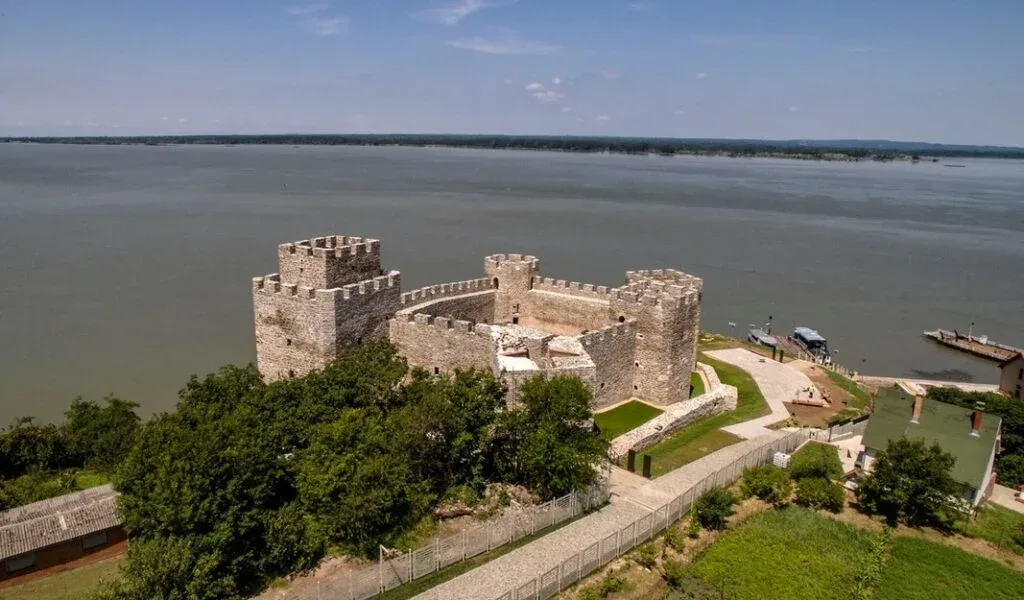
Danube-facing ramparts at Ram
Best for reading the site against the river.
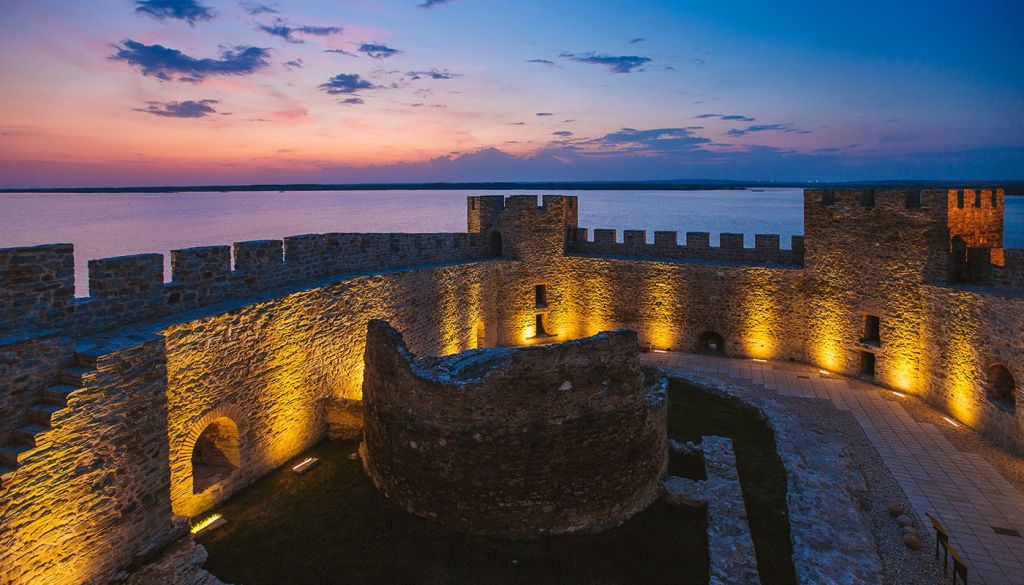
The river-facing side explains why Ram matters. Stand here to understand the fortress as a defensive point rather than only as architecture.
Open river view below Ram
The setting that defines the visit.
The wide Danube is part of the attraction. Looking back toward the fortress helps connect the site to the landscape it was built to oversee.
Approach to Ram village
The lead-in that sets up the stop.
The approach matters because Ram is experienced as a compact destination in a rural Danube setting rather than as a dense town center attraction.
Ram village, Eastern Serbia; exact posted entrance details should be checked locally
The Danube riverfront directly below the fortress
Restored Ottoman Danube fortress views
Not confirmed in the supplied source
Clear morning or late afternoon for river views
Not indicated in the supplied source
The supplied topic source confirms three core facts: Ram is an Ottoman Danube fortress, it was renovated with Turkish funding, and it overlooks a broad part of the Danube. Treat other details you may read elsewhere as secondary unless verified locally.
For most travelers, Ram works as a short stop of roughly 30 to 60 minutes, longer only if you want extra time for photos, slow walking, or combining it with other Danube sites the same day.
If Ram is part of a broader day around the lower Danube and inland heritage, keep a fallback stop in mind. Travelers often combine regional history stops rather than relying on Ram as the only destination of the day.
Bring a layer against wind and give yourself time to step back and include the river in the frame. Ram works best when the fortress and the Danube are read together.
Ram is known as an Ottoman fortress above the Danube, with restored walls and a broad river outlook.
Most travelers need less than an hour unless they want extra time for photos or combine the stop with other Danube sites.
For most international visitors, Ram works better as part of a Danube or Eastern Serbia road itinerary than as a full standalone day.
They are not confirmed in the supplied source material for this page, so check locally before you go.
Yes for a short outdoor stop, provided children are supervised around historic walls, uneven surfaces, and open viewpoints.
Stay connected in Serbia