Eastern Serbia, on the Danube frontier zone

Viminacium is useful for travelers who want one site that explains the Roman Danube frontier in physical terms. Its value lies in scale, the amphitheatre as a readable landmark, and the mammoth park as a second reason to visit.
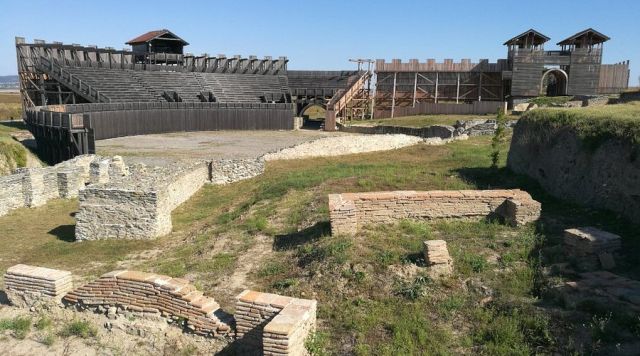
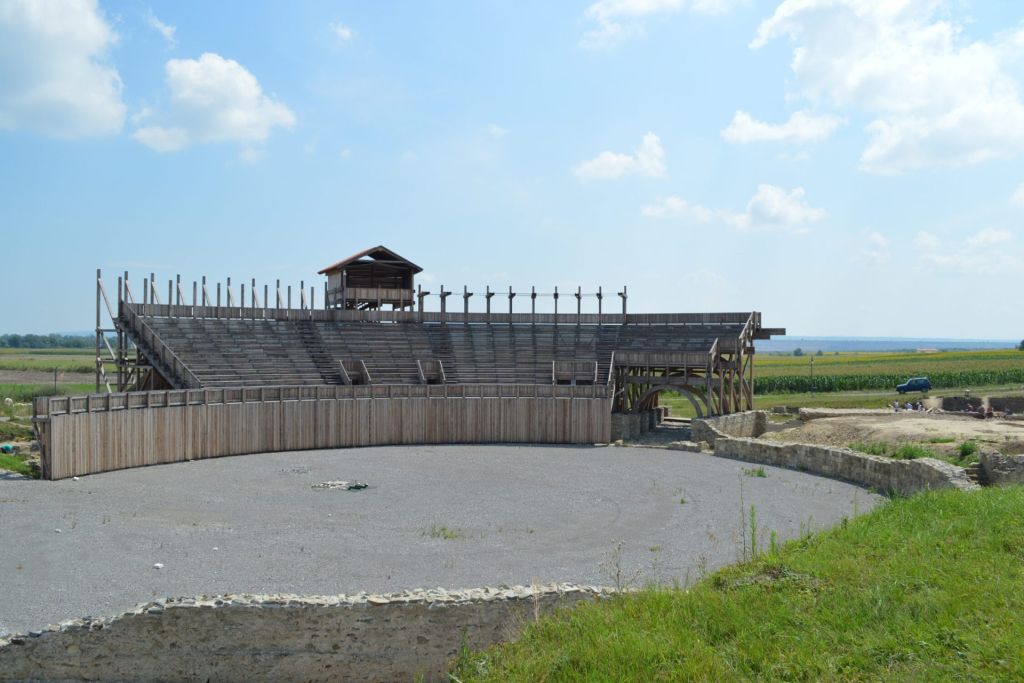
Viminacium is a Roman archaeological park in Eastern Serbia, on the site of what was once one of the largest frontier cities of the Roman Empire along the Danube zone. Today, visitors come for the scale of the former settlement and for two features that make the site easy to picture on the ground: the amphitheatre and the mammoth park. The atmosphere is open, historical, and more excursion-like than urban. If you are already tracing the river corridor in the Danube route through Serbia, Viminacium fits as a history-focused stop rather than a town-center stroll.
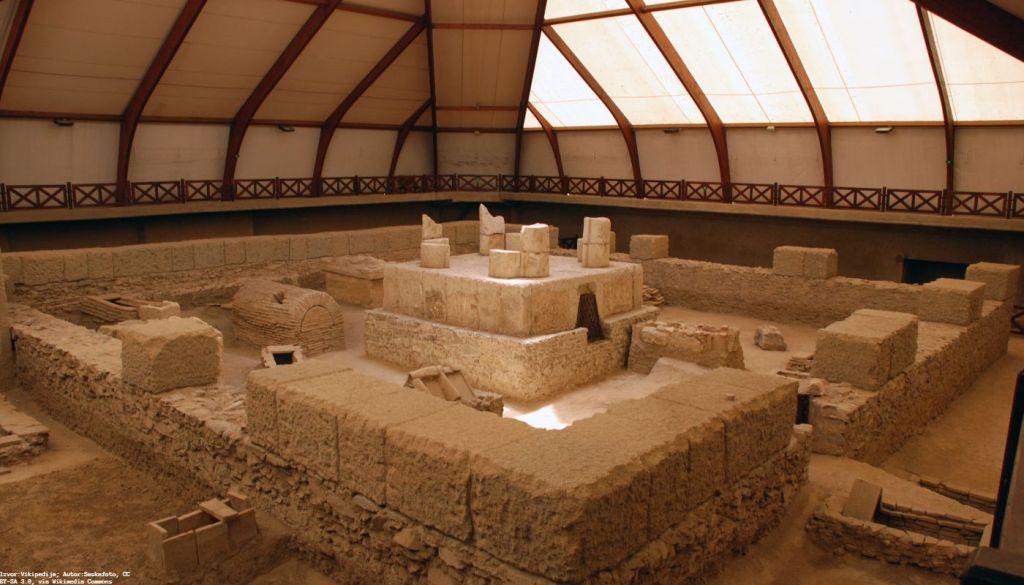
The main reason to visit Viminacium is not a single building but the chance to stand inside a Roman frontier landscape that was once large, strategic, and tied to the Danube line. The amphitheatre gives the clearest architectural focus, while the mammoth park adds a second layer that broadens the visit beyond Roman remains alone. That combination is what makes Viminacium different from a standard museum stop: you are dealing with an archaeological park where military frontier history, urban Roman life, and paleontological interest meet in one destination. Travelers interested in deeper regional context can pair it with the broader Eastern Serbia guide for longer Danube and heritage planning.
Viminacium is approached as a regional excursion, not as a pedestrian city-center sight. Most international travelers reach it by car or arranged transfer from the Požarevac and Kostolac area. If you are traveling overland through Serbia, start with Serbia Transit Search: buses, trains and route planning to reach the nearest transport hub, then continue locally by taxi. Because the available source does not confirm current public transport line numbers, stop names, or fixed taxi fares for the final approach, the practical assumption is that the last stretch should be checked locally before travel. If you are driving, treat Viminacium as a signposted archaeological outing and allow extra time for finding the visitor entrance and parking area.
The most practical time to visit Viminacium is during stable daylight, when an open archaeological site is easiest to walk and photograph. Morning or late afternoon usually makes more sense than the hottest part of the day, especially in warmer months when exposed ground can feel tiring. A weekday visit is often easier for travelers who want a quieter pace and more time to move between site sections without feeling rushed. If you are traveling in peak season, school-holiday periods, or with a group, check ahead for current entry arrangements and any guided-visit timing. Because the source does not confirm fixed timetables, treat same-day verification as part of planning.
Expect an archaeological-park visit rather than a dense museum circuit. The experience is more about moving across a historical site and understanding context than ticking off many separate indoor galleries. Wear practical walking shoes and plan for weather exposure. Sun protection and water are sensible in warm conditions, while a light layer helps outside the hottest months. The mood is educational and calm, with appeal for independent travelers, history-focused visitors, and families interested in the mammoth section. Accessibility can vary across archaeological terrain, so travelers with mobility concerns should confirm current route conditions before arriving.
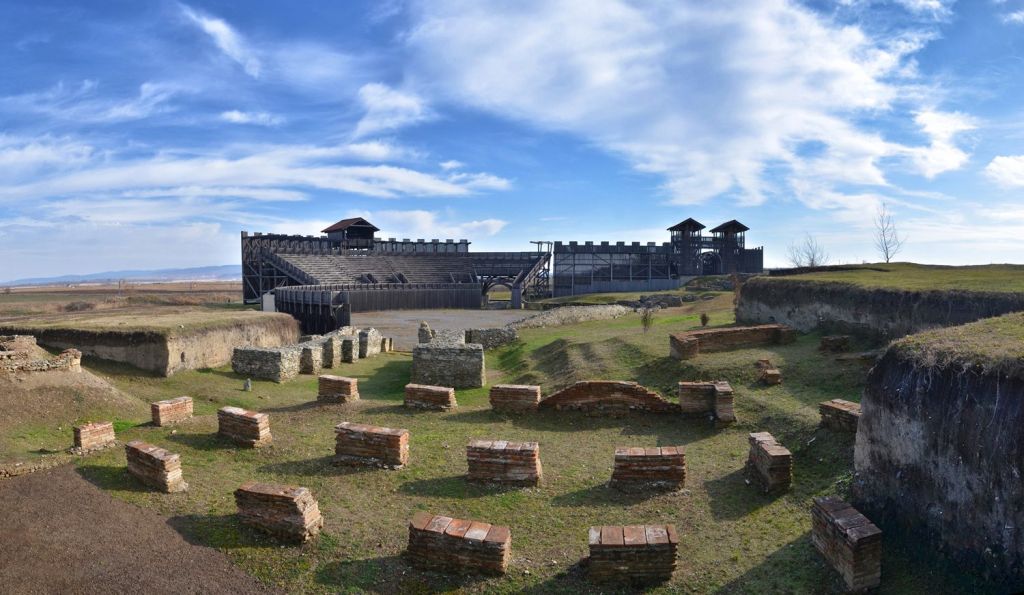
A practical first visit starts with the broader archaeological park orientation, then moves to the amphitheatre while your sense of the Roman city is still fresh. End with the mammoth park, which changes the rhythm of the visit and keeps the final section distinct instead of blending into another ruins stop. This order works well for travelers who want a structured visit without needing a full day. If your Serbia trip mixes archaeology and river landscapes, Viminacium pairs naturally with broader Danube planning rather than with a late-evening city schedule.
Tell us where you want to go and how you travel. We reply within two working days with a tailored plan.
Viminacium makes sense on a longer river-focused route through Eastern Serbia, especially if your trip already includes archaeology and Roman heritage.
For travelers not doing a full Danube route, Viminacium is still workable as a dedicated history excursion with one clear main site and two confirmed headline features.
Guided routes, walking tours, and experiences that help you make the most of a visit to Viminacium.

Amphitheater Viminacium
Amphitheater Viminacium in Viminacium.
Amphitheater Viminacium is part of the wider Roman archaeological complex near Kostolac. It is best visited as one stop within Viminacium rather than as an isolated attraction. The main reason to g...

Viminacium Roman Baths
Viminacium Roman Baths in Viminacium.
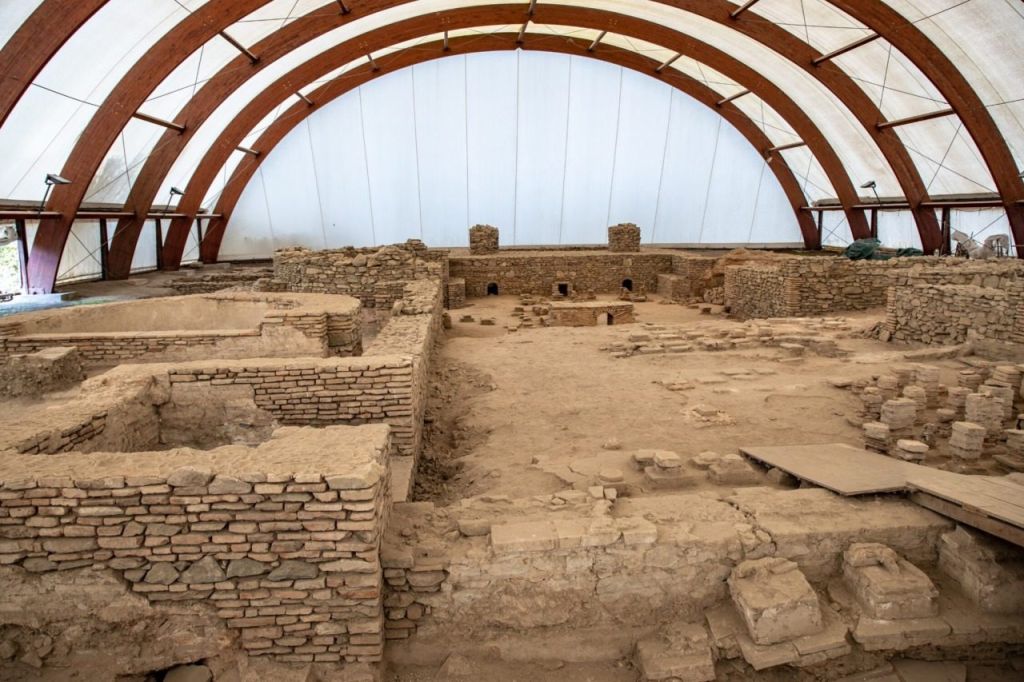
The Viminacium Roman Baths are part of the wider archaeological zone near Kostolac in Eastern Serbia. They matter because they turn abstract Roman history into visible systems: heated rooms, bathin...
Mammoth Park Viminacium
Mammoth Park Viminacium in Viminacium.
Mammoth Park Viminacium is part of the wider Viminacium archaeological area in Eastern Serbia. Its defining draw is the display of two nearly intact mammoth skeletons at the original find site, wit...
Use the map to place Viminacium within the Požarevac-Kostolac area before setting your route.
These are the most useful focus points for first-time visitors inside the Viminacium visit area.
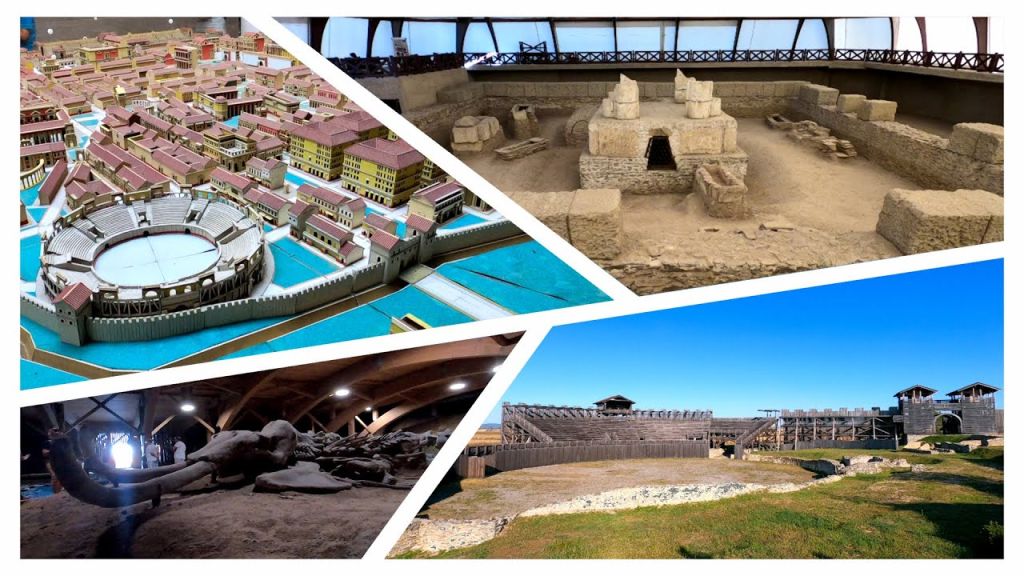
Viminacium Archaeological Park
The overall Roman site and the logical starting point for understanding the former frontier city.
Use the main archaeological park visit as your framework, then move on to the individual highlights on site.
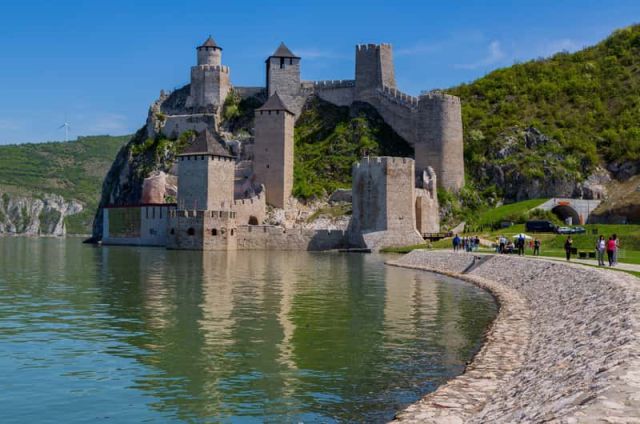
Roman Amphitheatre at Viminacium
The best-known built feature for travelers who want a clear Roman architectural focal point.
The amphitheatre is the easiest place to visualize public life and scale at Viminacium.
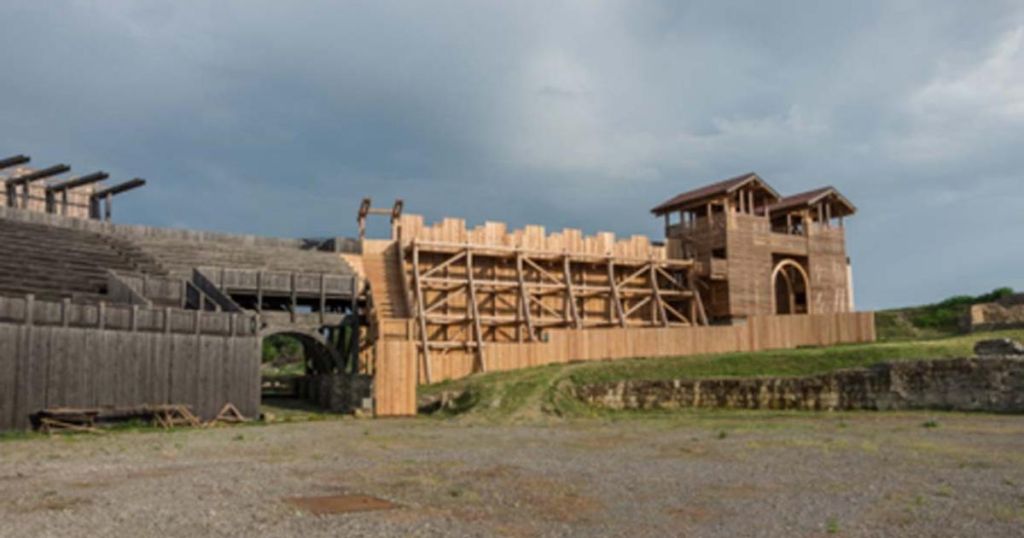
Mammoth Park at Viminacium
The paleontological section that makes Viminacium appealing even to travelers who are not focused only on Roman history.
This is the site’s second major draw and often the part families remember most clearly.
Eastern Serbia, on the Danube frontier zone
Požarevac area
Roman frontier archaeology
Archaeological park, amphitheatre, mammoth park
Half-day or day-trip stop
Ticketed site; check current rates
Daylight hours in mild weather
Not always, but verify for current guided or group visits
Roman history, archaeology, families with older children
Viminacium works best for travelers with their own car or a pre-arranged transfer. Build in time for a spread-out archaeological visit rather than a quick roadside stop.
The core confirmed draw is the archaeological park itself, described as standing on the site of one of the largest Roman frontier cities, with an amphitheatre and a mammoth park.
The mammoth park makes Viminacium easier for children and mixed-interest groups than a site focused only on ruins.
Check the current entry model, guided-tour timing, and whether the mammoth section and amphitheatre are both accessible on your planned date.
Archaeological parks can involve uneven surfaces and longer outdoor walking segments. Confirm current access arrangements directly before visiting if you use a wheelchair or need low-strain routes.
Viminacium is known as an archaeological park on the site of one of the largest Roman frontier cities, with an amphitheatre and a mammoth park.
Yes, because the visit is not limited to academic interest. The amphitheatre is easy to grasp visually, and the mammoth park broadens the appeal for general travelers and families.
A half-day is a practical minimum for a first visit. Travelers with a strong interest in archaeology may want longer, especially if they prefer a slower outdoor pace.
You can usually reach the wider area by regional transport, but the final approach often works better by taxi or arranged transfer. Check current local connections before you go.
Not always, but it is sensible to verify current admission practice, guided visits, and opening arrangements before travel, since the available source does not confirm fixed schedules.
Stay connected in Serbia