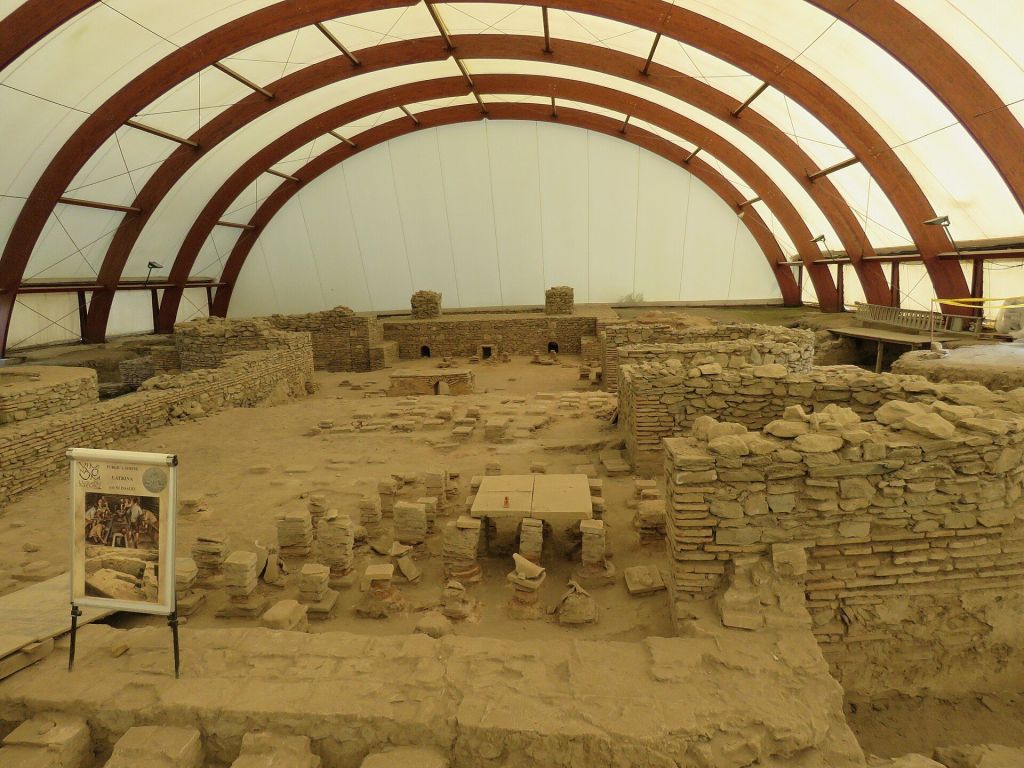
Within the Viminacium archaeological area near Kostolac, Eastern Serbia

The Viminacium Roman Baths are part of the wider archaeological zone near Kostolac in Eastern Serbia. They matter because they turn abstract Roman history into visible systems: heated rooms, bathing sequence, construction methods, and the scale of urban amenities in a legionary city. Most visitors see them as part of a broader Viminacium visit rather than as a stand-alone stop, often pairing them with Viminacium Roman frontier archaeology and the nearby Amphitheater Viminacium. Expect an archaeological presentation rather than a reconstructed spa experience.
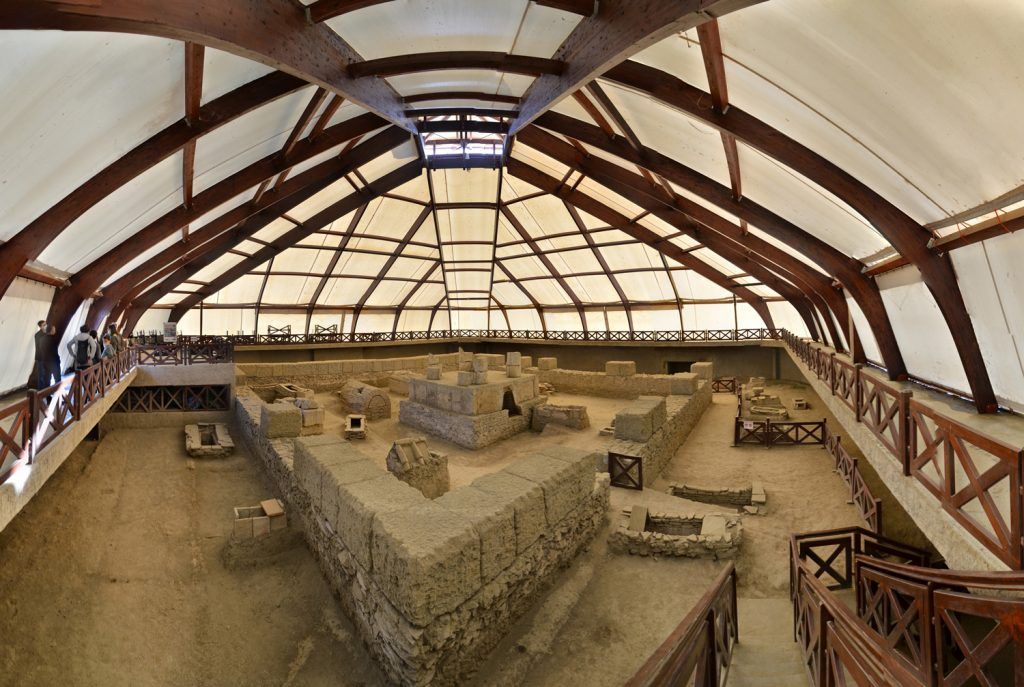
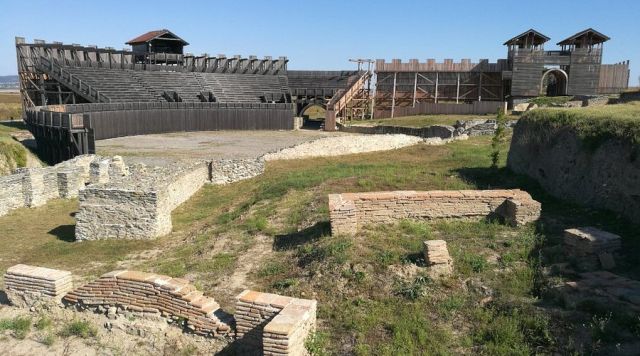
The Viminacium Roman Baths are an excavated bath complex inside the archaeological area of Viminacium near Kostolac, the former Roman city and legionary center on the Danube frontier. The remains are important because they show the infrastructure of Roman daily life rather than only imperial monuments: movement through heated and unheated rooms, water management, and the social role of bathing. The site today feels archaeological and open rather than theatrical. For wider historical context, the main Viminacium Roman frontier archaeology guide helps place the baths within the settlement as a whole.
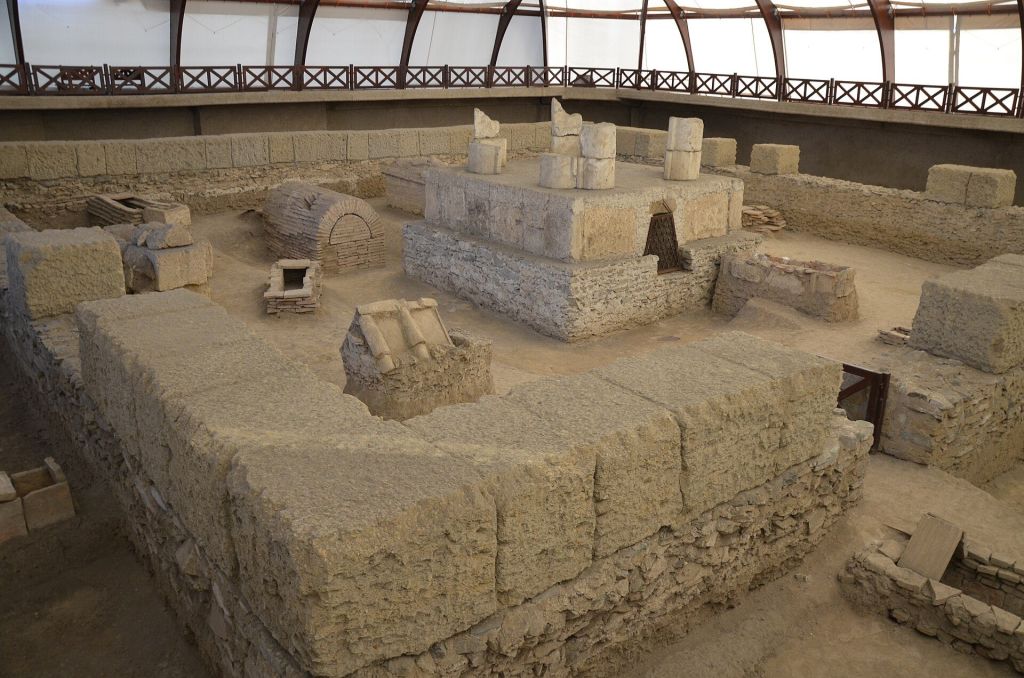
The speciality here is not luxury in the modern sense but the physical evidence of Roman bathing architecture on the empire's Danube edge. What makes Viminacium useful for travelers is that the baths connect engineering with daily life: heating systems, room sequence, and the idea of bathing as an organized civic routine. In many Roman sites, baths are mentioned but hard to visualize. Here, the excavated remains make that system easier to grasp in spatial terms. If you are building a Roman-history route across Eastern Serbia, the baths work best as one part of a larger sequence that can include the amphitheater and, on another day, the broader Danube archaeology and river route.
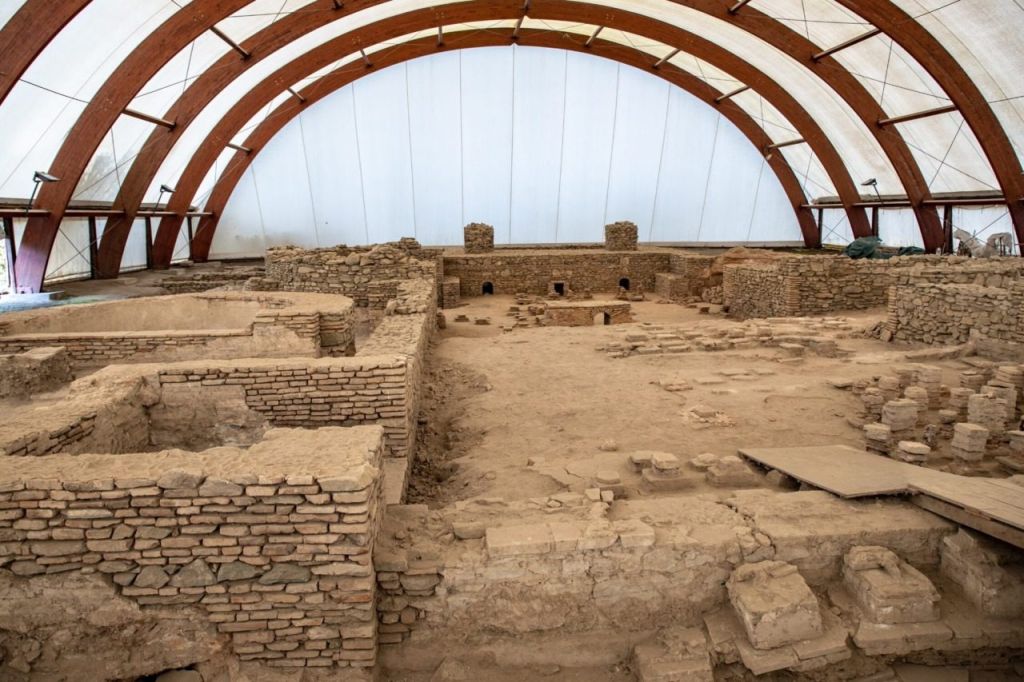
The baths are reached through the Viminacium archaeological area near Kostolac, rather than by a city-center walk. Most travelers arrive by car or arranged transfer from Požarevac, Veliko Gradište, or Belgrade. A practical public-transport route is Belgrade → Požarevac, then Požarevac → Kostolac, followed by taxi or a prearranged local transfer to the Viminacium entrance. If you are using public transport, first plan your intercity leg with Serbia Transit Search: buses, trains and practical route planning to Požarevac, then continue locally toward Kostolac and the Viminacium zone. Local public transport patterns can change, and line numbers serving Požarevac and Kostolac are best reconfirmed locally on the day. By taxi from Požarevac, expect a short regional ride rather than an urban hop. Parking is generally the most straightforward option if you are driving.
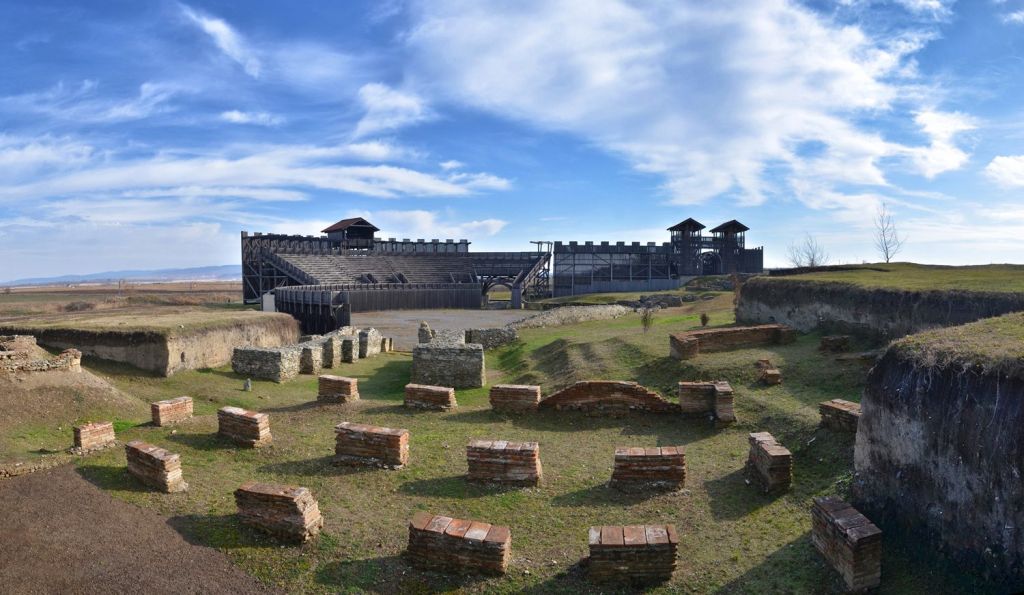
The best time to visit Viminacium Roman Baths is during mild weather, when walking between open archaeological areas is easier and the site feels less exposed. Morning or late-afternoon visits are usually more comfortable than the middle of a hot summer day because much of the experience is outdoors or semi-open. If you are building a longer Danube itinerary, it makes sense to combine the baths with nearby historical stops and then continue toward Veliko Gradište as a Danube excursion base. Because site operations may depend on staff, season, or guided-entry rhythm, avoid arriving too late in the day without reconfirming access.
Expect excavated remains and interpretation rather than a heavily reconstructed Roman attraction. The atmosphere is quiet, historical, and site-focused. Dress casually for an archaeological visit, with sturdy footwear and weather-ready clothing. Families with older children who already have some interest in history usually get more from the baths than very young children looking for interactive exhibits. Accessibility can be limited by terrain, paths, and the nature of the excavation area, so visitors with mobility needs should ask in advance about current conditions. Bring water, a hat in warm weather, and enough time to connect the baths with the rest of Viminacium instead of treating them as a five-minute stop.
This page is based on the supplied source note identifying the site as a luxurious Roman-era bath complex, excavated and open to visitors, together with Serbian Travel's existing destination context for Viminacium and its related archaeological stops.
The baths add everyday Roman life to a visit that might otherwise focus only on military or monumental history. They are especially useful for travelers interested in engineering and urban infrastructure.
If your schedule is tight and you only want one Roman stop, the wider Viminacium overview may be more efficient. The baths make the most sense when you have time for a broader site visit.
Use the map to place the baths within the wider Viminacium archaeological zone near Kostolac.
These are the most practical places to combine in the same historical outing. Where exact hours or ticket breakdowns are not publicly stable, treat access as site-managed and confirm on arrival.
Viminacium Roman Baths
Excavated bath complex showing the urban comfort systems of Roman Viminacium.
Best for visitors who want to understand heating, bathing sequence, and everyday infrastructure rather than only monumental ruins.

Amphitheater Viminacium
Roman arena remains connected to the public life of the former city.
Pairs well with the baths because it shifts the visit from daily comfort and engineering to spectacle and civic gathering.
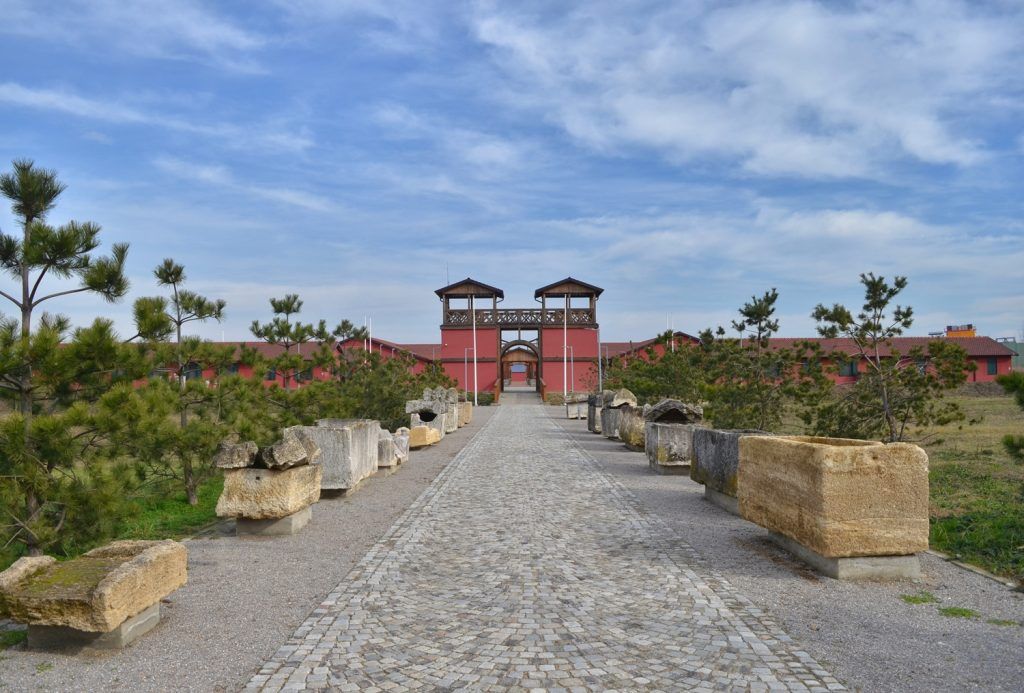
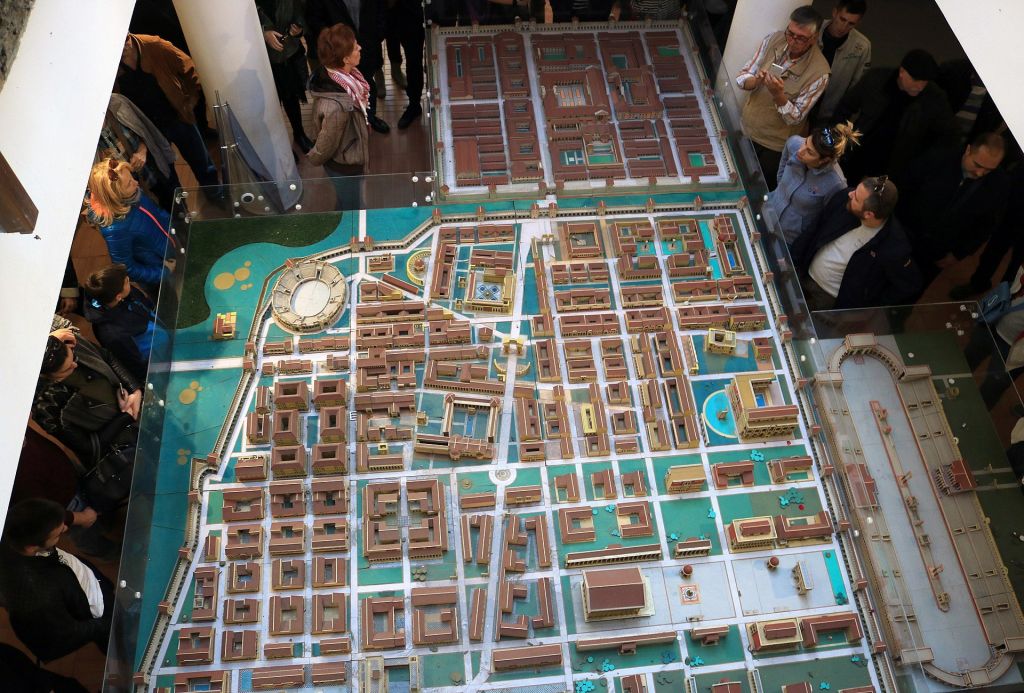
Viminacium Archaeological Park
The wider Roman settlement and interpretation area around the excavated monuments.
Useful as the umbrella stop that gives context to individual remains, including the baths and amphitheater.
Veliko Gradište
Practical Danube base if you are combining Viminacium with other riverside stops.
Not part of the Roman complex itself, but a useful logistics anchor for travelers moving between archaeology and the Danube corridor.
Within the Viminacium archaeological area near Kostolac, Eastern Serbia
Viminacium archaeological site / Kostolac approach
Excavated Roman bath complex and urban infrastructure
Ticketed archaeological visit; confirm current admission locally
Mild-weather mornings or late afternoons
Recommended to confirm current access and guided-entry arrangements
Baths were not only for washing. In Roman cities they were tied to routine, status, technology, and social interaction. At Viminacium, the bath remains help visitors read the city as a lived place.
The baths are best approached as a guided archaeological stop within the Viminacium complex. Access patterns, timing, and the exact order of stops can vary by day and group schedule.
Unlike central-city Roman sites in some European destinations, Viminacium requires planned access. For most international visitors, a car, private transfer, or organized excursion is the simplest approach.
Bring water, sun protection, and shoes suited to uneven ground. The baths are easier to appreciate when you are not rushing through the wider Viminacium complex.
They are best understood as one part of the wider Viminacium archaeological destination. Most visitors see them within a broader site visit rather than as a completely separate outing.
The baths themselves do not usually require a full day. They work best as one stop within a longer Viminacium visit that includes other excavated remains and interpretation.
Yes, but it requires more planning. Public transport generally gets you toward Požarevac first, after which you need a local connection toward Kostolac and the Viminacium area.
It can be, especially for children interested in archaeology or Roman history. The experience is more about ruins and explanation than interactive entertainment.
It is wise to confirm current visiting arrangements in advance, especially if you are traveling independently and relying on a specific day or time.
If you want help linking Viminacium with the Danube, Ram, Veliko Gradište, or other Roman sites in Serbia, request a custom route built around your dates and transport style.
Stay connected in Serbia