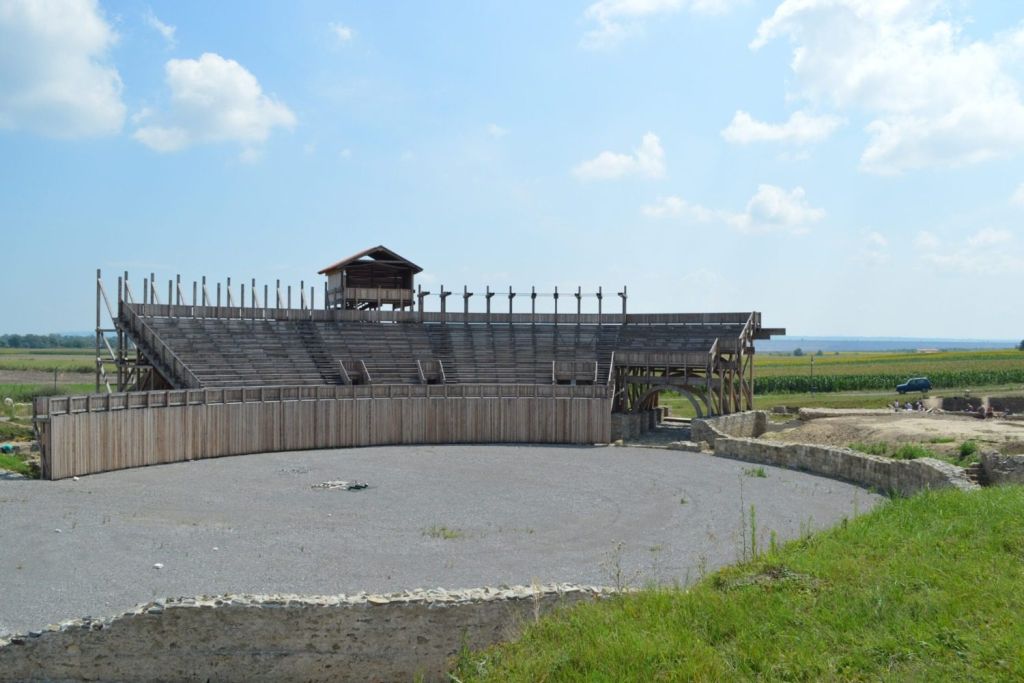
Within Viminacium archaeological park near Kostolac, Eastern Serbia

Amphitheater Viminacium is part of the wider Roman archaeological complex near Kostolac. It is best visited as one stop within Viminacium rather than as an isolated attraction. The main reason to go is to understand entertainment and public life inside a frontier city on the Danube.
Amphitheater Viminacium is a partly reconstructed arena inside the ancient Roman city and legionary center of Viminacium in Eastern Serbia. The remains belong to the settlement that developed near the Danube frontier and became one of the key Roman sites in the region. What makes the amphitheater stand out is that it gives visitors a direct sense of public spectacle in a military city, not just administration, roads, and tombs. The atmosphere is open, archaeological, and quiet rather than theatrical. In the wider Viminacium Roman frontier archaeology complex, it works best as one stop in a broader site visit.
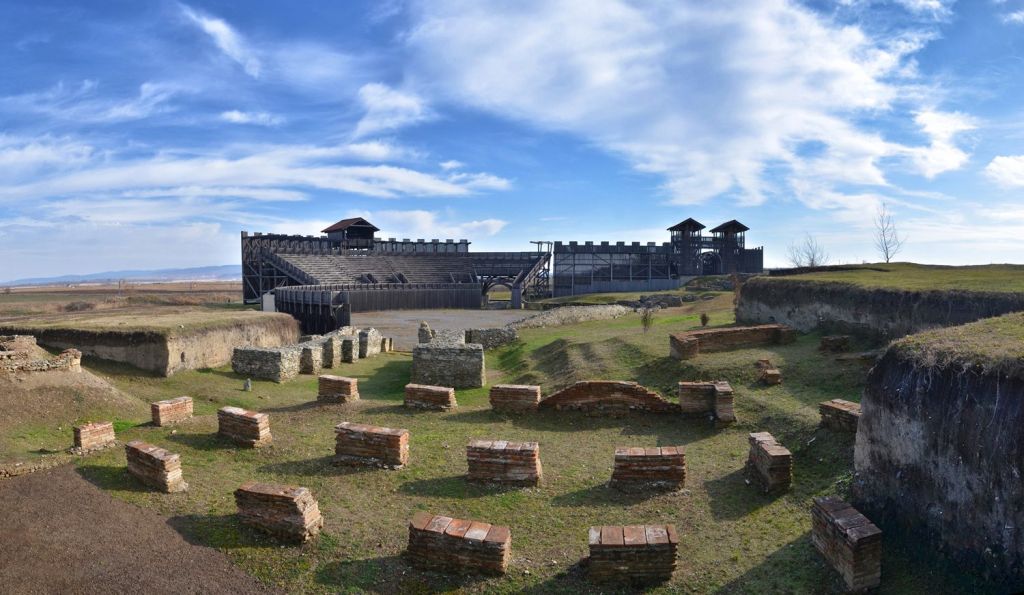
The speciality here is the preserved outline of a Roman entertainment space within a Danube frontier city. That matters because Viminacium is usually approached through imperial archaeology, necropolises, and frontier history, while the amphitheater adds another layer: leisure, performance, and collective gathering. Even in partial reconstruction, the shape of the arena makes the scale legible in a way scattered stone fragments often do not. It is less about ornate decoration and more about understanding use: where spectators gathered, how public events fit into urban life, and how Roman culture was reproduced far from Italy. For travelers already reading the Danube as a chain of forts and river strongholds, the amphitheater gives the story a human dimension that pairs well with the broader Danube travel route through Eastern Serbia.
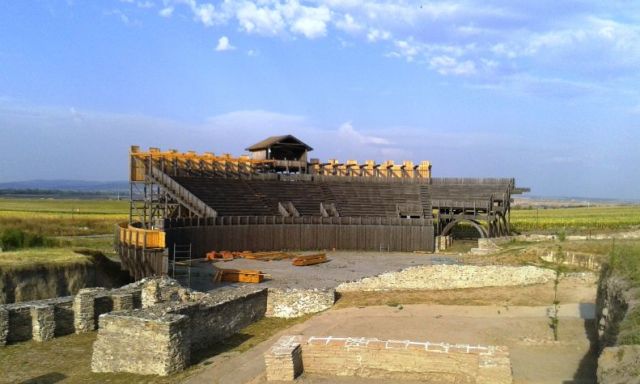
The amphitheater is not a standalone city-center monument. It sits within the Viminacium archaeological area near Kostolac, so most visitors arrive by car or as part of a pre-arranged excursion. From the main Viminacium visitor area, expect a short on-site transfer or walk depending on the day’s route and site operations. The nearest major landmark for drivers is Kostolac, while the wider approach usually comes from Požarevac. Public transport in the area is limited for international visitors, and there is no simple urban stop directly at the amphitheater itself, so relying on a standard bus line for the final approach is not the most practical method. Taxi fares vary by starting point, but arranging a return ride in advance is sensible. Parking is typically handled within the wider archaeological complex rather than beside the amphitheater remains themselves.
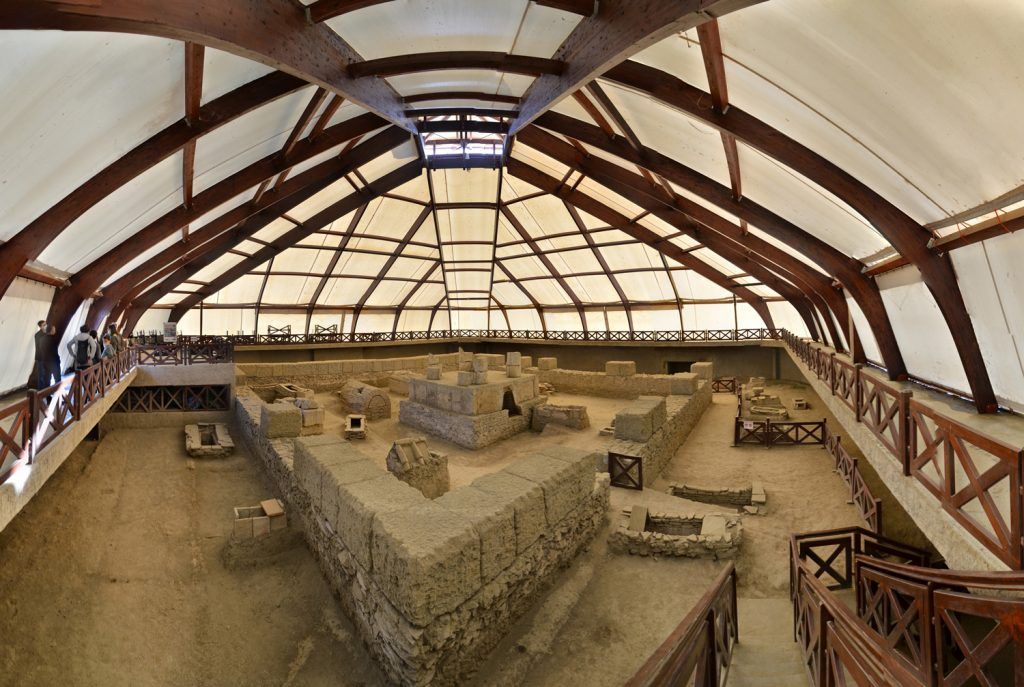
Go in daylight and give yourself enough time for the full Viminacium site rather than trying to isolate the amphitheater as a quick photo stop. Spring and autumn are usually the most comfortable seasons for walking exposed archaeological ground, while summer can feel hot because there is limited natural shade across parts of the complex. Weekday visits tend to feel quieter for reading the site. If you want interpretation, guided or structured visits are more useful here than at a simple urban monument because the remains make more sense with context. Before leaving, check the current Viminacium operating schedule and whether the day’s visit format includes organized movement between sections.
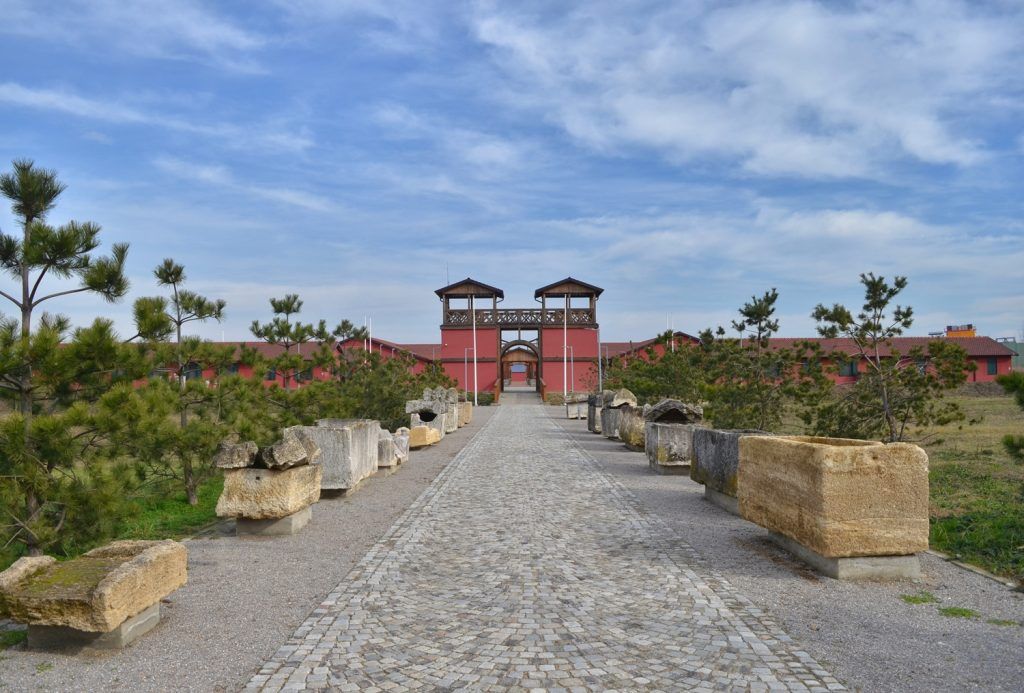
Expect an archaeological setting rather than a fully rebuilt performance venue. The remains are meaningful because of their plan, context, and relationship to the wider Roman city, not because of high surviving walls. Wear practical shoes suitable for uneven outdoor ground. In warm weather bring water, sun protection, and a hat. Families with older children interested in history usually do well here, but very young children may find the educational value more limited unless they are already engaged by Roman themes. Accessibility depends on the day’s route across the Viminacium complex and the surface conditions, so visitors with mobility concerns should ask in advance. The atmosphere is quiet and open, with little shade and little urban noise.
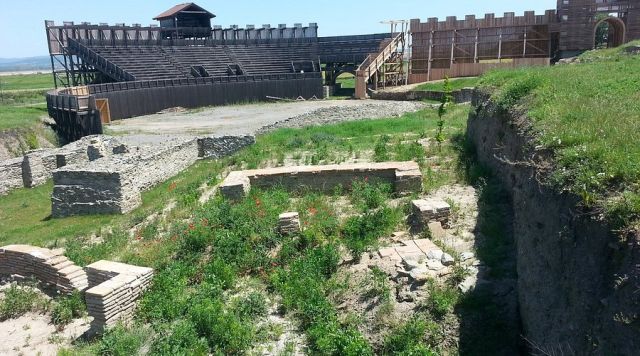
Allow at least a half day for the wider Viminacium complex. The amphitheater makes the most sense when combined with other Roman remains on site.
For a Danube-focused route, continue toward Srebrno Jezero for an overnight base or leisure stop rather than trying to cram in too many archaeological sites on the same day.
The amphitheater lies inside the Viminacium archaeological zone near Kostolac in Eastern Serbia.
These are the most useful site elements to understand together on the ground. Treat them as one archaeological visit rather than separate ticketed attractions.
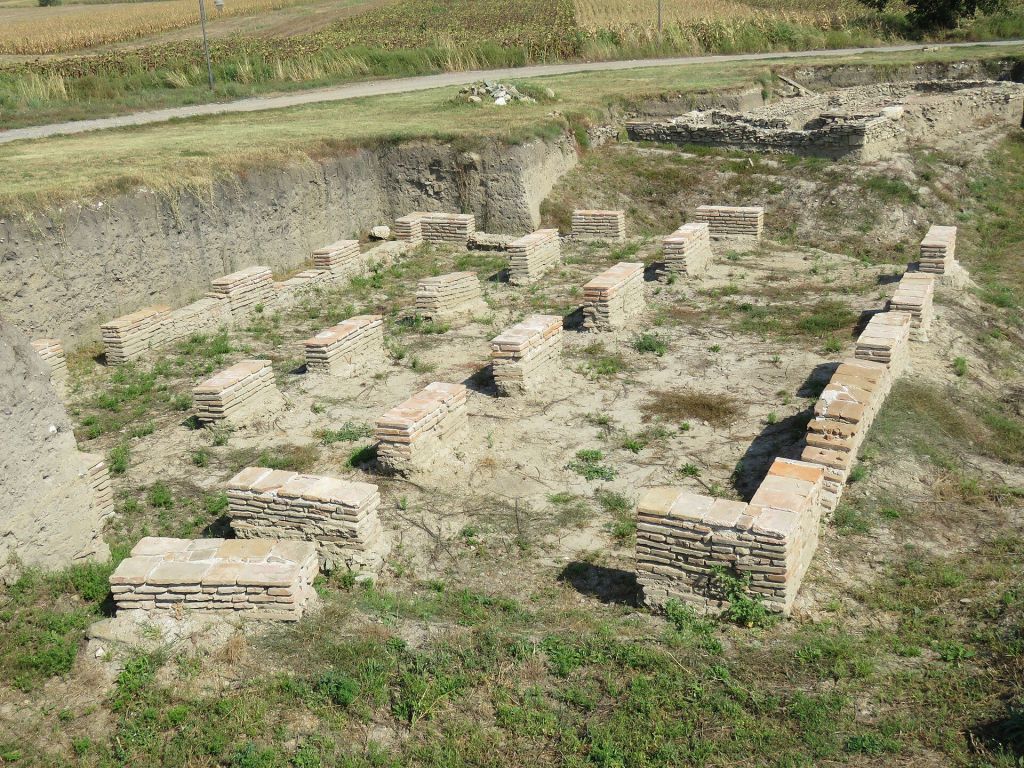
Amphitheater Viminacium
Partly reconstructed Roman arena remains.
The key stop for understanding entertainment and public gathering in the ancient legionary city.
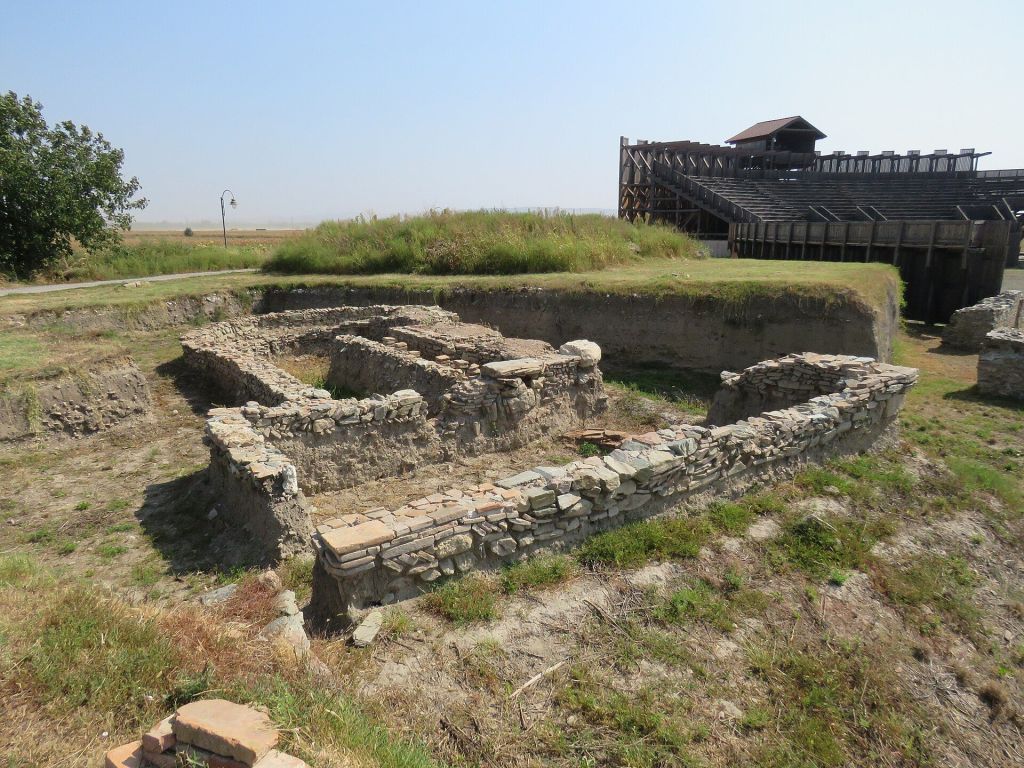
Viminacium Archaeological Park
The wider Roman city and military site.
Use the amphitheater as one chapter within the broader remains of the Roman settlement near Kostolac.
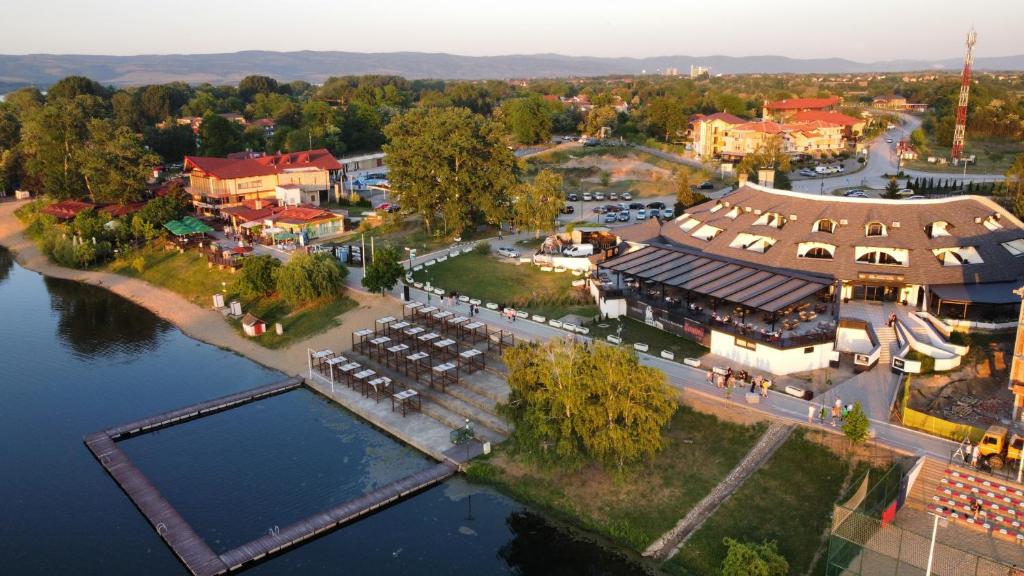
Veliko Gradište
Practical nearby base for a Danube-side overnight stop.
A useful base if you want to combine Viminacium with the lower Danube, Srebrno Jezero, and nearby fortresses.
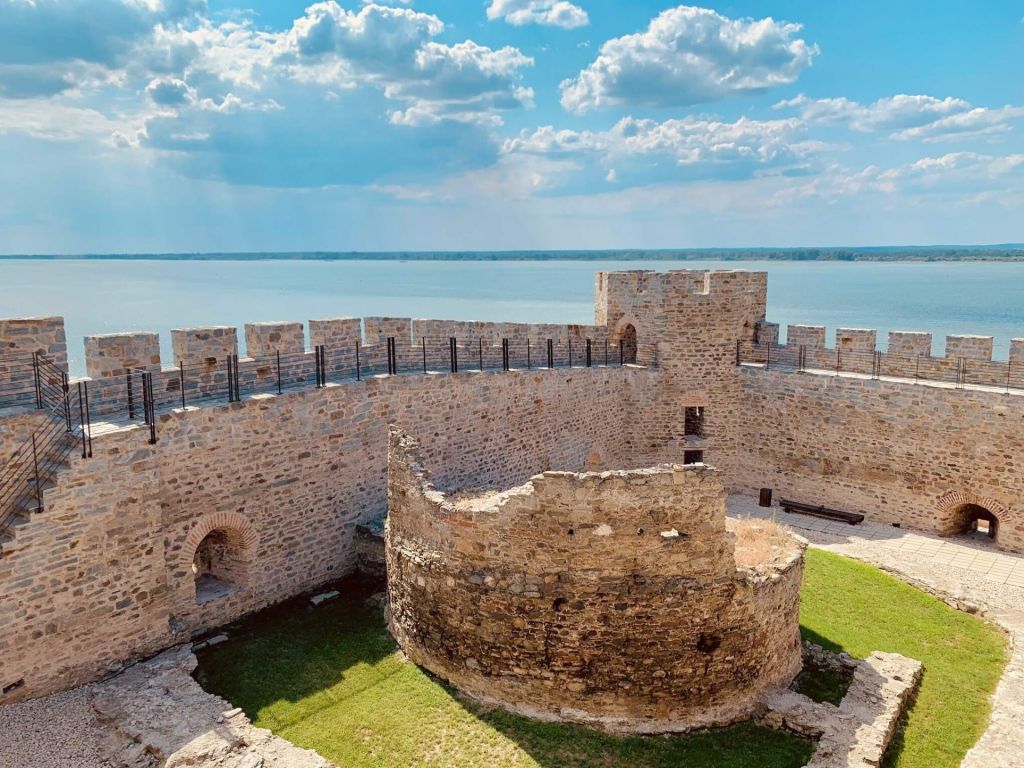
Ram Fortress
Ottoman fortress stop on the Danube.
A logical historical contrast after Viminacium: Roman frontier archaeology followed by an Ottoman river stronghold.
Within Viminacium archaeological park near Kostolac, Eastern Serbia
Viminacium visitor area / Kostolac
Partly reconstructed Roman amphitheater in a legionary city
Included with wider Viminacium visit
Daylight hours in spring or autumn
Recommended if you need transport or a structured visit
Many Roman sites preserve walls, graves, or baths more clearly than places of entertainment. At Viminacium, the amphitheater helps explain how a frontier city also functioned as a social and civic space, not only a military outpost.
If you are not driving, the easiest plan is to reach Požarevac or Veliko Gradište first, then continue by arranged transfer or taxi to Viminacium and back on the same booking.
This is a site for travelers interested in Roman urban life, frontier history, and archaeology in landscape. It is less suitable if you are looking only for a polished monument with dense signage and short access time.
Use Viminacium as the historical core of the day, then continue to Ram or sleep in Veliko Gradište if you want a slower Danube itinerary with less backtracking.
In practical terms, visitors usually experience it as part of the wider Viminacium archaeological visit rather than as a separate standalone stop.
The amphitheater itself does not require long, but the wider Viminacium complex does. Plan at least a half day if you want the visit to make sense.
It is possible with extra planning, but not simple for most international travelers. The easiest approach is a car, private transfer, or arranged excursion.
Yes for children who enjoy Roman history and open-air sites. It is less engaging for children expecting interactive installations or playground-style activity.
Bring water, sun protection, and comfortable shoes for outdoor archaeological ground. In wet weather, expect uneven surfaces.
If you want help connecting Viminacium with Ram, Srebrno Jezero, or a wider Eastern Serbia route, request a custom itinerary.
Stay connected in Serbia