Within the Viminacium archaeological zone near Kostolac, Eastern Serbia

Mammoth Park Viminacium is part of the wider Viminacium archaeological area in Eastern Serbia. Its defining draw is the display of two nearly intact mammoth skeletons at the original find site, with an age of up to one million years noted in the source material. For travelers, this is less a stand-alone urban museum stop and more a focused archaeological detour best visited together with the wider Viminacium Roman frontier complex. Expect a specialist site of interest to visitors who like archaeology, deep-time history, and the Danube corridor's layered past.
Mammoth Park Viminacium is an exhibit area within the Viminacium zone near Kostolac in Eastern Serbia. What makes it distinct is not a reconstructed prehistoric park or a themed museum display, but the fact that visitors encounter mammoth remains at the original discovery location. The source note highlights two nearly intact mammoth skeletons, dated to as much as one million years old. That gives the site a different scale of time from the Roman remains for which Viminacium is better known. The mood is scholarly and quiet: you come here to look closely, read carefully, and place the Danube landscape in a much longer natural history.
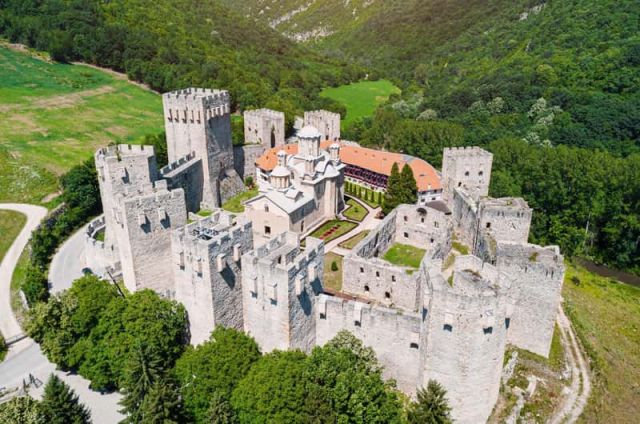
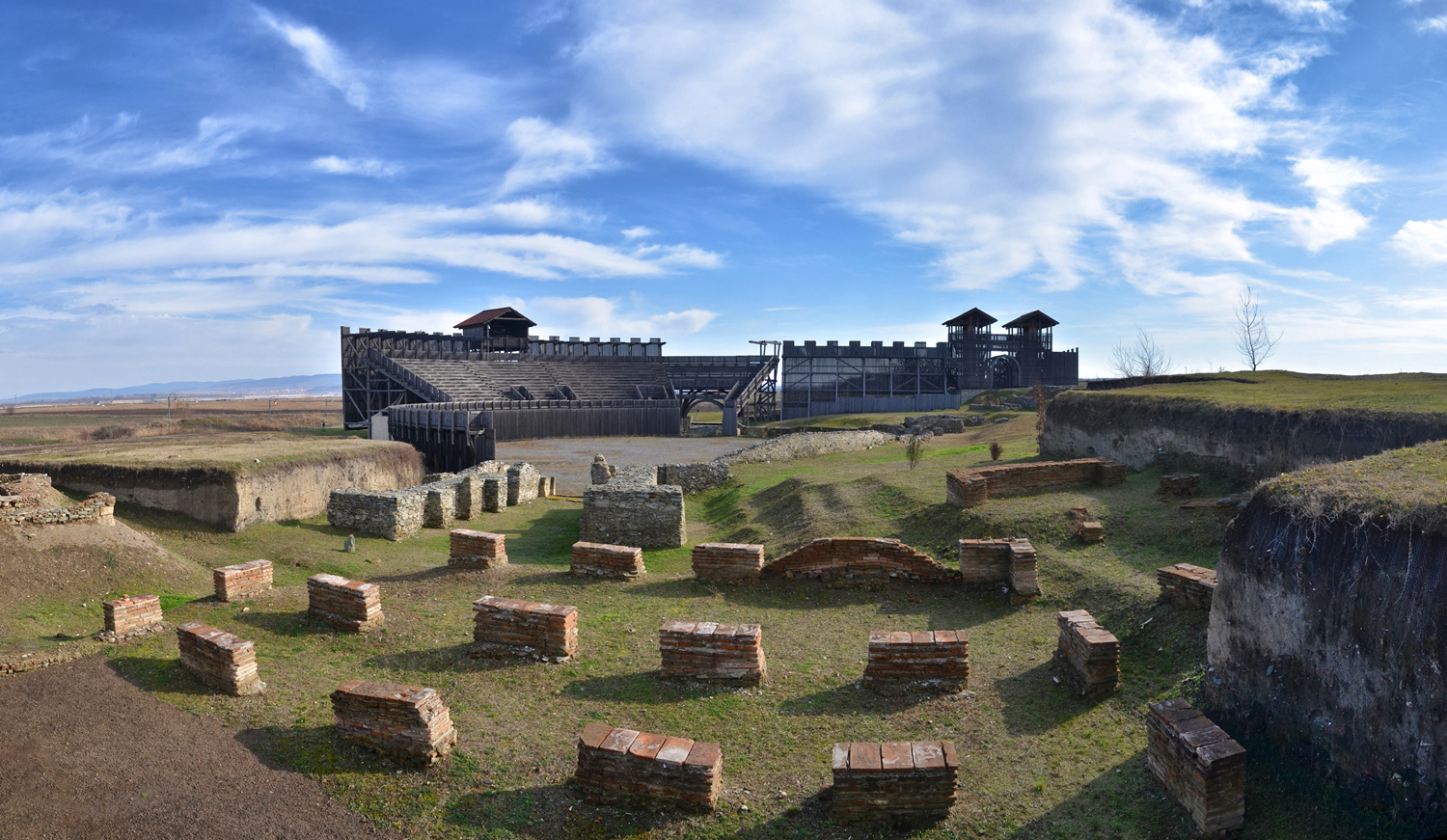
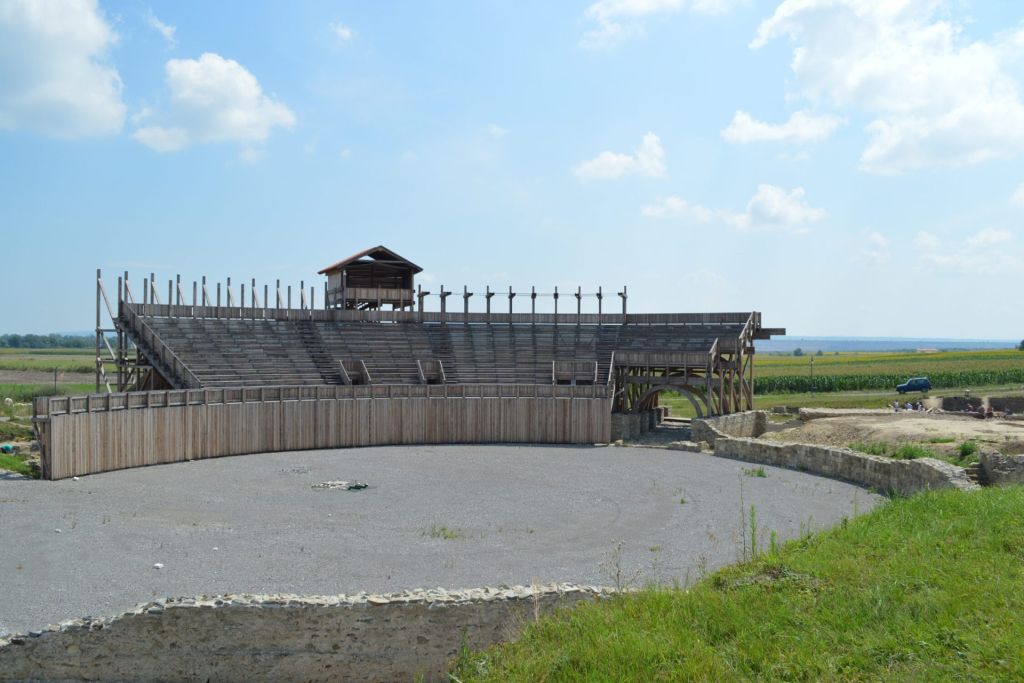
The main reason to visit Mammoth Park Viminacium is the chance to see two nearly intact mammoth skeletons where they were found. That matters because the experience is tied to place, not just to display cases. In a region where many travelers arrive for Roman archaeology, the mammoth remains widen the story: Viminacium is not only about the legionary city and imperial frontier, but also about a much older natural history preserved in the same wider landscape. If you are building a half-day around the site, it makes sense to combine the mammoth area with the Viminacium Roman Baths and the Amphitheater Viminacium, which help frame how many different periods are represented in one visit.
These are the details most travelers remember after the visit.
Two nearly intact skeletons
The source note identifies two nearly intact mammoth skeletons as the key reason people come.
Displayed at the discovery point
The exhibit's value lies in the original find location, not only in the bones themselves.
Up to one million years old
The dating given in the source places the finds far earlier than the Roman layers around them.
Mammoth Park Viminacium is best approached as part of a visit to the broader Viminacium archaeological complex near Kostolac. The source material provided for this page does not publish stand-alone public transport line numbers, ticket desks, or a separate entrance routine for the mammoth exhibit, so it is safest to plan access through the main Viminacium visit rather than as an independent stop. In practice, most international travelers reach the area by car, private transfer, or organized excursion from the Danube route. If you are using public transport in Serbia, start with the wider Danube travel planning guide and confirm current local access before arrival.

Mammoth Park Viminacium works best when you treat it as one stop in a broader archaeological visit rather than a short single-purpose detour. A morning or early afternoon visit usually makes the most sense because it leaves time for the Roman remains in the same zone. Since the source material for this page does not give separate opening hours or reservation rules for the mammoth exhibit, check the current operating pattern for Viminacium before you go, especially if you are traveling outside the main warm-weather season or relying on a scheduled tour.
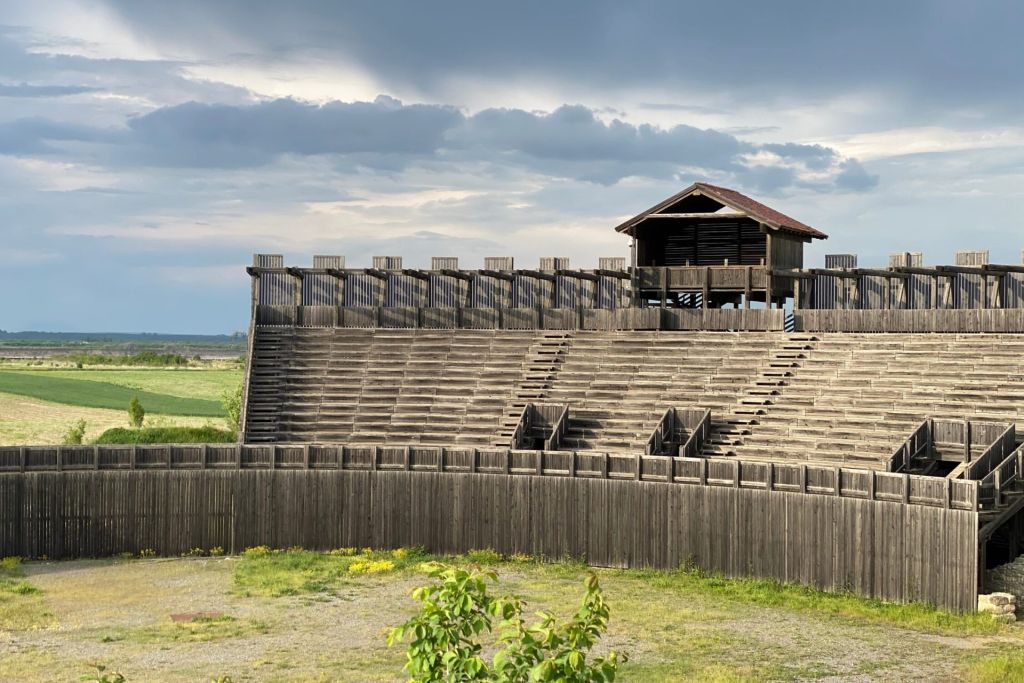
Expect a focused heritage stop rather than a large interactive museum. The point here is direct contact with important paleontological finds in context. Travelers with a strong interest in archaeology, ancient environments, and field discoveries usually get more from the stop than visitors looking for a long family entertainment program. Wear practical shoes for a day spent around the wider Viminacium area, bring water in hot weather, and allow time for reading and guided interpretation if available. Families can still include it, but younger children may engage more if the mammoth stop is balanced with other parts of the site and a longer regional day out toward Veliko Gradište or the Danube.
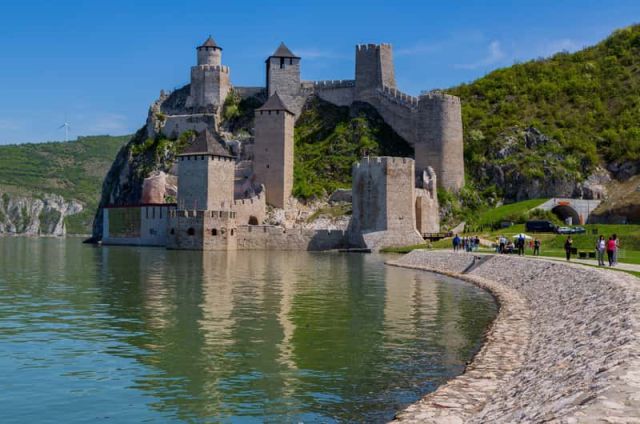
Most visitors know Viminacium as a Roman site. The mammoth finds add a prehistoric layer that changes how you read the whole area.
Seeing the skeletons in the place where they were discovered gives context that a detached museum label cannot fully reproduce.
Use this map to place Mammoth Park Viminacium within the wider Viminacium and Kostolac area before setting out.
These nearby Serbian Travel pages help turn the mammoth visit into a fuller day focused on Viminacium and the Danube corridor.
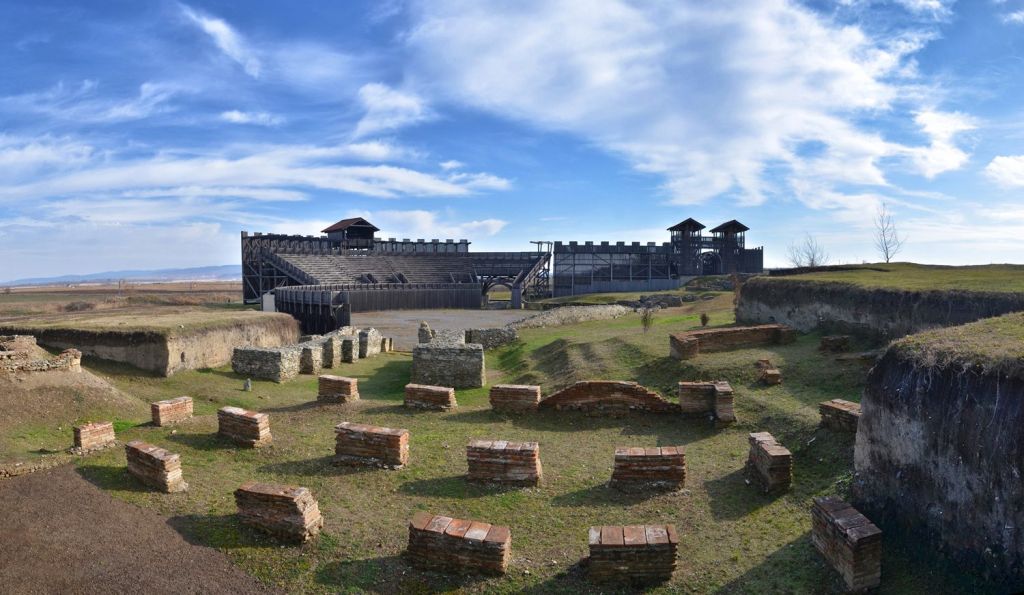
Viminacium
Roman frontier archaeology base
The main archaeological complex that gives context to the mammoth exhibit and anchors most visits to the area.
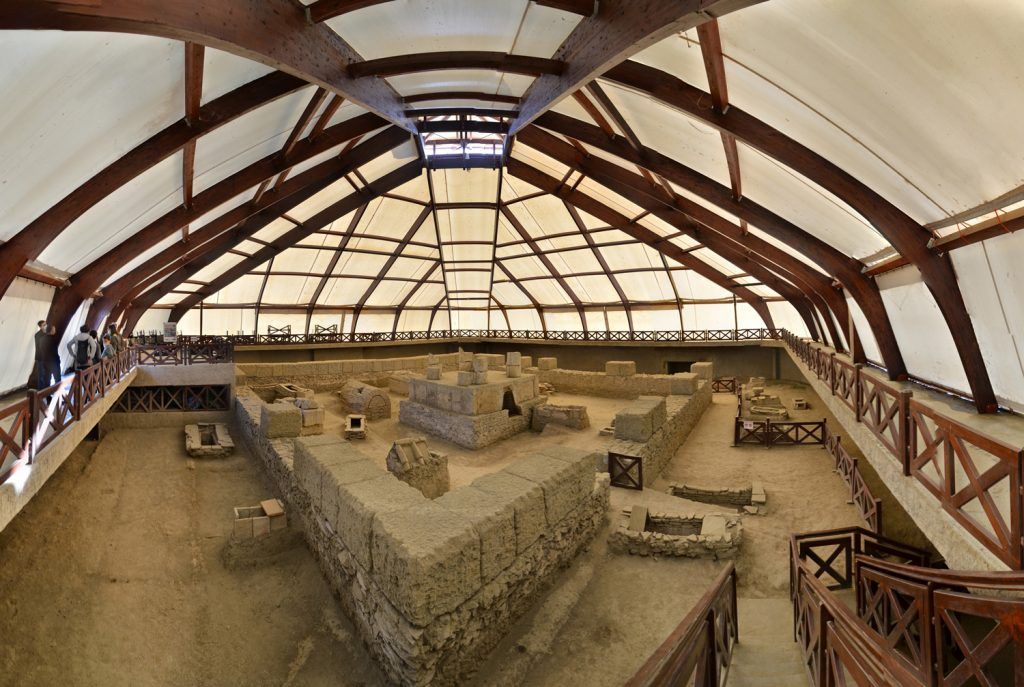
Viminacium Roman Baths
Roman bath complex within the site
Useful if you want to balance prehistoric finds with a clearer architectural Roman stop on the same outing.
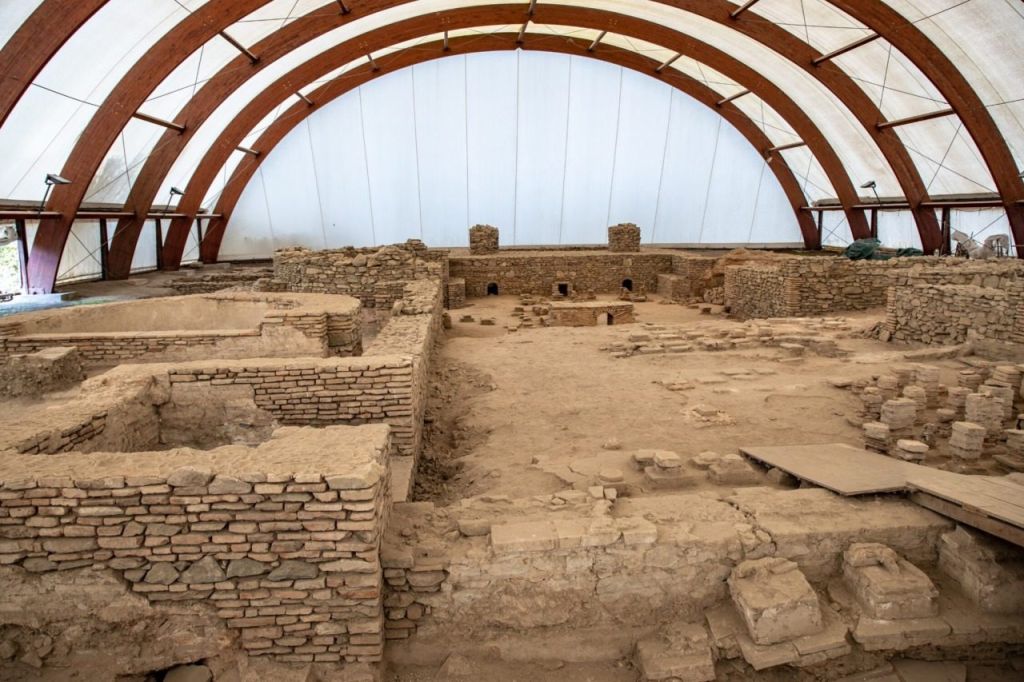
Amphitheater Viminacium
Roman arena of the legionary city
Another strong companion stop for visitors building a focused Viminacium day beyond the mammoth finds.
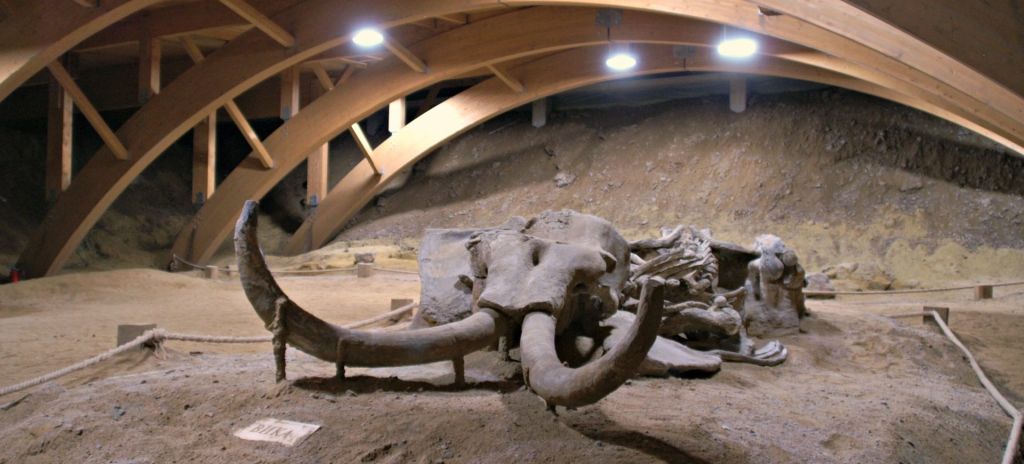
Veliko Gradište
Danube excursion base
A practical extension if you are continuing your day along the Danube after visiting Viminacium.
Within the Viminacium archaeological zone near Kostolac, Eastern Serbia
Viminacium archaeological complex
Two nearly intact mammoth skeletons at the original find site
Up to one million years old according to the source note
Best combined with a wider Viminacium visit
Not stated separately in the source provided for this page
The source note confirms what the site is famous for, but it does not publish separate visitor logistics such as stand-alone hours, pricing, or a dedicated transport line. Plan it as part of a Viminacium visit and verify current practical details before departure.
This stop is strongest for travelers interested in archaeology, paleontology, Roman Serbia, and layered Danube history. It is less about long entertainment value and more about significance and context.
If you only have a few hours, combine the mammoth exhibit with one or two Roman sub-sites rather than rushing through the whole region. That gives the visit a clearer narrative.
Do not expect a large-scale theme attraction. Mammoth Park Viminacium is compelling because of the finds themselves and their original context.
It is known for two nearly intact mammoth skeletons displayed at the original discovery site within the Viminacium area.
The source note dates them to as much as one million years old.
It is best understood as part of the wider Viminacium archaeological zone rather than a completely independent destination.
Most travelers should treat it as one focused stop within a longer Viminacium visit rather than the only activity of the day.
They are not stated in the source material provided for this page, so confirm current arrangements before traveling.
Use Serbian Travel's destination guides to connect Mammoth Park Viminacium with Roman sites, Danube stops, and practical transport planning.
Stay connected in Serbia