Eastern Serbia

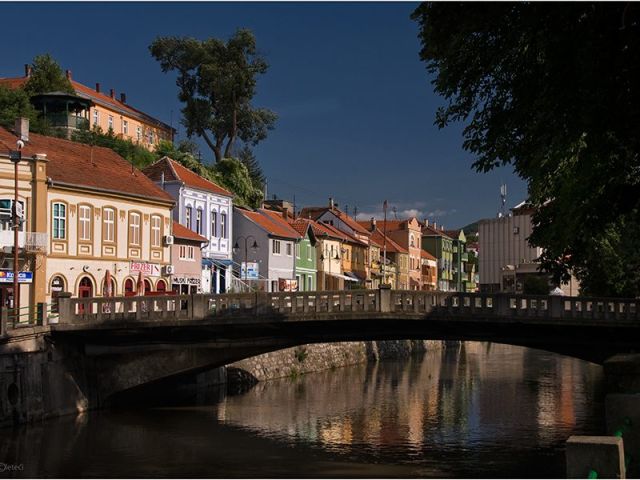
Knjazevac is a small town in eastern Serbia on the Timok, at the foot of Stara Planina. Travelers usually come here for three reasons: a compact old town with older houses and riverside walks, access to vineyard areas around Gabrovnica and Rgoste, and a practical base for mountain and valley drives. The town has a quieter, local rhythm than Serbia’s larger urban centers, with most interest concentrated around its central streets, the river setting and short excursions into the surrounding landscape. In the wider context of the Eastern Serbia Guide, Knjazevac works best as a stop that combines culture, wine country and mountain access.
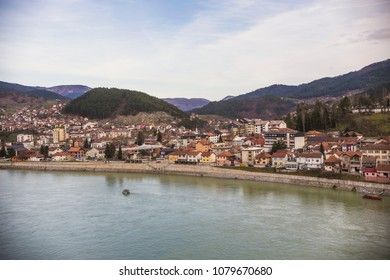
The clearest speciality of Knjazevac is its wine setting. The town sits within the Timok valley context, and the editor brief specifically points visitors toward the vineyards of Gabrovnica and Rgoste. What makes wine relevant here is not a single cellar street or one flagship tasting room, but the way vineyard country is woven into the landscape around town. For travelers, that means Knjazevac is useful as a base for understanding eastern Serbia beyond monuments: hillsides, agricultural patterns, local production and slower regional roads. If wine is one part of a broader trip, it pairs naturally with a drive into Stara Planina or with Roman archaeology at Gamzigrad-Romuliana.

The most immediate part of a visit is the town itself. Knjazevac’s appeal comes from its older houses, the slower feel of the center and the Timok riverside. This is the part of town best explored on foot, especially if you want a short, low-effort walk rather than a full-day excursion. The river gives the center breathing space, while the older housing stock provides a sense of continuity that is harder to find in newer roadside settlements. Travelers who prefer urban atmosphere over formal sightseeing often find this combination useful: one or two unhurried hours, a meal, a riverside pause and then a drive onward toward the mountain or vineyard areas.

Knjazevac is one of the practical access points for Stara Planina. That matters for travelers who want mountain scenery without staying deep in the range. Using town as a base means easier logistics for food, parking and overnight stays, while still keeping the mountain within reach for a day drive. The source material for Serbia tourism places Stara Planina among the country’s developed mountain and winter areas, which helps explain why Knjazevac appears on many eastern Serbia routes even when the town itself is not the final destination. For route planning, combine mountain time with local wine country or continue onward into the wider eastern Serbian landscape.
The town’s heritage layer is not limited to street atmosphere. The editor brief points specifically to the regional heritage museum and old town houses, making cultural texture one of Knjazevac’s main reasons to stop. This suits travelers who prefer smaller museums and settlement history over major national institutions. In practice, the museum-and-houses combination works because it helps interpret what you are seeing outside: domestic architecture, local identity and the regional setting between valley, vineyards and mountain approaches. Rather than treating the museum as a standalone attraction, it makes more sense to pair it with a walk through the older parts of town and time by the river.

Knjazevac is best approached as a small working town rather than a heavily staged tourist zone. Expect a slower pace, modest-scale sightseeing and more value from combining several elements than from chasing one landmark. Comfortable walking shoes are enough for the center and riverside, while a car helps if vineyards, Rtanj viewpoints or Stara Planina approaches are part of your plan. Families, couples and self-drive travelers usually find it easy to manage. Accessibility conditions vary by older streets and buildings, so travelers with mobility concerns should allow for uneven surfaces in historic parts of town.
Knjazevac is usually reached by road as part of an eastern Serbia itinerary. For international travelers, the practical approach is to plan via larger hubs such as Niš and then continue by regional road or onward public transport. Because this guide stays within confirmed source material, it does not list unverified local bus line numbers or station timetables. For current connections, use Serbia Transit Search before travel. If you are self-driving, Knjazevac works well as a stop between mountain routes and Timok valley exploration.
The strongest excursions mentioned in the brief are Stara Planina, Rtanj and the Timok valley. For longer regional touring, archaeology-focused travelers can extend toward Lepenski Vir on the Danube or Roman remains elsewhere in eastern Serbia. This makes Knjazevac less of a single-sight stop and more of a flexible base for varied landscapes.
Guided routes, walking tours, and experiences that help you make the most of a visit to Knjazevac.
Knjazevac lies in eastern Serbia on the Timok and is commonly used as a base for routes toward Stara Planina and the wider Timok valley.
These are the most relevant named places for understanding Knjazevac’s wine identity and vineyard landscape. Public visiting conditions can vary.
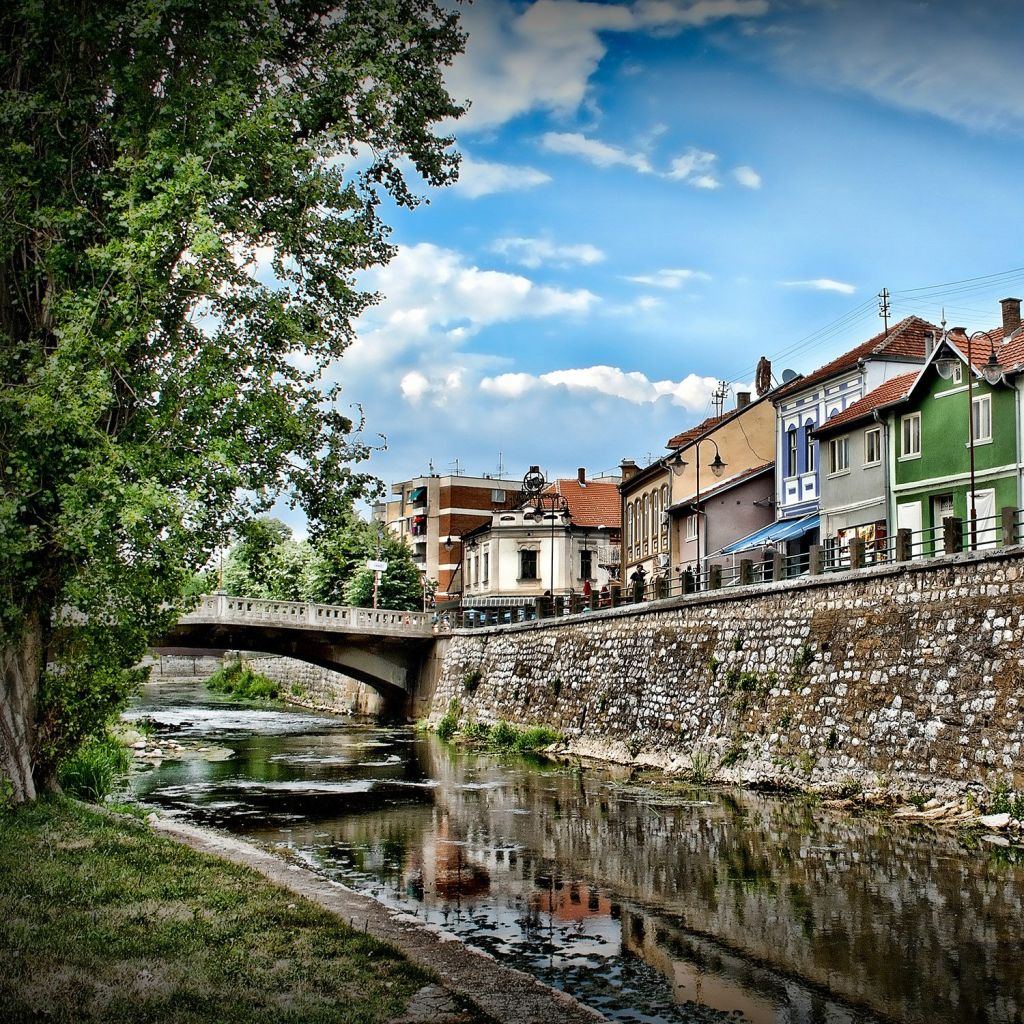
Gabrovnica vineyards
Vineyard area associated with Knjazevac’s wine tradition.
A practical stop for travelers who want to see the agricultural side of the Timok valley and understand why wine is one of the main reasons people detour through Knjazevac.
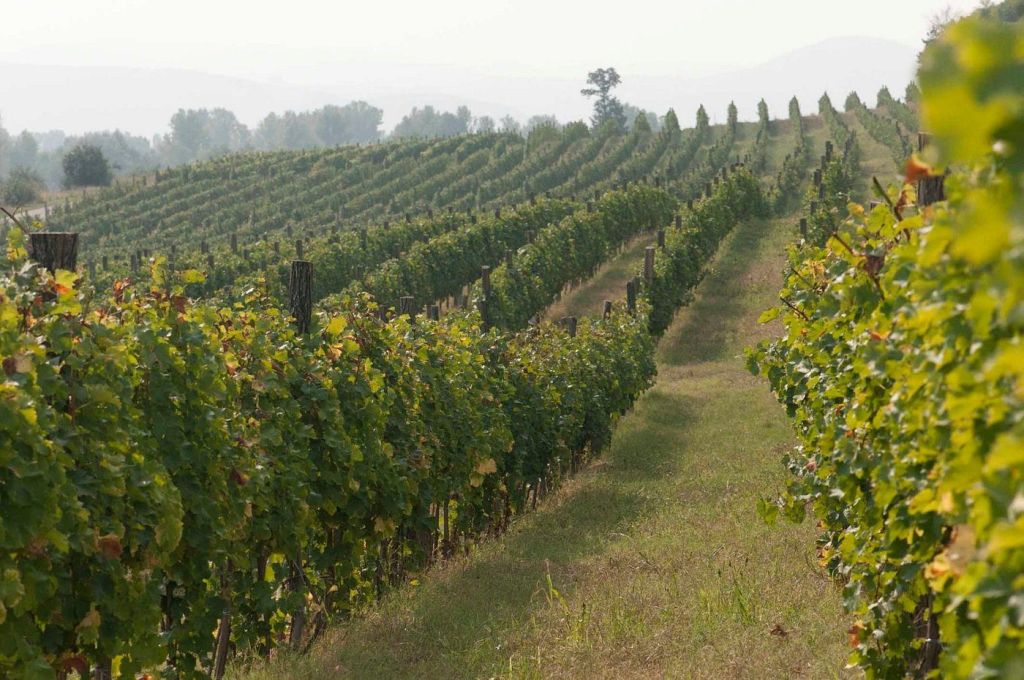
Rgoste vineyards
Another vineyard area tied to local wine culture near Knjazevac.
Rgoste gives context to the town’s regional identity: not just streets and houses, but cultivated slopes and village approaches that shape the wider travel experience.
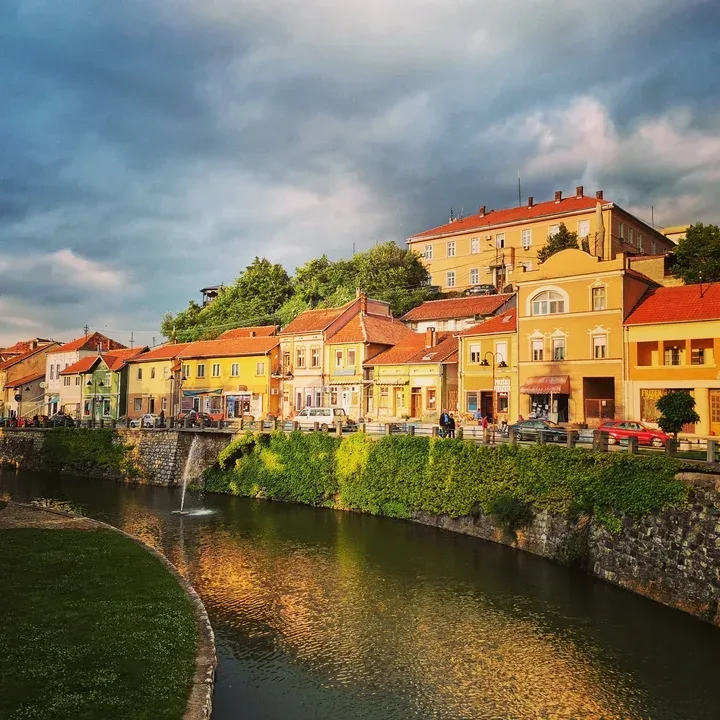
Knjazevac town center
Useful base for meals, local orientation and arranging vineyard drives.
Even when the main goal is wine country, most visitors start in town for parking, walking, riverside time and practical planning before heading toward nearby village landscapes.
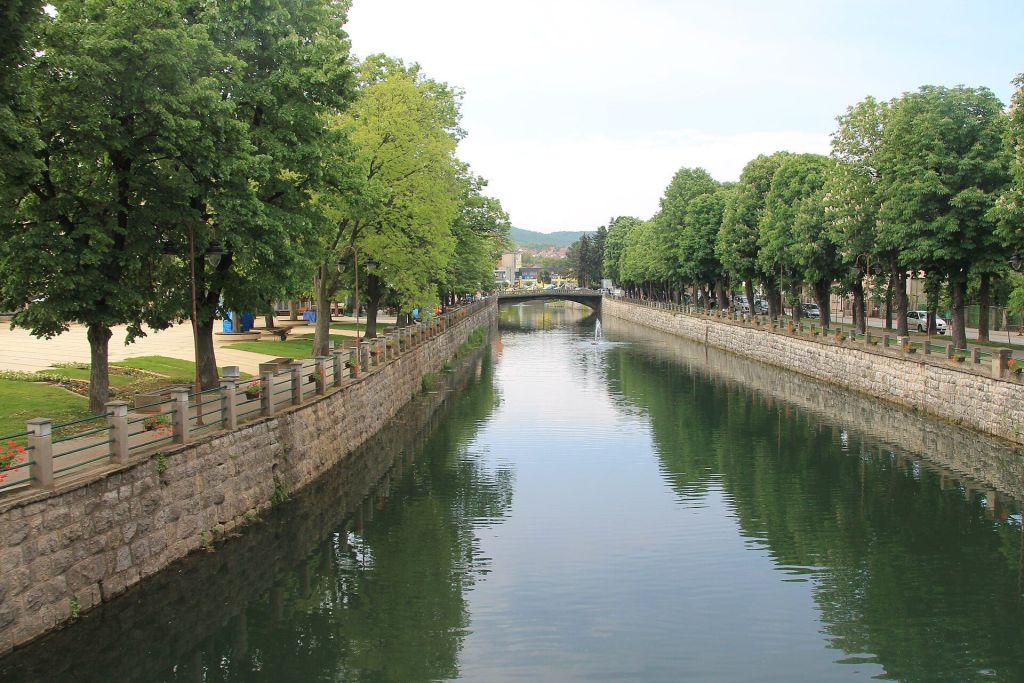
Timok valley around Knjazevac
The broader setting that ties river, vineyards and settlement together.
For many travelers, the value is the whole valley view rather than one single stop: river corridors, cultivated land and roads leading toward mountain and village scenery.
Eastern Serbia
On the Timok, at the foot of Stara Planina
Old town streets, riverside walks, wine tradition, museum heritage
Wine tradition linked to Gabrovnica and Rgoste vineyards
Half-day stops, overnight regional touring, mountain access
Stara Planina, Rtanj, Timok valley
Not confirmed in the source material
Not confirmed in the source material
Usually not for the town itself; confirm locally for private tastings
Knjazevac is not only a transit point for Stara Planina. Its value is in the mix of town fabric, river setting, vineyard approaches and local heritage, which gives it more substance than a simple overnight stop.
The source material confirms the wine tradition and the vineyard areas of Gabrovnica and Rgoste, but does not confirm public tasting schedules, entrance fees or standard cellar hours. Treat vineyard visits as landscape-oriented and best planned with local confirmation.
If you only have half a day, focus on the old town, the Timok river setting and one museum stop, then continue toward Stara Planina or the wider Timok valley.
The source material confirms the presence of a regional heritage museum, but not current opening hours or ticket prices. Check locally on arrival if the museum is central to your plan.
Daylight hours are best if you want to combine the old town, river setting and short vineyard or mountain drives. Warmer months make the riverside and countryside more rewarding, while cooler seasons suit travelers focused on heritage and road touring rather than outdoor lingering.
Use Knjazevac as a slower stop between mountain drives, archaeology, river landscapes and spa towns. Serbian Travel can help you connect the town with the right region-wide itinerary.
Stay connected in Serbia