
Gostuša, 18300 Pirot, Serbia

Visit style: self-guided village walk. Allow: around 45 to 90 minutes for a slow look at the lanes, river setting, church, and wider village fabric. Published opening hours: not found. Published ticket price: not found. Official contacts for current conditions: Tourist Organization of Pirot, +381 (0)10 320 838, [email protected].
Gostuša is a compact mountain village on Stara Planina, set beside the Gostuška River in the Pirot area. Its houses are built largely from stone and other local natural materials, giving the settlement a muted look that follows the terrain rather than standing apart from it. The place is best known for the preservation of this building tradition, recognized with a Europa Nostra Prize in 2016. The atmosphere is quiet and residential, with narrow lanes and the feeling of walking through a lived-in settlement rather than a staged heritage site.

Gostuša is worth the detour because the architecture is not limited to a single preserved house or churchyard. The building tradition reads across the whole settlement: stone walls, subdued surfaces, and structures that seem to grow out of the slope beside the river. That is what makes the place different from a village with a few old facades. The value here is the ensemble. The 2016 Europa Nostra recognition matters because it points to continuity, not just age. You come to look closely at how everyday rural building adapted to the landscape, weather, and available materials, and to understand why the village is discussed as cultural heritage.

Gostuša is approached as a mountain village rather than as a signed urban attraction. Most travelers start from Pirot and continue by car via state road IIA-221 toward the Stara Planina villages before turning onto smaller local roads into Gostuša. From St. John the Baptist Church, allow about 2 to 5 minutes on foot to reach the central lanes and viewpoints over the houses, or around 45 to 90 minutes for a slower walk through the core, river setting, and church area.
The available visitor sources do not publish a local tram, trolley, or dedicated Gostuša village bus line, and no fixed local stop name is listed in the published material reviewed for this guide. Taxi fares from Pirot are also not published, so if you are not driving, arrange both arrival and return in advance. Parking rules are not formally published; in practice, treat Gostuša as a short stop with respectful roadside parking where space is clearly available.
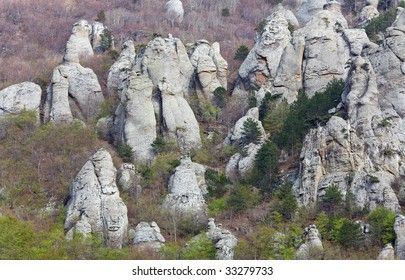
Gostuša works best in daylight, when the texture of the stone houses and the relationship between the lanes, river, and slopes are easiest to read. Dry weather is more comfortable because the visit is mainly a walk through a real village rather than a managed indoor attraction. If you want a quieter look, go on a weekday morning or early afternoon. There is no published reservation system for a standard visit.
If Gostuša is part of a longer day in eastern Stara Planina, start early and combine it with places that also depend on daylight and road conditions, such as Jelovica Spring or the more demanding mountain route to Midžor. Winter planning needs more caution because local visitor sources for Gostuša do not publish seasonal operating notes, snow clearance details, or staffed visitor hours.

Expect a quiet, inhabited village with uneven ground, narrow walking lines, and a visit that depends on observation rather than on interpretation panels or timed entry. There is no published dress code, but practical shoes make more sense than city footwear because the appeal of Gostuša is the walk itself. Accessibility may be limited for travelers who need step-free, even surfaces.
This is a good stop for travelers interested in architecture, vernacular building, or cultural landscape. Families can visit, but it is better for children who are comfortable with short walks and do not need playground-style facilities. Noise should be kept low because the settlement is residential. Bring water, allow time to pause rather than rush, and do not assume that private courtyards, outbuildings, or interiors are open for entry unless invited locally.

Sources cross-checked for this guide:
Last checked: 29 July 2026. Fact-checked by the editorial team led by Patrick against the official sources above, and reviewed before publishing.

These are the external references used for the factual basis of this guide. Operational details remain limited in the published material and should be reconfirmed before departure.
Tell us where you want to go and how you travel. We reply within two working days with a tailored plan.
Treat the village as a rural mountain stop, not a destination with managed parking and posted visitor infrastructure. Check current local road conditions in Pirot before setting out, especially outside dry-weather periods.
No formal tour duration, guide inclusion, booking platform, or set visitor package was found in the available sources. Plan for a self-guided walk and use the Tourist Organization of Pirot for current local advice.
Gostuša is in the Pirot area of Stara Planina. Use the map for driving orientation and village approach planning.
These are the most useful stops for a self-guided walk. Available tourism sources do not publish formal ticketing, fixed tour inclusions, or daily opening hours for Gostuša itself.
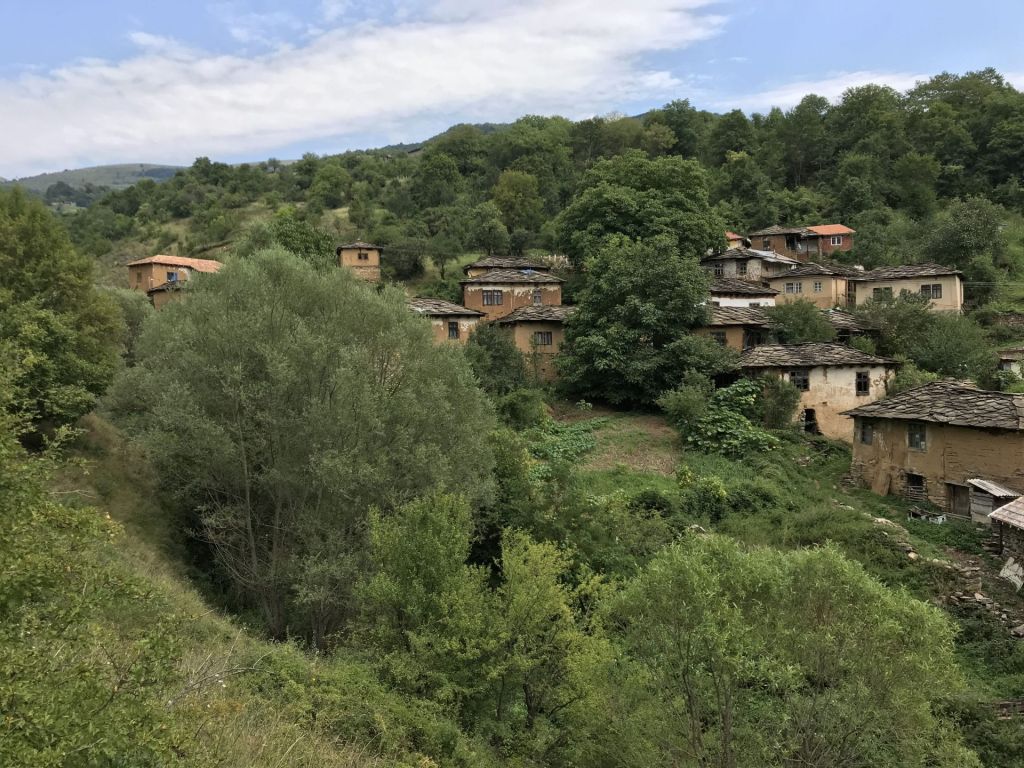
Gostuša village core
The main reason to come: a dense ensemble of traditional houses and lanes.
Start in the village core and walk slowly. The value of Gostuša is in the overall fabric of the settlement rather than in one museum-style stop.

Gostuška River
The river gives the village its setting and helps explain the layout of the houses.
A short walk along the river adds context to the architecture, showing how the settlement sits within its mountain landscape.

St. John the Baptist Church
Village church restored in 1835.
The church is one of the few specifically named heritage points associated with Gostuša in the available tourism material.
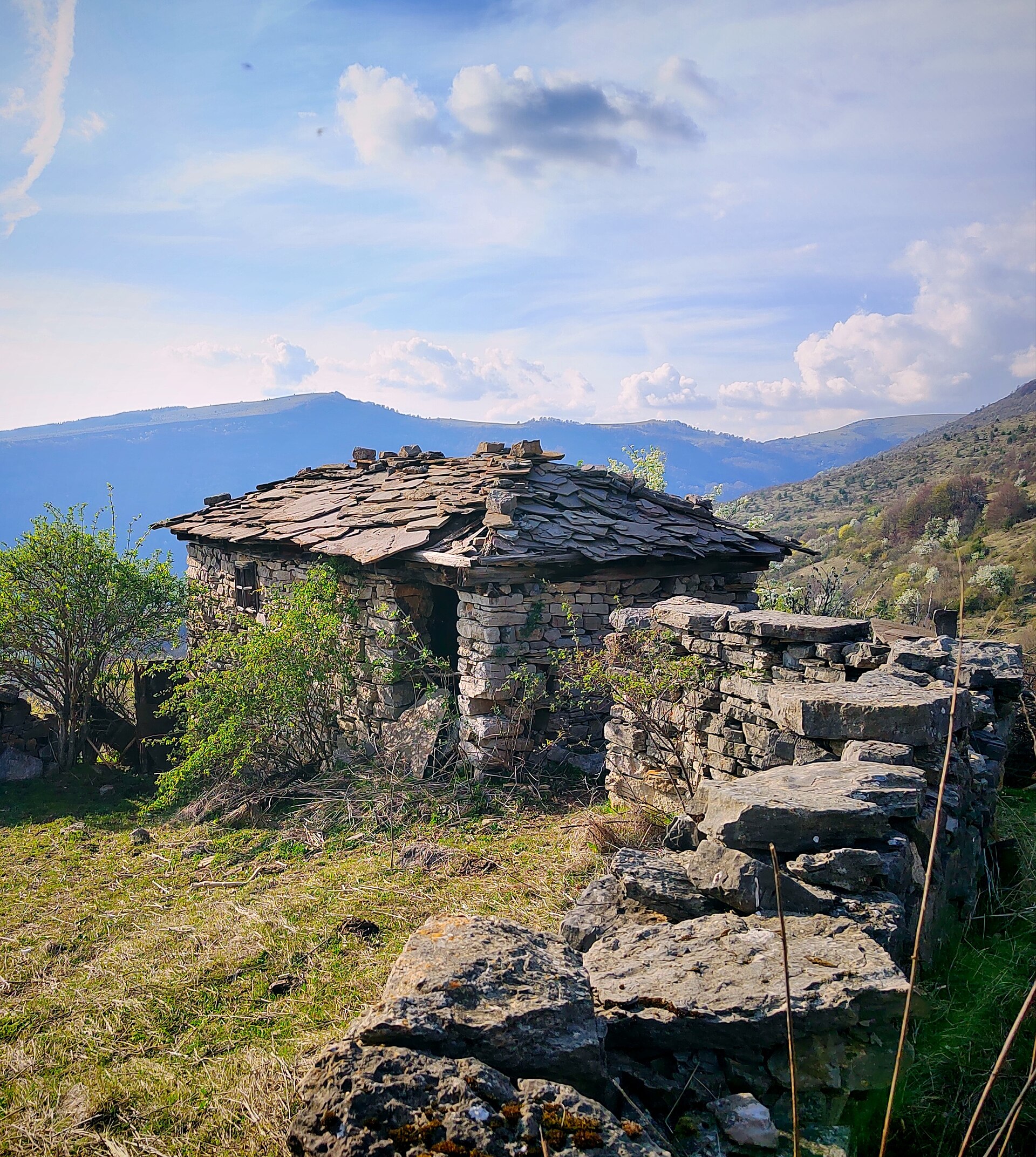
Roman-period fort remains near Gostuša
Archaeological traces mentioned in tourism descriptions of the village area.
The remains are noted as being near Gostuša rather than as a fully interpreted visitor site, so treat them as a contextual stop, not a stand-alone museum visit.
Gostuša, 18300 Pirot, Serbia
St. John the Baptist Church
Traditional stone-built village architecture using natural materials
RSD 0 for an outdoor self-guided visit; no published ticket price found
Daylight in dry weather
Not published
topirot.com/posts/gostusa
Tourist Organization of Pirot: +381 (0)10 320 838
[email protected]
No daily opening hours, ticket prices, or formal booking system were found for Gostuša itself in the available sources. Plan it as an outdoor, self-guided visit and confirm current local access before you go.
Tourist Organization of Pirot: +381 (0)10 320 838 and [email protected]. If you need current road, access, or local event information, this is the most practical published contact point found in the source set.
Gostuša works best as one stop in a broader eastern Stara Planina route. Because the village visit is short and self-guided, it is often easier to justify the drive when paired with another nature or hiking stop on the same day.
Keep noise low, stay aware of private property, and do not assume that yards, outbuildings, or interiors are open to visitors. Ask locally before photographing people at close range or entering enclosed spaces.
No published source describes Gostuša as a formal open-air museum. It is better understood as a lived-in village visited for its preserved architectural ensemble.
No official daily opening hours were found for the village itself. Outdoor walking is the basis of the visit, but church or interior access should be confirmed locally.
No booking platform or reservation rule was found in the available sources for a standard self-guided visit. If you want current local guidance, contact the Tourist Organization of Pirot before departure.
Around 45 to 90 minutes is usually enough for a slow self-guided walk focused on the village fabric, river setting, and a few named points such as the church.
Possibly not ideal. The visit involves uneven village surfaces and walking rather than managed step-free visitor infrastructure.
If you want a route that connects Gostuša with other practical stops in southeastern Serbia, request a custom itinerary.
Stay connected in Serbia