Why this cathedral matters in Belgrade
The Cathedral of St. Michael is one of the places that helps explain how Belgrade’s old town developed as a political, religious, and cultural center. Unlike the more hectic streets around the city center, the cathedral offers a quieter pause and a reminder that Stari Grad is not only about cafés and shopping streets. It is also where the city’s long memory is visible in stone, iconography, and tradition.
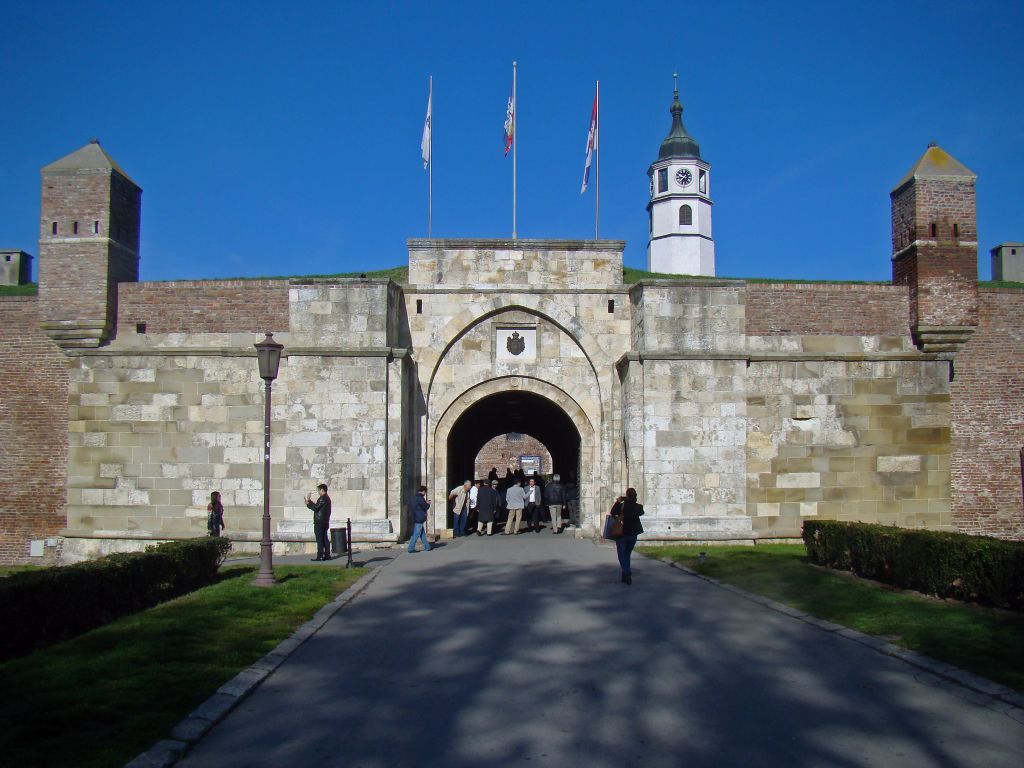
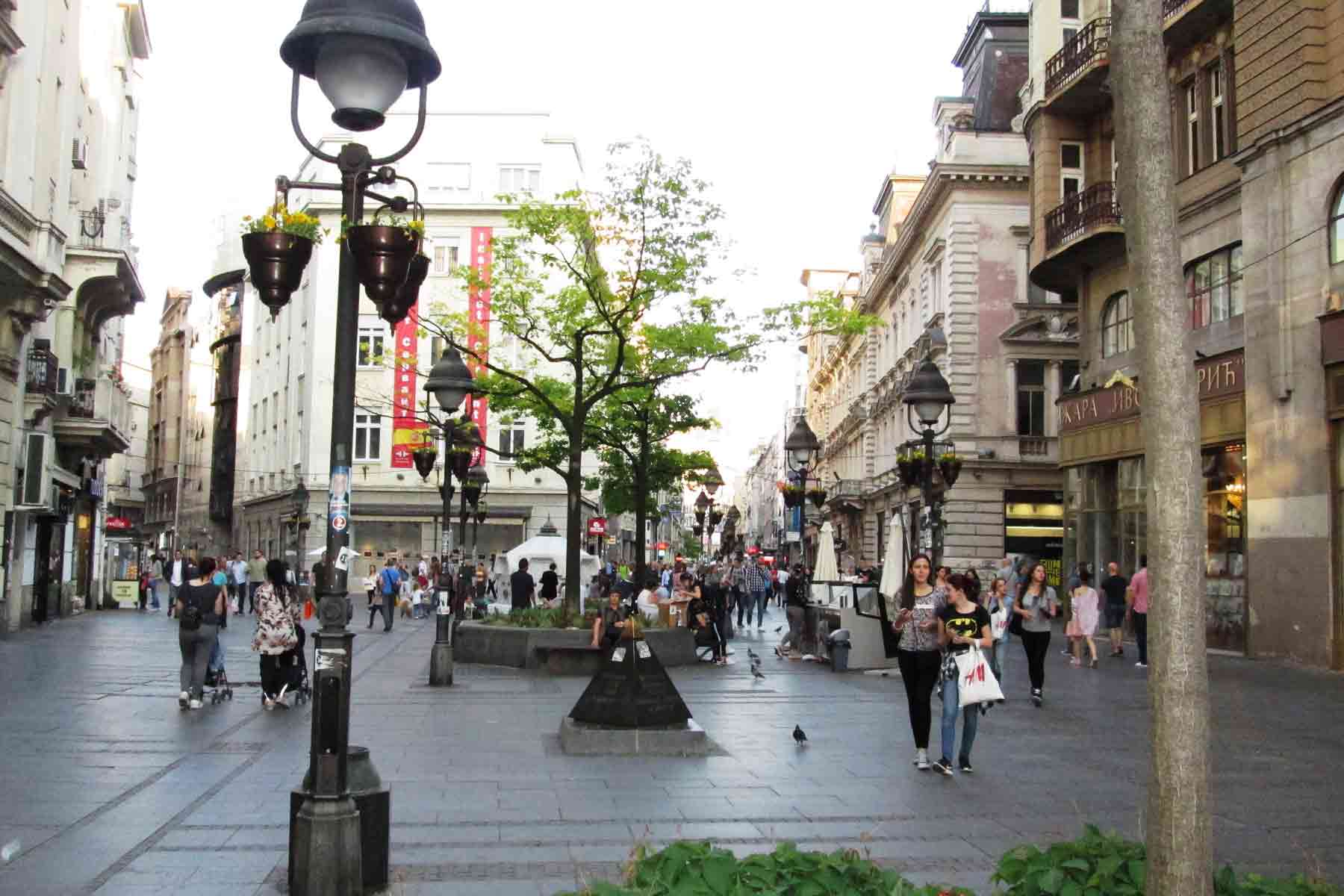
For many visitors, the cathedral makes sense as part of a broader Old Belgrade route. You can start near Trg Republike, continue along the central streets, and then move toward the cathedral before heading to Kalemegdan Fortress or the nearby Knez Mihailova Street. That combination gives you a fuller picture of the historic core than any single sight alone.
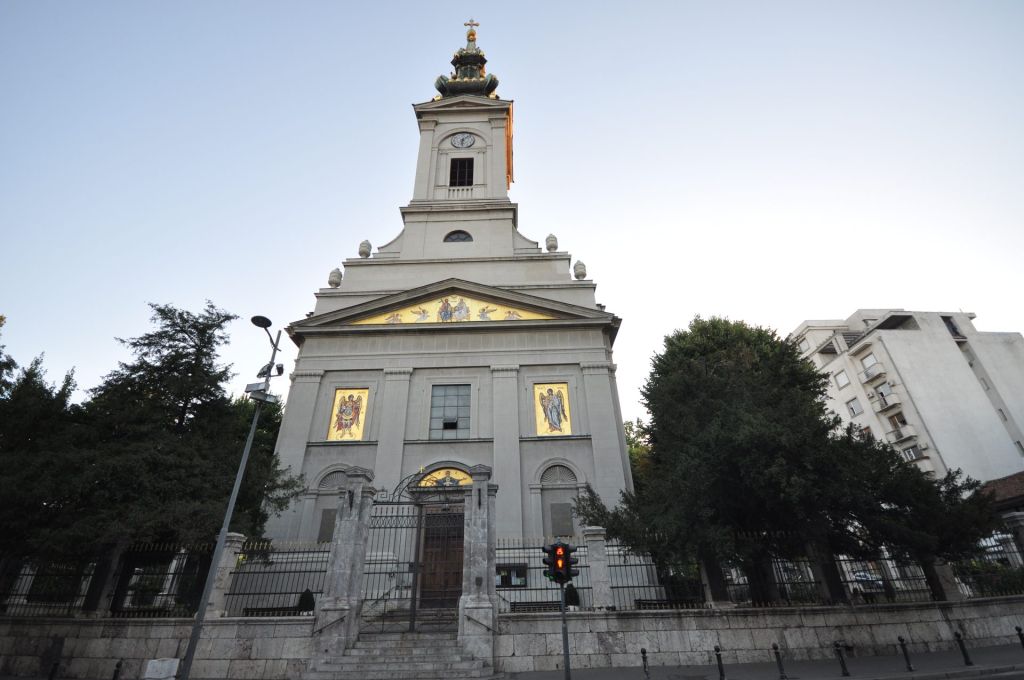
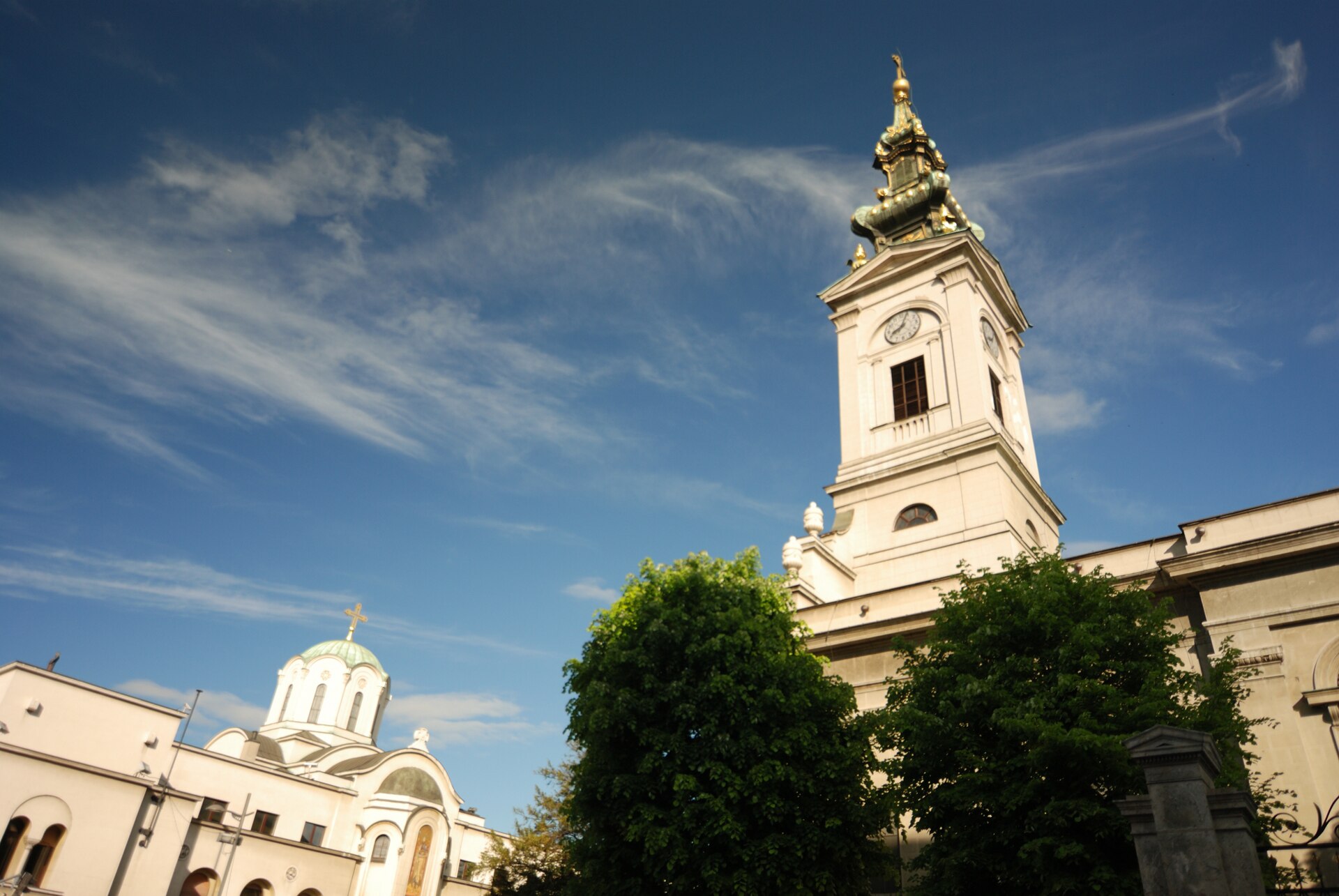
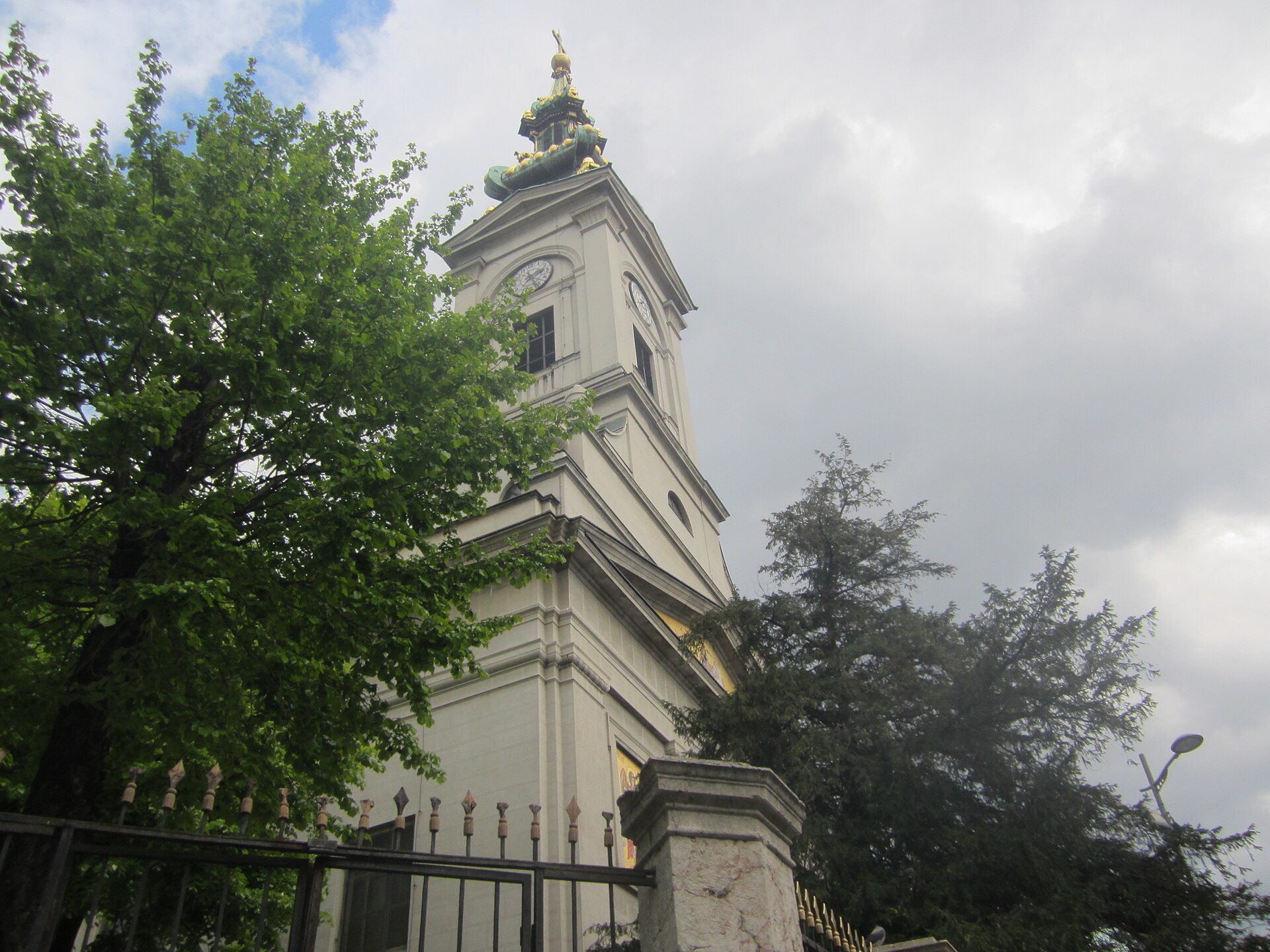
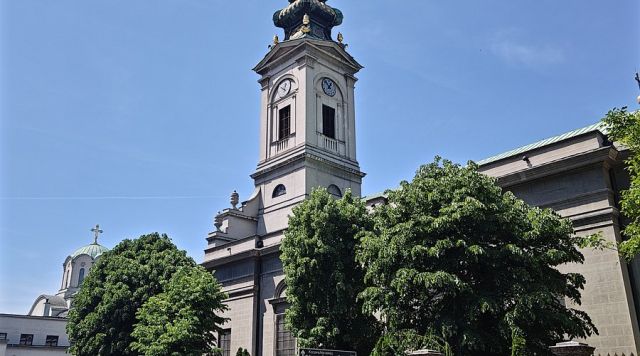
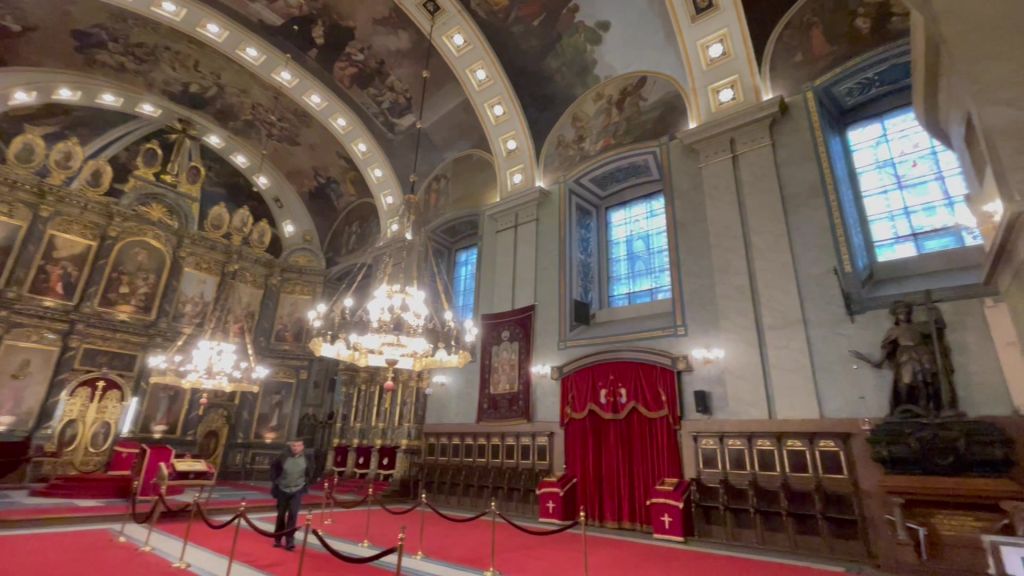
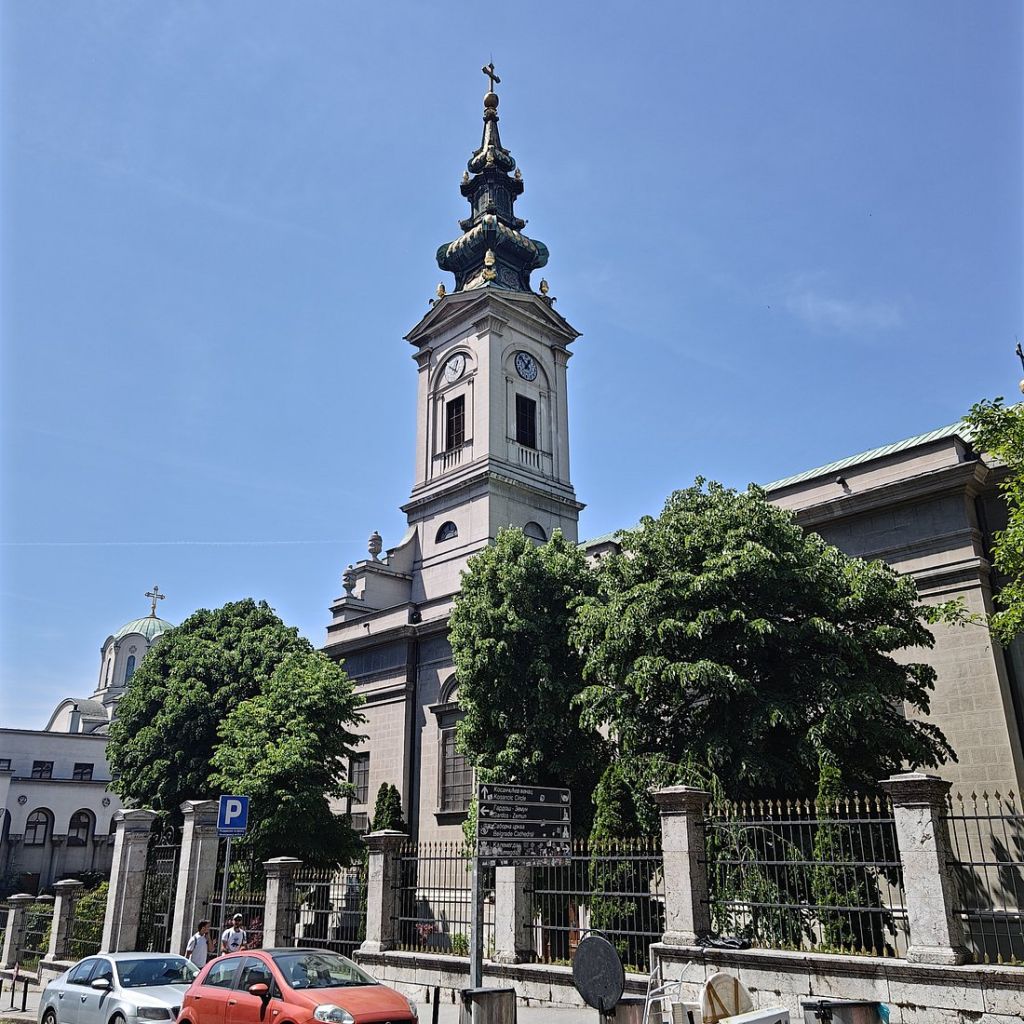
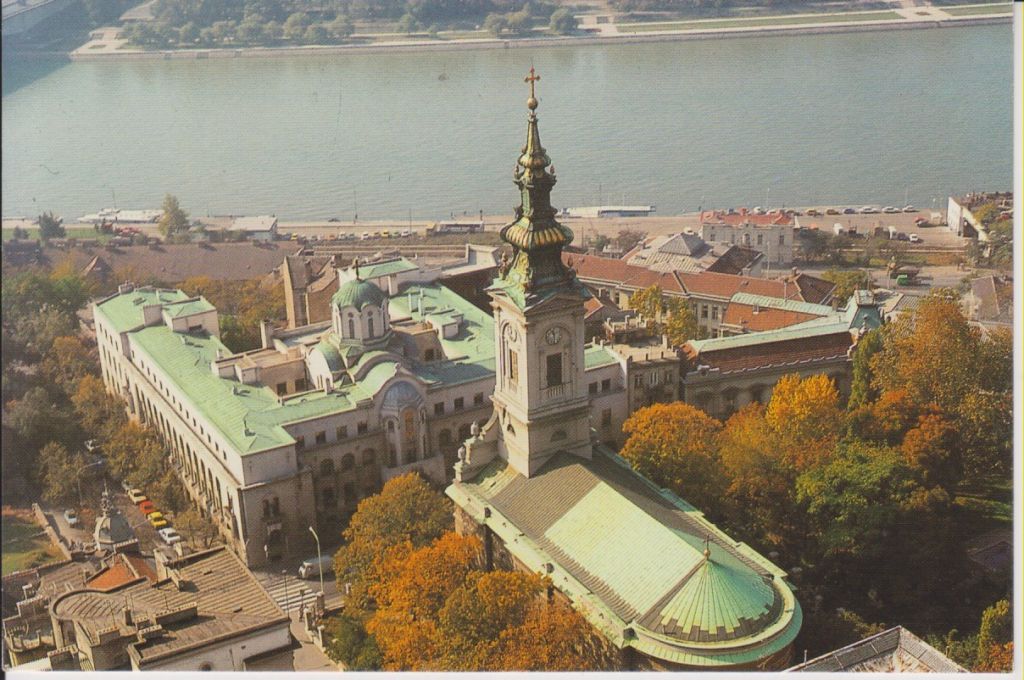
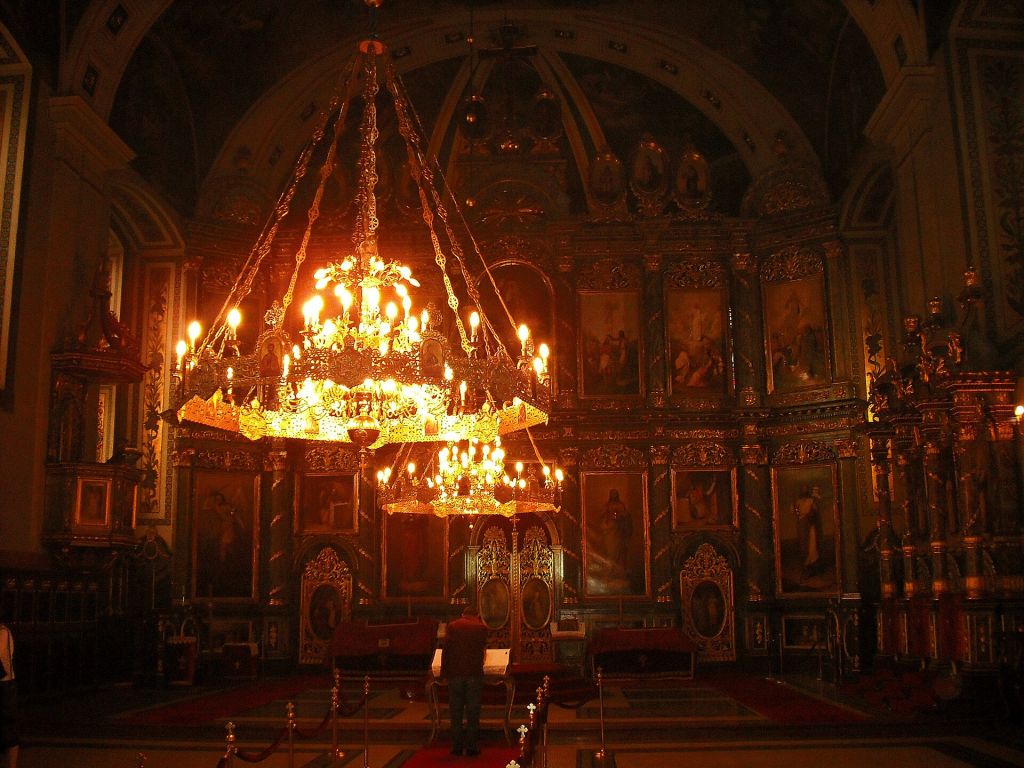
Travelers often notice the cathedral’s tall baroque bell tower, which rises above the narthex and is one of the recognizable silhouettes of central Belgrade. Inside, the church holds the relics of Saint Emperor Stefan Uroš V and parts of the relics of Saint Lazar of Serbia, along with the tombs of princes Miloš and Mihailo Obrenović. In front of the main entrance you will also find the graves of Vuk Karadžić, the reformer of the Serbian language, and Dositej Obradović, the first Serbian Minister of Education. Together these make the cathedral one of the most important memory sites in the country, not only a place of worship.
History and cultural role
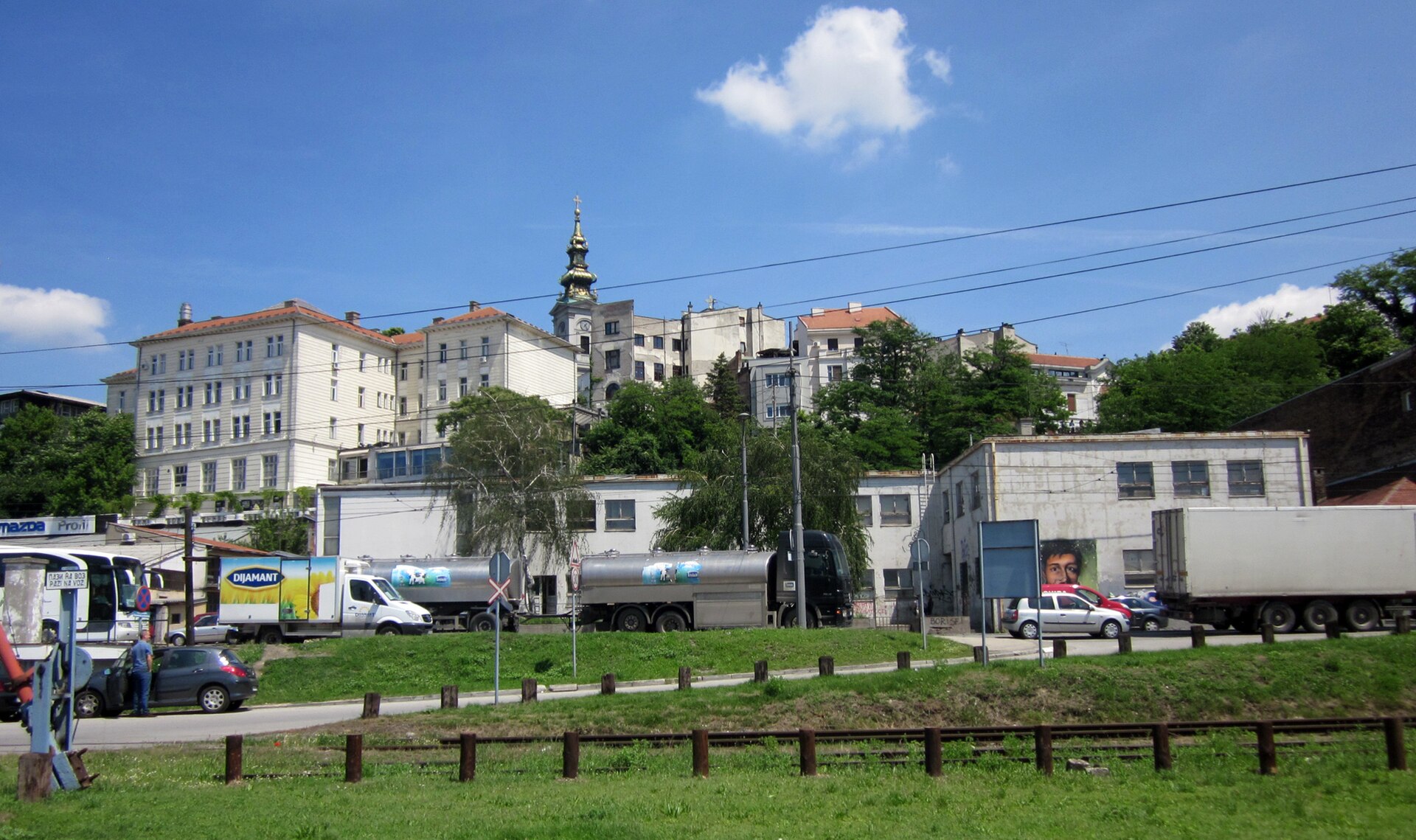
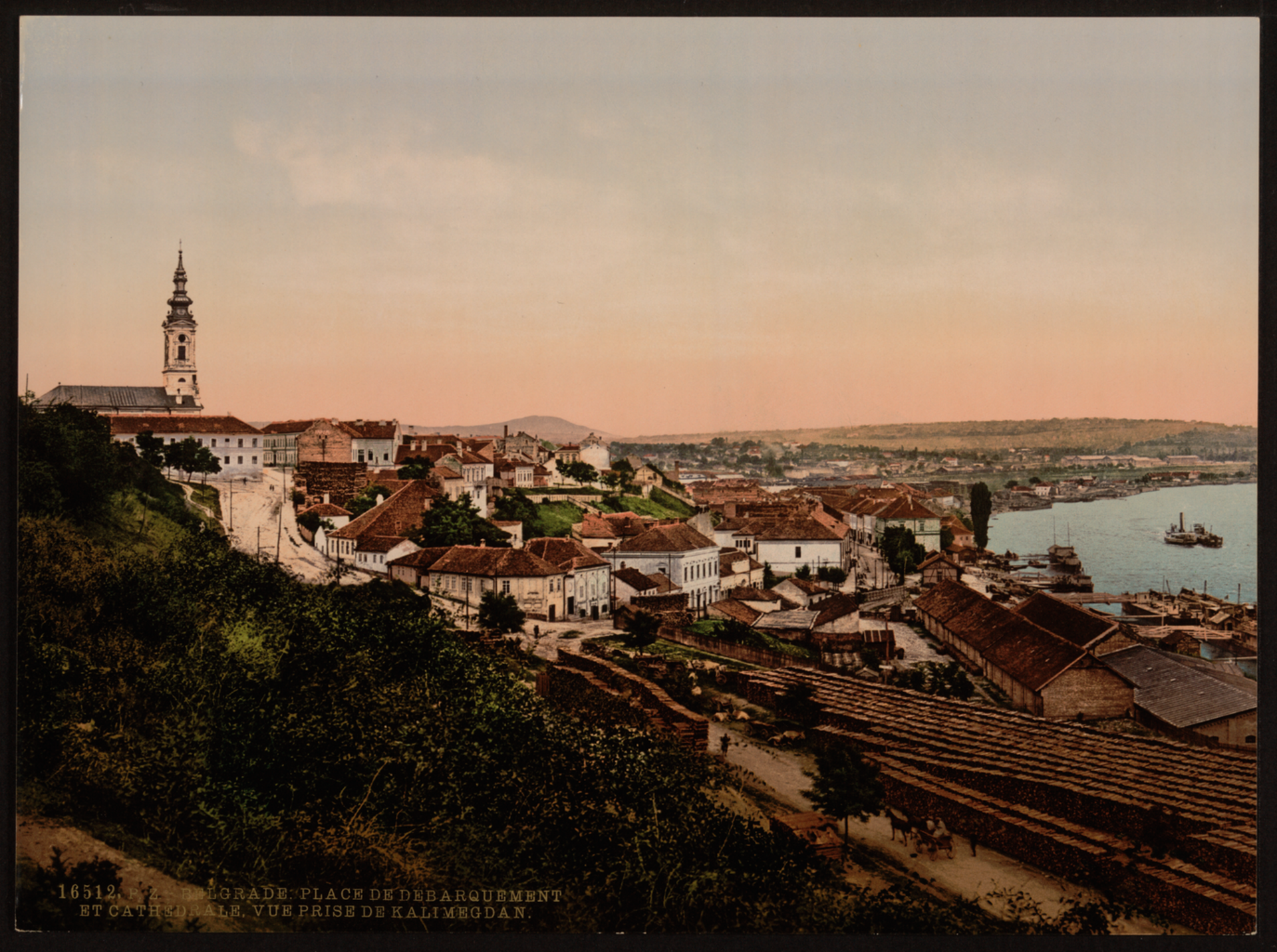
The Cathedral of St. Michael belongs to the historic layer of Belgrade that predates the modern riverside and nightlife image many travelers first encounter. In Stari Grad, churches, fortifications, and old civic streets sit close together, and this cathedral is part of that older urban story.
Its importance is not only architectural. The church has long been tied to the Serbian Orthodox tradition and to the memory of Serbian statehood. That makes it a useful stop for travelers who want to understand Belgrade beyond general sightseeing. If you are building an itinerary around the old town, the cathedral fits naturally with visits to the museums of Belgrade and the historic streets around the city center.
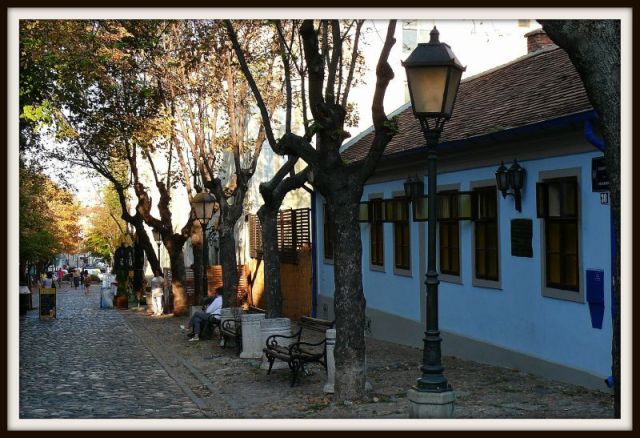
Because the cathedral is in a dense central district, it works well as a walking stop rather than a separate destination. That practical role matters: visitors can reach it while exploring nearby neighborhoods, then continue toward Skadarlija for lunch or evening drinks, or toward Dorćol for café culture and riverside approaches.
A simple Stari Grad walking route
If you are staying in central Belgrade, the cathedral fits well into a half-day walking plan. Start at Trg Republike to get your bearings, walk through the main streets toward the cathedral, then continue to Knez Mihailova for the pedestrian-center experience. From there, you can extend the route to Kalemegdan Fortress or downhill toward Kosančićev Venac.
This route works well because it keeps the day compact and avoids unnecessary transport. It also helps you see how Belgrade layers different periods together: Ottoman-era memory, modern central streets, Orthodox tradition, and fortress landscape. If you are interested in broader context, the parent guide at Stari Grad Belgrade Travel Guide is the best place to continue planning.